 Request A Quote
Request A Quote
Request A Quote
Full range
Every product Huge Roc lists, grouped by the nine categories. Each page carries the analytical specification, the packing format, the container loading and the decision that separates it from the next-best grade.
11 products
Additives that act on gut condition, methyl donor supply, palatability and stress response, specified on purity, release behaviour and the species they are dosed for.
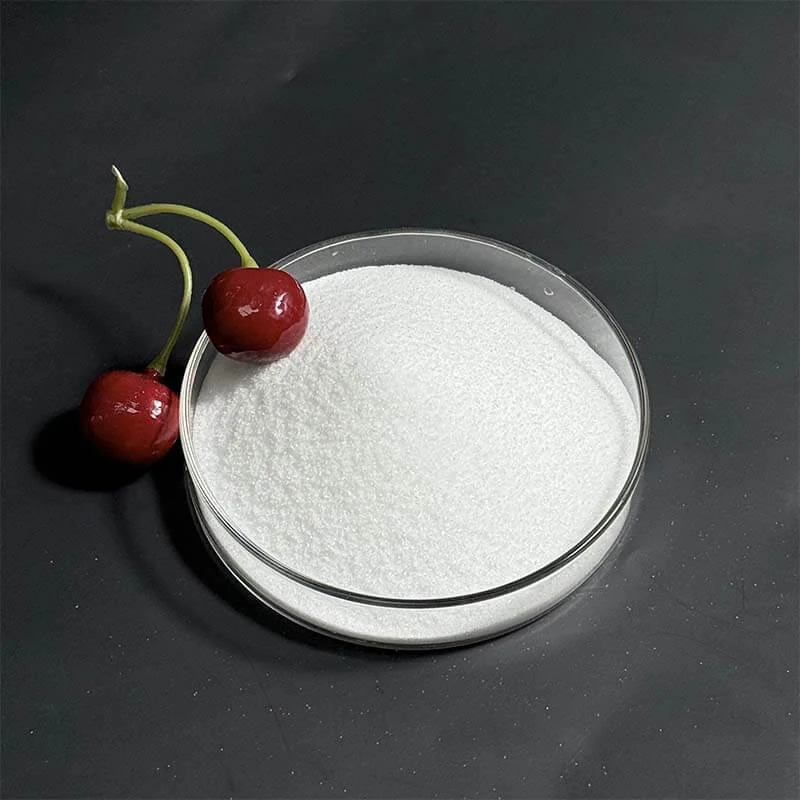
Higher purity and better stability than betaine hydrochloride
View details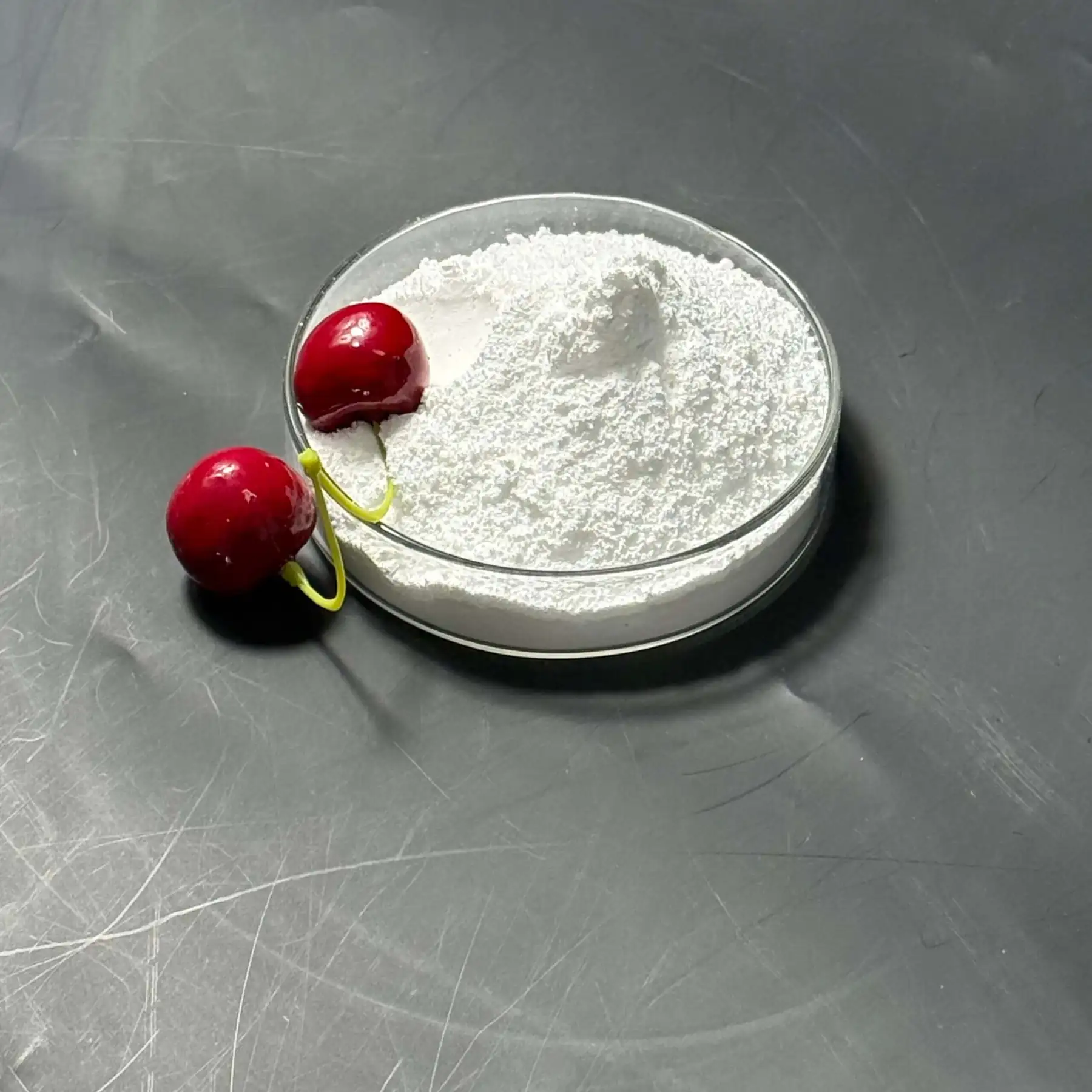
Purity 99.8% min, so the magnesium contribution per kilo is predictable in a ration calculation
View detailsStable and sustained release of butyric acid rather than an immediate foregut release
View details
Stable glyceride form without the odour and corrosion of free butyric acid
View details
High quality complete bacterial protein, notably rich in lysine, the amino acid cereal protein lacks
View details
Assay 98% min, specified 98.0-101.0% on a dry basis, so the butyrate contribution is known
View details
Stable calcium salt form, convenient for storage and transport compared with free butyric acid
View details
Assay 98.5% min with a reported result of 98.62%
View details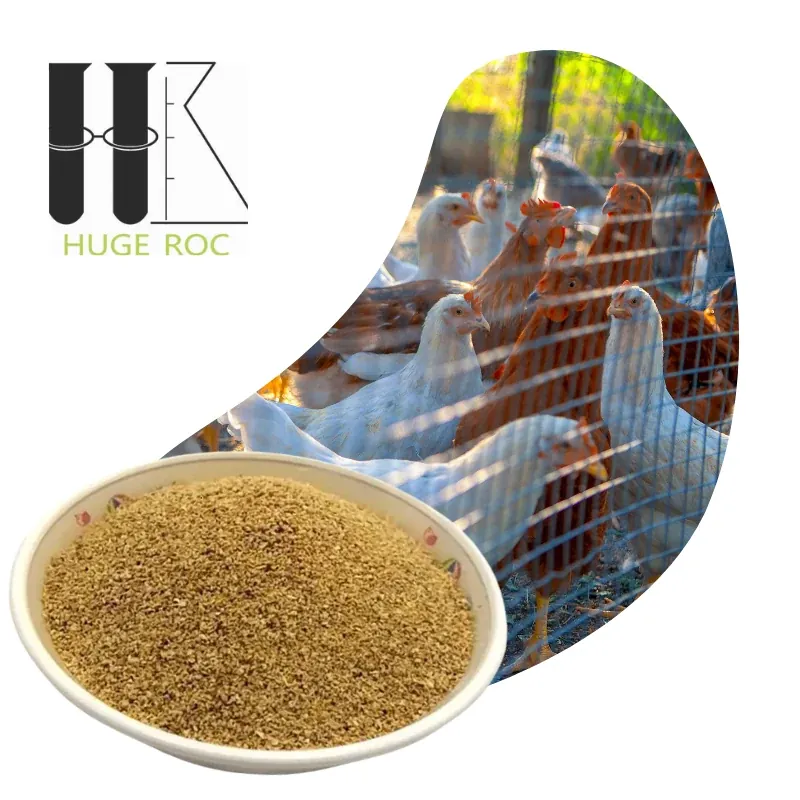
The most commonly used and economical choline source for feed
View details
Calcium formate 98.0% min with moisture 0.5% max, so it stays free flowing
View details
Water soluble, so it disperses in aqueous systems where oil-soluble antioxidants cannot
View details4 products
Protein isolates and concentrates specified on protein content, amino acid profile and the functional job they do in the formulation: structure, emulsification, binding or pigmentation.
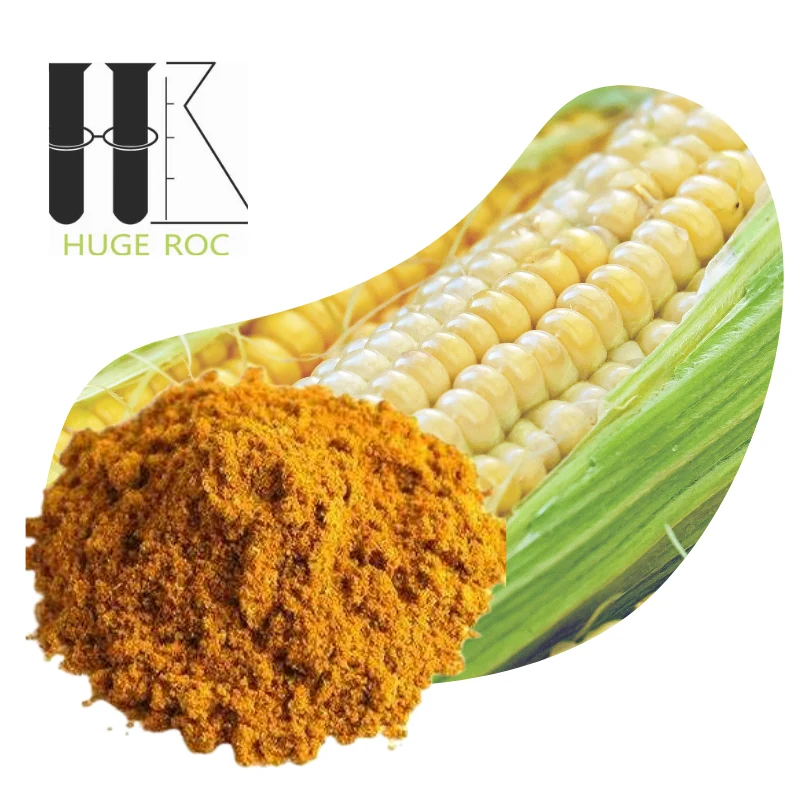
60-70% crude protein with good digestibility and bioavailability
View details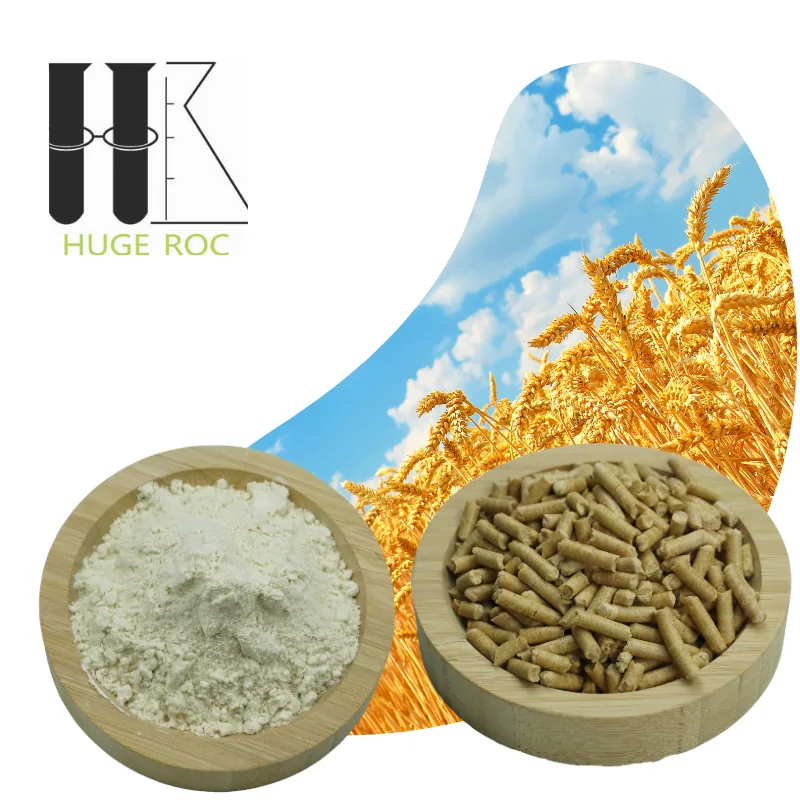
75-82% protein, rich in glutenin and gliadin with excellent digestibility
View details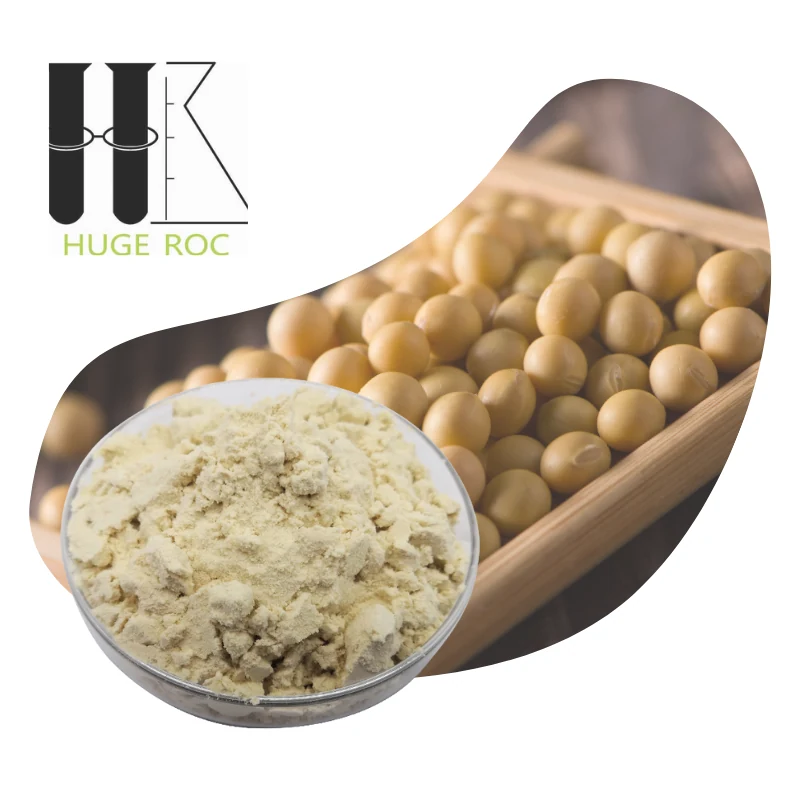
Two grades, SPI at 90% min protein and SPC at 65-70%, so protein cost is matched to the formulation
View details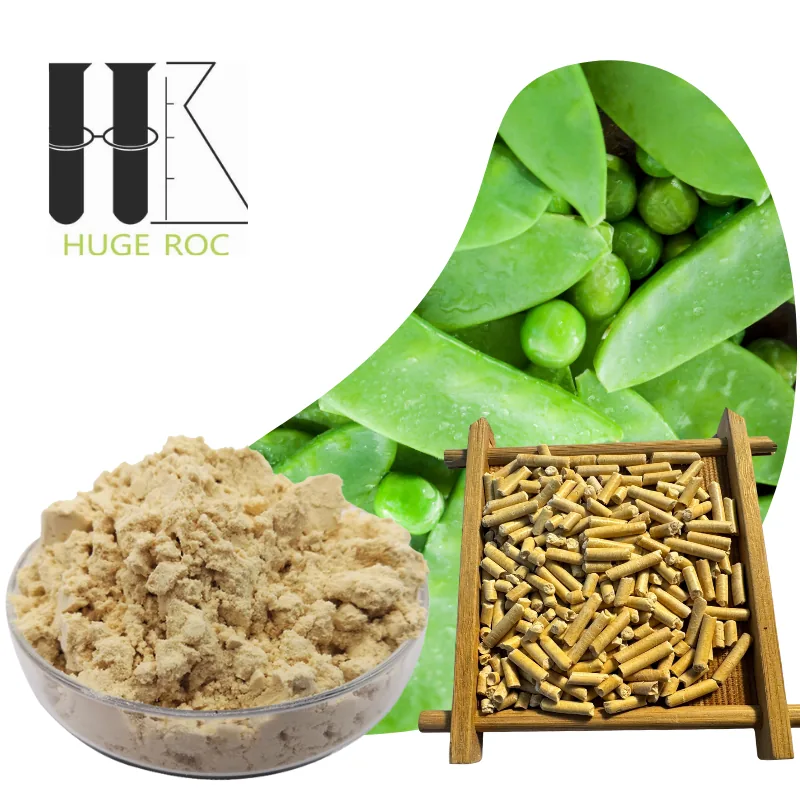
Protein content 80% min with a complete amino acid profile
View details7 products
Preservatives selected by the pH of the product and the organism being controlled, with particle grades matched to liquid dosing, dry blending or automated bulk handling.
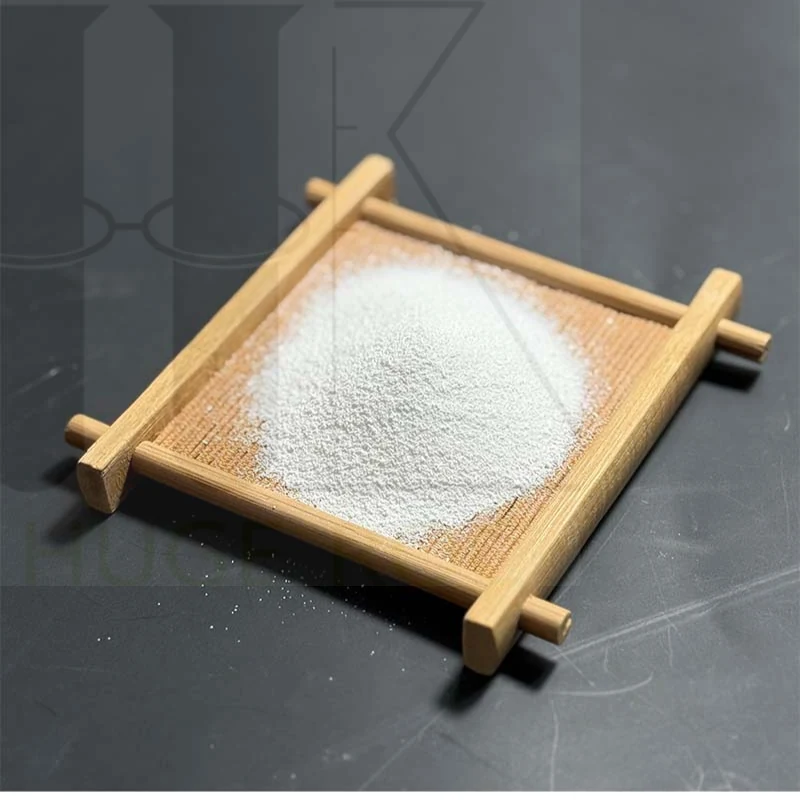
Free acetic acid 39.0-41.0% and sodium acetate 58.0-60.0%, a defined ratio rather than a blend of convenience
View details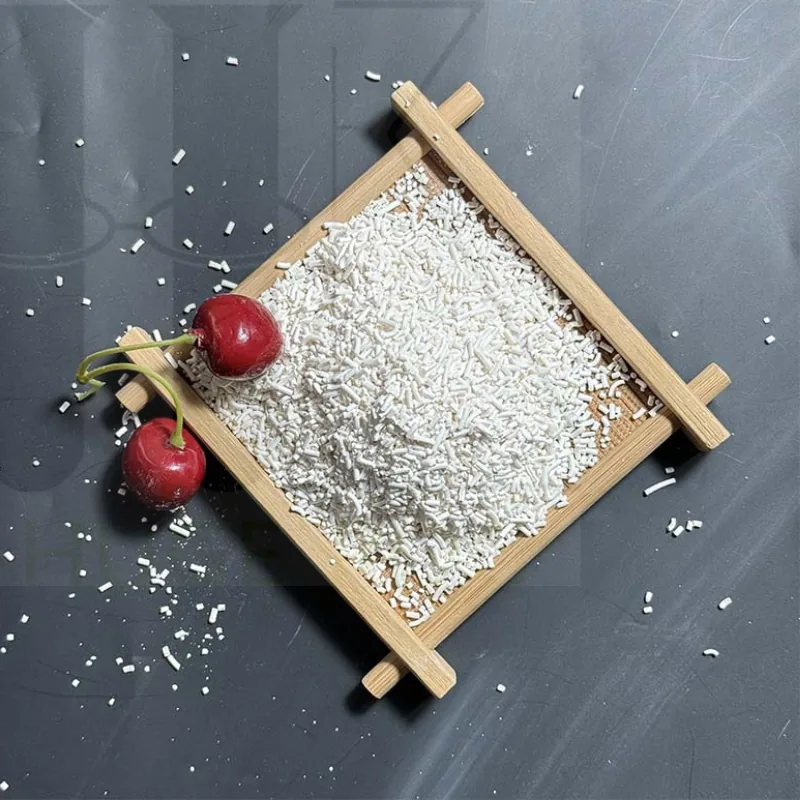
Meets FCC and E202 standards with high purity and low odour
View details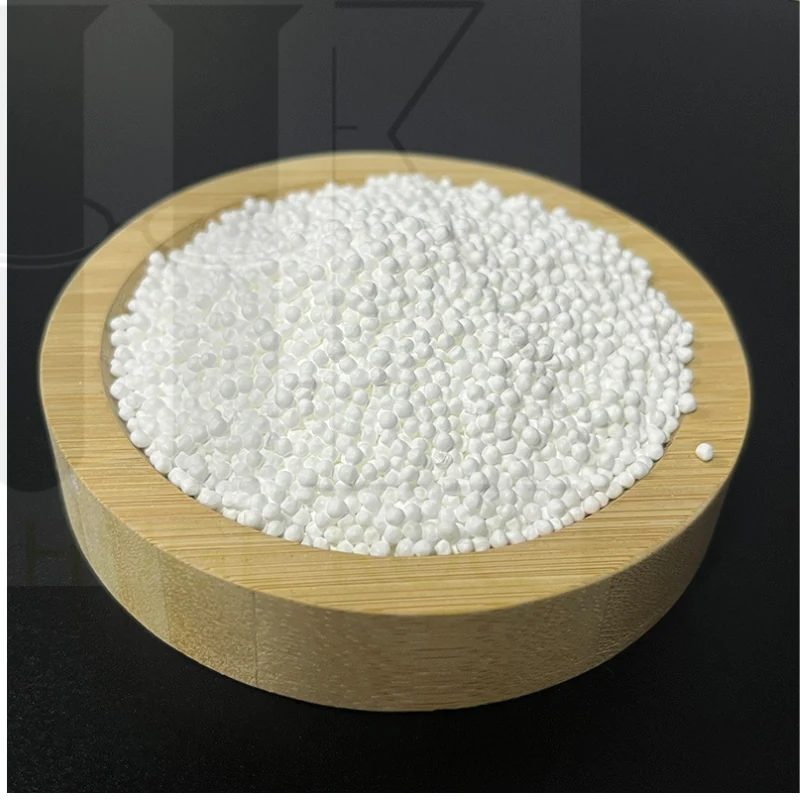
Broad activity against mould, yeast and bacteria in one preservative
View details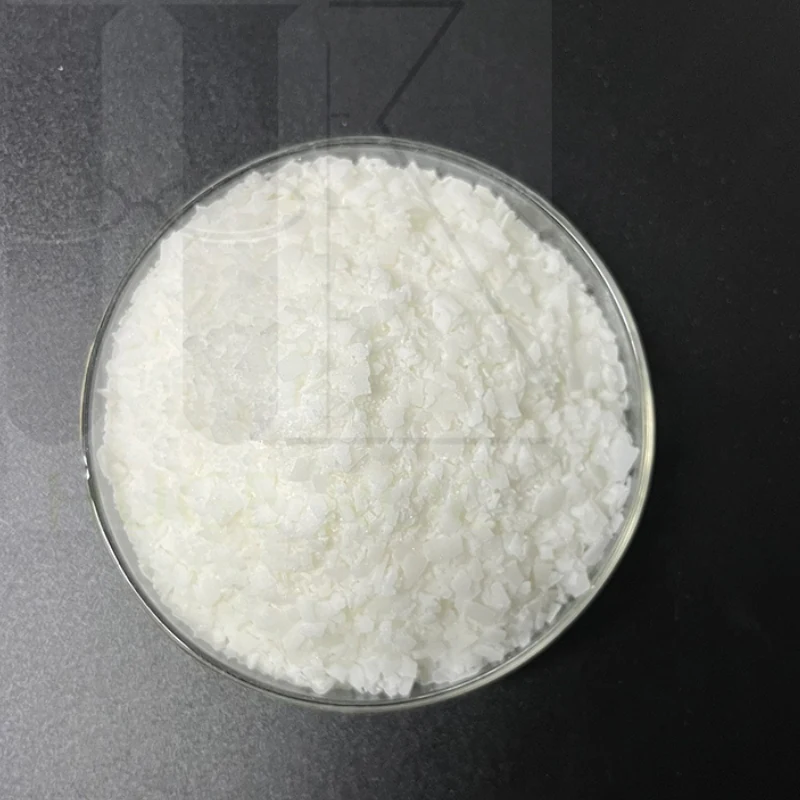
Three particle grades, fine powder, granular and coarse, so dissolution and dust are matched to the process
View details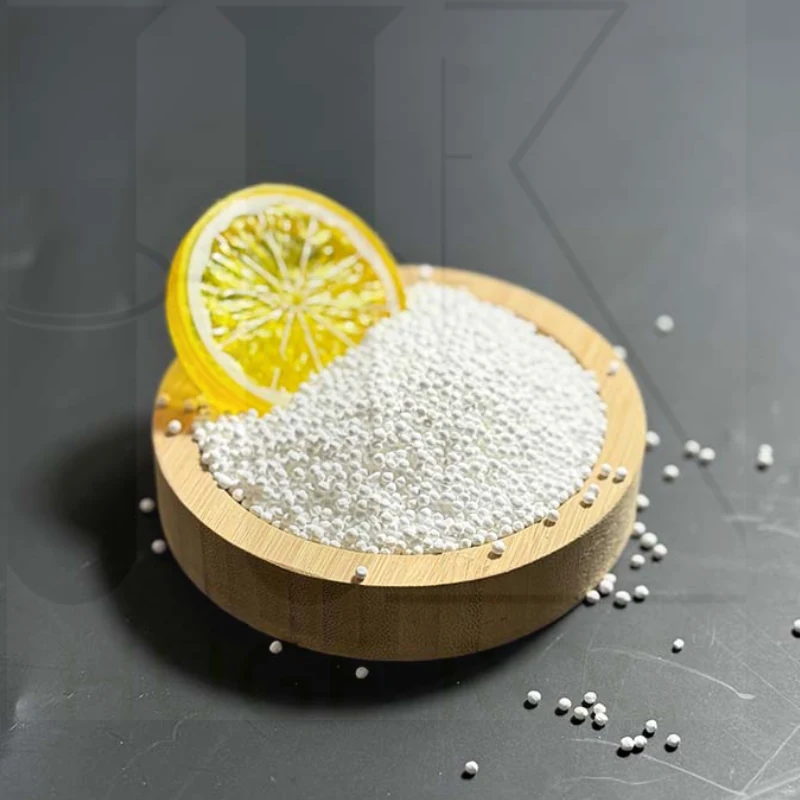
Anhydrous and monohydrate forms, powder and granular types, matched to different processing needs
View details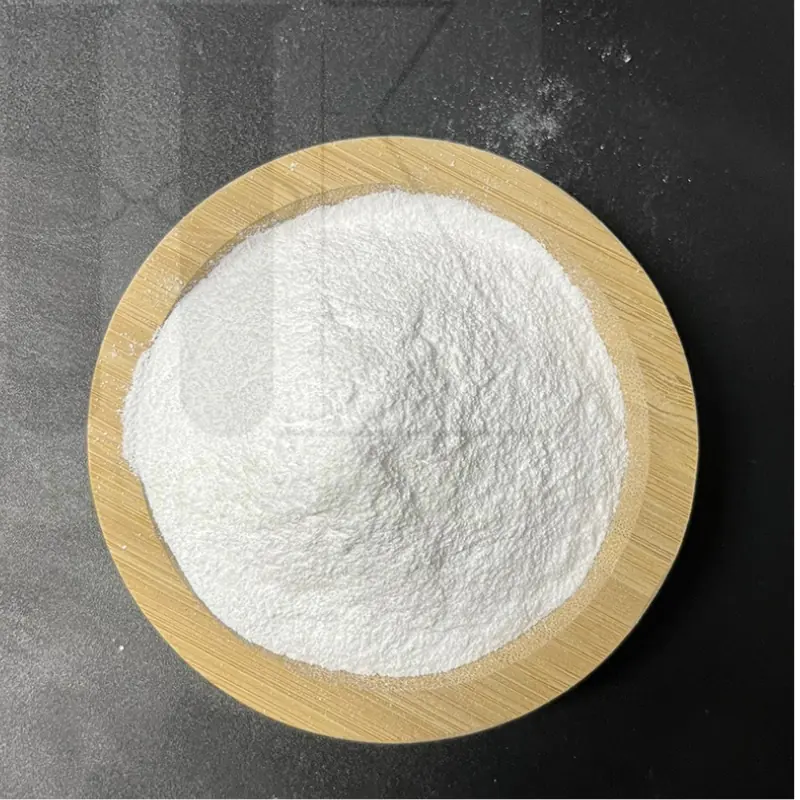
Assay specified 99.0-100.5% with a reported result of 99.59%
View details
Dual-action preservation against both mould and yeast, extending food and feed shelf life by 30% to 100%
View details5 products
High-intensity and bulk sweeteners covering sugar replacement, fermentation substrate duty, humectancy and feed palatability, each with a full analytical specification.
No water of crystallisation, so the dry-solids basis is fixed and no moisture correction is needed
View details
Cool sweet taste at roughly half the sweetness of sucrose, useful where sucrose is too sweet
View details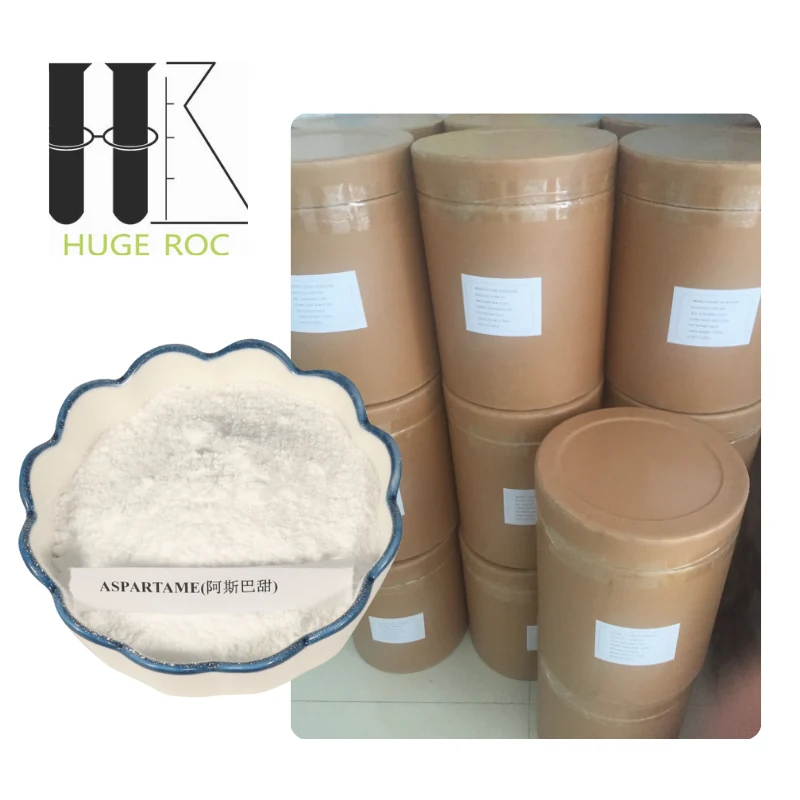
200 times the sweetness of sucrose, so dosage and freight per unit of sweetness are tiny
View details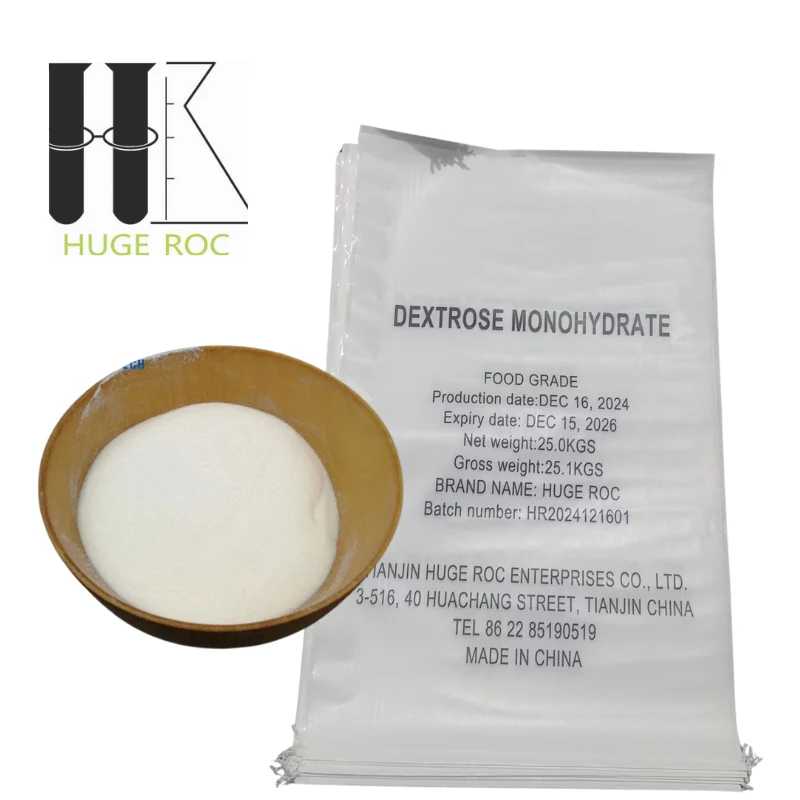
Assay 99.5% min with a full microbiological specification, not only a chemical one
View details
Assay 99.0-101.0% with identification by infrared absorption spectrophotometry
View details4 products
Phosphoric acid in two concentrations plus phosphate salts for leavening and feed mineral supply, specified on assay, contaminant limits and container loading.
Assay not less than 85.0% H3PO4 held to a food-grade specification, not a technical-grade range
View details
Precise concentration control, so batch-to-batch acidity does not drift
View details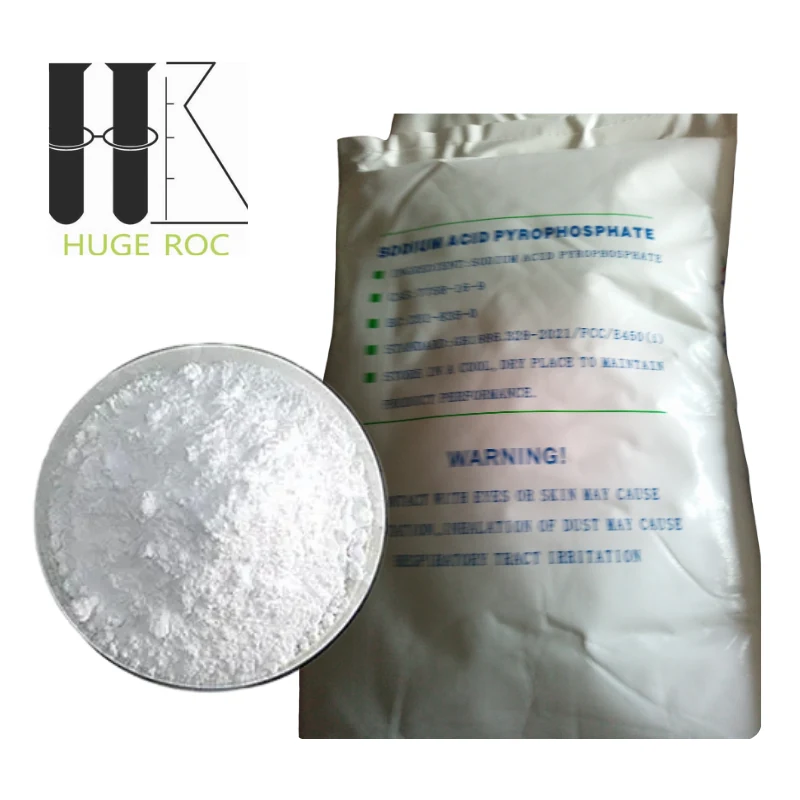
Releases carbon dioxide on heating for controlled rise and expansion during baking
View details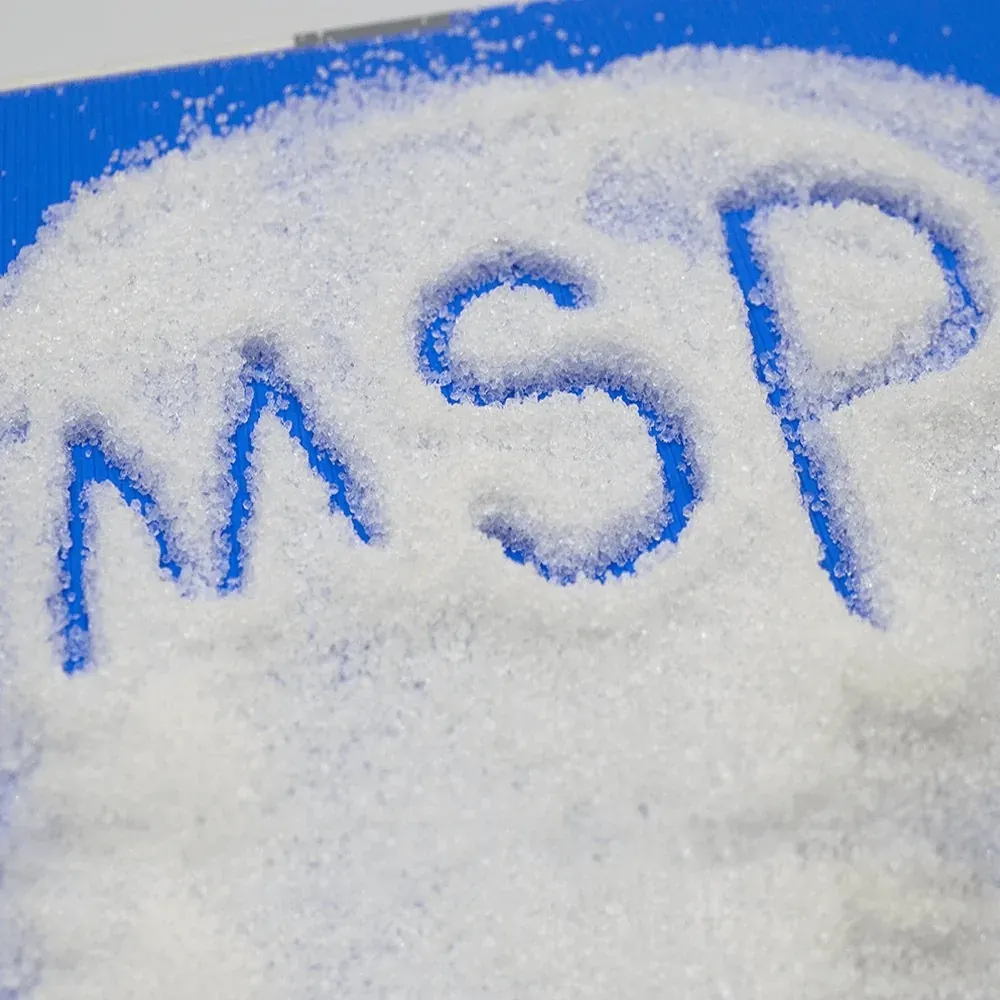
Phosphorus 25.3-26.6% together with sodium, so one product covers two mineral requirements
View details7 products
Commodity salts supplied against food or technical standards, with the contaminant limits, solubility data and handling behaviour a process engineer needs before switching supplier.
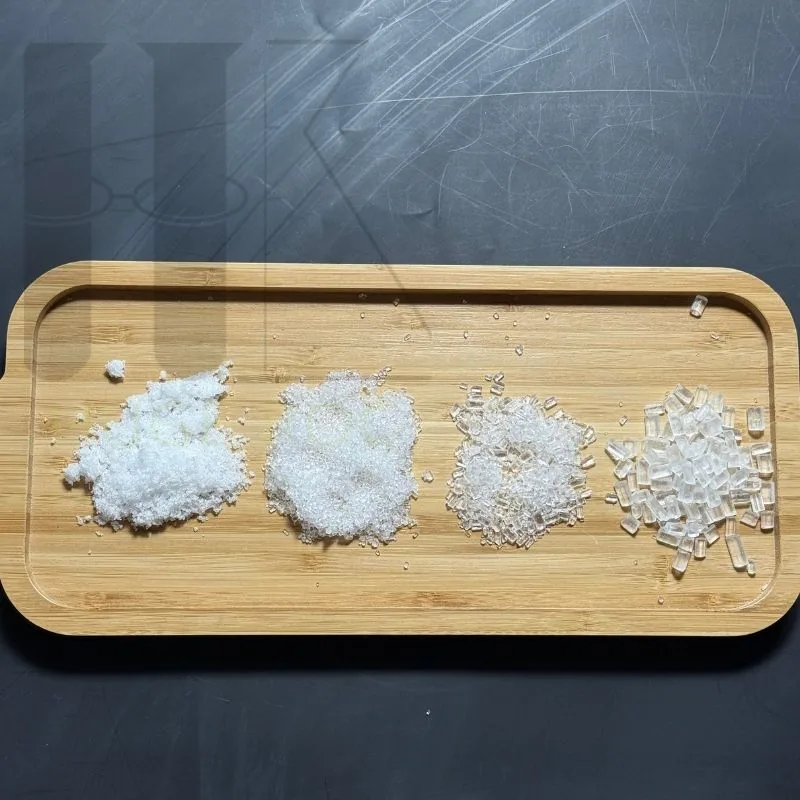
Strong reducibility for dechlorination and reduction duty
View details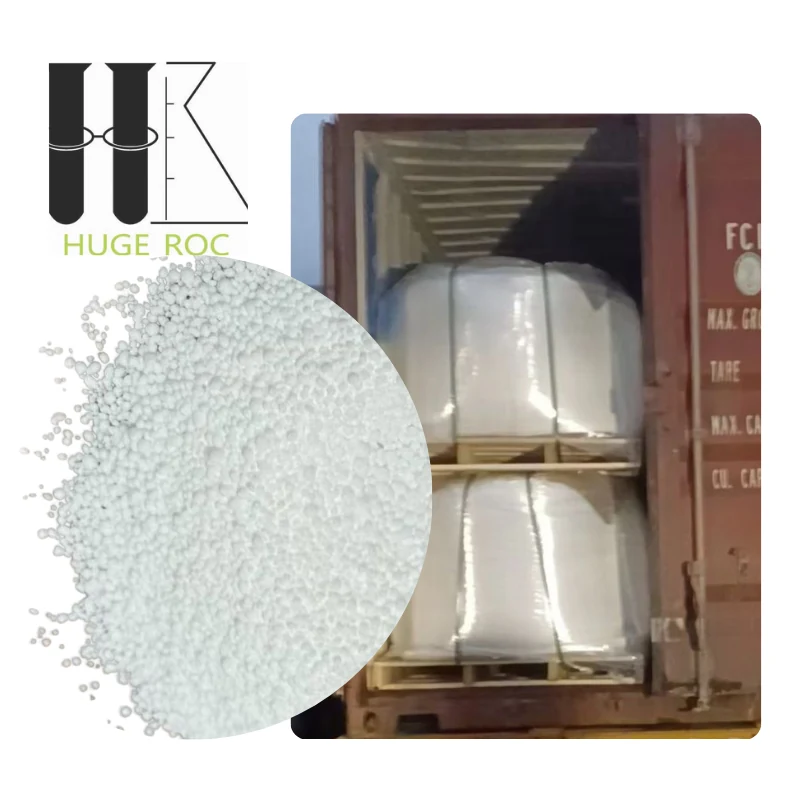
Dual specification, GB 25588-2010 and FCC VII, so one material serves Chinese and FCC-referencing markets
View details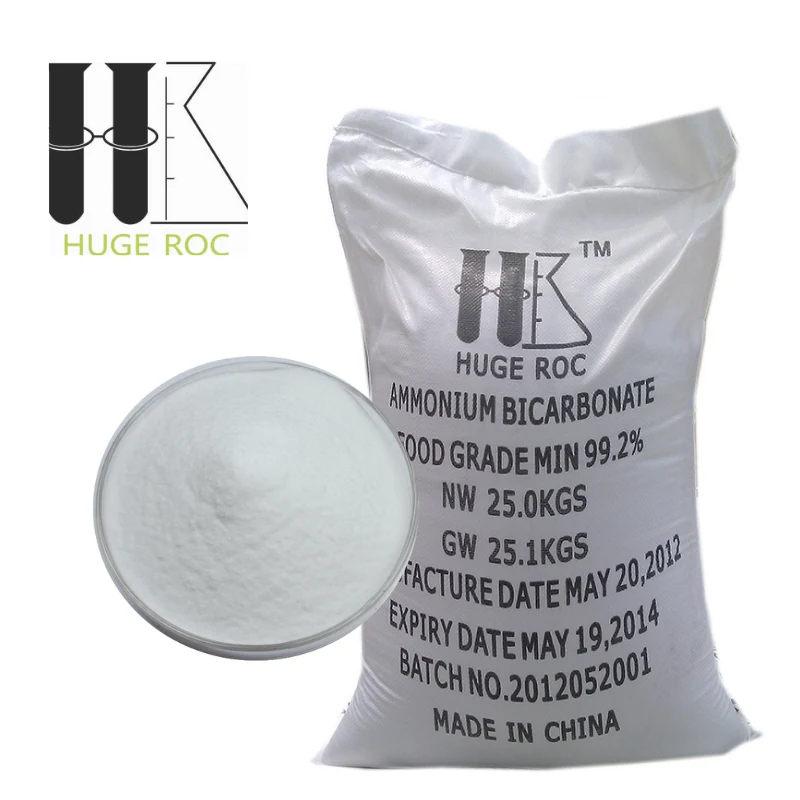
Strong expansion effect, which is why puffed food and puffs rely on it
View details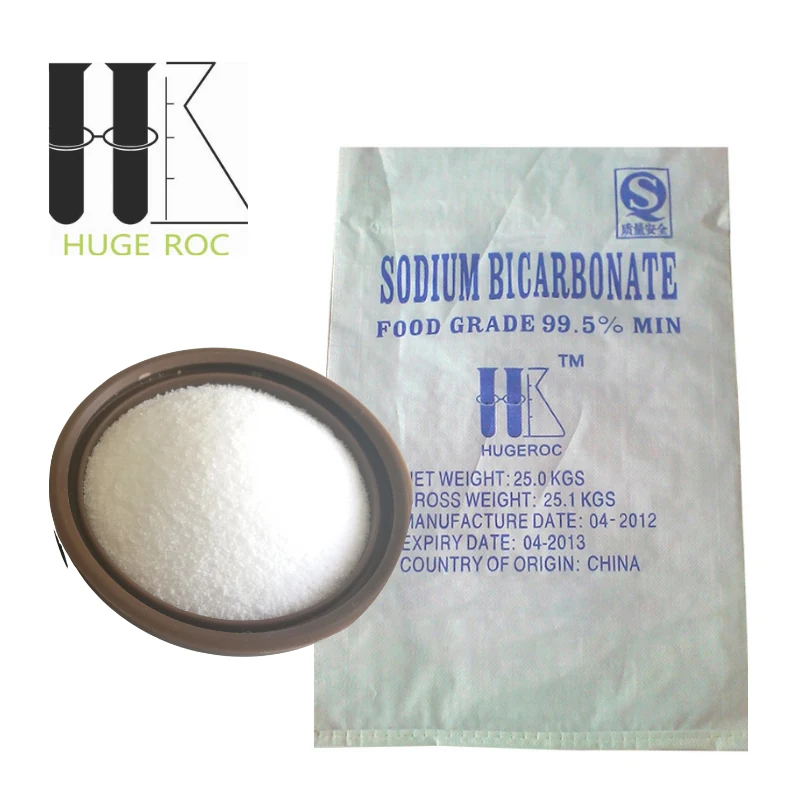
Assay 99.0-100.5% against quality standard GB 1886.2-2015
View details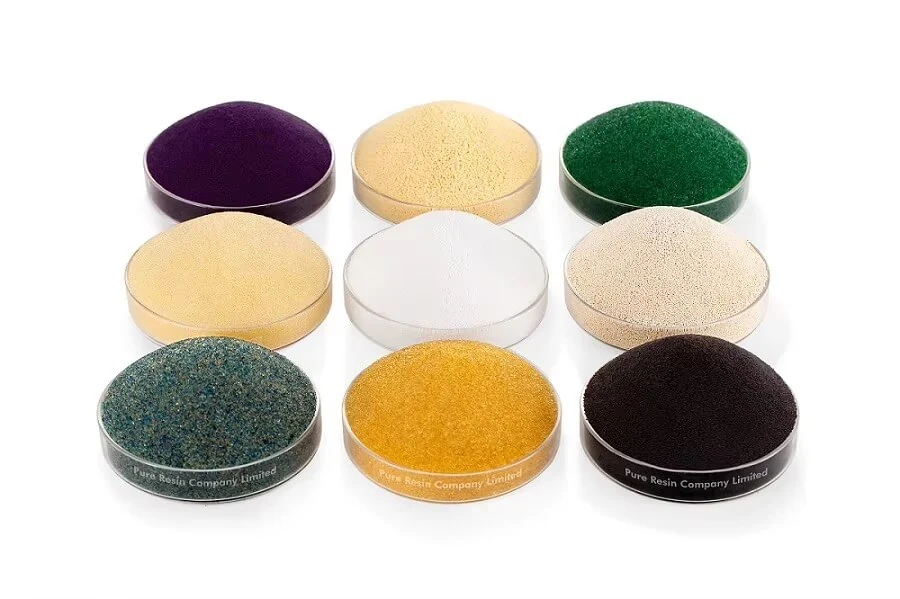
Total exchange capacity 1.9 eq/L min, which sets the throughput a column can deliver between regenerations
View details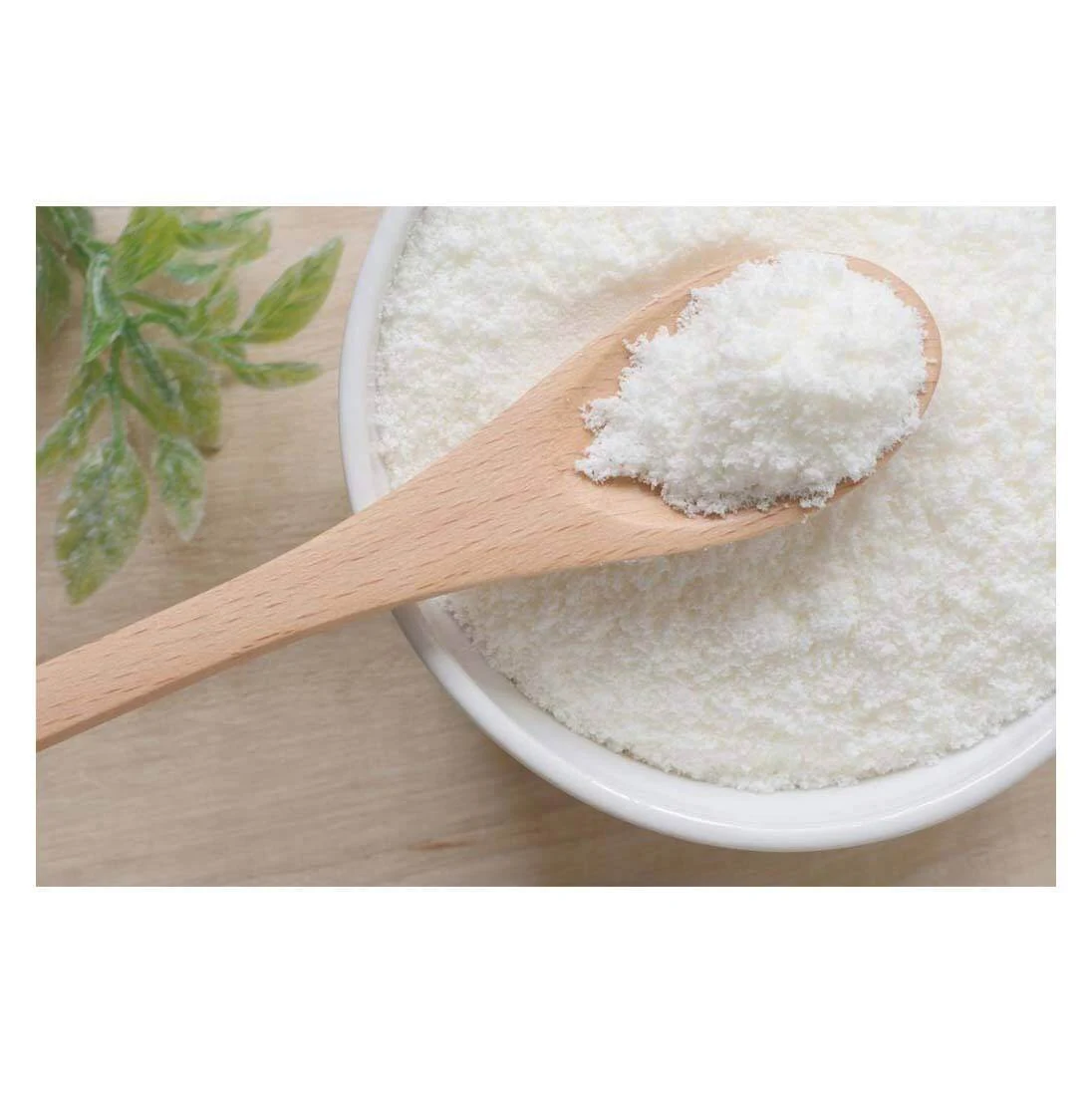
Na2S2O5 content 97.0% min with SO2 65.0% min, so the active sulphite dose is known
View details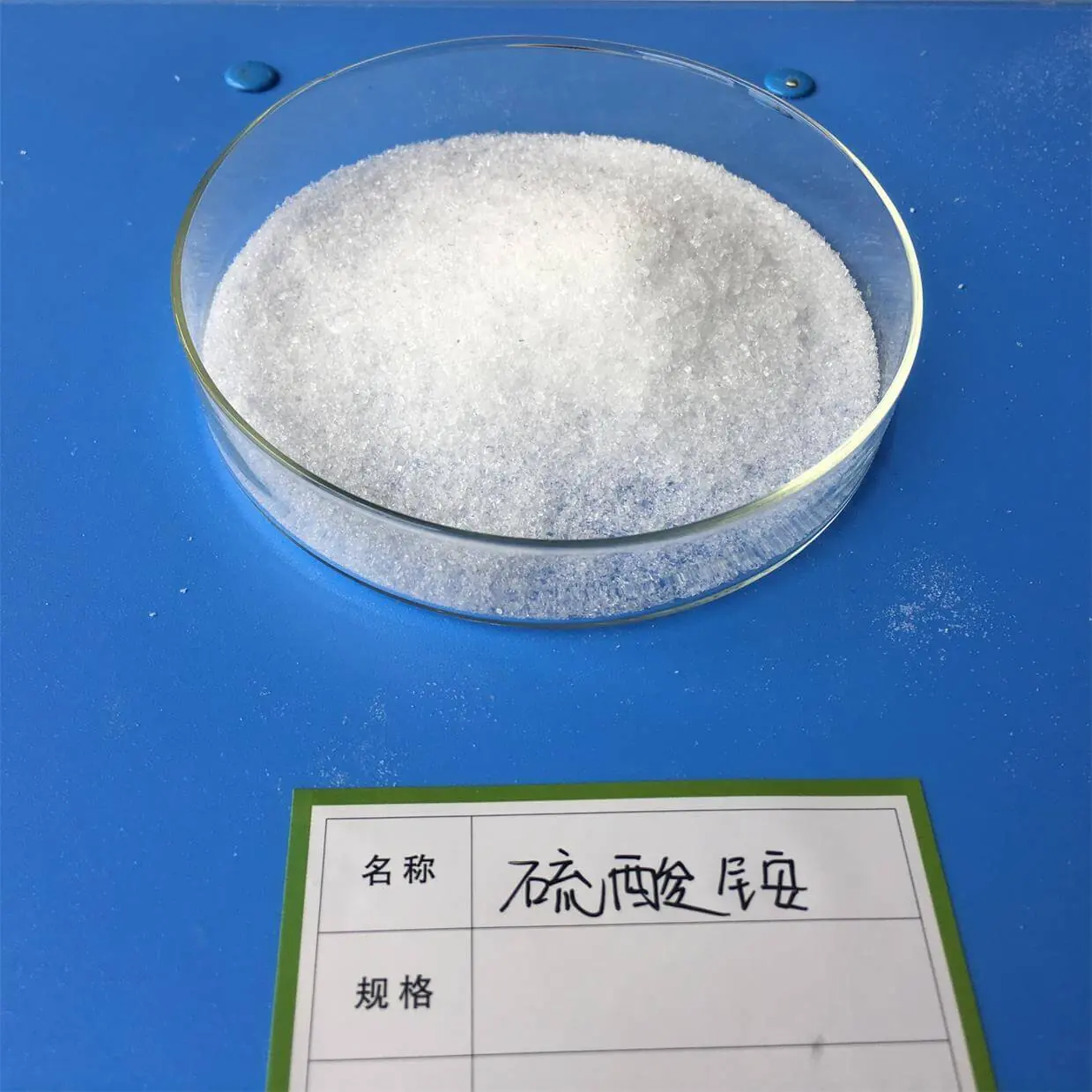
Assay 99.0% min with a reported result of 99.41%
View details2 products
Food acids covering sharp immediate sourness, rounded lasting sourness and encapsulated slow release for dry blends.
2 products
Emulsifying and texture ingredients for chocolate viscosity, dough handling, instant rehydration and clean-label emulsion stability.
4 products
Carrier solvents, alkalis, intermediates and esters used across pharmaceutical, coatings, resin, detergent and flavour manufacturing.
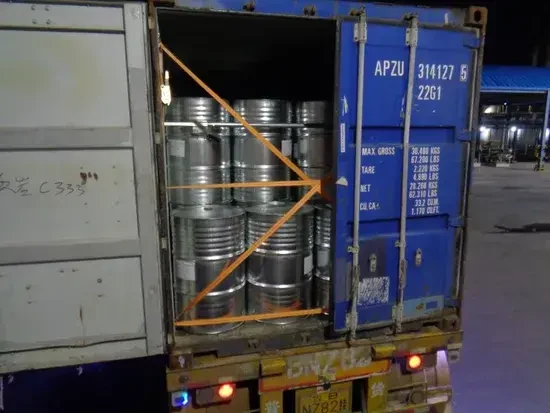
Water-white and hydrophilic, so it carries both aqueous and many organic actives in one phase
View details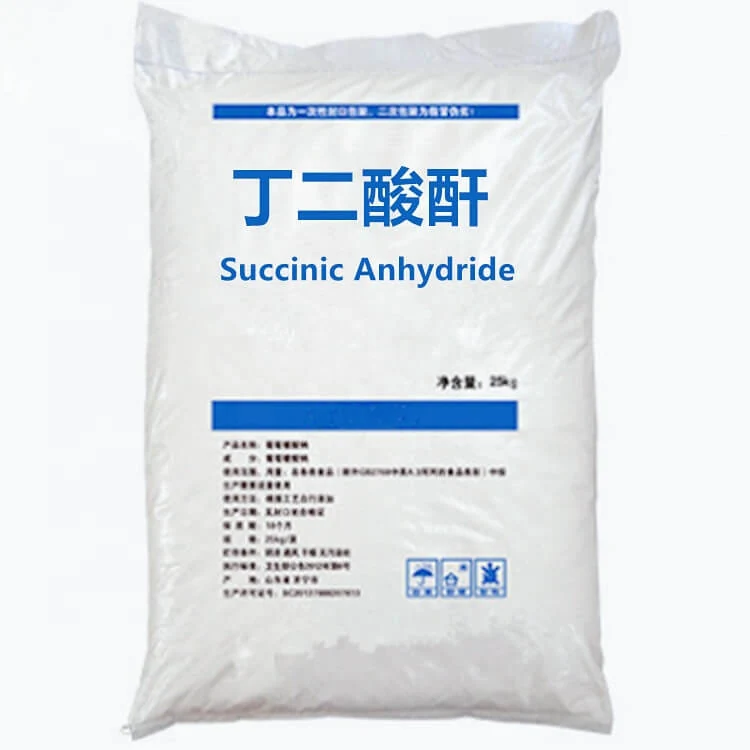
Two grades from one supplier, so the colour specification is matched to the end product instead of over-bought
View details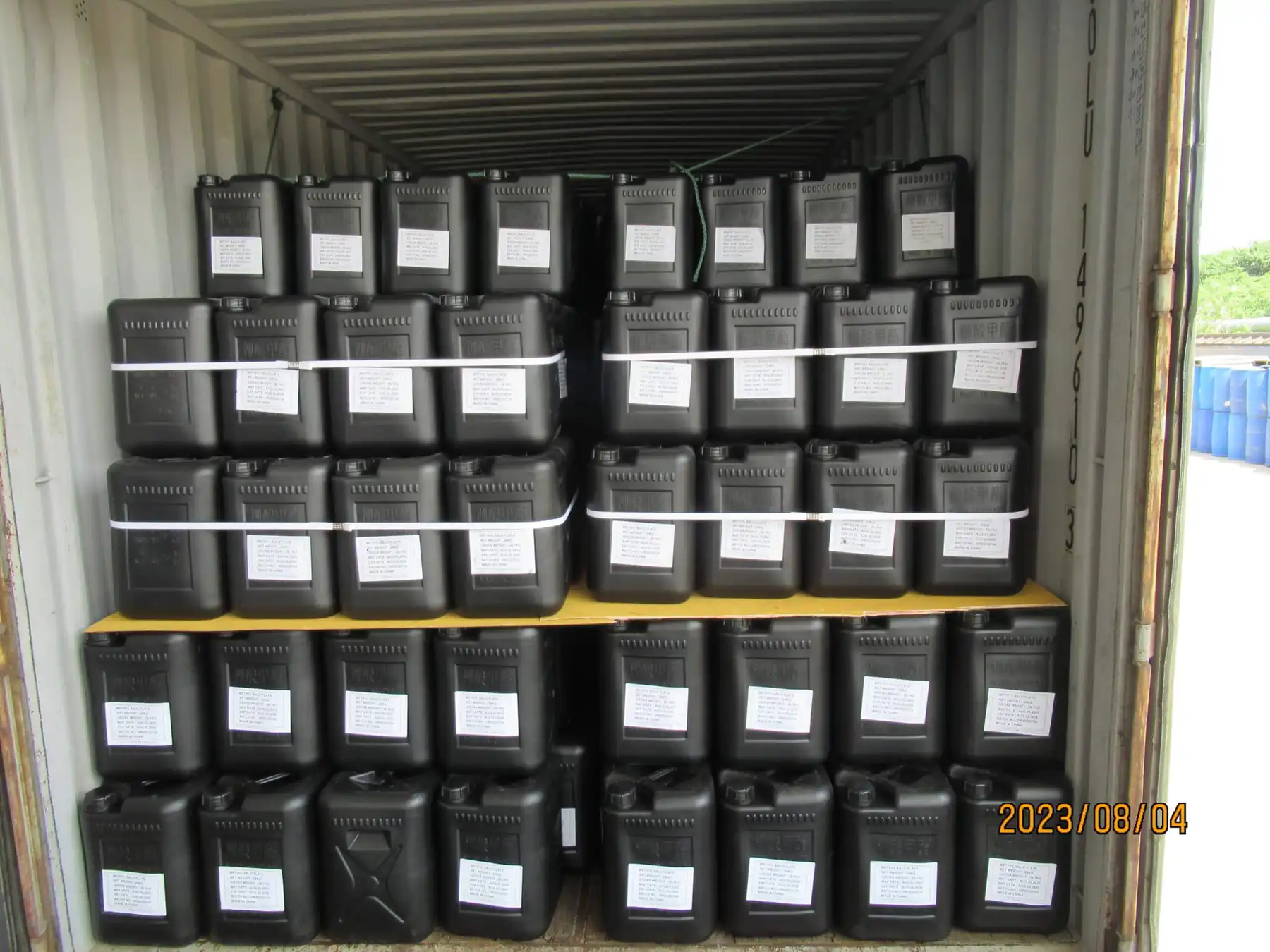
Assay 99.0-100.5% with a typical result of 99.75%
View details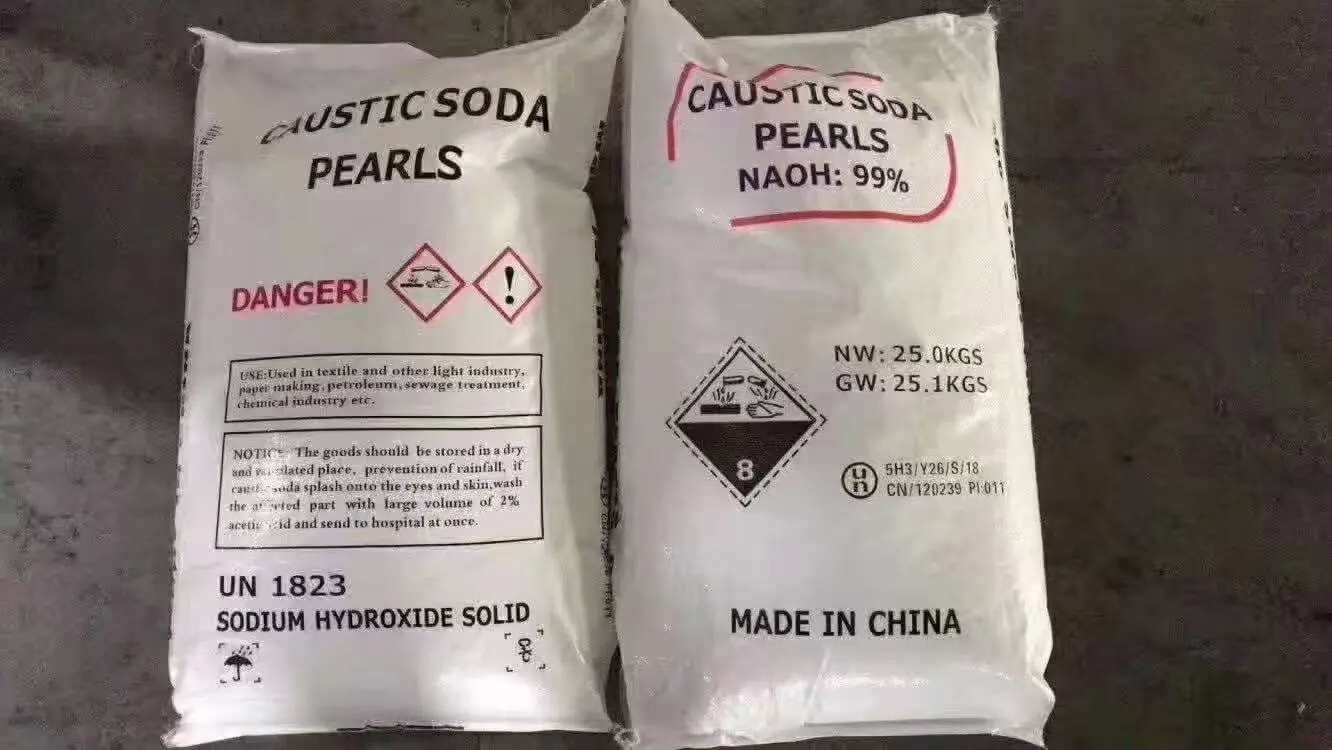
98-99% purity across both industrial and food grades
View details