 Request A Quote
Request A Quote
Request A Quote
Animal Healthcare
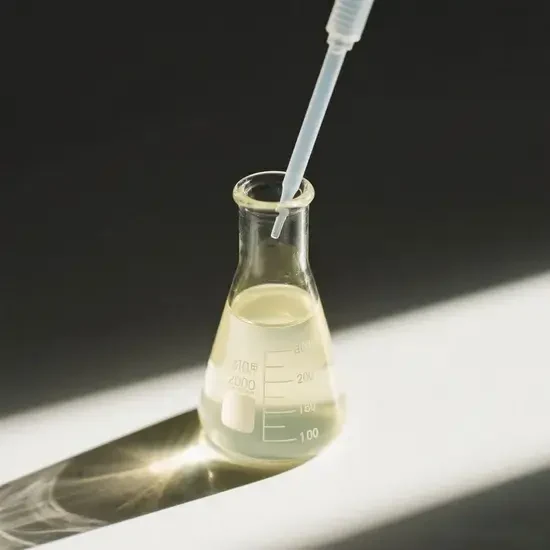
Monobutyrin is a stable antimicrobial glyceride at 90% min purity, a colourless to pale yellow oily liquid. It releases short-chain fatty acids, principally butyric acid, to promote gut functionality and improve growth performance and feed conversion. As a monoglyceride it acts earlier and faster than tributyrin, which makes it the option of choice where the problem is diarrhoea incidence in the upper tract rather than hindgut condition.
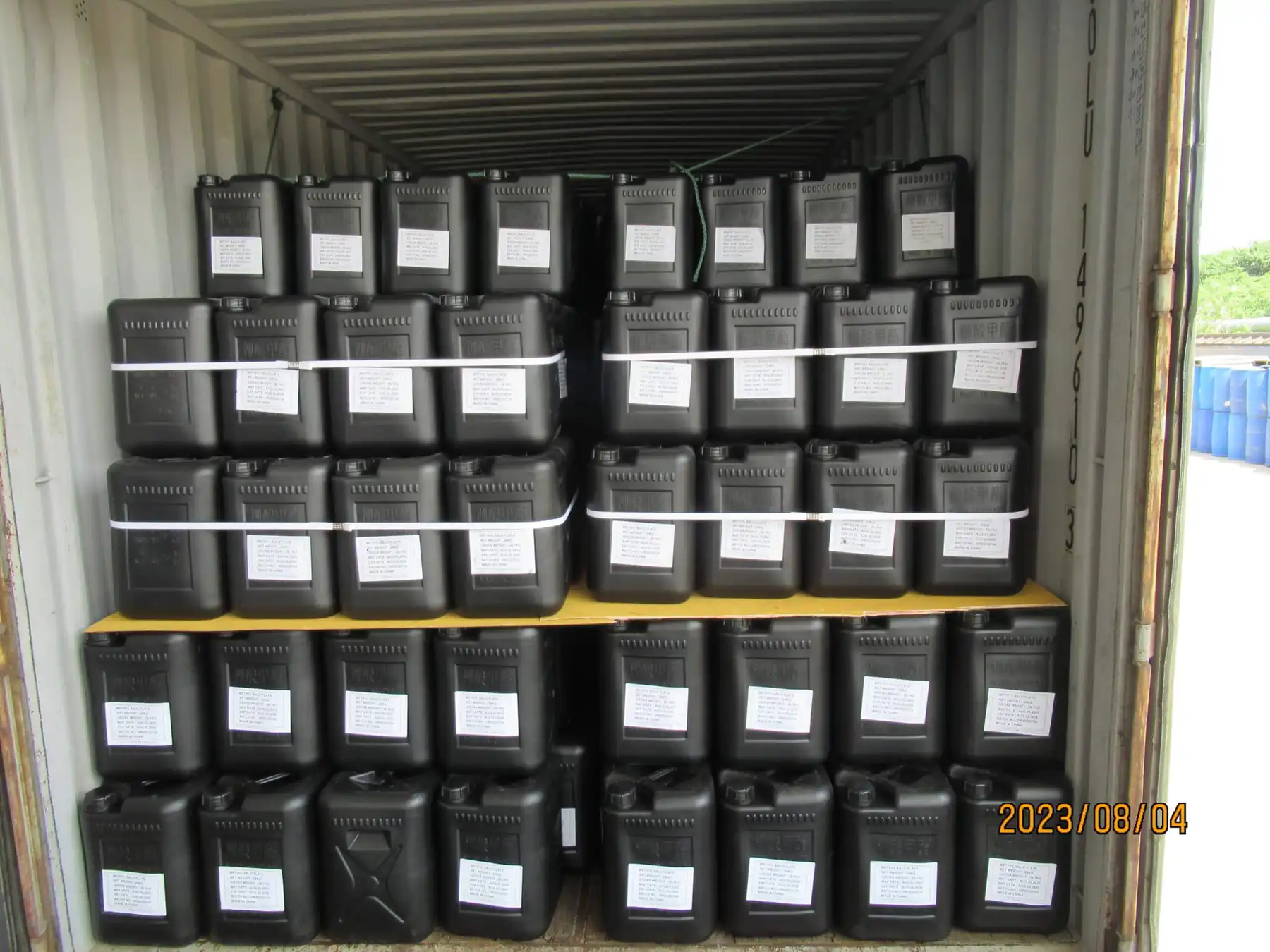
Send the quantity and destination port and you get the grade recommendation, the analytical specification, the packing format and the container loading in one reply.
| Purity | 90% min |
|---|---|
| Appearance | Colourless to pale yellow oily liquid |
| Usage | Adjusted by animal species and specific need |
Monobutyrin and tributyrin do the same job at different points in the gut. Monobutyrin, a monoglyceride, acts earlier and faster and targets diarrhoea incidence; tributyrin, a triglyceride, releases more slowly and reaches further down. Sodium butyrate is the dry-powder alternative where no liquid dosing line exists.
FAQ
90% min, a colourless to pale yellow oily liquid.
It releases short-chain fatty acids such as butyric acid, which promotes gut functionality and improves growth performance and feed conversion.
Monobutyrin is a monoglyceride that acts earlier and faster; tributyrin is a triglyceride giving slower, more sustained release further down the gut.
Poultry and livestock farming, where it improves growth rate and immunity and reduces the incidence of diarrhoea.
Yes, TDS, MSDS and a sample COA are available for monobutyrin in the document centre.
It is adjusted by animal species and specific need. Send the species and stage and a recommendation is given.
Related
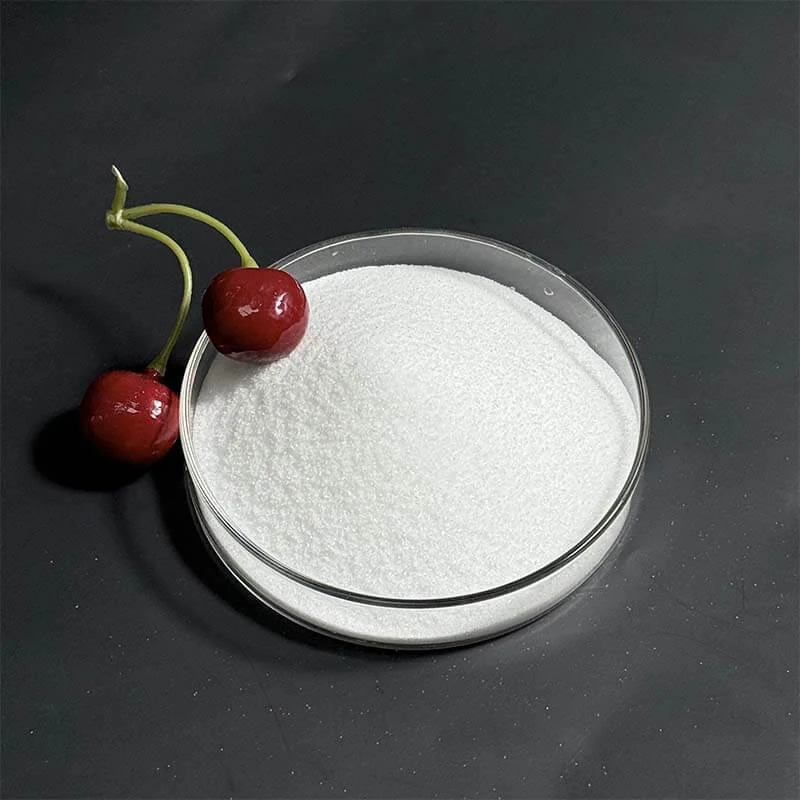
Higher purity and better stability than betaine hydrochloride
View details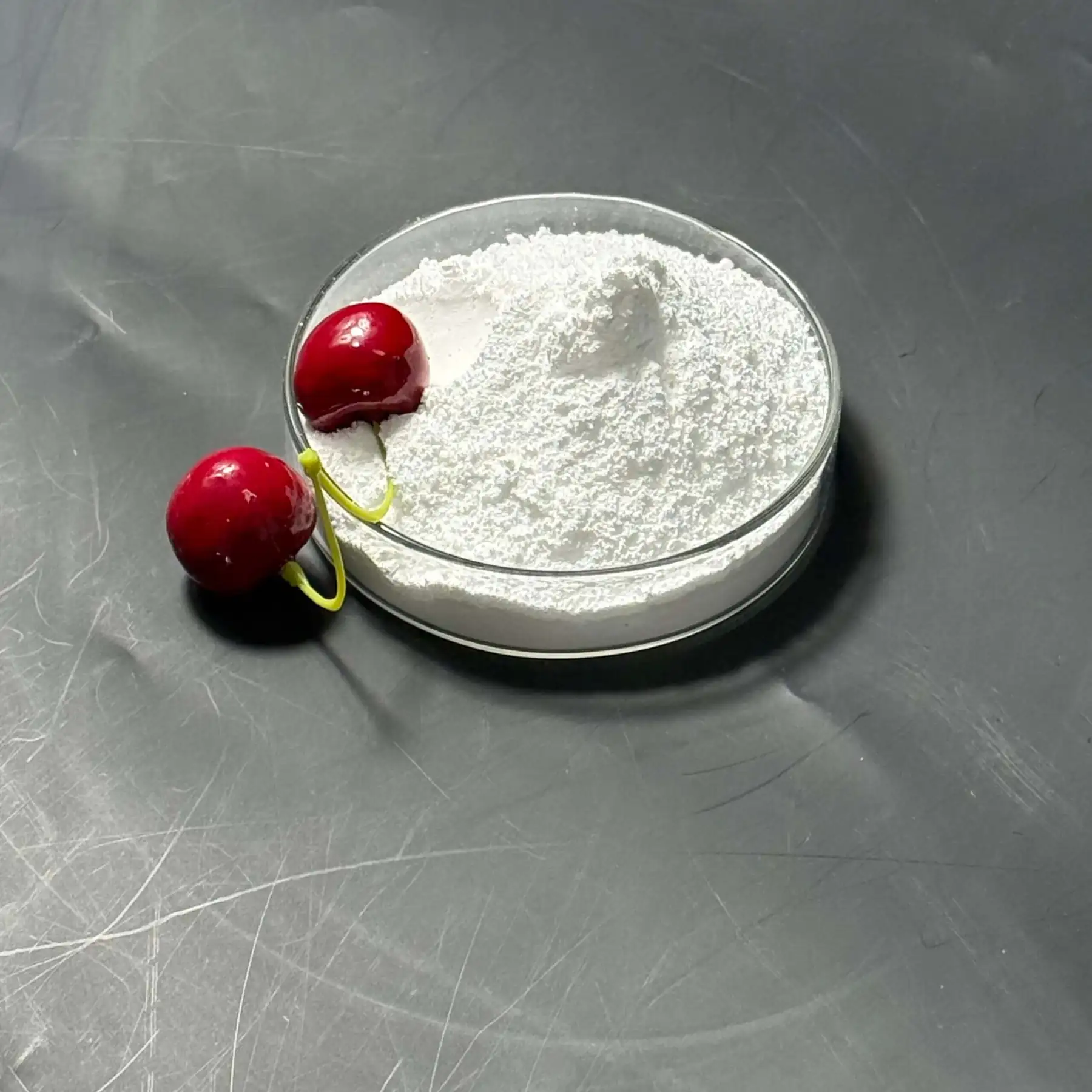
Purity 99.8% min, so the magnesium contribution per kilo is predictable in a ration calculation
View detailsStable and sustained release of butyric acid rather than an immediate foregut release
View details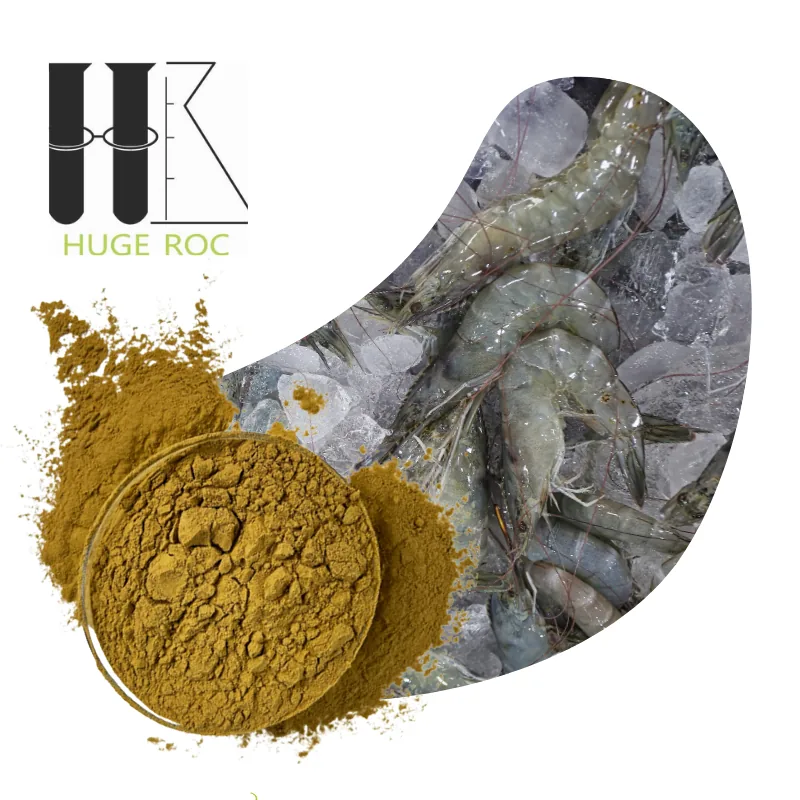
High quality complete bacterial protein, notably rich in lysine, the amino acid cereal protein lacks
View details