 Request A Quote
Request A Quote
Request A Quote
Acidity Regulators
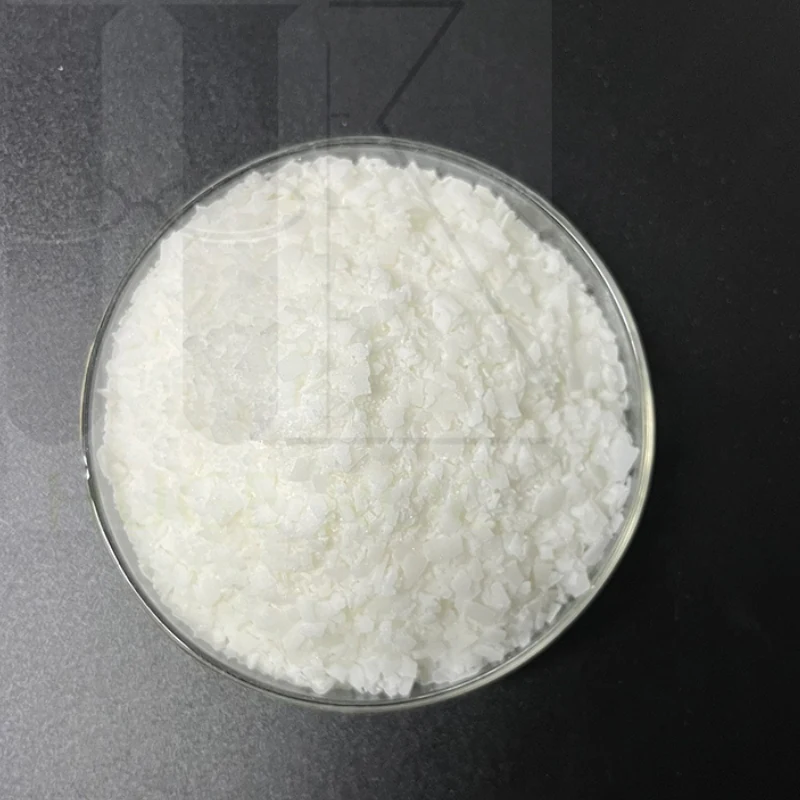
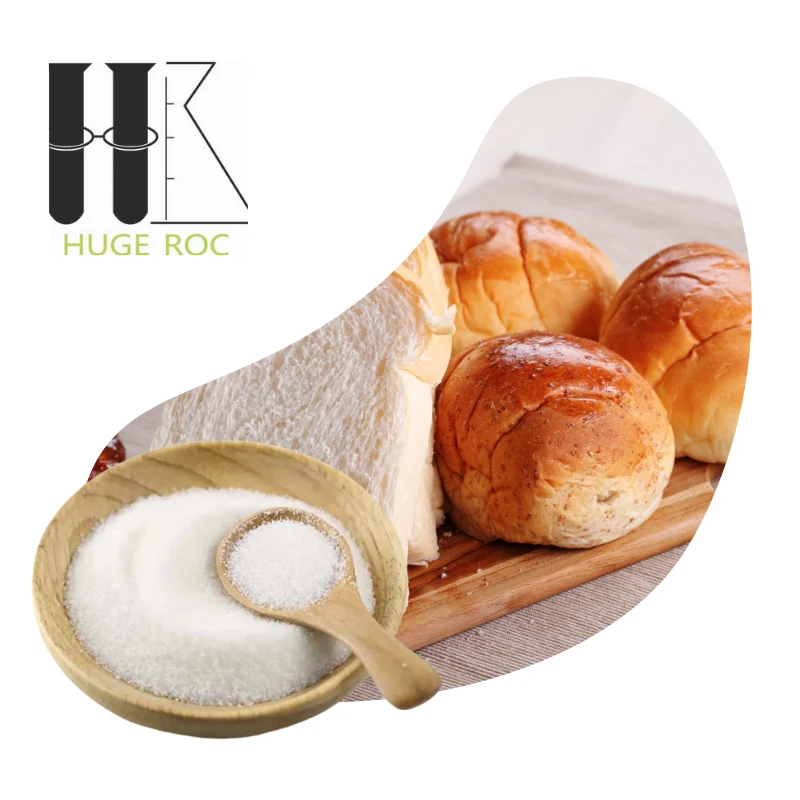
Tartaric acid is a white crystalline organic acid occurring naturally in many plants, most notably grapes, where its salt potassium bitartrate forms during winemaking as cream of tartar. Mixed with sodium bicarbonate it becomes baking powder; on its own it is added to food as an antioxidant and for its distinctive sour taste. This food grade is supplied at 99% purity with 95% passing 80 mesh, and the specification covers physical, chemical and microbiological control together.
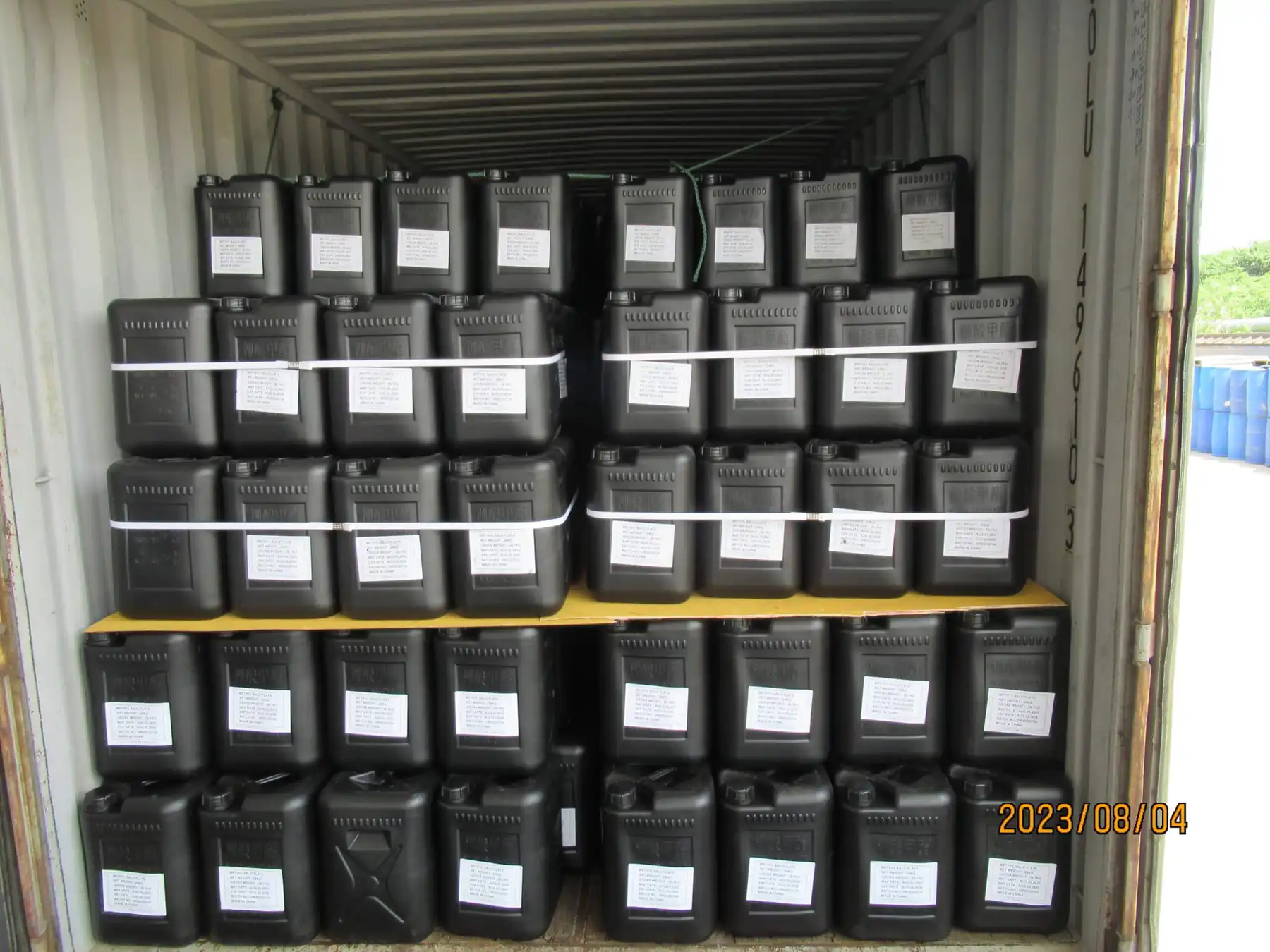
Send the quantity and destination port and you get the grade recommendation, the analytical specification, the packing format and the container loading in one reply.
| Appearance | White powder |
|---|---|
| Purity | 99% |
| Loss on drying | 5.0% max |
| Ash | 5.0% max |
| Particle size | 95% pass 80 mesh |
| Allergens | None |
| Heavy metals | NMT 10 ppm |
| Arsenic | NMT 2 ppm |
| Lead | NMT 2 ppm |
| Cadmium | NMT 2 ppm |
| Mercury | NMT 2 ppm |
| Total plate count | 10,000 cfu/g max |
| Yeast and mould | 1,000 cfu/g max |
| E. coli | Negative |
| Salmonella | Negative |
Malic acid gives a smoother, longer-lasting sourness and is the one to choose for a rounded acid profile. Tartaric acid gives a sharper, more immediate sour note and is the traditional partner for sodium bicarbonate in baking powder, as well as the acid associated with grape and wine products.
FAQ
99% purity food grade, a white powder with 95% passing 80 mesh.
Heavy metals not more than 10 ppm, with arsenic, lead, cadmium and mercury each not more than 2 ppm.
Total plate count 10,000 cfu/g max, yeast and mould 1,000 cfu/g max, with E. coli and Salmonella negative.
Allergens are declared as none in the specification.
It is commonly mixed with sodium bicarbonate and sold as baking powder, used as a leavening agent.
Tartaric acid gives a sharper and more immediate sour note; malic acid gives a smoother, longer-lasting sourness.
Related
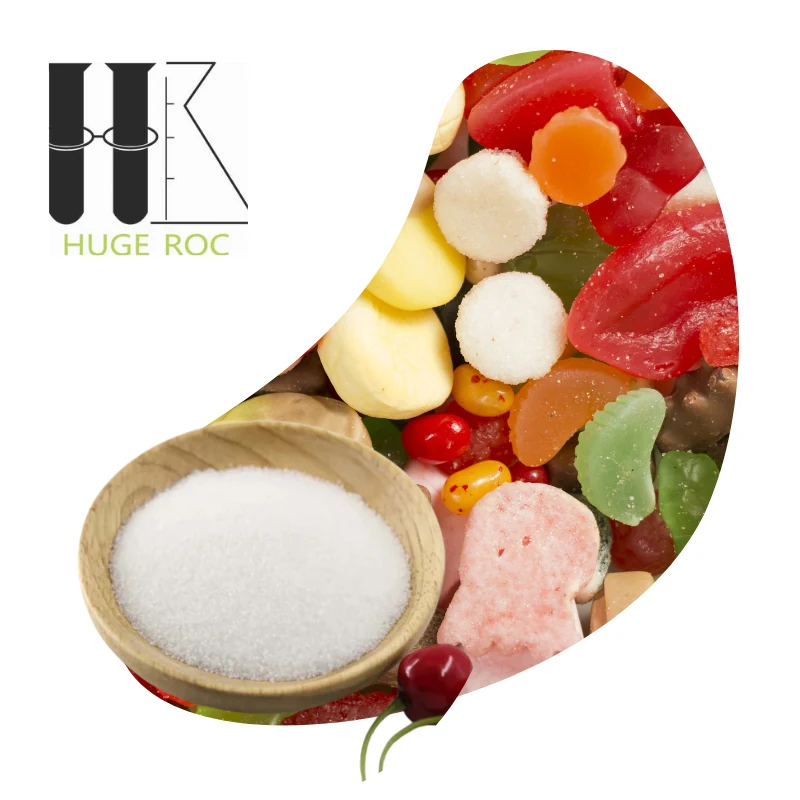
Encapsulated in edible hydrogenated oil for slow release and a lasting soft sourness
View details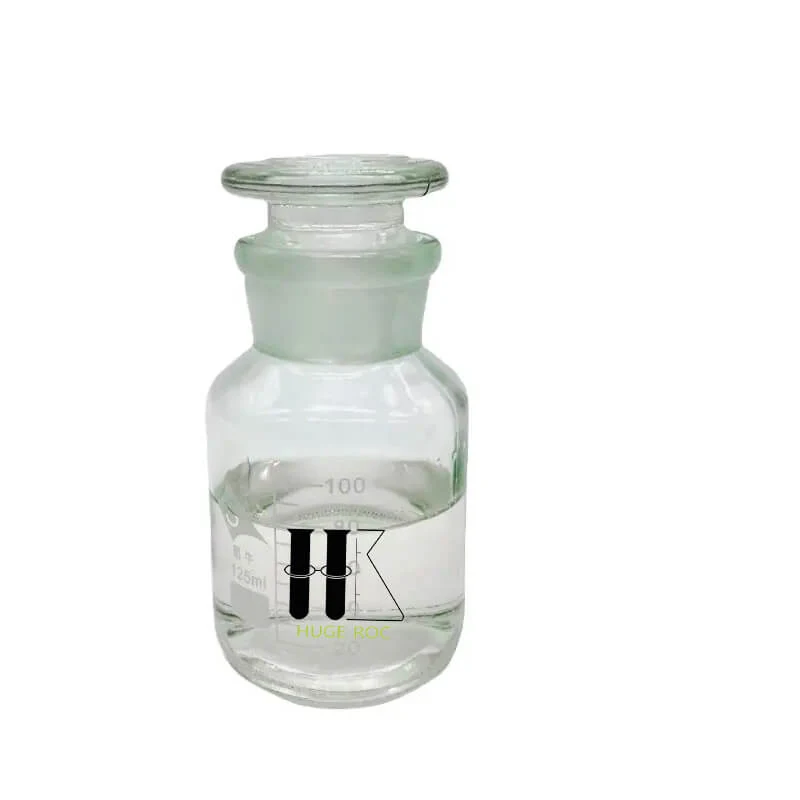
Assay not less than 85.0% H3PO4 held to a food-grade specification, not a technical-grade range
View details
Precise concentration control, so batch-to-batch acidity does not drift
View details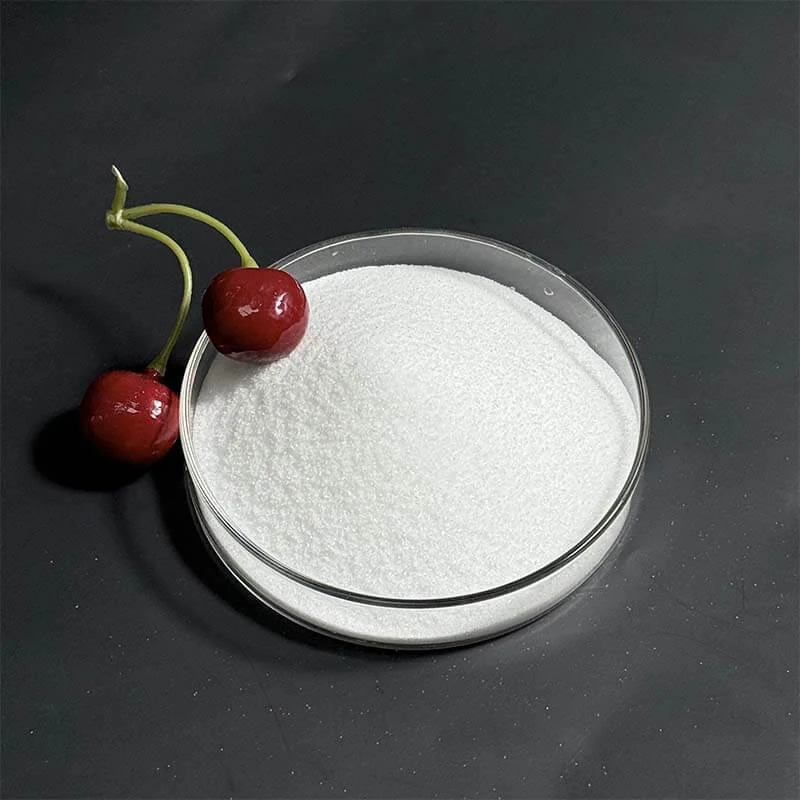
Higher purity and better stability than betaine hydrochloride
View details