 Request A Quote
Request A Quote
Request A Quote
Sweeteners
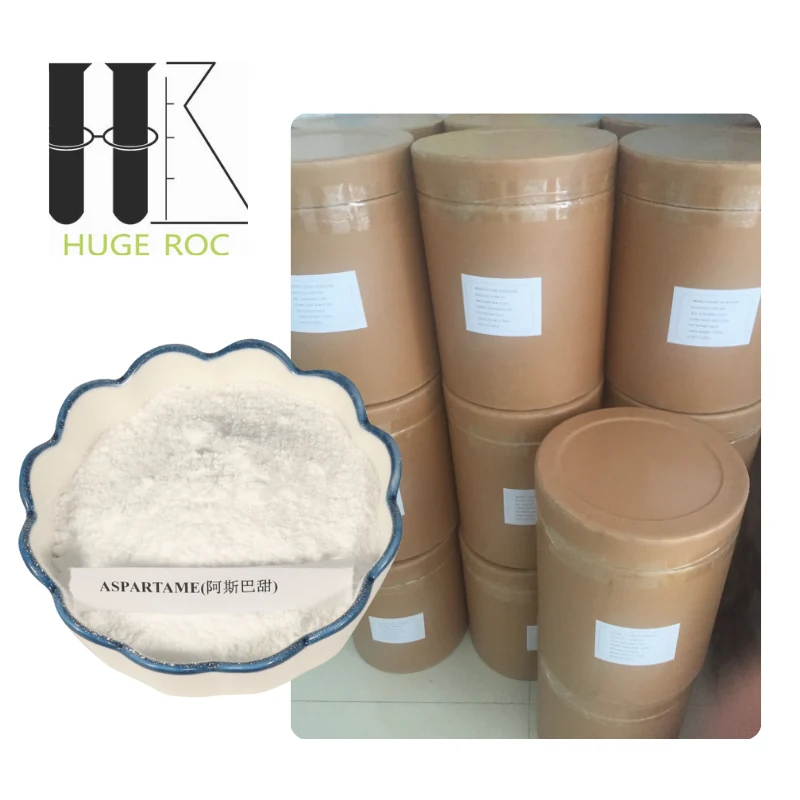
Aspartame is a non-carbohydrate artificial sweetener, 200 times as sweet as sucrose, with almost no calories or carbohydrates and a clean taste close to sugar with no peculiar aftertaste. It was approved by the FDA in 1981 for dry food and in 1983 for soft drinks, and is now approved in more than 100 countries. The grade supplied here is a white odourless crystalline powder or granular material assaying 98-102%, with the diketopiperazine impurity held at 1.5% max.
Send the quantity and destination port and you get the grade recommendation, the analytical specification, the packing format and the container loading in one reply.
| Appearance | White powder or crystalline |
|---|---|
| Assay | 98 - 102% |
| Specific rotation [a]20D | +14.5 to +16.5 |
| Transmittance | 95% min |
| Loss on drying, 105 deg C 4 hr | 4.5% max |
| Residue on ignition, sulfated | 0.2% max |
| pH | 4.5 - 6.0 |
| Arsenic as As | 3 ppm max |
| Heavy metals as Pb | 10 ppm max |
| Other related substance | 2.0% max |
| Diketopiperazine | 1.5% max |
Against sucrose, aspartame delivers the same sweetness at 1/200th of the dosage with almost no calories, but it is not heat stable in the way sugar is and it carries an acidic optimum around pH 4.5-6.0. It suits beverages and cold applications; where long high-temperature baking is involved, a heat-stable sweetener is the better fit.
FAQ
200 times the sweetness of sucrose, with a taste the same as sucrose, fresh with no peculiar taste.
98 to 102%, with transmittance 95% min and specific rotation +14.5 to +16.5.
It was approved by the FDA in 1981 for dry food and 1983 for soft drinks, and has since been approved for use in more than 100 countries and regions.
1.5% max, with other related substances 2.0% max.
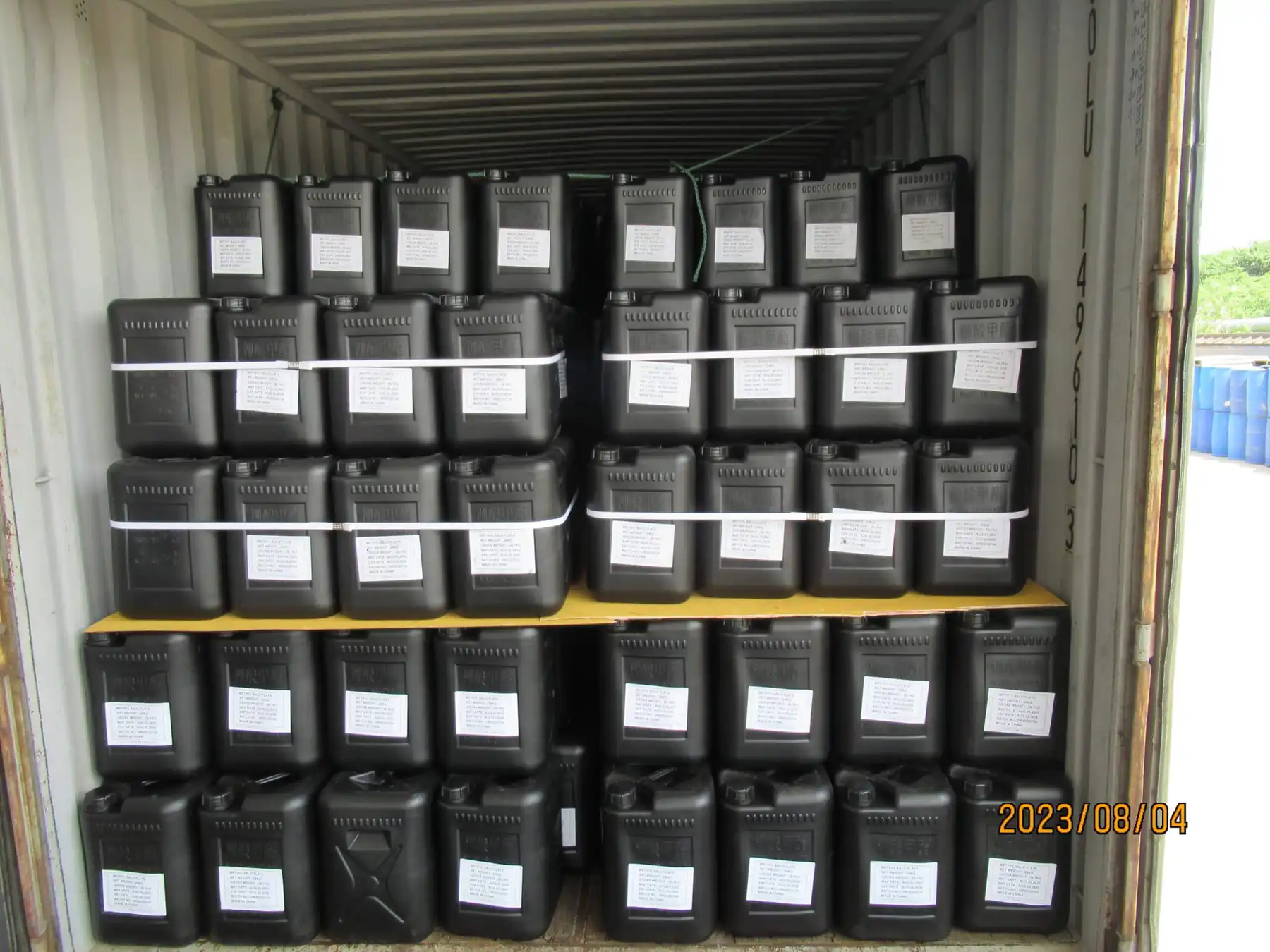
25 kg net weight carton boxes or fibre drums with an inner liner. Custom packaging is available and transportation is classified non-hazardous.
Under dry and cool conditions with the product kept air-tight.
Arsenic 3 ppm max and heavy metals as Pb 10 ppm max.
Related
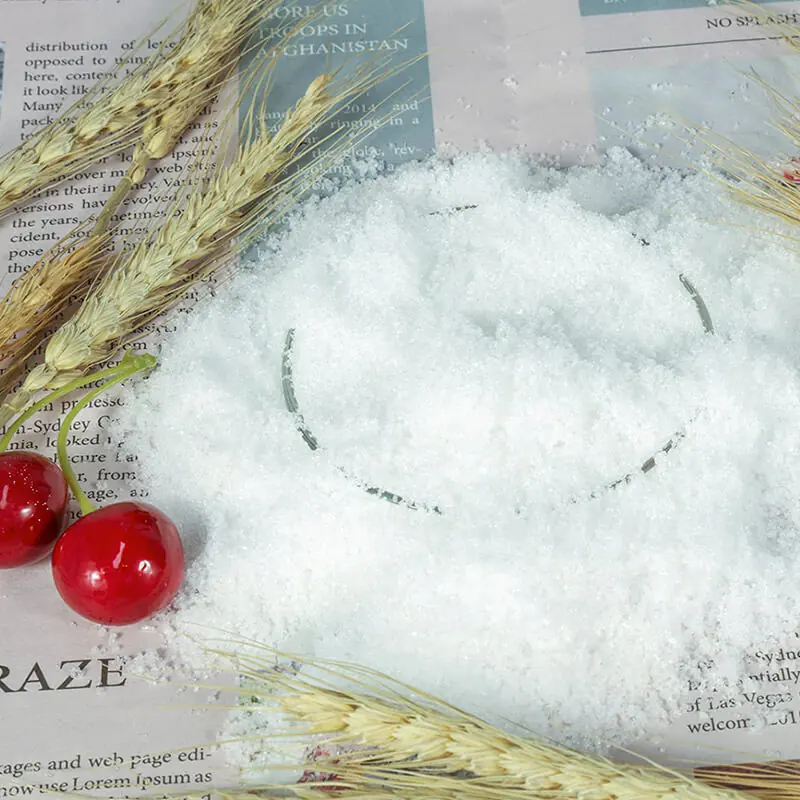
No water of crystallisation, so the dry-solids basis is fixed and no moisture correction is needed
View details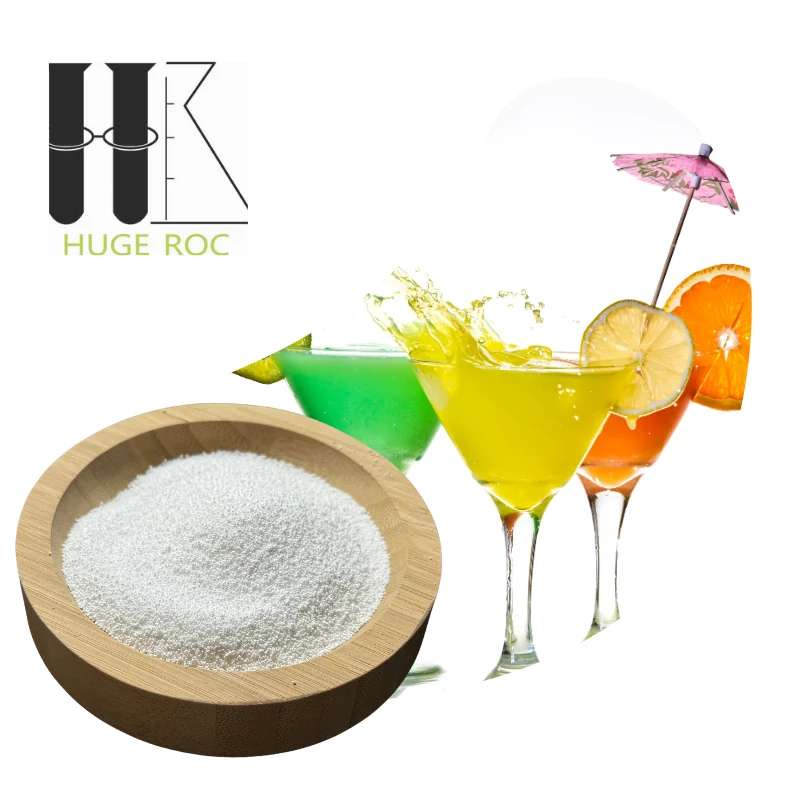
Cool sweet taste at roughly half the sweetness of sucrose, useful where sucrose is too sweet
View details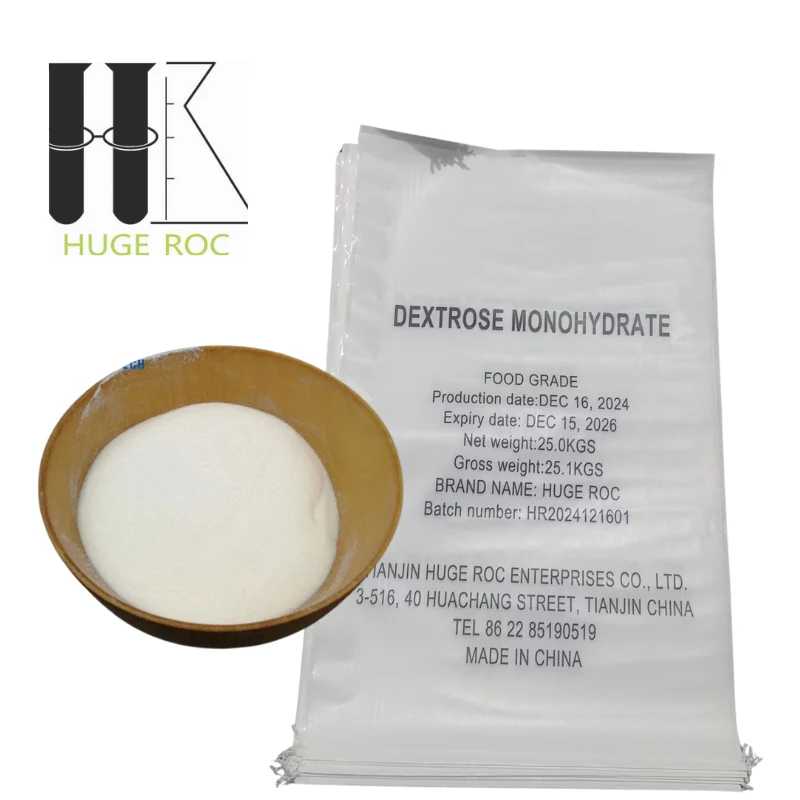
Assay 99.5% min with a full microbiological specification, not only a chemical one
View details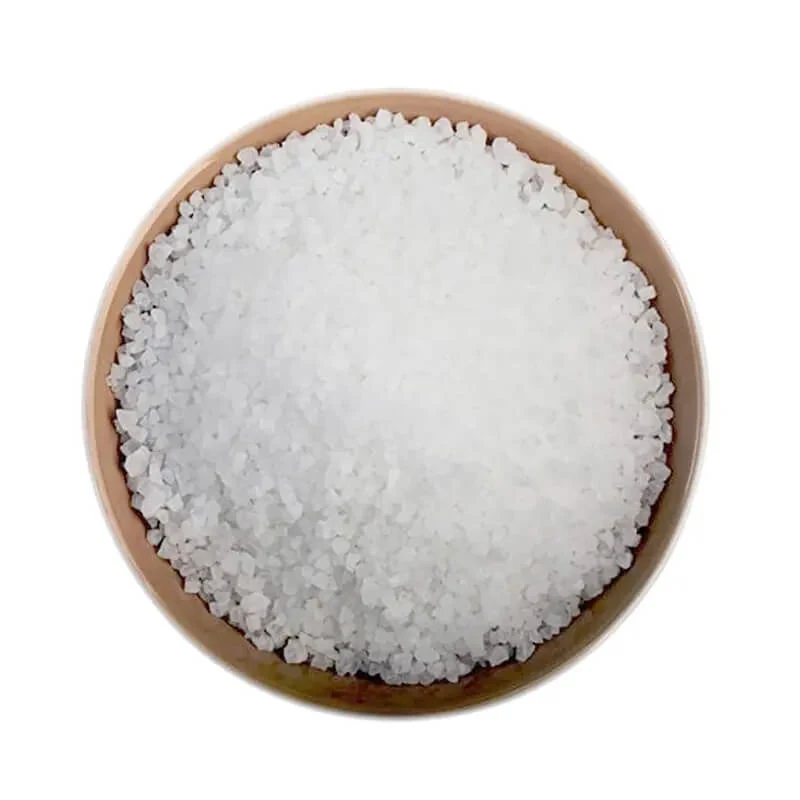
Assay 99.0-101.0% with identification by infrared absorption spectrophotometry
View details