 Request A Quote
Request A Quote
Request A Quote
Inorganic Salts
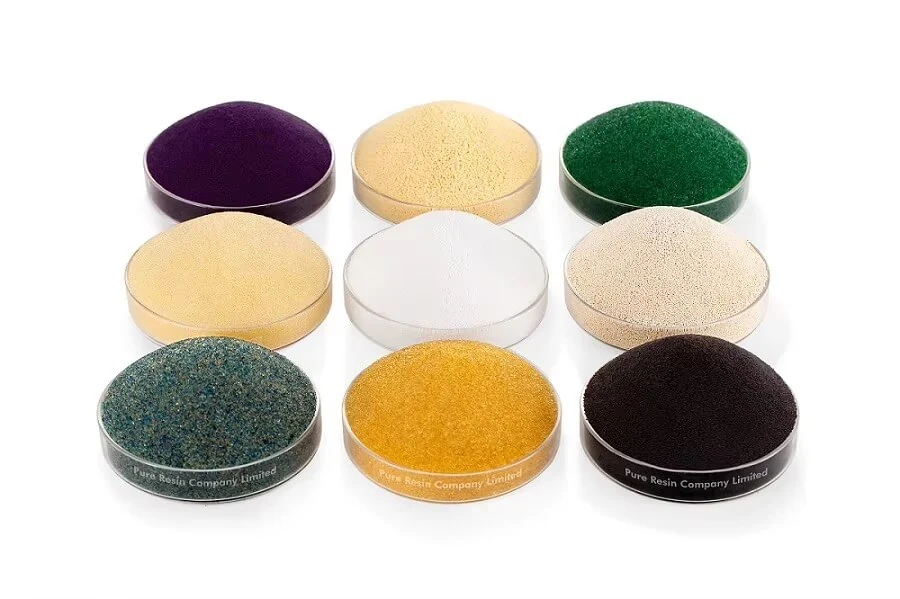
Strong acid cation exchange resin is a gel-type ion exchange resin with the sulfonic acid group as its functional group, prepared by sulphonation of styrene and divinylbenzene with sulfuric acid. It exchanges its own active positive ions for the positively charged ions in water, removing them by substitution. The resin is supplied in the Na+ ionic form as spherical beads with total exchange capacity of 1.9 eq/L min and a temperature limit of 100 deg C.
Send the quantity and destination port and you get the grade recommendation, the analytical specification, the packing format and the container loading in one reply.
| Appearance | Spherical beads |
|---|---|
| Moisture content | 45 - 50% |
| Total exchange capacity | 1.9 eq/L min |
| Particle size range | 0.315 - 1.25 mm, 95% min |
| Uniformity coefficient | 1.6 max |
| Reversible swelling Na+ to H+ | 10% max |
| Shipping weight | 0.77 - 0.85 g/ml |
| Temperature limit | 100 deg C |
A macroporous resin tolerates fouling and osmotic shock better; this gel type gives higher exchange capacity per litre of bed for the same vessel. Choose the gel resin where the feed water is reasonably clean and capacity per litre is what limits the service run.
FAQ
1.9 eq/L min.
The Na+ form, as gel strong acid cation exchange resin with sulfonic acid functional groups.
0.315 to 1.25 mm with 95% min in range and a uniformity coefficient of 1.6 max.
Reversible swelling from Na+ to H+ is 10% max, which must be allowed for in the column freeboard.
The temperature limit is 100 deg C.
It exchanges its own positively charged active ions with the positively charged ions in the water by a substitution reaction, removing them from the stream.
Related
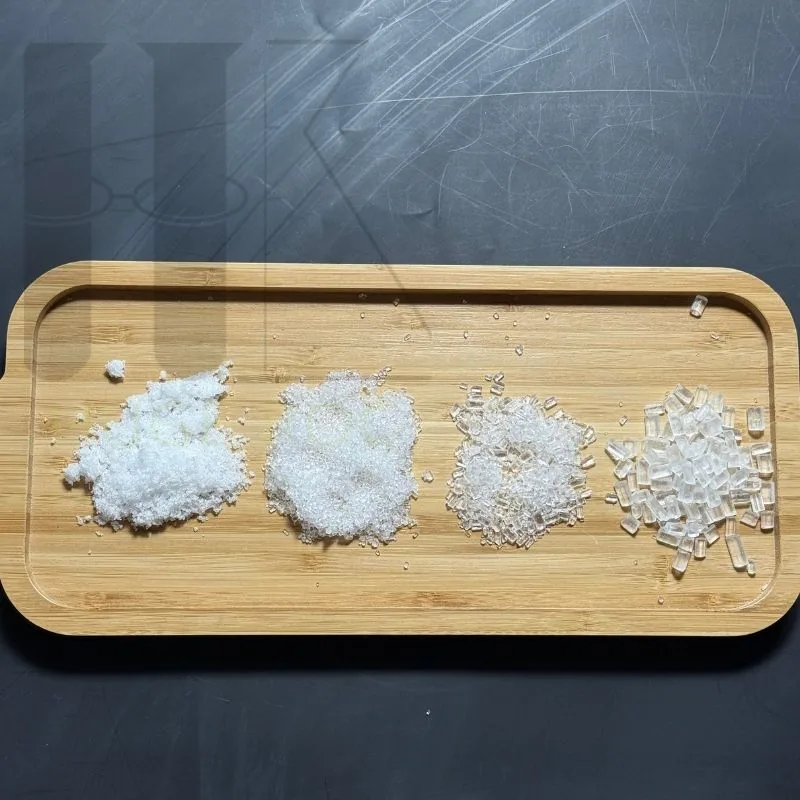
Strong reducibility for dechlorination and reduction duty
View details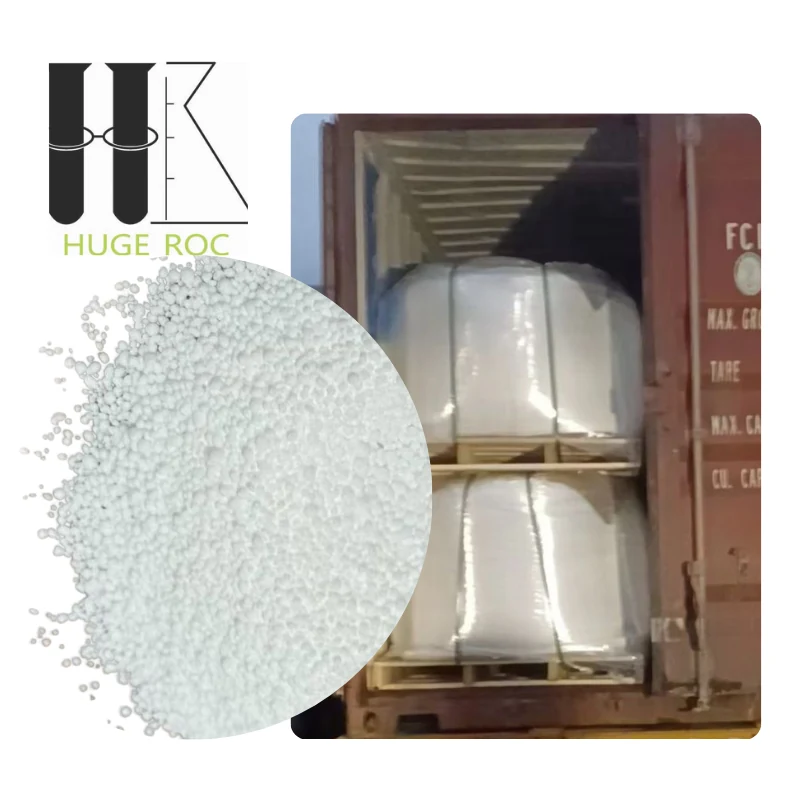
Dual specification, GB 25588-2010 and FCC VII, so one material serves Chinese and FCC-referencing markets
View details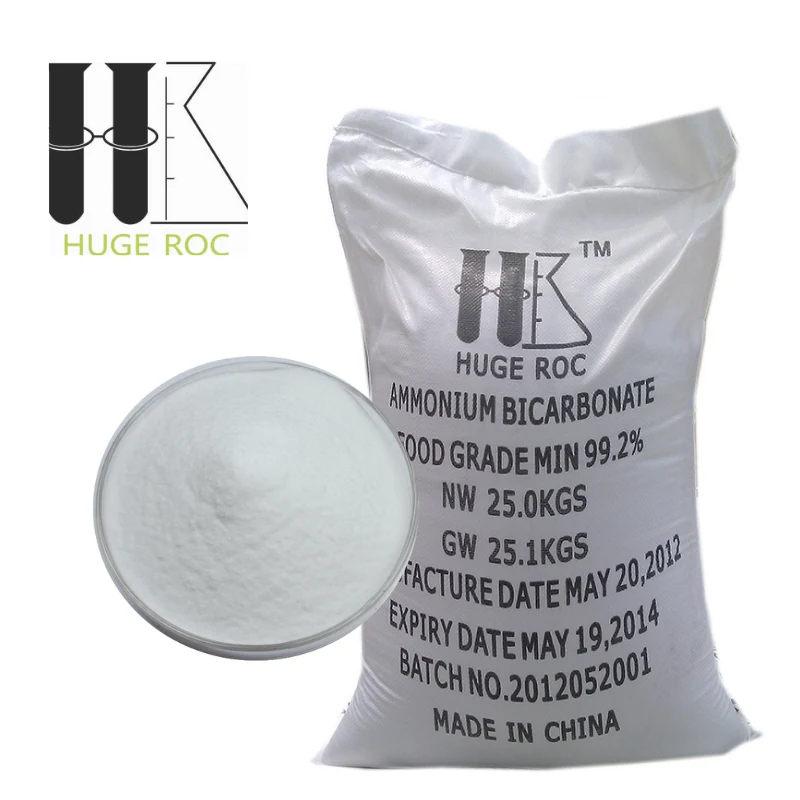
Strong expansion effect, which is why puffed food and puffs rely on it
View details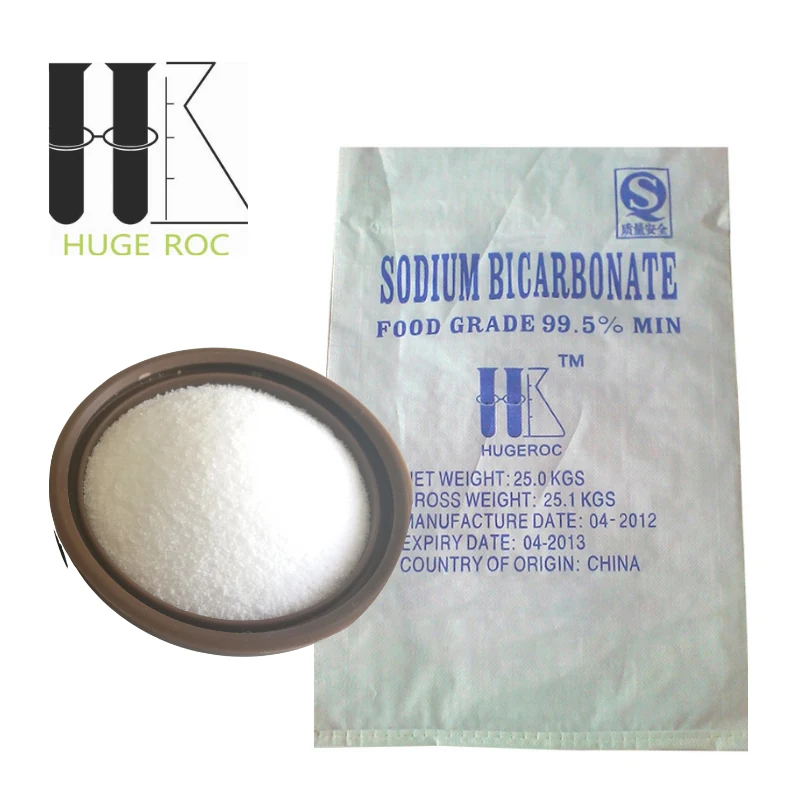
Assay 99.0-100.5% against quality standard GB 1886.2-2015
View details