+86 136-0203-0663 [email protected]

Animal Healthcare

Betaine Hydrochloride

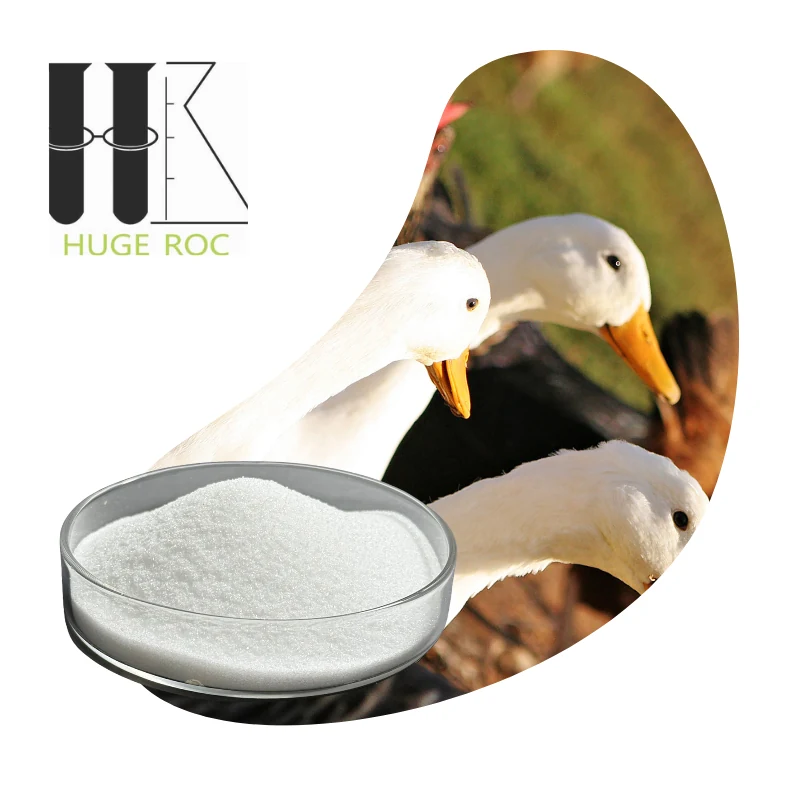
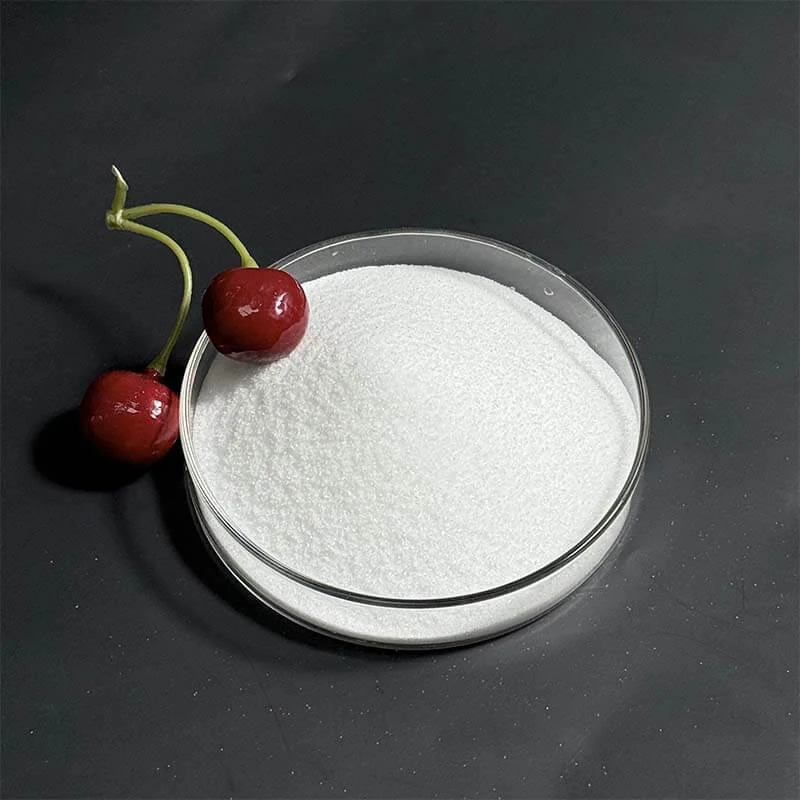
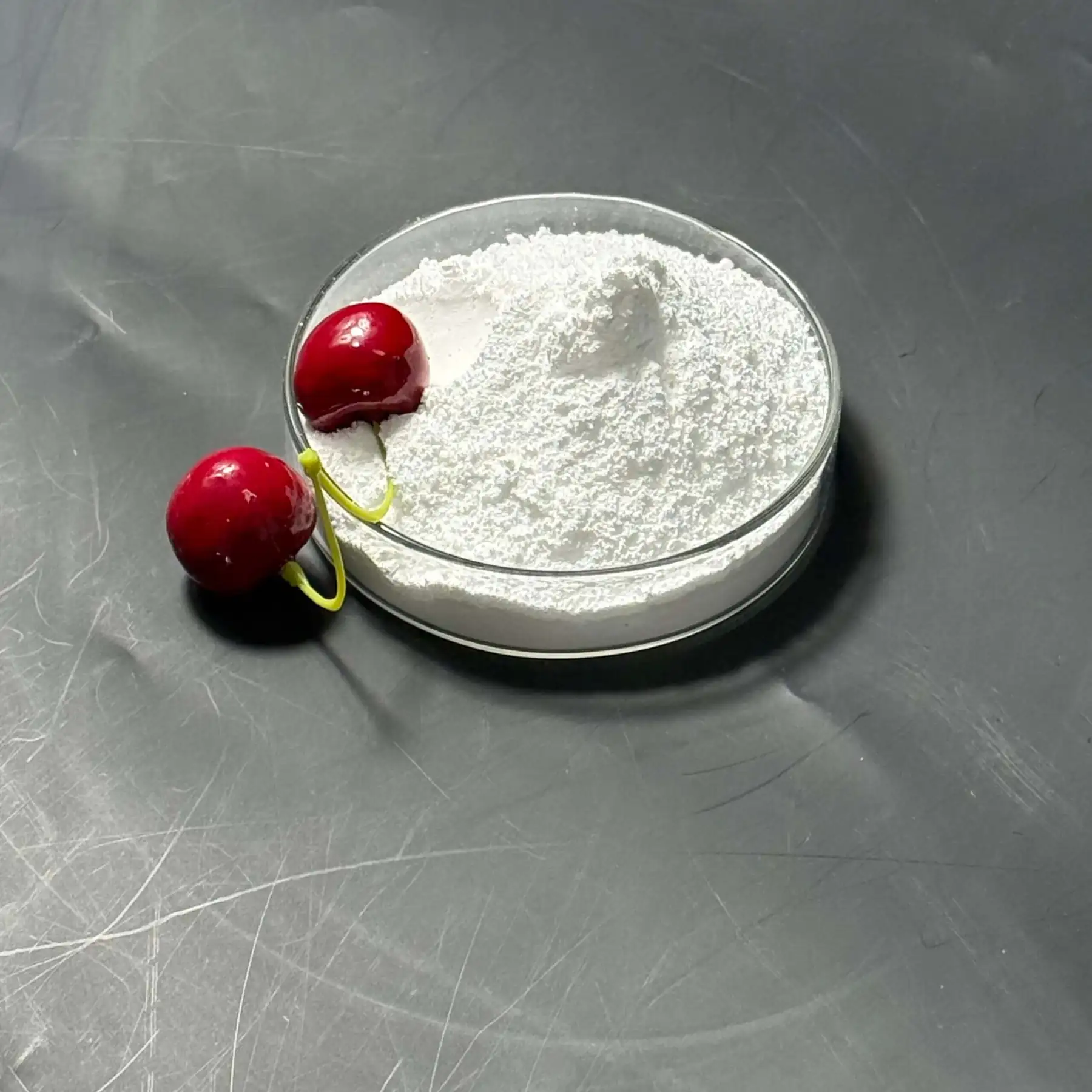
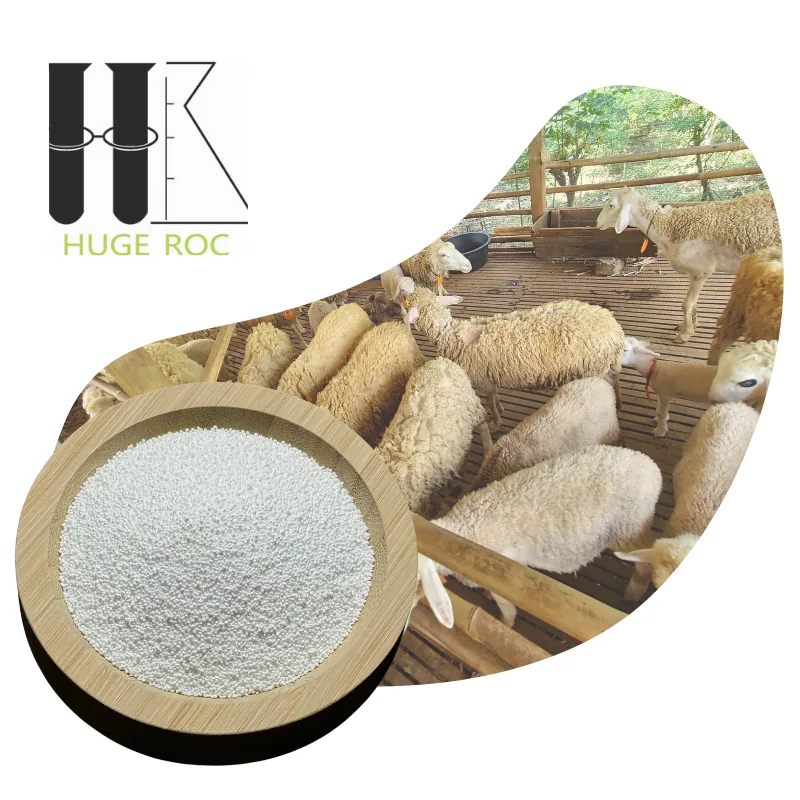
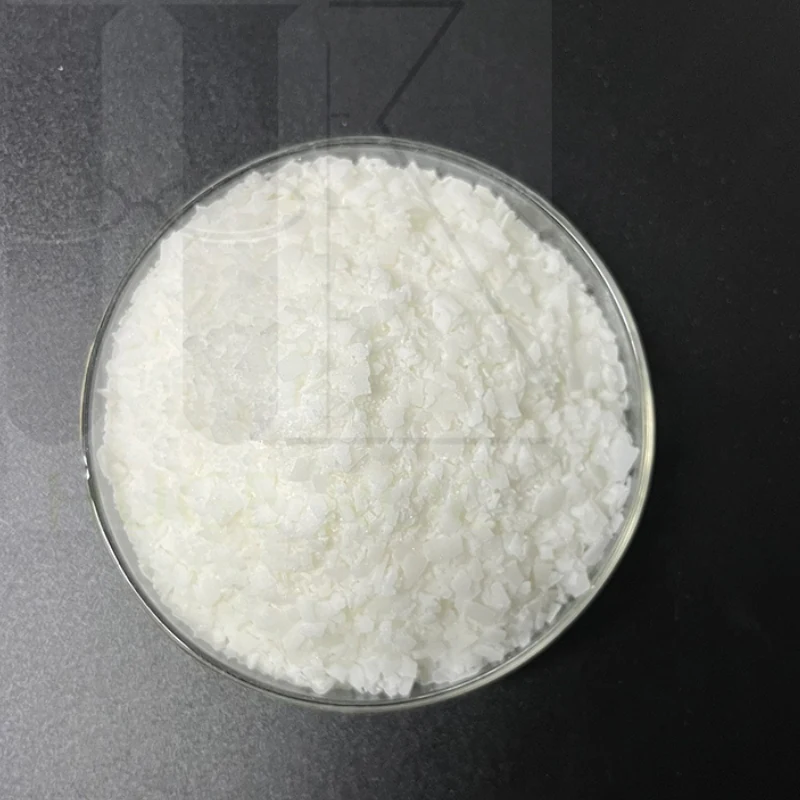
  • Appearance: White granule powder
  • Testing unit: Tianjin Huge Roc Enterprises Co., Ltd.
  • Packing: 25 kg per bag, HMHPE laminated paper bag with HDPE liner
  • Container load: 20 MT per 20ft container

Betaine Hydrochloride is a white granule powder supplied at 98.5% min assay, reported 98.62% on the lot shown, tested by Tianjin Huge Roc Enterprises Co., Ltd. It works as a methyl supplier, partially replacing methionine and choline chloride in the ration, and it adjusts cell osmotic pressure to reduce stress response. In aquaculture it has a second role as a phagostimulant, improving feeding quantity and survival rate in marine species.

Why buyers specify this grade

  • Assay 98.5% min with a reported result of 98.62%
  • Partially replaces methionine and choline chloride as a methyl supplier
  • Adjusts cell osmotic pressure and reduces stress response
  • Good phagostimulant for marine species, improving feeding quantity and survival rate
  • Heavy metals as Pb 10.0 ppm max, reported under 0.1 ppm, with Salmonella absent in 25 g

Send the quantity and destination port and you get the grade recommendation, the analytical specification, the packing format and the container loading in one reply.

Specification

DescriptionWhite granule powder
Assay as betaine HCl98.5% min (result 98.62%)
Loss on drying0.5% max (result 0.44%)
Heavy metals as Pb10.0 ppm max (result under 0.1)
Arsenic2.0 ppm max (result under 0.1)
E. coli10 CFU/g max
SalmonellaAbsent in 25 g

Technical data

Appearance
White granule powder
Testing unit
Tianjin Huge Roc Enterprises Co., Ltd.
Packing
25 kg per bag, HMHPE laminated paper bag with HDPE liner
Container load
20 MT per 20ft container

Quality control

  • Released against assay, loss on drying, heavy metals, arsenic and microbiology with results reported against each standard
  • Lot conclusion reported as up to the standard, tested by Tianjin Huge Roc Enterprises Co., Ltd.
  • TDS and MSDS issued with the order, sample COA on request

Where it is used

  • Methyl donor in feed, partially replacing methionine and choline chloride
  • Protein and nucleic acid synthesis and metabolism support
  • Fat metabolism improvement to increase the meat factor and improve immune function
  • Osmotic pressure regulation to reduce stress response
  • Phagostimulant in marine and aquaculture feed
  • Protection of intestinal epithelial cells to improve resistance to coccidiosis

Who buys it

  • Aquafeed producers targeting feed intake and survival rate
  • Poultry and swine nutritionists managing methyl donor cost
  • Premix manufacturers
  • Producers managing heat and transport stress

Problems it solves

  • Methionine and choline chloride cost dominating the methyl donor budget
  • Low feed intake in marine species where palatability is limiting
  • Stress response from osmotic imbalance cutting growth
  • Coccidiosis pressure weakening the intestinal epithelium

Packing and options

  • 25 kg per bag in HMHPE laminated paper bag with HDPE liner, 20 MT per 20ft container
  • Dose rate advised against species and existing methyl donor sources

How it compares

Betaine anhydrous carries more betaine per kilo and adds no chloride, which suits premix equipment and tight electrolyte balances. Betaine hydrochloride is the lower-cost methyl donor and is the one to choose where the chloride is acceptable and where the phagostimulant effect in marine feed is the objective.

Handling and storage

  • Recalculate the methionine and choline chloride inclusion when betaine HCl is added as a partial replacement
  • Allow for the chloride contribution in the dietary electrolyte balance
  • Store dry and sealed in the laminated bag until use

FAQ

Betaine Hydrochloride questions buyers ask

What assay do you supply

98.5% min betaine HCl, with a reported result of 98.62% on the lot shown.

Can it replace methionine and choline chloride

It can be used as a methyl supplier to provide methyl efficiently and partially replace methionine and choline chloride.

Why is it used in aquaculture

It is a good phagostimulant for marine species, improving feeding quantities, survival rate and growth.

How is it packed

25 kg per bag in an HMHPE laminated paper bag with an HDPE liner, loading 20 MT per 20ft container.

What are the microbiological limits

E. coli 10 CFU/g max and Salmonella absent in 25 g.

How does it compare with betaine anhydrous

Betaine anhydrous has higher purity and no chloride residue; the hydrochloride is lower cost and is widely used where the chloride contribution is acceptable.

Does it help against coccidiosis

It protects the epithelial cells of the intestinal tract, which improves resistance to coccidiosis.

Download TDS, MSDS and sample COA

Related

Other grades in Animal Healthcare