+86 136-0203-0663 [email protected]

Industrial Chemicals

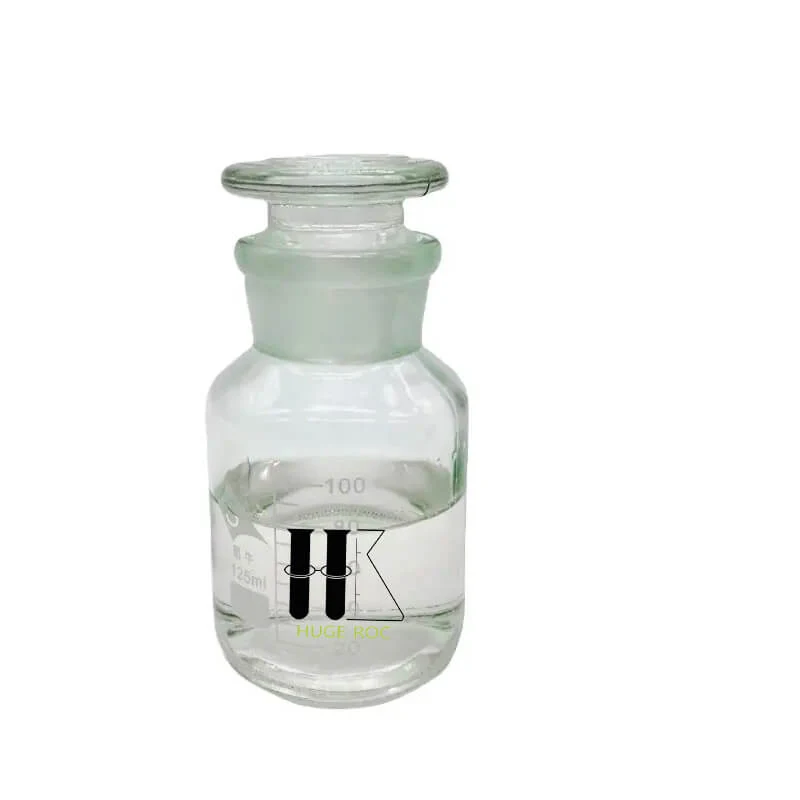
Methyl Salicylate

  • Assay: 99.0% - 100.5%
  • Typical assay result: 99.75%
  • Relative density: 1.180 to 1.185
  • Refractive index: 1.535 to 1.538

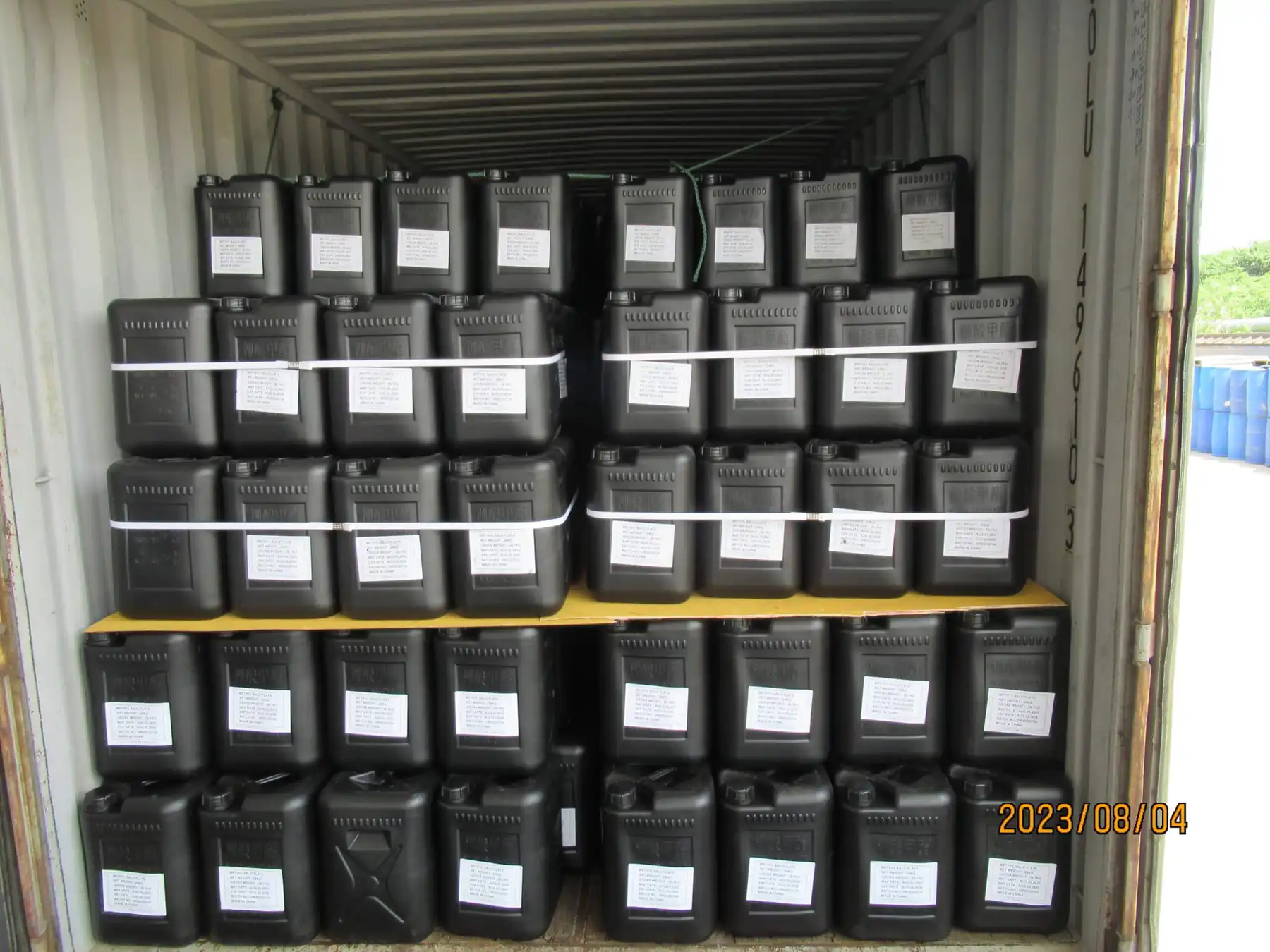
Methyl Salicylate is the wintergreen ester used as a topical analgesic, a flavouring and a fragrance. The lot represented here assays 99.75% against a 99.0-100.5% specification, with acidity at 0.10 ML against a 0.4 ML max limit and heavy metals under 20 PPM. Those three numbers matter to different buyers: assay to the liniment formulator, acidity to the confectionery flavour house, heavy metals to anyone filing a food or pharmacopoeia dossier.

Why buyers specify this grade

  • Assay 99.0-100.5% with a typical result of 99.75%
  • Acidity 0.4 ML max on 0.1N NaOH per 5.0G, typically 0.10 ML
  • Heavy metals 0.002% (20 PPM) max, typically under 20 PPM
  • Relative density and refractive index both controlled to narrow bands, so identity testing passes first time
  • One ester covering pharmaceutical, food flavour, cosmetic and industrial solvent duty

Send the quantity and destination port and you get the grade recommendation, the analytical specification, the packing format and the container loading in one reply.

Specification

Assay99.0% - 100.5% (result 99.75%)
Acidity, 0.1N NaOH per 5.0G0.4 ML max (result 0.10)
Relative density1.180 to 1.185 (result 1.182)
Refractive index1.535 to 1.538 (result 1.537)
Heavy metals0.002% (20 PPM) max (result under 20 PPM)

Technical data

Assay
99.0% - 100.5%
Typical assay result
99.75%
Relative density
1.180 to 1.185
Refractive index
1.535 to 1.538
Odour profile
Wintergreen, sweet and minty

Quality control

  • Released against the five analytical items above with the result reported next to each specification
  • TDS and MSDS issued with the order, sample COA on request

Where it is used

  • Topical analgesic in creams, balms and ointments
  • Anti-inflammatory and pain relief liniments and muscle rubs
  • Chest rubs for cold relief
  • Flavouring agent in chewing gum, candy, toothpaste and soft drinks
  • Mint-flavoured confectionery such as hard candies and cough drops
  • Fragrance in perfumes, lotions, creams, deodorants and aftershaves
  • Solvent in paints, varnishes and adhesives, and a synthesis feedstock

Who buys it

  • Topical pharmaceutical and OTC liniment manufacturers
  • Flavour and confectionery houses
  • Oral care and toothpaste formulators
  • Perfume and personal care manufacturers
  • Paint, varnish and adhesive formulators

Problems it solves

  • Free acidity in the ester souring a flavour or irritating a topical formulation, held to 0.4 ML max
  • Heavy metals blocking a food or pharmacopoeia filing, held under 20 PPM
  • Identity testing failing on density or refractive index because the lot sits outside the band
  • Buying separate flavour-grade and technical-grade esters when one controlled specification covers both

Packing and options

  • Packing format confirmed at quotation
  • Specify the end use, topical, flavour, fragrance or industrial, so the right documentation set is issued

How it compares

Technical-grade wintergreen esters are cheaper but leave acidity and heavy metals uncontrolled, which is exactly what a food or topical dossier asks about. This specification reports assay, acidity, density, refractive index and heavy metals together, so identity and purity testing on arrival is a formality rather than a risk.

Handling and storage

  • Store in tightly closed containers away from heat and direct light
  • Handle in ventilated conditions because the ester is volatile and strongly odorous
  • Check the reported acidity result against your own incoming limit before release to flavour production

FAQ

Methyl Salicylate questions buyers ask

What assay do you supply

The specification is 99.0% to 100.5% with a reported result of 99.75% on the lot shown.

What is the heavy metals limit

0.002%, that is 20 PPM maximum, with a reported result under 20 PPM.

Is it suitable for food flavouring

It is used as a flavouring agent in chewing gum, candy, toothpaste and soft drinks. Confirm your grade requirement at enquiry so the correct documentation is issued.

What is the refractive index and density

Refractive index 1.535 to 1.538 and relative density 1.180 to 1.185.

What does the acidity figure mean

Acidity measured with 0.1N NaOH on a 5.0G sample, limit 0.4 ML maximum, reported result 0.10 ML.

Can I get a sample before ordering

Yes, samples and a sample COA are available on request.

Download TDS, MSDS and sample COA

Related

Other grades in Industrial Chemicals