 Request A Quote
Request A Quote
Request A Quote
Inorganic Salts
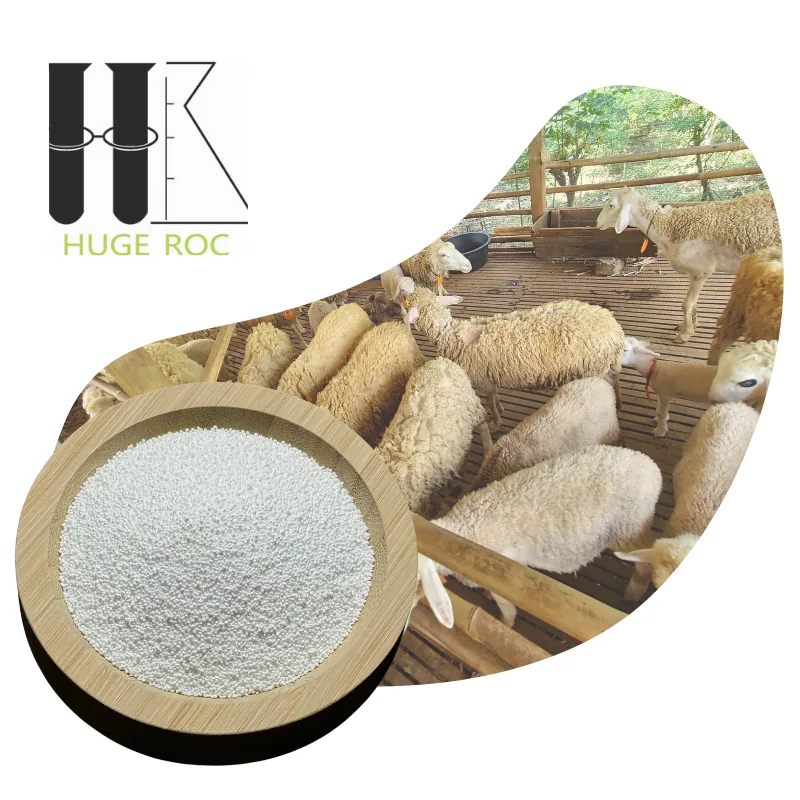
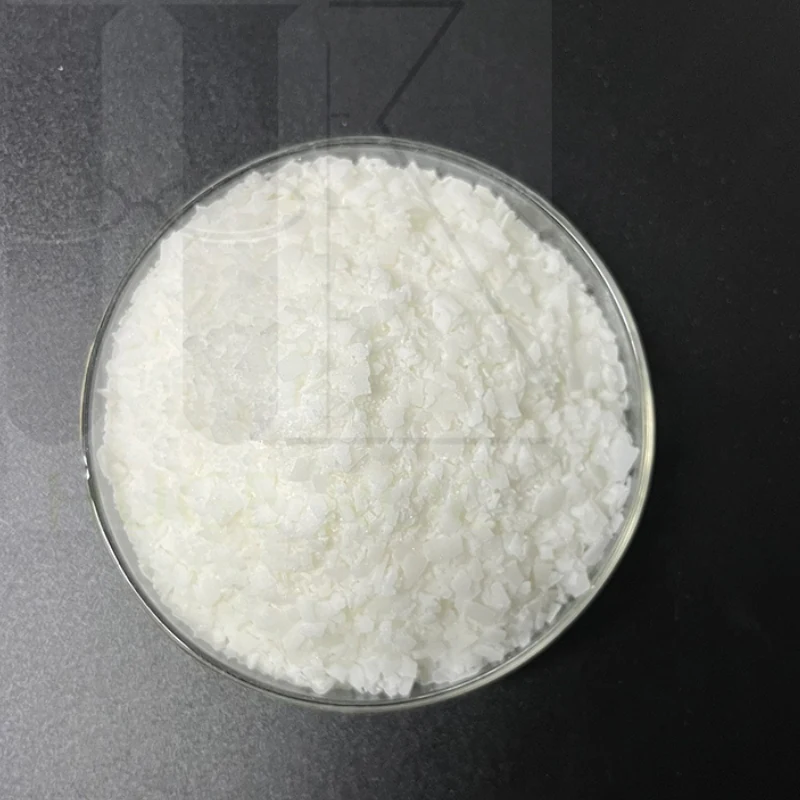
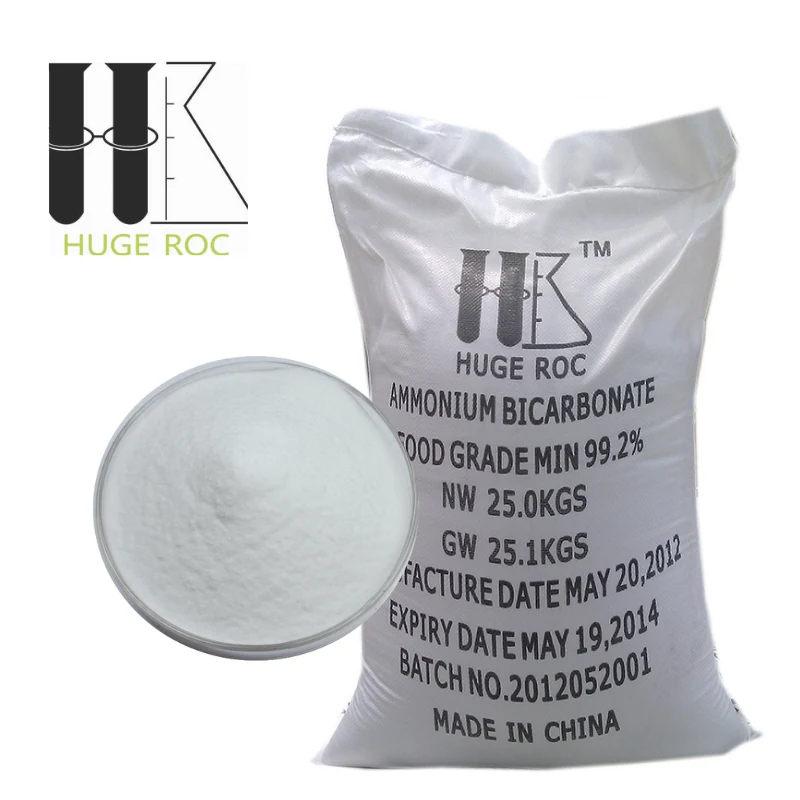
Ammonium Bicarbonate is one of the most widely used loosening agents in the food industry and the carbon dioxide generator behind puffed foods, puffs and Sakima. Edible grade is the relatively pure material that conforms to national food safety standards and contains no or very little substance harmful to human health. The lot data shown here reports total alkali at 99.56% against a 99.2% specification, with chloride, sulphate, iron, ash, arsenic, heavy metals and water all inside limit.
Send the quantity and destination port and you get the grade recommendation, the analytical specification, the packing format and the container loading in one reply.
| Appearance | White tiny crystal |
|---|---|
| Total alkali as NH4HCO3 | 99.2% (result 99.56%) |
| Chloride as Cl | 0.003% max (result 0.002%) |
| Sulphate as SO4 | 0.007% max (result 0.005%) |
| Iron as Fe | 0.002% max (result 0.001%) |
| Ash | 0.006% max (result 0.005%) |
| Arsenic as As | 0.0002% max |
| Heavy metals as Pb | 0.0005% max |
| Water | 0.5% max (result 0.4%) |
| pH value | 7.5 - 8.0 (result 7.7) |
Sodium bicarbonate leaves sodium carbonate behind after baking, which can be tasted at high dosage. Ammonium bicarbonate decomposes entirely into gases, so it gives lift without residue, and the two are commonly combined so the biscuit gets both immediate and sustained expansion.
FAQ
Total alkali as NH4HCO3 specified at 99.2% with a reported result of 99.56% on the lot shown.
Edible grade ammonium bicarbonate is supplied, conforming to national food safety standards, with no or very little substance harmful to human health.
It decomposes on heating and releases gas, which puffs up the product. It is one of the most widely used loosening agents in the food industry.
It decomposes into gases on heating rather than leaving a residual salt, unlike sodium bicarbonate which leaves sodium carbonate.
Yes, as a nitrogen fertiliser suitable for various soils, providing ammonium nitrogen and carbon dioxide, though it has low nitrogen content and tends to clump.
7.5 to 8.0, with a reported result of 7.7.
Related
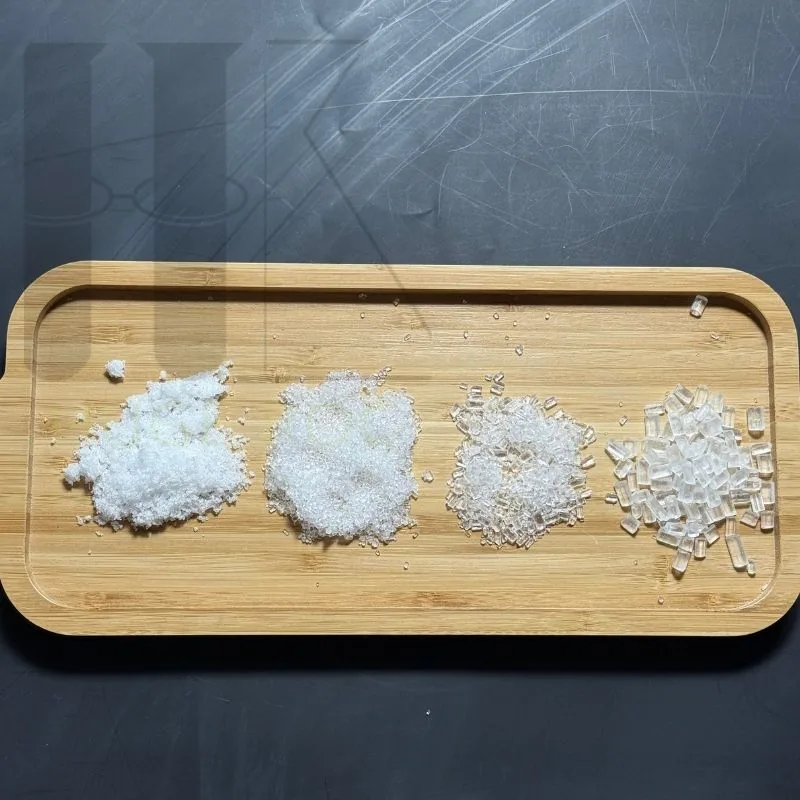
Strong reducibility for dechlorination and reduction duty
View details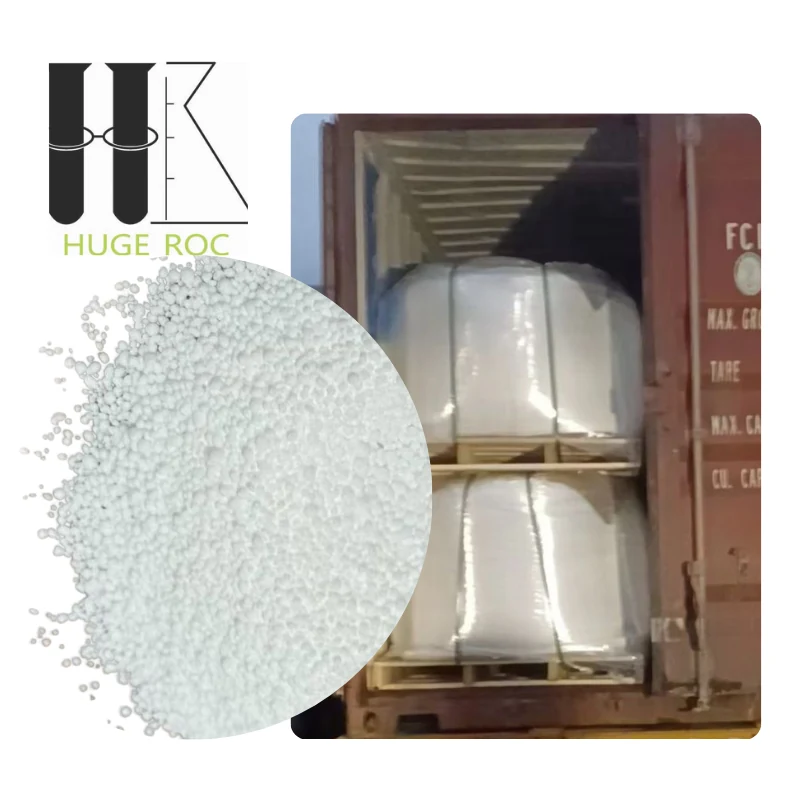
Dual specification, GB 25588-2010 and FCC VII, so one material serves Chinese and FCC-referencing markets
View details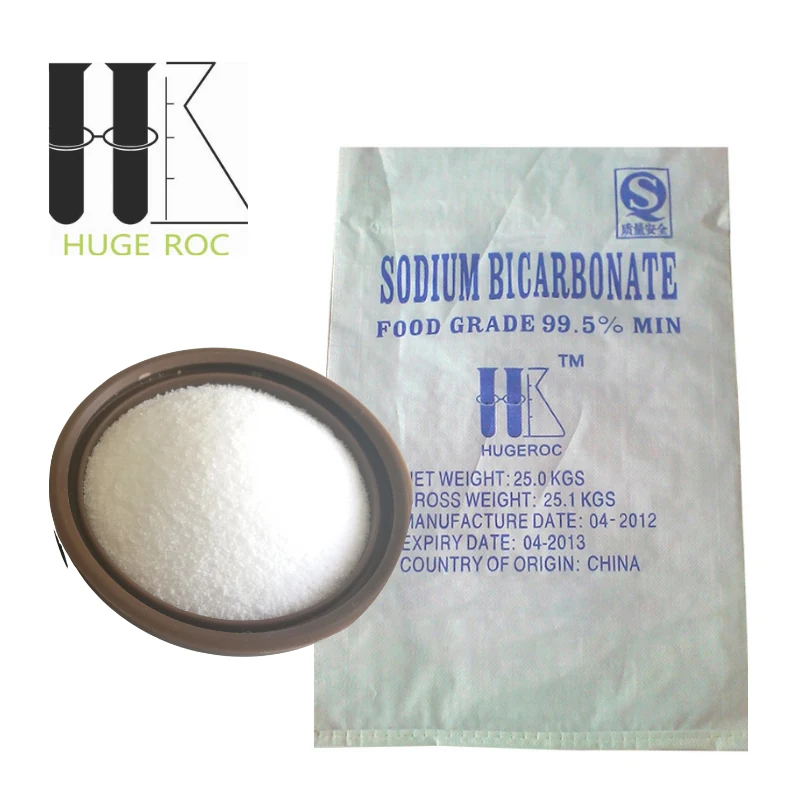
Assay 99.0-100.5% against quality standard GB 1886.2-2015
View details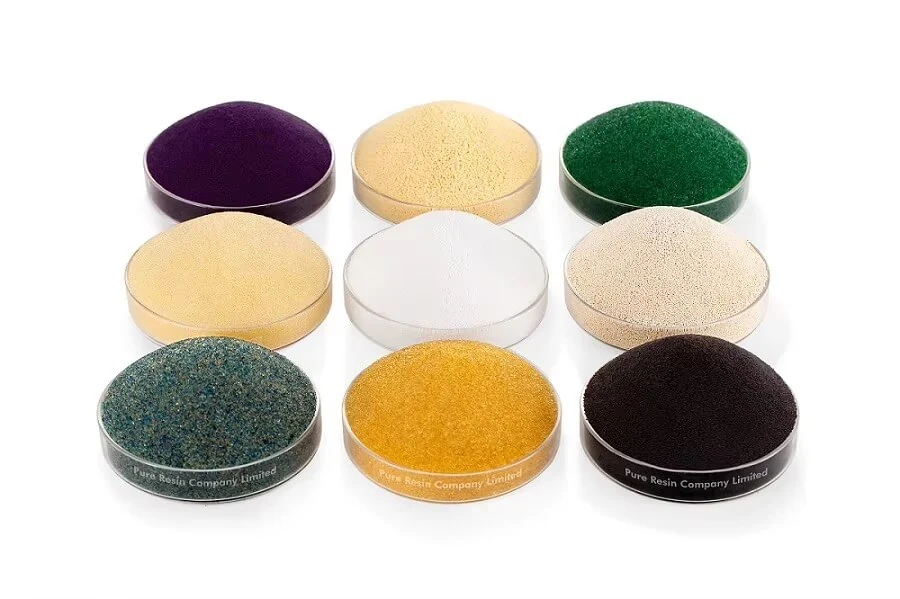
Total exchange capacity 1.9 eq/L min, which sets the throughput a column can deliver between regenerations
View details