 Request A Quote
Request A Quote
Request A Quote
Animal Healthcare
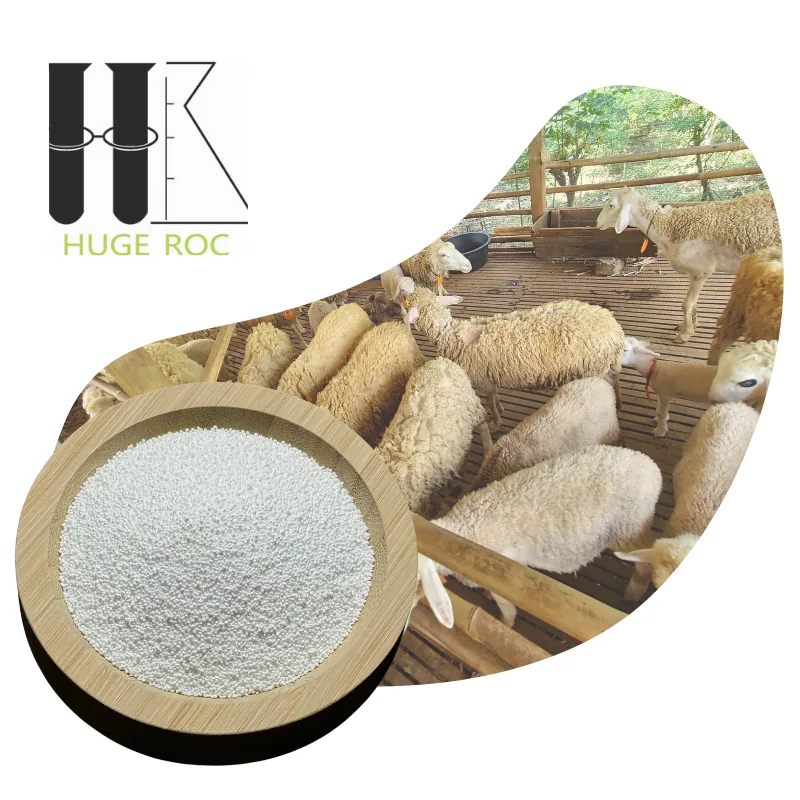
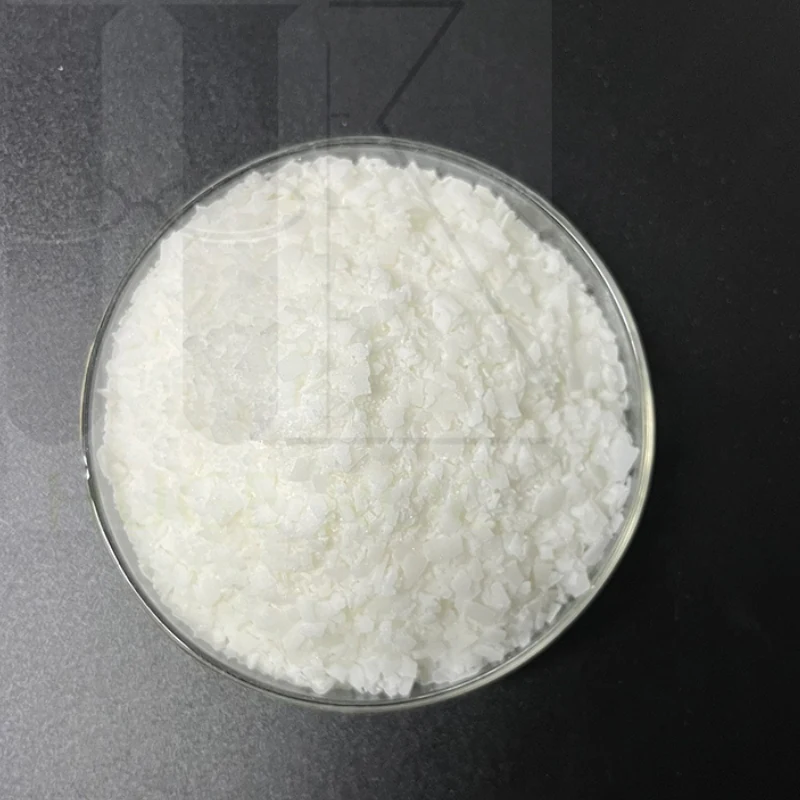
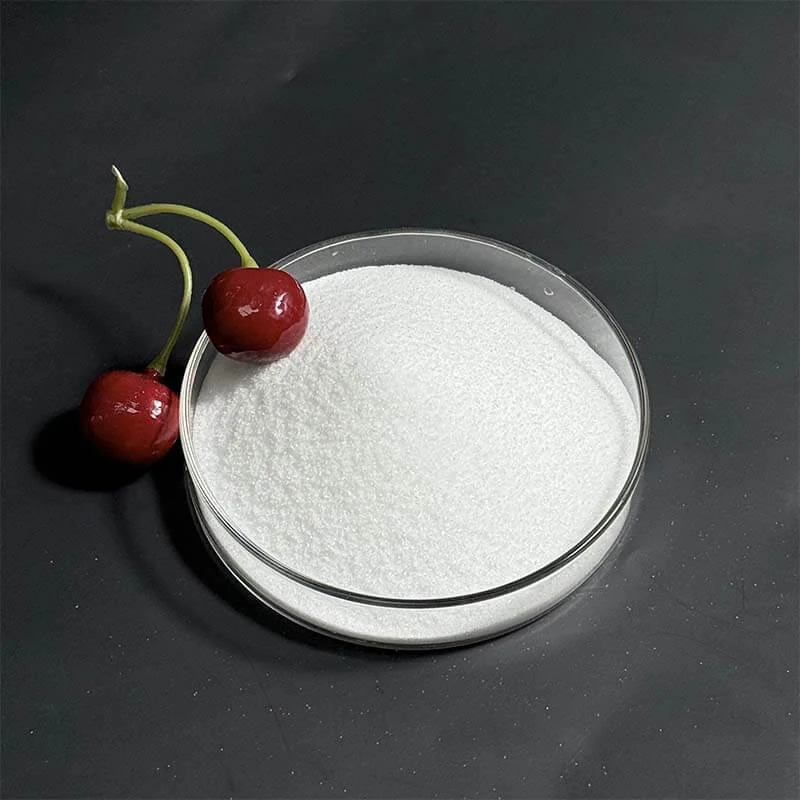
Betaine Anhydrous, trimethylglycine, CAS 107-43-7, is a naturally occurring methyl donor and osmolyte derived from sugar beet molasses. In feed it works as a methyl donor and protects cells against osmotic stress; it can also be used as a food additive. Because the anhydrous form carries no chloride residue, it avoids the chloride load and premix corrosion that come with betaine hydrochloride, and it offers higher purity and better stability than that form.
Send the quantity and destination port and you get the grade recommendation, the analytical specification, the packing format and the container loading in one reply.
| Chemical name | Betaine anhydrous, trimethylglycine |
|---|---|
| Source | Sugar beet molasses |
| Chloride residue | None |
| Melting point | 310 deg C |
Betaine hydrochloride costs less per tonne but delivers less betaine per kilo and brings chloride into both the ration and the premix plant. Betaine anhydrous is the choice where chloride must stay out of the electrolyte balance or away from equipment; the hydrochloride is the choice where a lower pH in the finished product is actually wanted.
FAQ
Betaine anhydrous has higher purity, better stability and no chloride residue. Betaine hydrochloride carries chloride into the ration and the premix equipment.
It is a naturally occurring trimethylglycine derived from sugar beet molasses.
Yes. Betaine anhydrous CAS 107-43-7 can be used as a food additive as well as in feed formulations.
Molecular weight 117.15, melting point 310 deg C, boiling point 218.95 deg C and density 1.00 g/mL at 20 deg C.
Yes, a sample COA can be sent before order and documentation travels with the shipment.
Cool and dry, sealed against moisture pick-up.
Related
Purity 99.8% min, so the magnesium contribution per kilo is predictable in a ration calculation
View detailsStable and sustained release of butyric acid rather than an immediate foregut release
View details
Stable glyceride form without the odour and corrosion of free butyric acid
View details
High quality complete bacterial protein, notably rich in lysine, the amino acid cereal protein lacks
View details