 Request A Quote
Request A Quote
Request A Quote
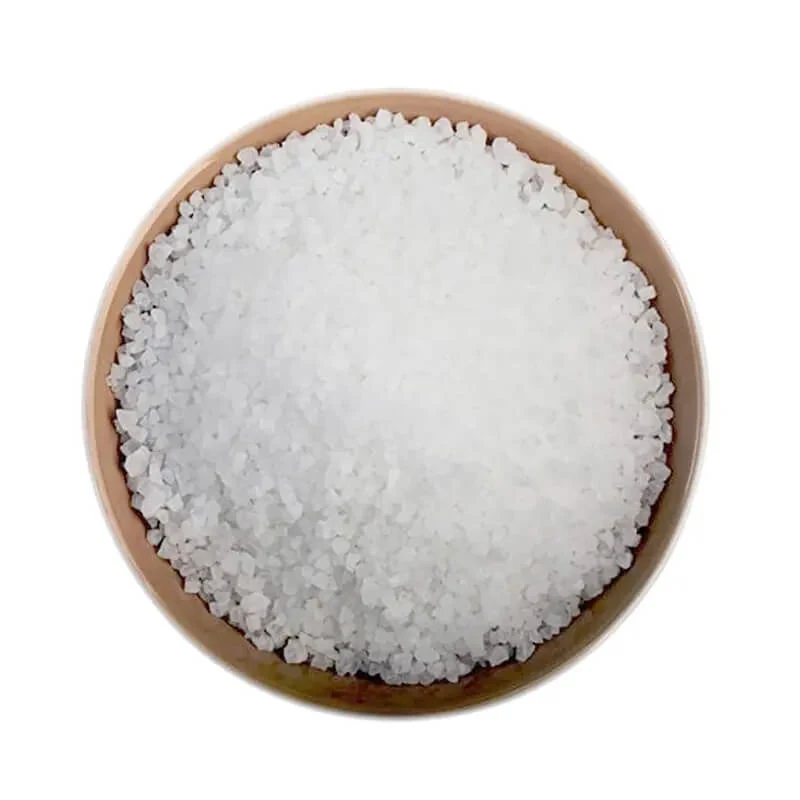
Sweeteners
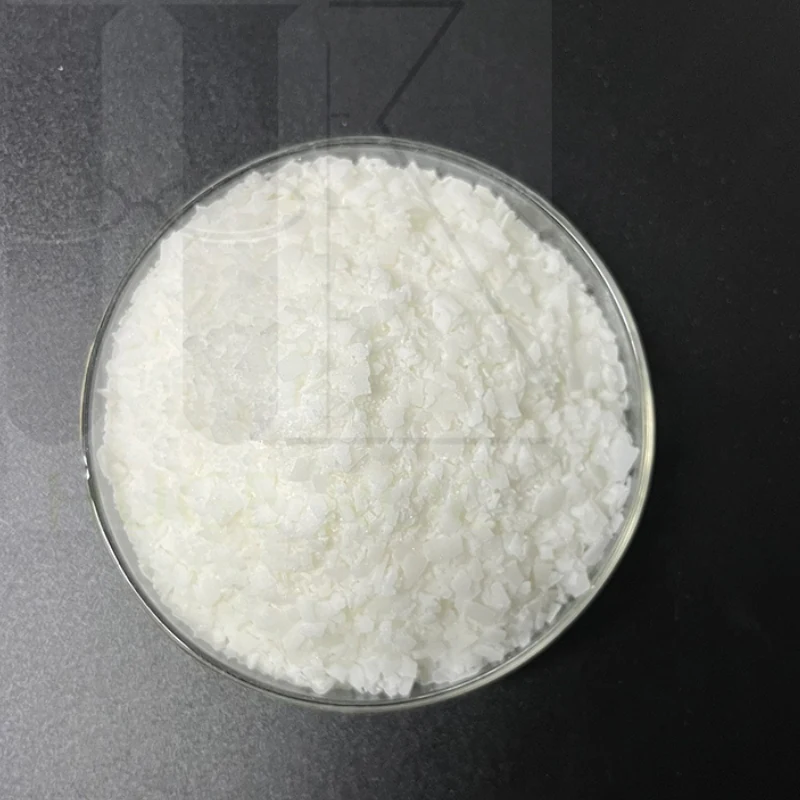
Sodium Saccharin is supplied as white crystals at 99.0-101.0% assay with identification by infrared absorption spectrophotometry. In feed it is used as a palatant rather than a sweetener for its own sake: it masks or slows the bad odour and heavy metal taste that protein, vitamins and antibiotics bring into a ration, which raises intake under stress, shortens the feeding cycle and improves feed conversion. Packing is 25 kg per bag with a three-year shelf life.
Send the quantity and destination port and you get the grade recommendation, the analytical specification, the packing format and the container loading in one reply.
| Assay | 99.0 - 101.0% |
|---|---|
| Water | 5% max |
| Melting point | 226 - 230 deg C |
| Ammonium salts | 25 ppm max |
| Arsenic | 2 ppm max |
| Heavy metals as Pb | 10 ppm max |
| p-toluene sulfonamide | 10 ppm max |
| o-toluene sulfonamide | 10 ppm max |
| Selenium | 30 ppm max |
| Benzoic acid-sulfonamide | 25 ppm max |
| Clarity and colour of solution | Colourless, clear |
| Benzoic and salicylic acid | No precipitate or violet colour appears |
Aspartame is the sweetener of choice for human food at 200 times sucrose sweetness. Sodium saccharin is the feed palatant: it is heat stable, far cheaper per unit of sweetness, and specified here on the impurity profile that matters for feed rather than on a beverage taste panel.
FAQ
99.0 to 101.0%, white crystals identified by infrared absorption spectrophotometry.
It improves overall palatability, covers or slows the bad odour and heavy metal taste of components such as protein, vitamins and antibiotics, raises intake under stress, shortens the feeding cycle and improves feed conversion rate.
Both p-toluene sulfonamide and o-toluene sulfonamide are held to 10 ppm max, with benzoic acid-sulfonamide 25 ppm max.
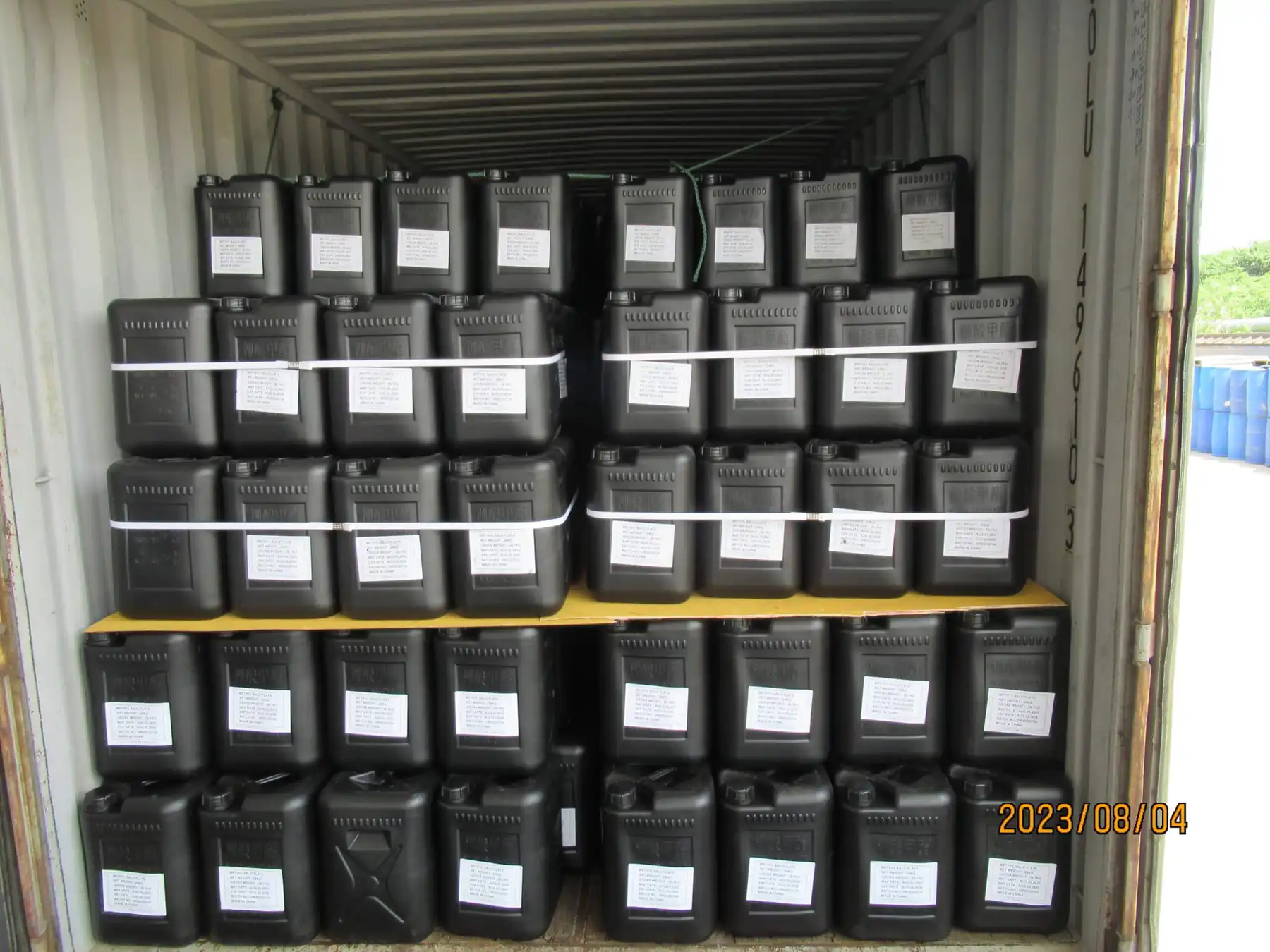
Three years, packed 25 kg per bag, loading 18 MT per 20ft container with pallet or 22 MT without.
226 to 230 deg C.
Heavy metals as Pb 10 ppm max, arsenic 2 ppm max and selenium 30 ppm max.
Related
No water of crystallisation, so the dry-solids basis is fixed and no moisture correction is needed
View details
Cool sweet taste at roughly half the sweetness of sucrose, useful where sucrose is too sweet
View details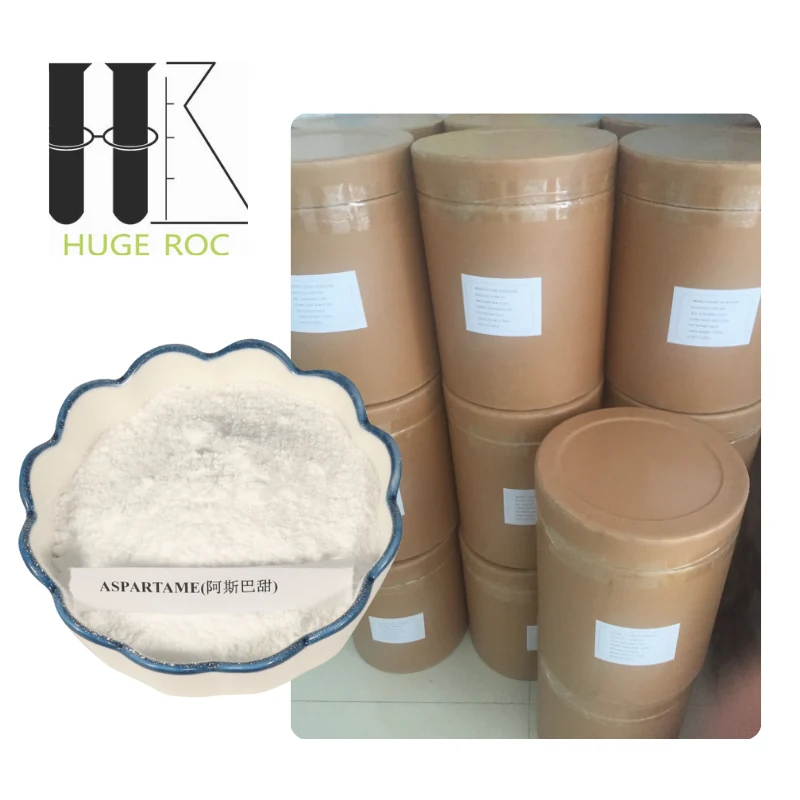
200 times the sweetness of sucrose, so dosage and freight per unit of sweetness are tiny
View details
Assay 99.5% min with a full microbiological specification, not only a chemical one
View details