 Request A Quote
Request A Quote
Request A Quote
Selection guide
Picking between wheat, soy, pea and corn protein by the functional job, not by the protein percentage.
Vital wheat gluten at 75-82% protein is the only one of the four that builds a viscoelastic network. In a meat analogue it is the structuring agent; in bread it is what holds gas. A higher-protein isolate cannot replace it.
Soy protein comes as isolate at 90% min protein and concentrate at 65-70%, rich in arginine and glutamine, with emulsifying, water-binding, gel-forming and texturising function. The isolate suits high protein claims and clean gels, the concentrate suits cost-led formulations.
Pea protein at 80% min from non-GMO yellow peas is gluten-free, lactose-free and free from major allergens, rich in lysine, arginine and BCAAs, and low-temperature dried so performance stays stable between lots.
Corn gluten meal at 60-70% crude protein carries methionine, leucine and zeaxanthin. The xanthophyll pigmentation is why poultry and pet food use it, and it binds in pelleted feed as well.
Decide function first. Structure means gluten. A complete profile with gelling means soy. Allergen constraints mean pea. Pigment and methionine in feed mean corn gluten. Protein percentage is the last check, not the first.
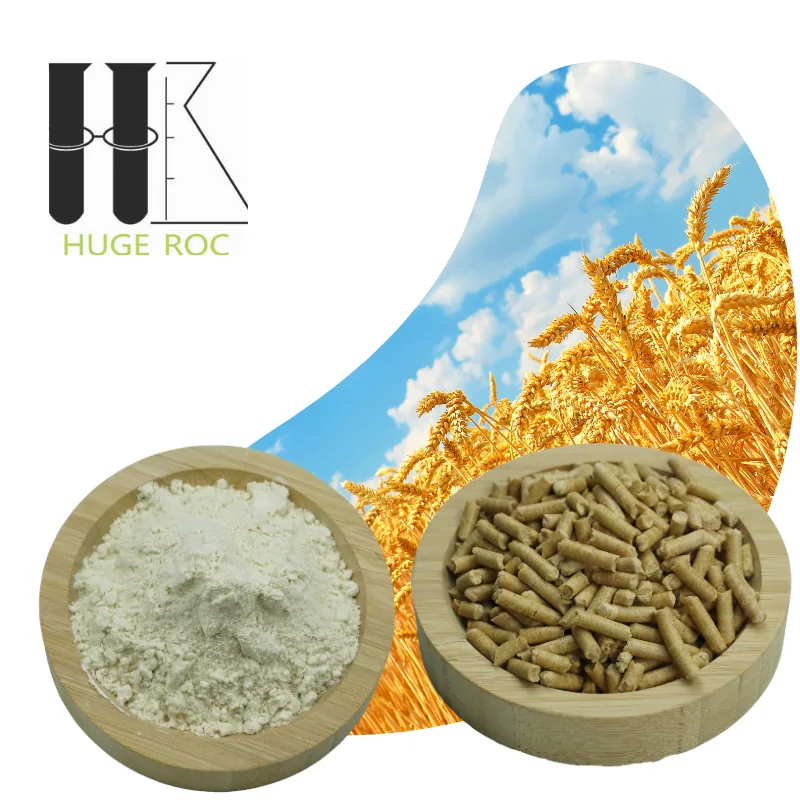
75-82% protein, rich in glutenin and gliadin with excellent digestibility
View details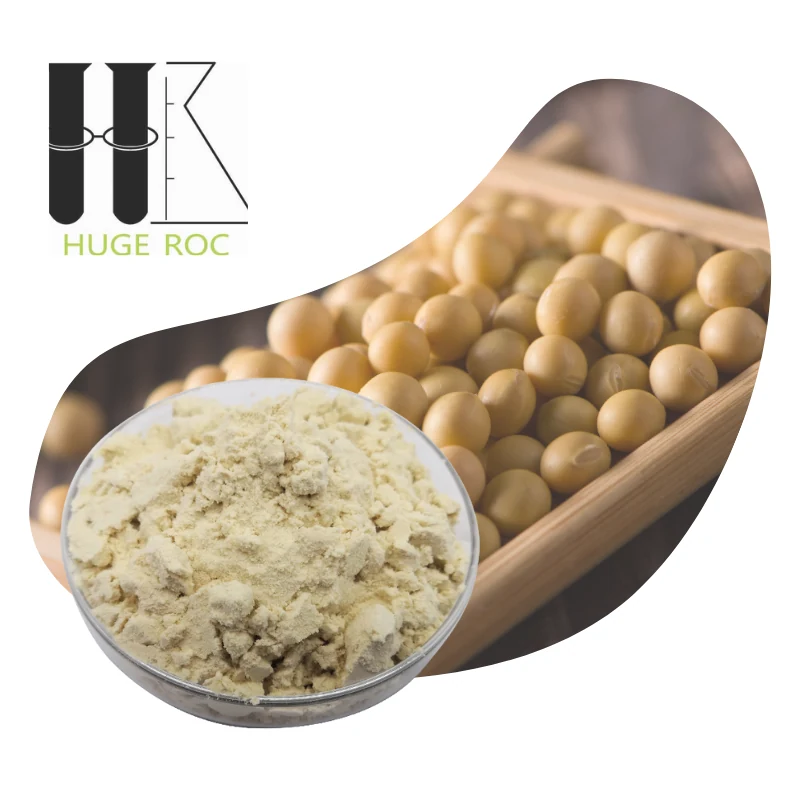
Two grades, SPI at 90% min protein and SPC at 65-70%, so protein cost is matched to the formulation
View details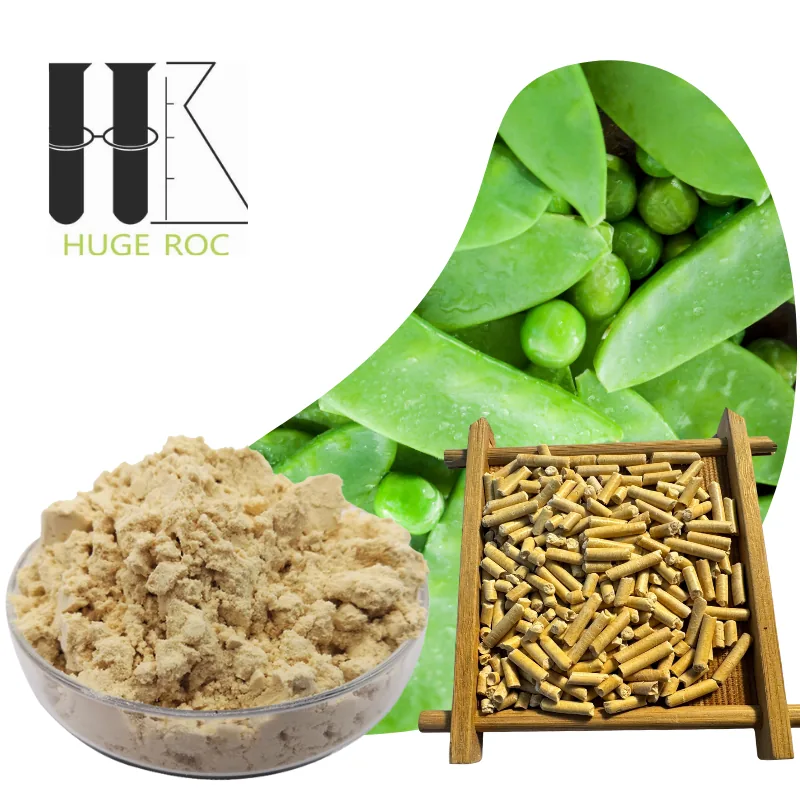
Protein content 80% min with a complete amino acid profile
View details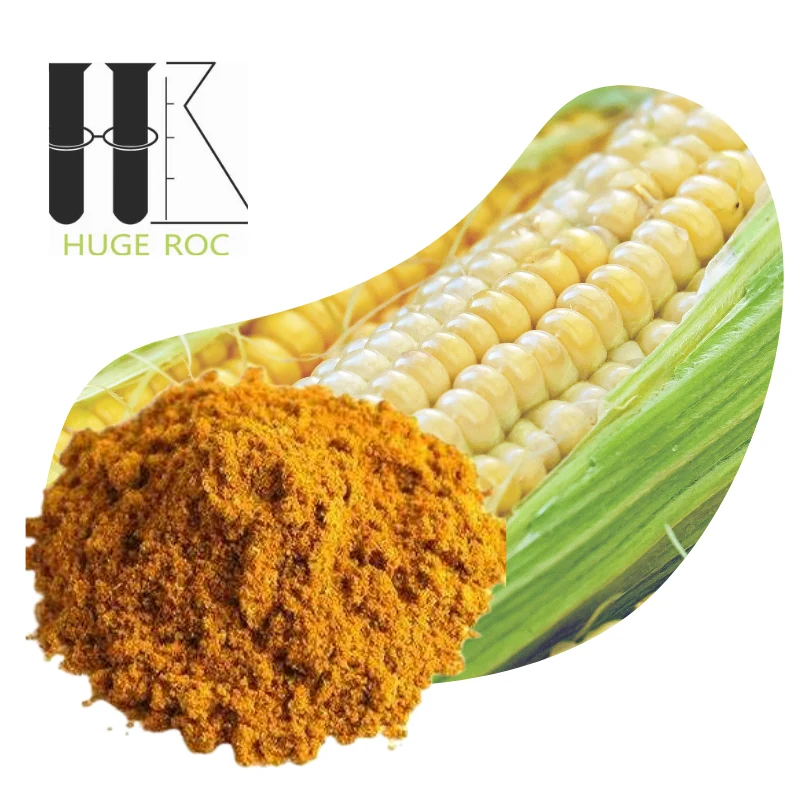
60-70% crude protein with good digestibility and bioavailability
View details