 Request A Quote
Request A Quote
Request A Quote
Preservative
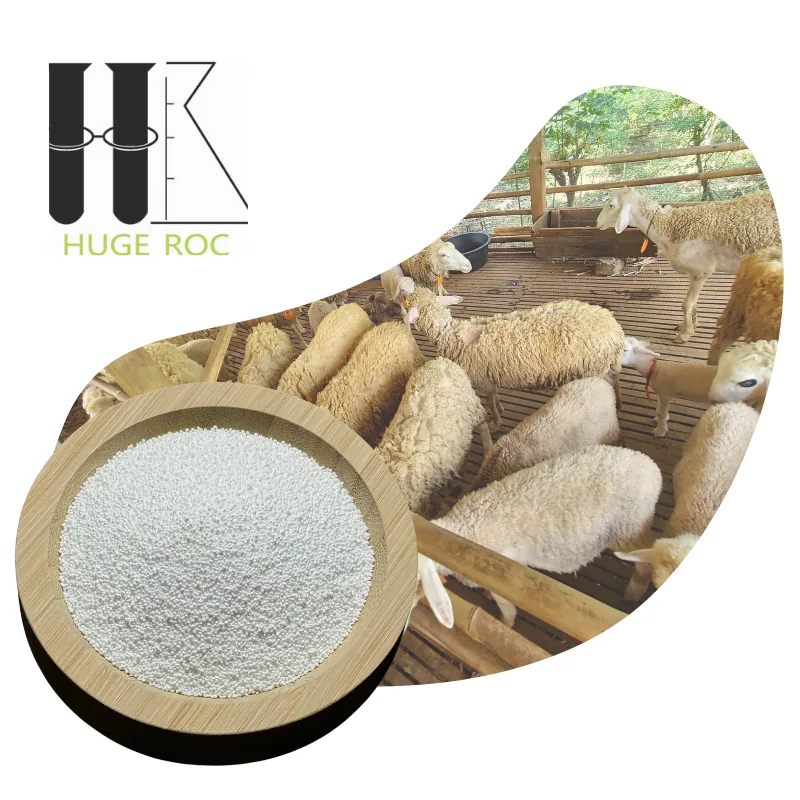
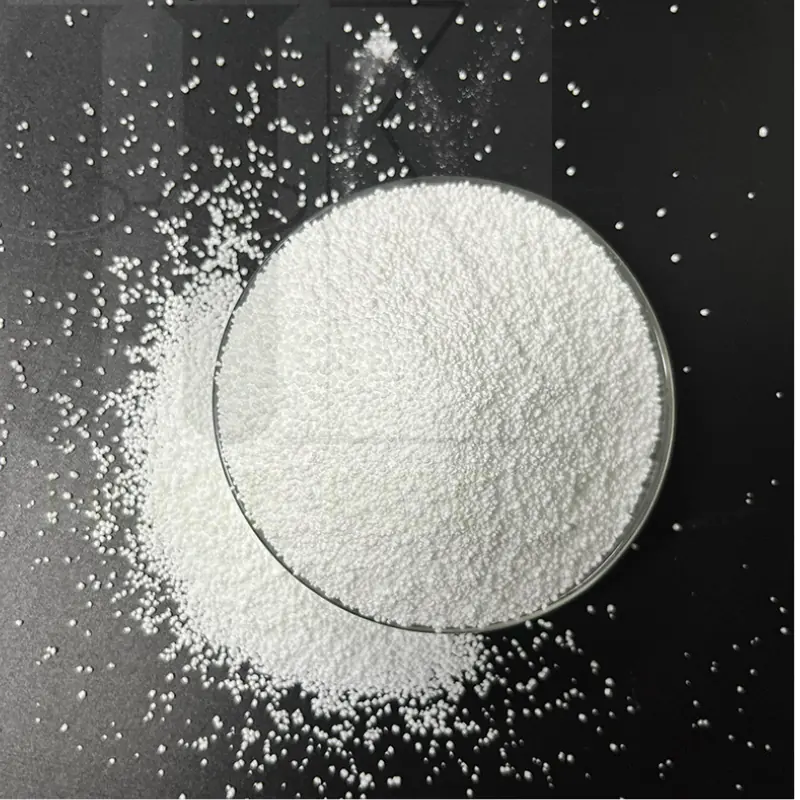
Calcium Propionate, CAS 4075-81-4, is a white crystalline powder or free-flowing granule, highly soluble in water and weakly alkaline at pH 7.0-9.0 in 10% solution. It works by penetrating microbial cell walls to inhibit mould and yeast, and it is approved by FAO/WHO and FCC. Two things separate it from sodium propionate: it supplies at least 18% calcium instead of sodium, and it is heat resistant to 150 deg C, so it survives baking and automated dosing without breaking down.
Send the quantity and destination port and you get the grade recommendation, the analytical specification, the packing format and the container loading in one reply.
| Powder mesh | 80 - 200 mesh |
|---|---|
| Granule mesh | 14 - 60 mesh |
| Calcium | 18% min |
| pH, 10% solution | 7.0 - 9.0 |
| Solubility | High in water |
| Shelf life extension | 30% - 100% |
Against sodium propionate, calcium propionate adds calcium rather than sodium, tolerates 150 deg C and comes in a low-dust granule for automated lines. Sodium propionate dissolves faster in cold systems. Within this product, the mesh choice is the real decision: powder for instant even protection, granules for dust-free auto-dosing and slower release.
FAQ
It inhibits both mould and yeast, extending the shelf life of food and feed by 30% to 100%.
Powder at 80-200 mesh and granules at 14-60 mesh, plus an ultrafine powder for aquatic feed and low-dust granules for poultry and livestock feed.
Certified for ISO 22000 for food and FAMI-QS for feed, plus Halal and Kosher, and it is approved by FAO/WHO and FCC.
Yes, it is heat-resistant to 150 deg C and the low-dust granules are compatible with automated production.
18% min calcium, which lets it replace sodium propionate where sodium intake needs to be reduced.
7.0 to 9.0 in a 10% aqueous solution, weakly alkaline.
It penetrates microbial cell walls to inhibit mould and yeast growth.
Related
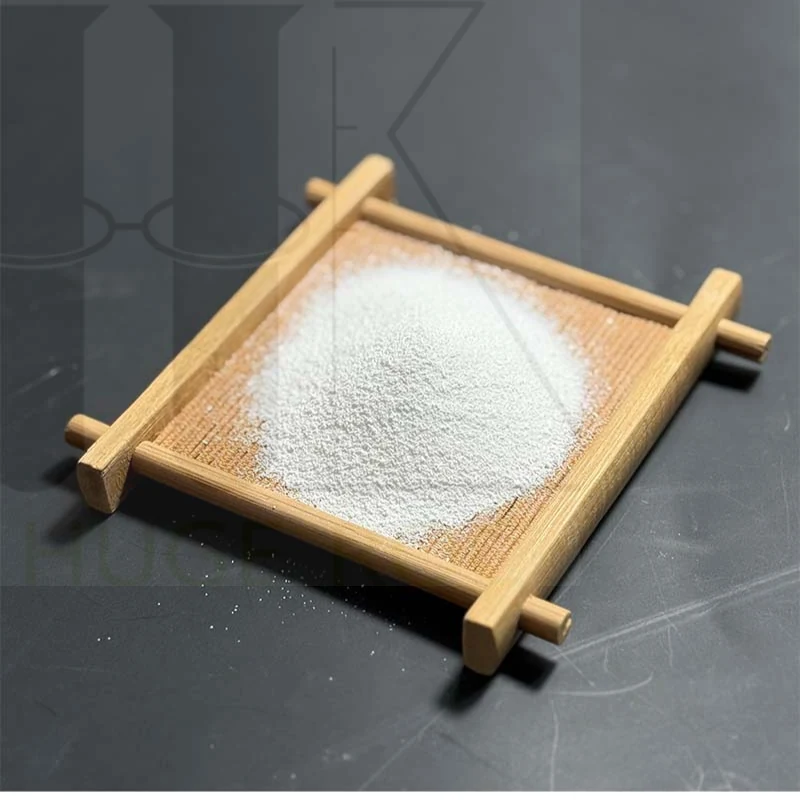
Free acetic acid 39.0-41.0% and sodium acetate 58.0-60.0%, a defined ratio rather than a blend of convenience
View details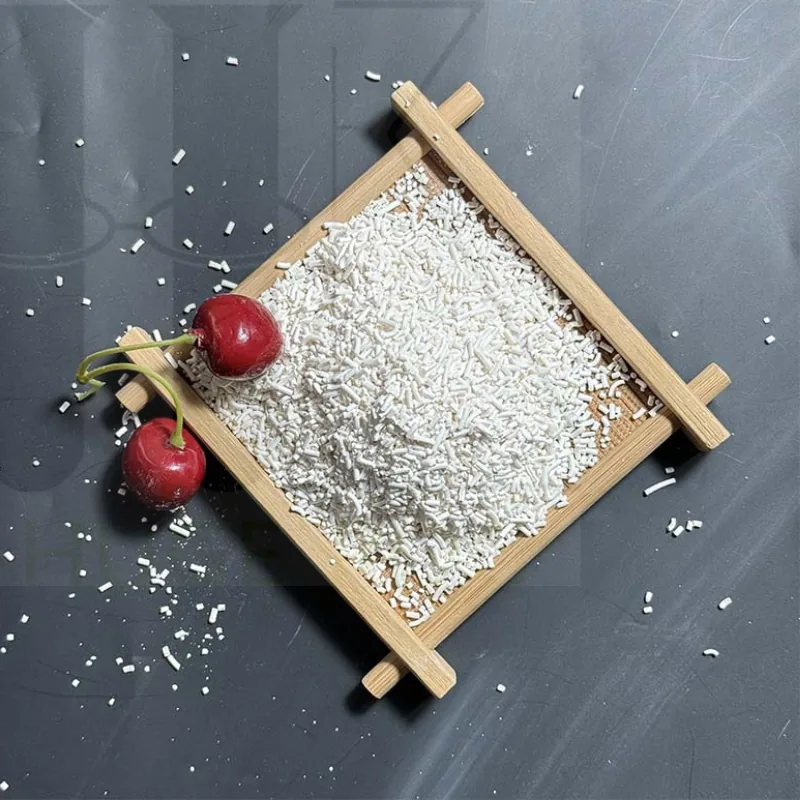
Meets FCC and E202 standards with high purity and low odour
View details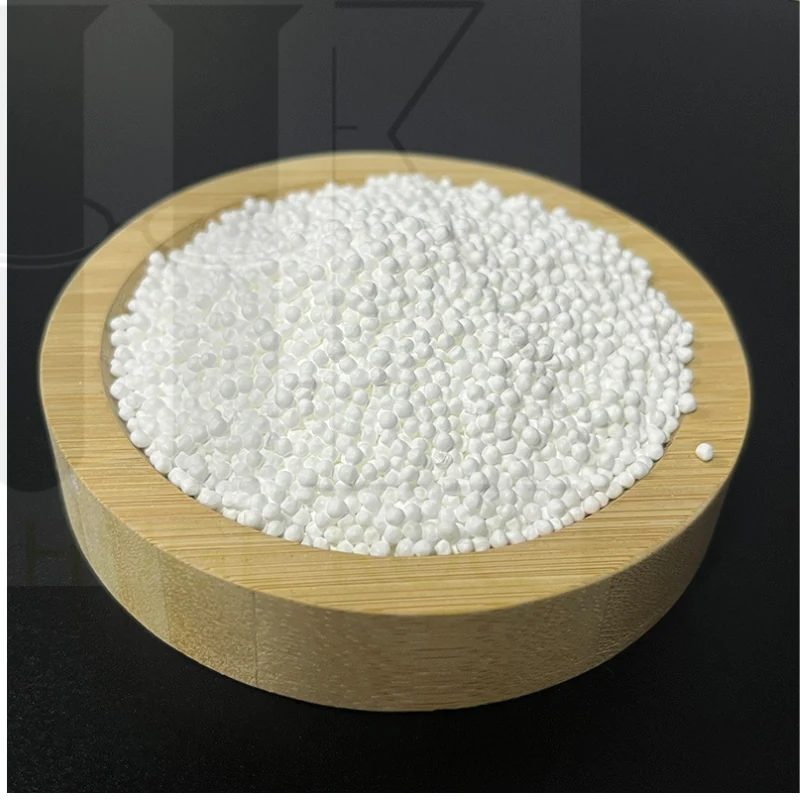
Broad activity against mould, yeast and bacteria in one preservative
View details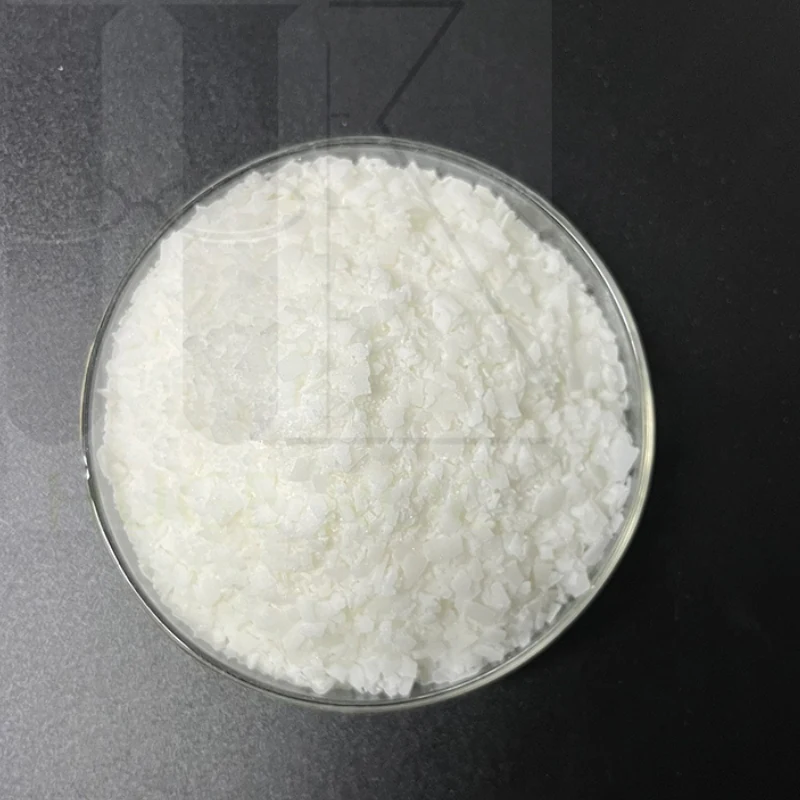
Three particle grades, fine powder, granular and coarse, so dissolution and dust are matched to the process
View details