 Request A Quote
Request A Quote
Request A Quote
Animal Healthcare
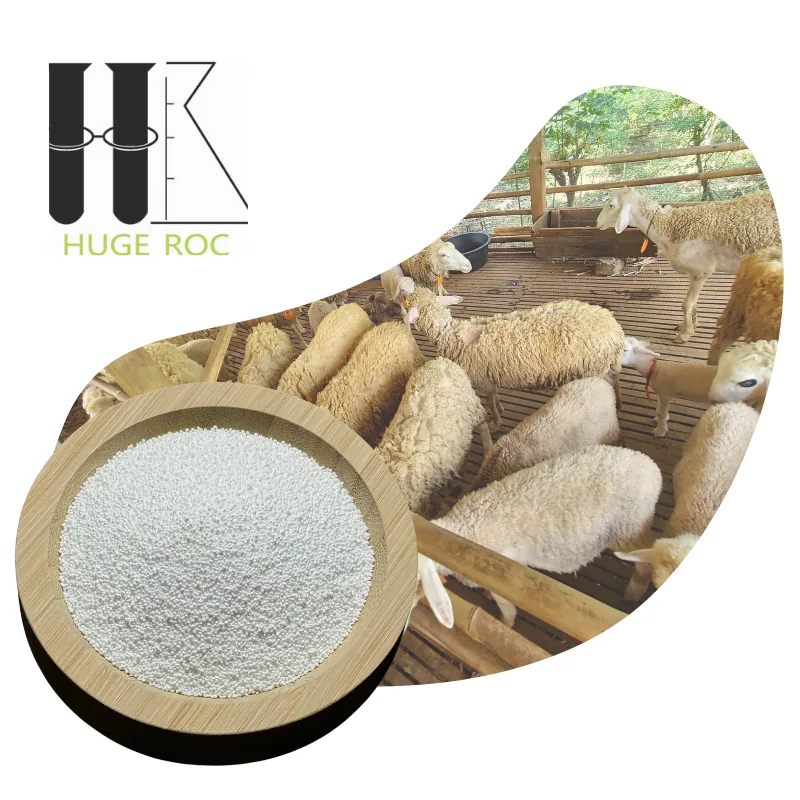
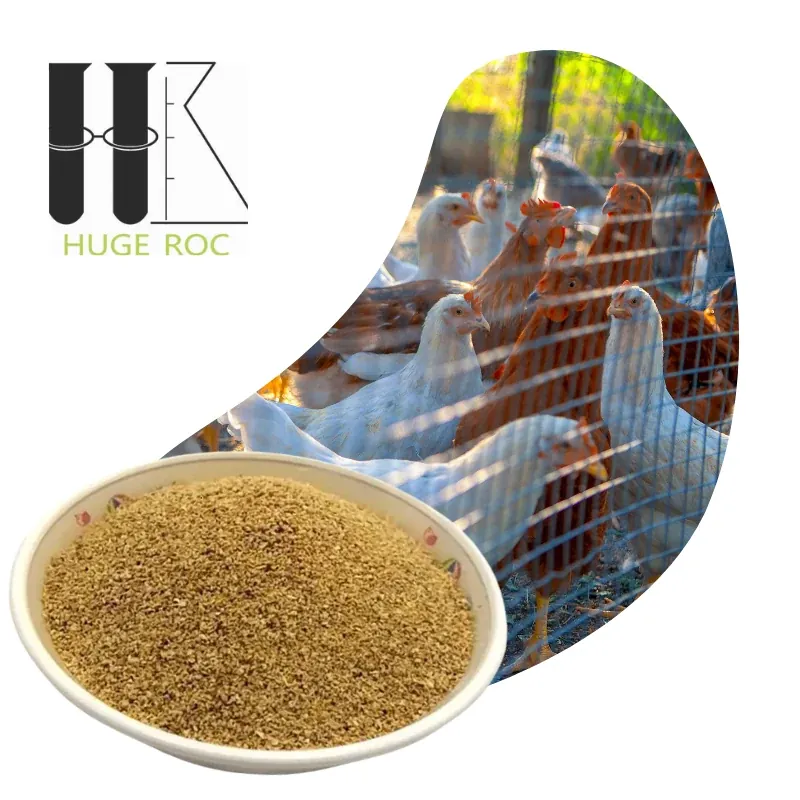
Choline chloride is the most commonly used and most economical form of choline in feed. At 60% content on a carrier it functions as a nutrient that promotes the resynthesis of amino acids in the animal body and improves immunity and nutrient absorption, which reduces the chance of disease. It is used in pigs, cattle, chickens and in fish and shrimp, improving the quality, safety and nutritional value of meat and egg products while improving the animal's physique.
Send the quantity and destination port and you get the grade recommendation, the analytical specification, the packing format and the container loading in one reply.
| Content | 60.0% max |
|---|---|
| Loss on ignition | 4.0% max |
| Ash | 6.0% max |
| Heavy metals as Pb | 0.002% max |
| Trimethylamine | 300 ppm max |
| Chlorides | Thin, 20 sieves |
Betaine hydrochloride and betaine anhydrous can partially replace choline chloride as methyl donors and avoid the trimethylamine odour. Choline chloride 60% remains the most economical way to meet the choline requirement itself, and the betaines are used alongside it rather than instead of it where cost is the constraint.
FAQ
Choline chloride 60%, specified at 60.0% max content with loss on ignition 4.0% max and ash 6.0% max.
Pigs, cattle, chickens, and fish and shrimp in aquaculture.
It acts as a nutrient that promotes the resynthesis of amino acids in the animal body and improves immunity and nutrient absorption, reducing the chance of disease.
300 ppm max, which controls the characteristic odour.
Heavy metals as Pb 0.002% max.
Dry and sealed. Choline chloride products pick up moisture from the air.
Related
Higher purity and better stability than betaine hydrochloride
View details
Purity 99.8% min, so the magnesium contribution per kilo is predictable in a ration calculation
View detailsStable and sustained release of butyric acid rather than an immediate foregut release
View details
Stable glyceride form without the odour and corrosion of free butyric acid
View details