 Request A Quote
Request A Quote
Request A Quote
Plant Protein
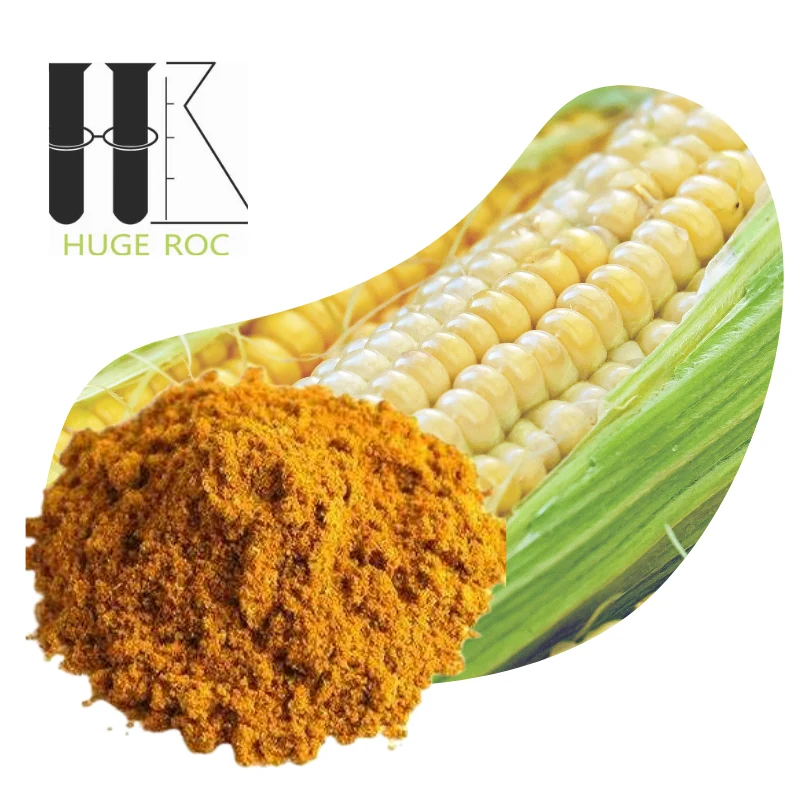
Corn Gluten Meal is extracted from high-quality non-GMO yellow corn during wet milling, as a by-product of starch or syrup production, then dried and milled into a fine free-flowing yellow powder. It typically carries 60-70% crude protein, rich in methionine, leucine and zeaxanthin, with good digestibility and bioavailability. The xanthophyll content gives it a second job as a natural pigment, which is why poultry and pet food formulators value it beyond the protein alone.
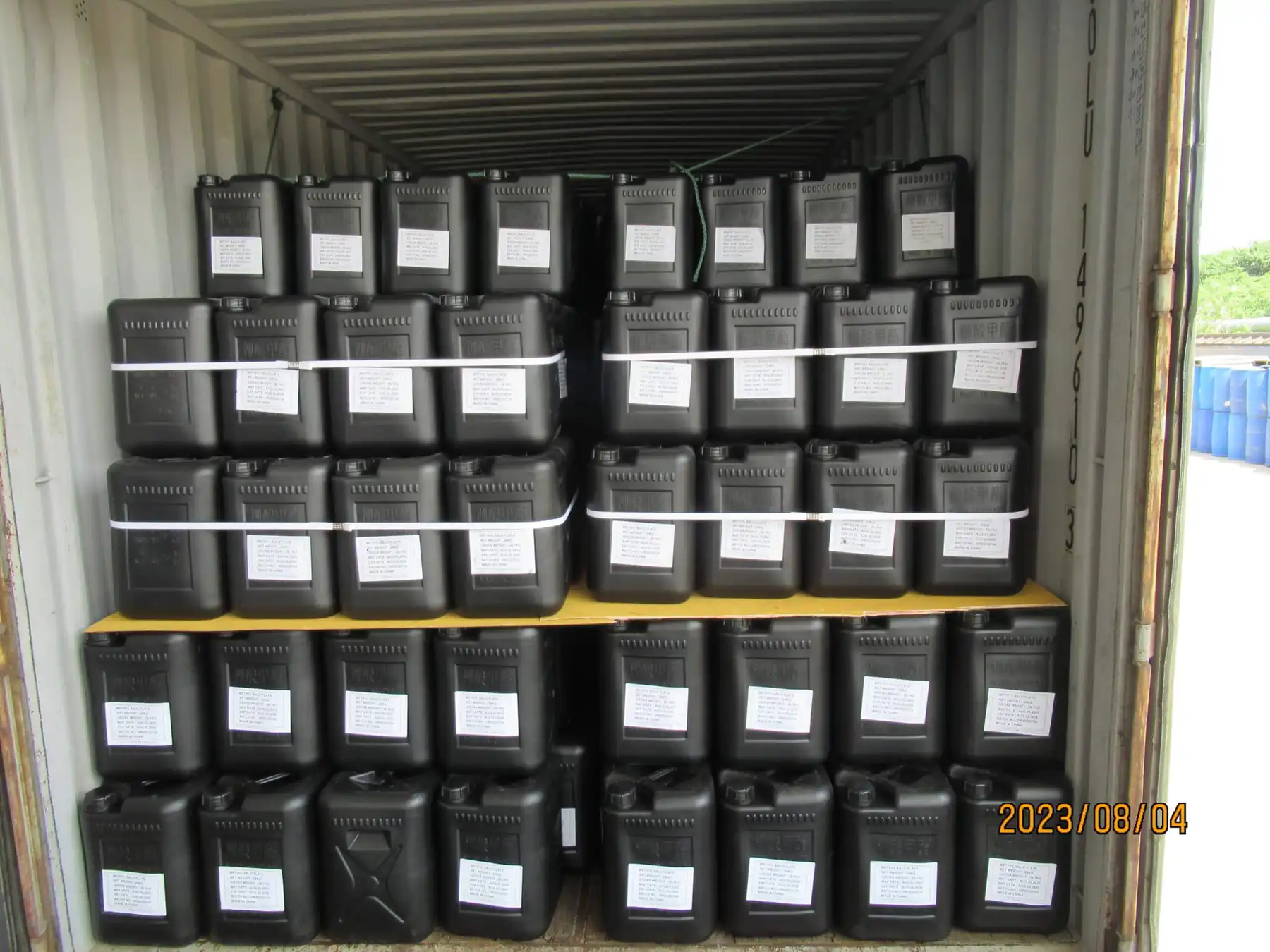
Send the quantity and destination port and you get the grade recommendation, the analytical specification, the packing format and the container loading in one reply.
| Crude protein | 60% - 70% |
|---|---|
| Appearance | Fine free-flowing yellow powder |
| Status | Non-GMO, free from antibiotics and hormones |
| Functional properties | High protein density, natural pigmentation, binding capacity |
Soy protein carries a more balanced amino acid profile for monogastrics, and pea protein suits allergen-sensitive formulations. Corn gluten meal is the one to choose for protein density with natural pigmentation, and where methionine rather than lysine is the limiting amino acid in the ration.
FAQ
Corn gluten meal typically contains 60% to 70% crude protein.
Yes, it is extracted from high-quality non-GMO yellow corn and is free from antibiotics and hormones.
It contains xanthophylls including zeaxanthin, which provide natural pigmentation in poultry and pet food.
Methionine and leucine, along with a high overall protein density.
It complies with international feed-grade standards and is certified under ISO, GMP+, HACCP and FAMI-QS.
Yes, custom specifications such as protein percentage, moisture and mesh size are available on request.
It is a by-product of the wet milling process during starch or syrup production, then dried and milled into a fine free-flowing yellow powder.
Related
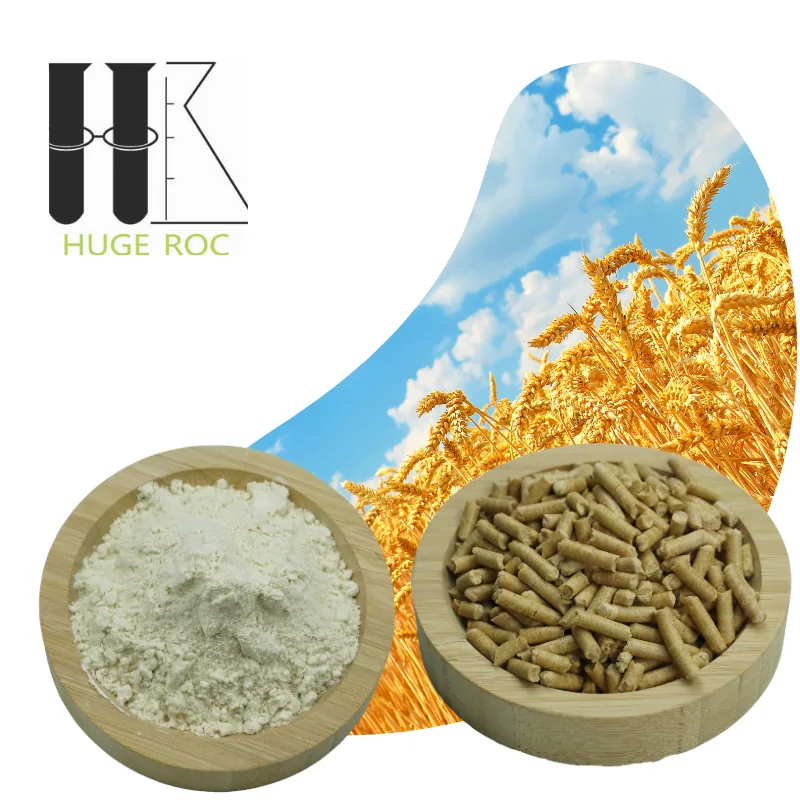
75-82% protein, rich in glutenin and gliadin with excellent digestibility
View details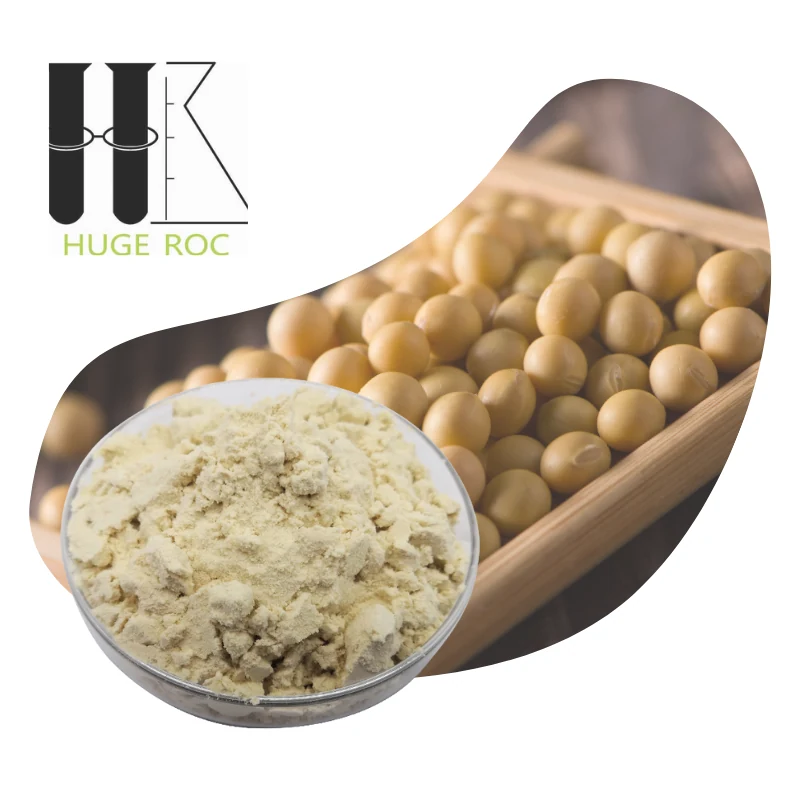
Two grades, SPI at 90% min protein and SPC at 65-70%, so protein cost is matched to the formulation
View details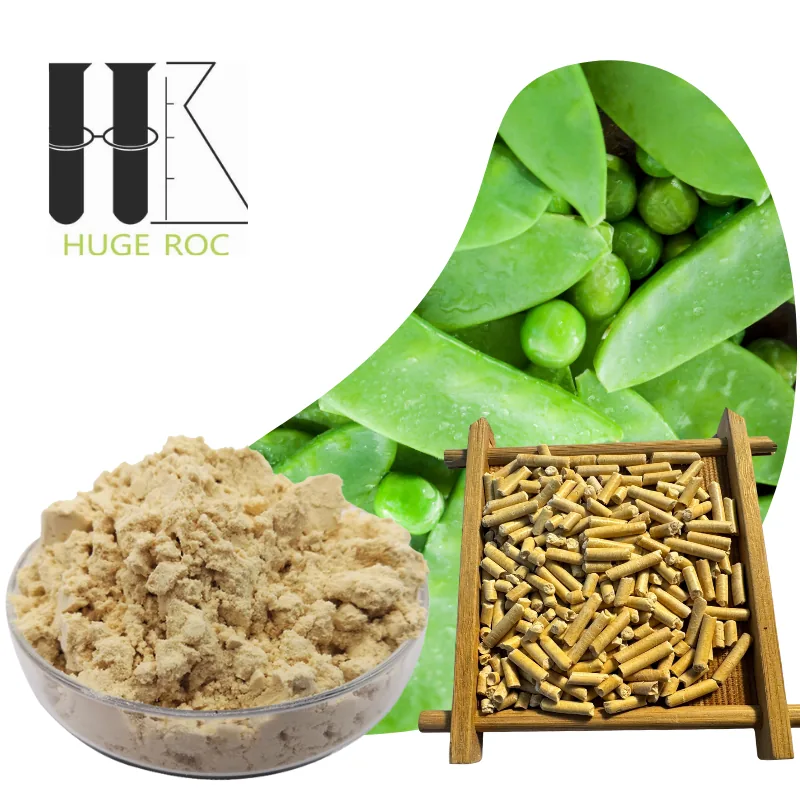
Protein content 80% min with a complete amino acid profile
View details
Assay not less than 85.0% H3PO4 held to a food-grade specification, not a technical-grade range
View details