 Request A Quote
Request A Quote
Request A Quote
Preservative
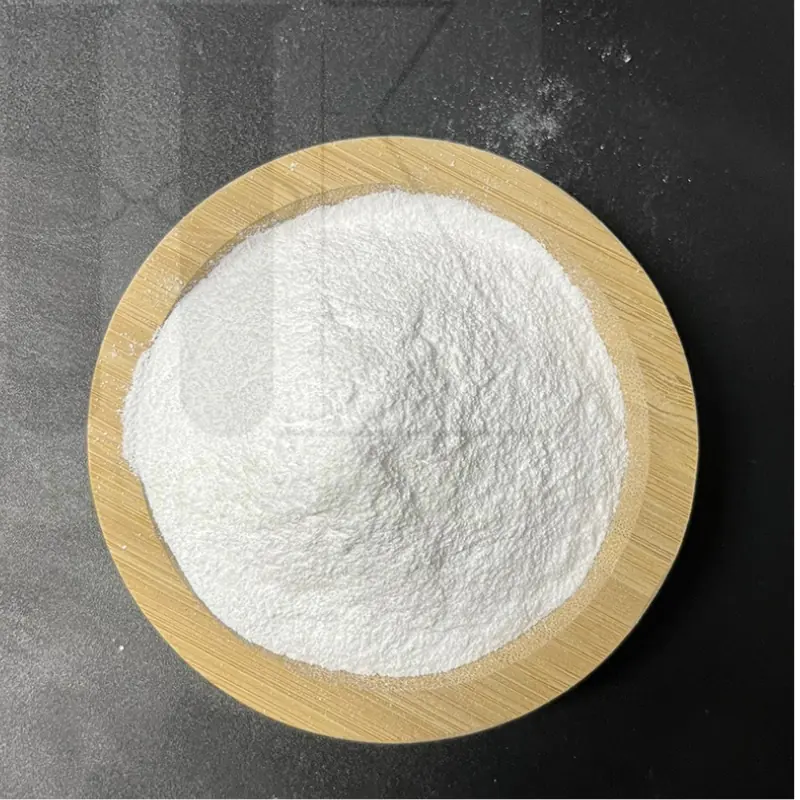
Sodium Propionate (E281) is the sodium salt of propionic acid, a white crystalline solid or granular powder with a faint propionic acid odour and high water solubility. It inhibits mould and some bacteria, which makes it a standard preservative in bread, cakes and pastries and in compound feed and silage. The analysis shown reports assay 99.59% against a 99.0-100.5% specification, with loss on drying 0.73%, pH 7.93, and iron and heavy metals both under limit.
Send the quantity and destination port and you get the grade recommendation, the analytical specification, the packing format and the container loading in one reply.
| Assay | 99.0 - 100.5% (result 99.59) |
|---|---|
| Loss on drying | 1.0% max (result 0.73) |
| Alkalinity | 0.15% max |
| pH | 7 - 9 (result 7.93) |
| Iron | 0.003% max |
| Heavy metals | 0.0002% max |
Calcium propionate carries calcium instead of sodium and supplies at least 18% Ca, which matters where sodium intake is being reduced. Sodium propionate dissolves more readily, which suits liquid and dough systems where fast even distribution is the priority.
FAQ
99.0 to 100.5%, with a reported analysis result of 99.59%.
7 to 9, with a reported result of 7.93 and alkalinity 0.15% max.
Bread, cakes and pastries mainly, plus cheese and processed meats.
Yes, it is added to compound feed and silage to prevent microbial contamination, improve storage stability and enhance feed hygiene.
Sodium propionate is the more soluble sodium salt; calcium propionate supplies calcium at 18% min and avoids adding sodium.
Heavy metals 0.0002% max and iron 0.003% max, both reported under limit.
Related
Free acetic acid 39.0-41.0% and sodium acetate 58.0-60.0%, a defined ratio rather than a blend of convenience
View details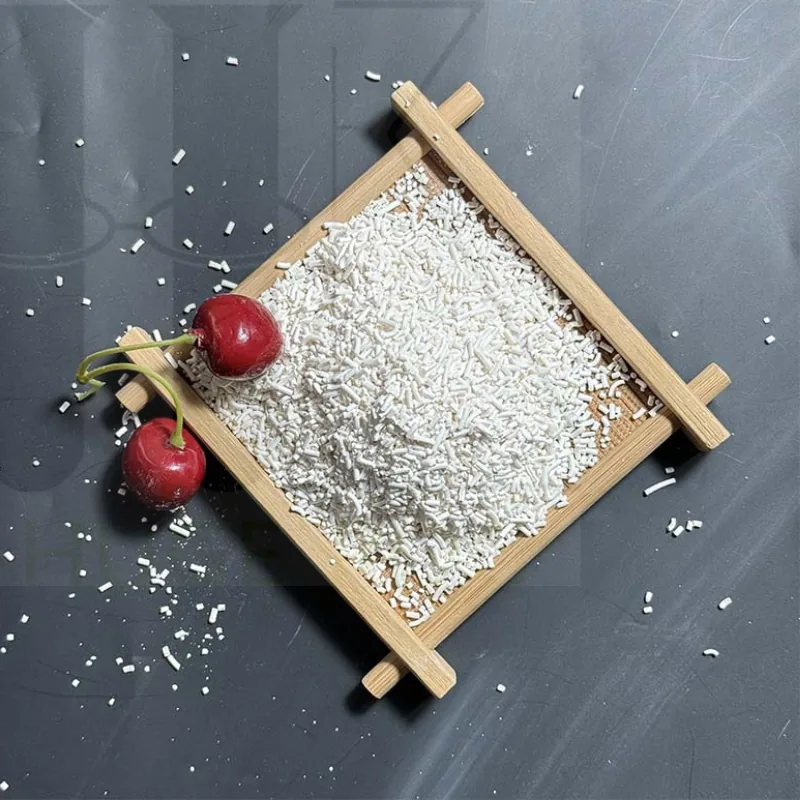
Meets FCC and E202 standards with high purity and low odour
View details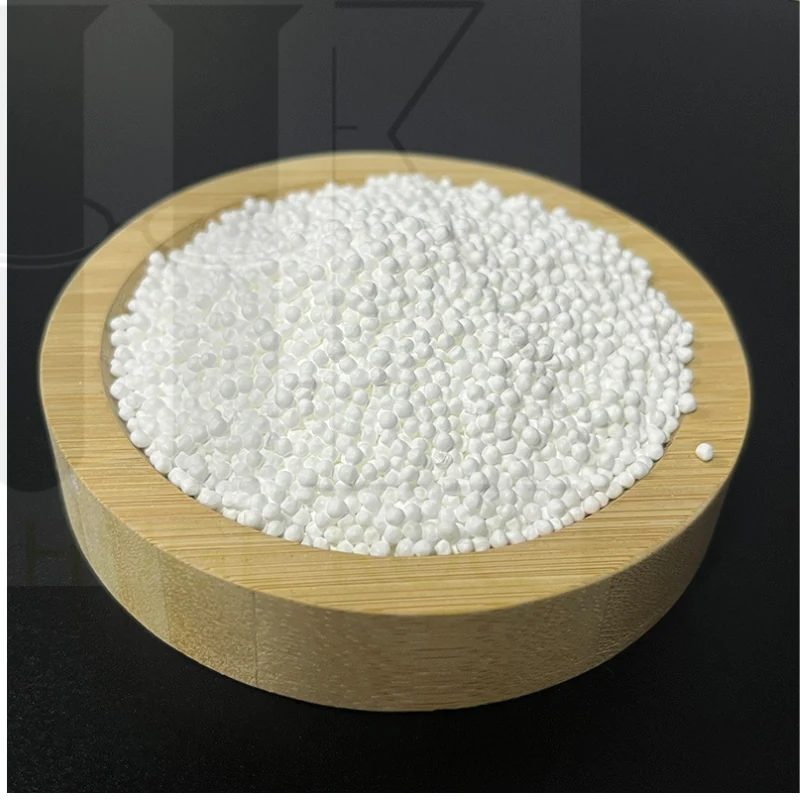
Broad activity against mould, yeast and bacteria in one preservative
View details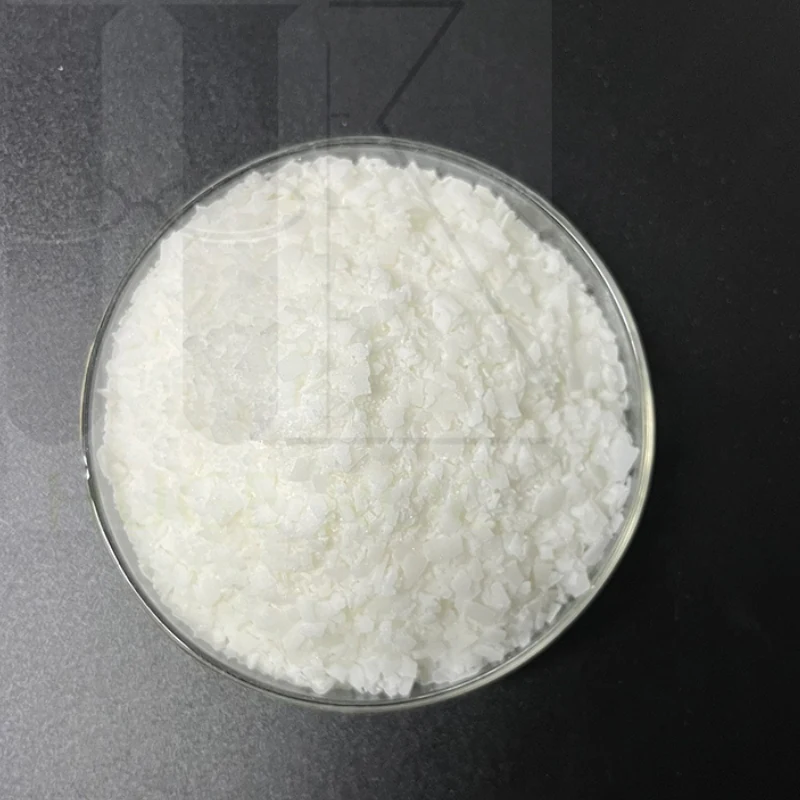
Three particle grades, fine powder, granular and coarse, so dissolution and dust are matched to the process
View details