 Request A Quote
Request A Quote
Request A Quote
Sweeteners
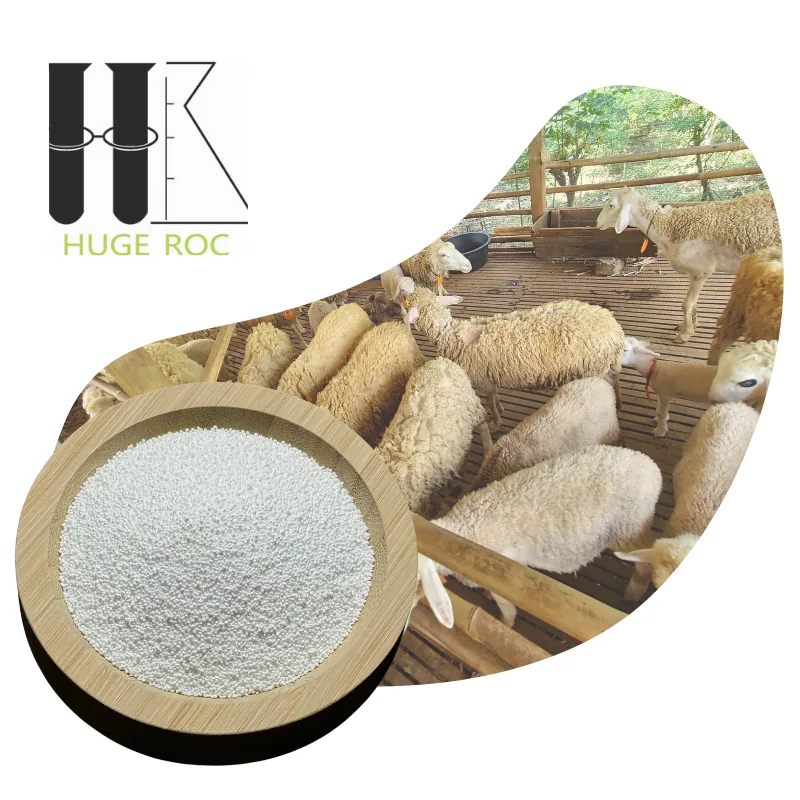
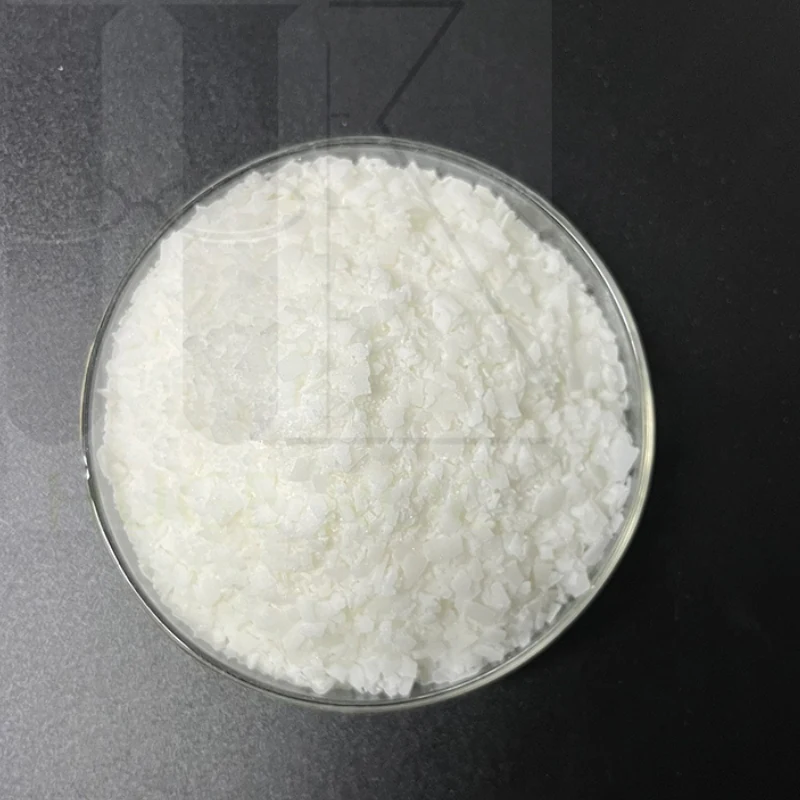
Sorbitol is a white hygroscopic powder, crystalline powder, flake or particle, odourless, with a cool sweet taste at about half the sweetness of sucrose and a calorific value similar to sucrose. The food industry generally works with the 69-71% solution, a colourless transparent viscous liquid that is neutral to litmus and mixes with water, glycerol and propylene glycol. That miscibility is what makes it a humectant as much as a sweetener.
Send the quantity and destination port and you get the grade recommendation, the analytical specification, the packing format and the container loading in one reply.
| Forms available | Powder, crystalline powder, flake, particle, 69-71% solution |
|---|---|
| Sweetness | About 50% of sucrose |
| Reaction to litmus | Neutral |
| Miscibility | Water, glycerol, propylene glycol |
| Hygroscopicity | Hygroscopic, keep sealed |
Against sucrose, sorbitol gives about half the sweetness at a similar calorific value with far better moisture retention and a cool mouthfeel. Choose the 69-71% solution where liquid dosing exists and the solid forms where the process is dry-blended.
FAQ
About half the sweetness of sucrose, with a calorific value similar to sucrose and a cool sweet taste.
The food industry commonly uses the 69-71% solution, a colourless transparent viscous liquid. Powder, crystalline powder, flake and particle forms are also available.
Yes, sorbitol solution can be mixed with water, glycerol and propylene glycol, and it is neutral to litmus.
Yes, as a vitamin C raw material, a moisture regulator for toothpaste, cosmetics and tobacco, in resin and plastic synthesis, and as a thickener and hardener.
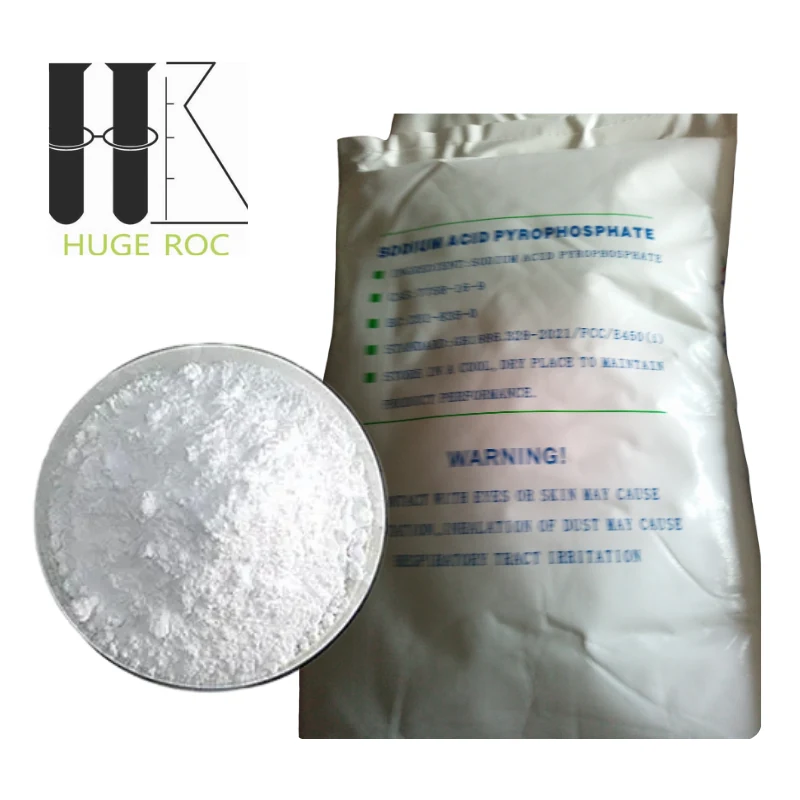
The published combination is sucrose 2.1%, sorbitol 3.15% and composite phosphate 1.00%, which reduces the water activity of dried fish fillets and improves Ca ATPase activity.
Sealed and dry. Sorbitol is hygroscopic and will pick up moisture from the air.
Related
No water of crystallisation, so the dry-solids basis is fixed and no moisture correction is needed
View details
200 times the sweetness of sucrose, so dosage and freight per unit of sweetness are tiny
View details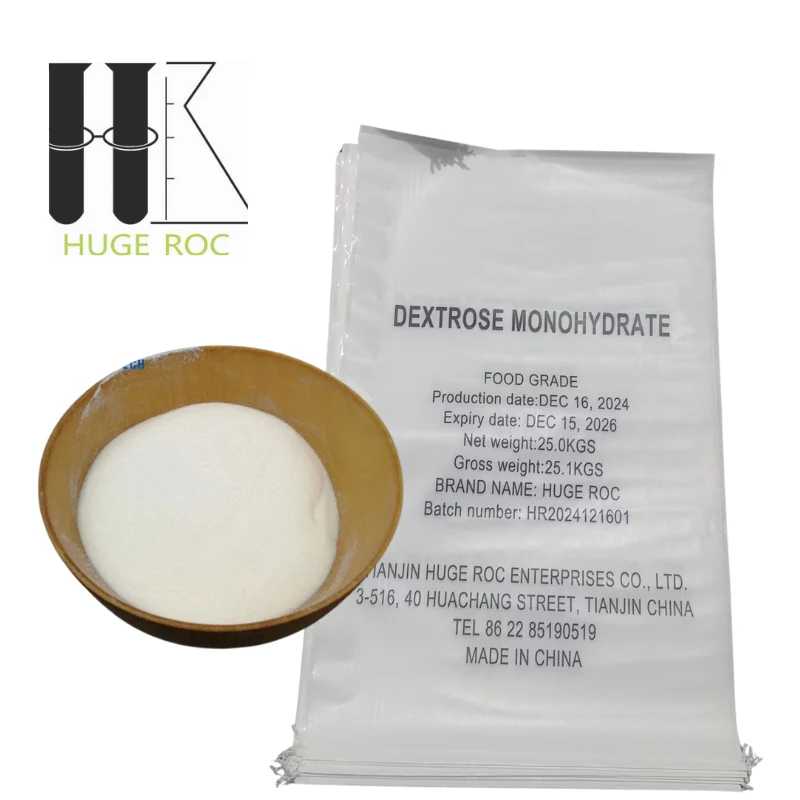
Assay 99.5% min with a full microbiological specification, not only a chemical one
View details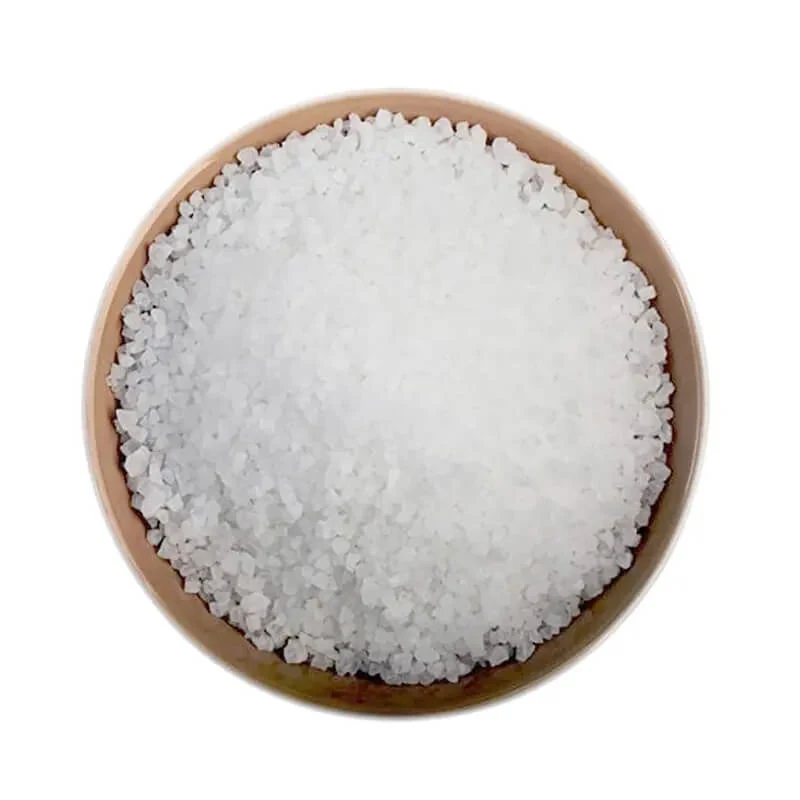
Assay 99.0-101.0% with identification by infrared absorption spectrophotometry
View details