 Request A Quote
Request A Quote
Request A Quote
Plant Protein
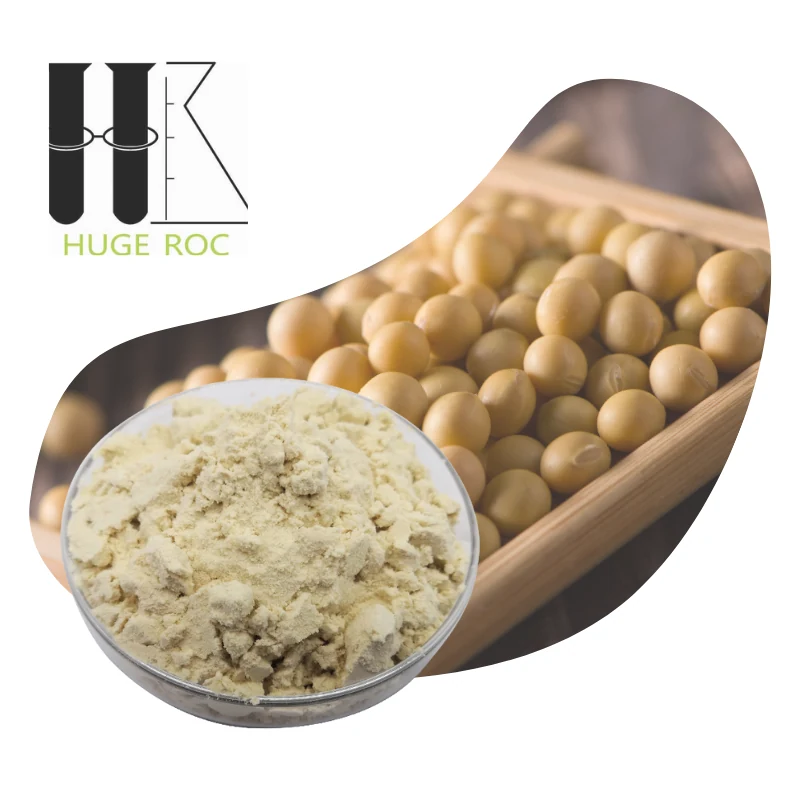
Soy Protein is extracted from high-quality non-GMO soybeans by defatting, separation and spray drying, and is supplied in two forms: Soy Protein Isolate at 90% min protein and Soy Protein Concentrate at 65-70% protein. It is rich in arginine and glutamine with a complete amino acid profile and high biological value, and it brings emulsifying, water-binding, gel-forming and texturising function into a formulation as well as protein.
Send the quantity and destination port and you get the grade recommendation, the analytical specification, the packing format and the container loading in one reply.
| SPI protein | 90% min |
|---|---|
| SPC protein | 65% - 70% |
| Status | Non-GMO, gluten-free, cholesterol-free, low saturated fat |
| Key amino acids | Arginine and glutamine |
| Functional properties | Emulsifying, water-binding, gel-forming, texturising |
Pea protein is the allergen-friendly alternative and is richer in lysine and BCAAs; vital wheat gluten builds structure rather than supplying a complete profile. Soy protein sits between them, with the most complete amino acid profile of the three plus strong emulsifying and gelling function, and it is the only one offered in both a 90% isolate and a 65-70% concentrate.
FAQ
Soy Protein Isolate contains 90% min protein and Soy Protein Concentrate 65% to 70%. The isolate suits high protein claims and clean gels, the concentrate suits cost-led formulations.
Yes, it is extracted from high-quality non-GMO soybeans and is also gluten-free, cholesterol-free and low in saturated fat.
Arginine and glutamine, within a complete amino acid profile of high biological value.
Emulsifying, water-binding, gel-forming and texturising, which improve mouthfeel and structure in meat analogues and dairy substitutes.
HALAL, KOSHER, ISO and HACCP certifications are available, and the products comply with global food safety standards.
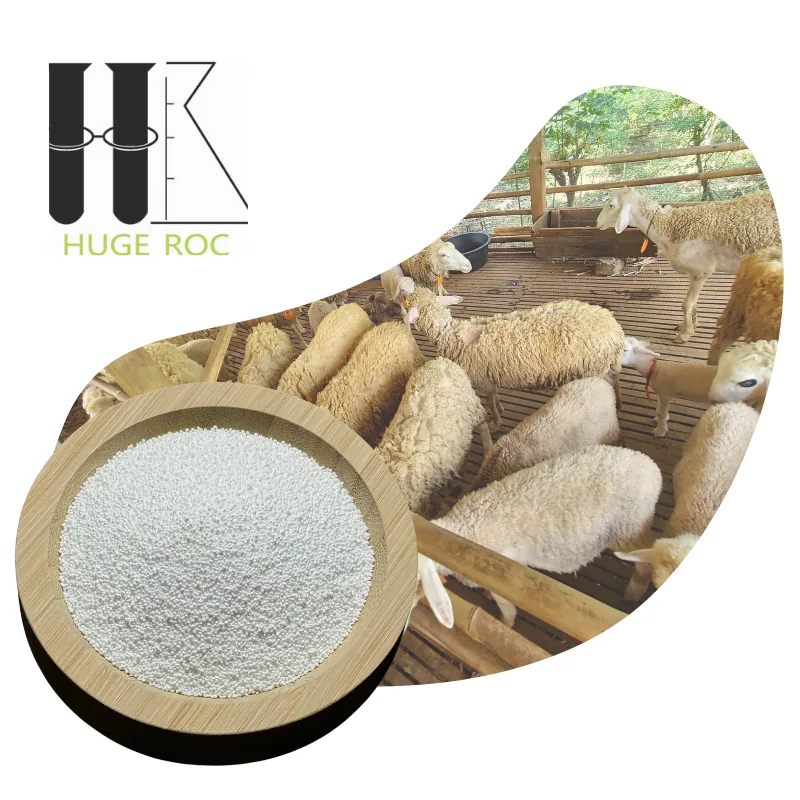
Yes, it is widely applied in animal feed and aquaculture formulations for its high protein efficiency.
Related
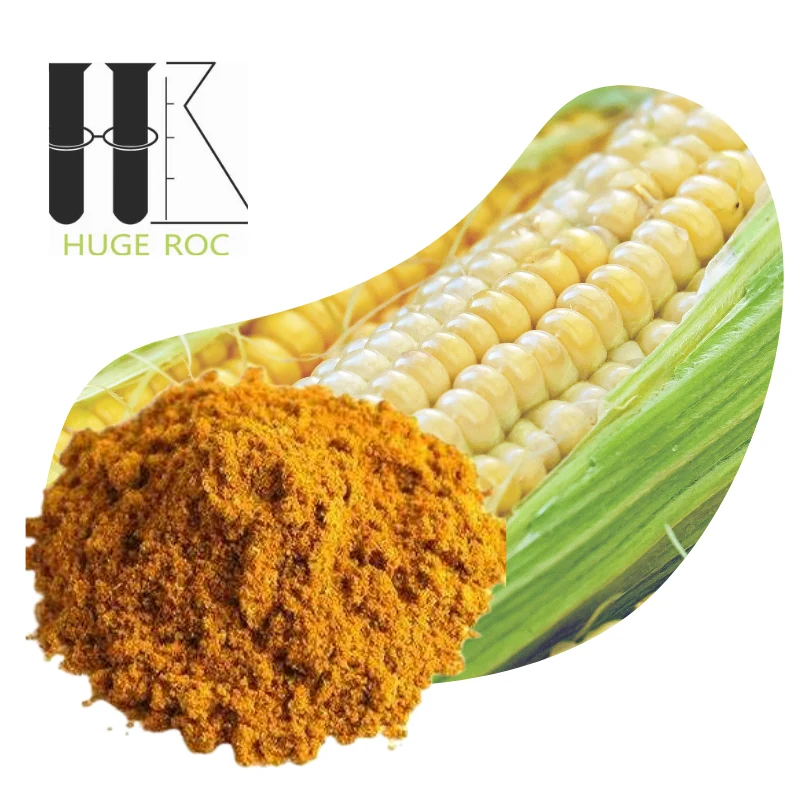
60-70% crude protein with good digestibility and bioavailability
View details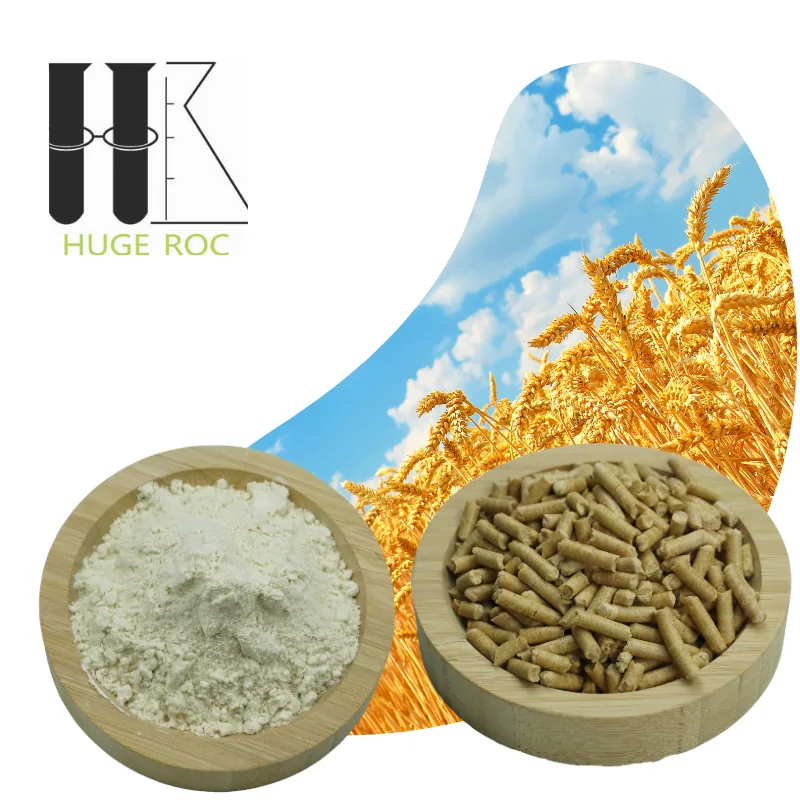
75-82% protein, rich in glutenin and gliadin with excellent digestibility
View details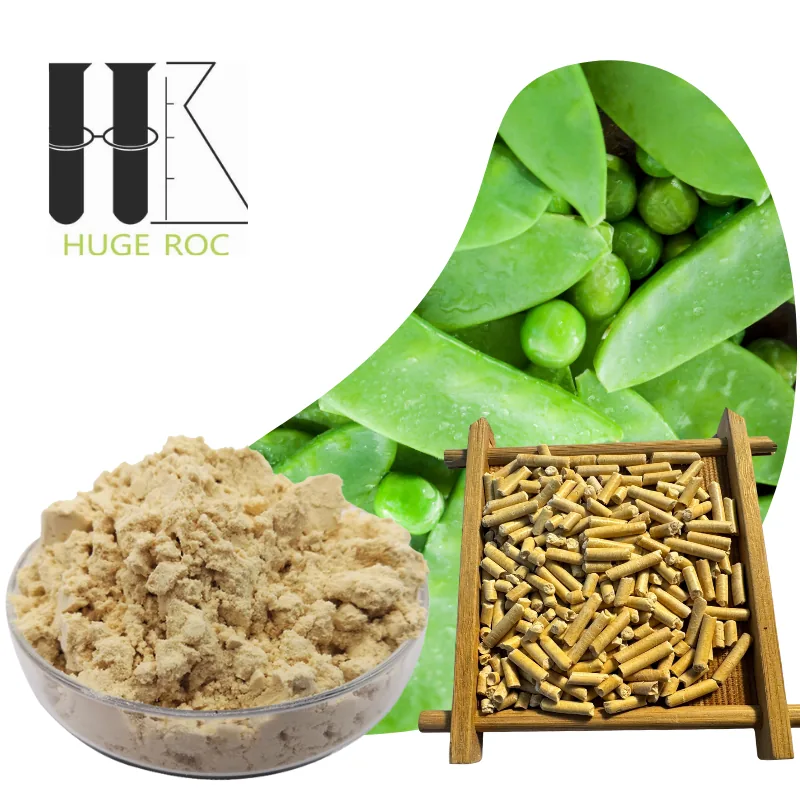
Protein content 80% min with a complete amino acid profile
View details
Assay not less than 85.0% H3PO4 held to a food-grade specification, not a technical-grade range
View details