 Request A Quote
Request A Quote
Request A Quote
Preservative
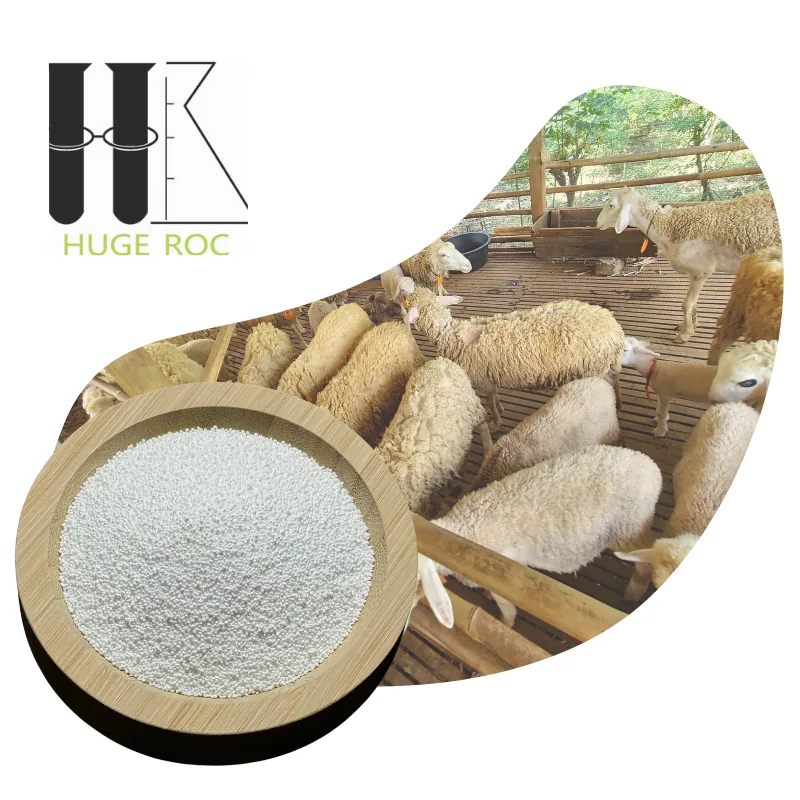
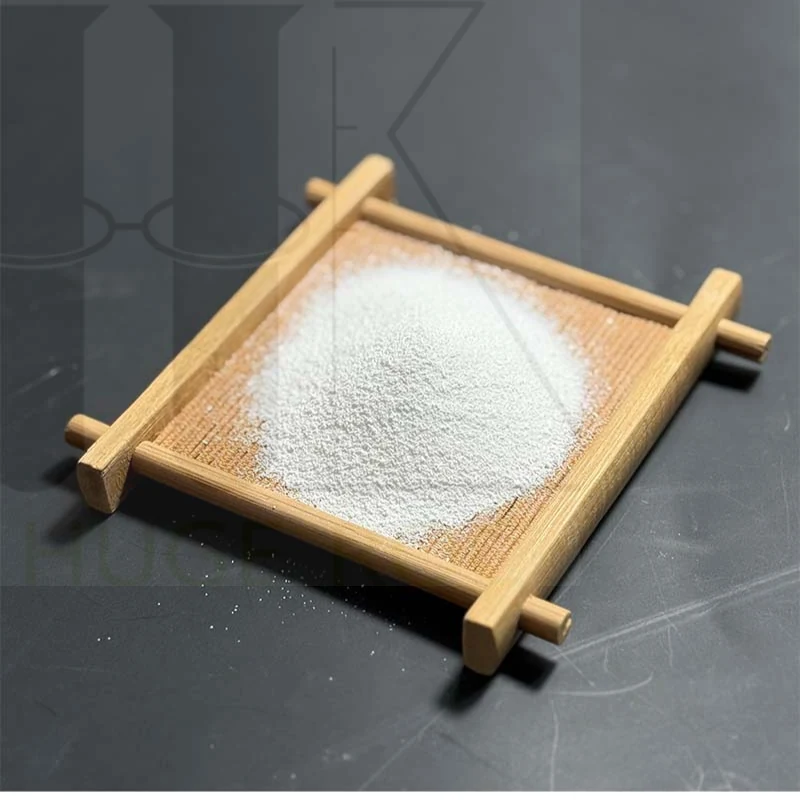
Sodium Diacetate is a white crystalline powder with a characteristic vinegar-like smell, a highly effective preservative and acidity regulator for both food and feed. Its specification is built around the acetic acid it carries: free acetic acid 39.0-41.0% and sodium acetate 58.0-60.0%, giving a 10% solution pH of 4.5-5.0. That combination is what suppresses Listeria and Salmonella in meat and mould in bakery, while also acting as a flavour enhancer.
Send the quantity and destination port and you get the grade recommendation, the analytical specification, the packing format and the container loading in one reply.
| Free acetic acid | 39.0 - 41.0% |
|---|---|
| Sodium acetate | 58.0 - 60.0% |
| Moisture | 2% max |
| pH value, 10% aqueous solution | 4.5 - 5.0 |
| Formic acid and easily oxidised substances | 0.2% max |
| Heavy metal content as Pb | 0.0002% max |
Calcium propionate is the specialist mould inhibitor for bread and gives no vinegar note. Sodium diacetate brings a tangy vinegar flavour that is wanted in snacks and meats, and it regulates pH and enhances flavour at the same time, so it replaces two or three additives where that taste profile suits the product.
FAQ
Free acetic acid 39.0 to 41.0% with sodium acetate 58.0 to 60.0%.
4.5 to 5.0 measured on a 10% aqueous solution.
It inhibits bacterial growth particularly against Listeria and Salmonella.
Yes, as a mould inhibitor, pH buffer in livestock diets, appetite enhancer for poultry and swine, growth promoter in aquaculture and to support ketosis prevention in dairy cows.
Yes, it contributes a tangy vinegar-like taste, which is used deliberately as a flavour enhancer in chips and processed foods.
Yes, TDS, MSDS and a sample COA are available for Sodium Diacetate in the document centre.
Related
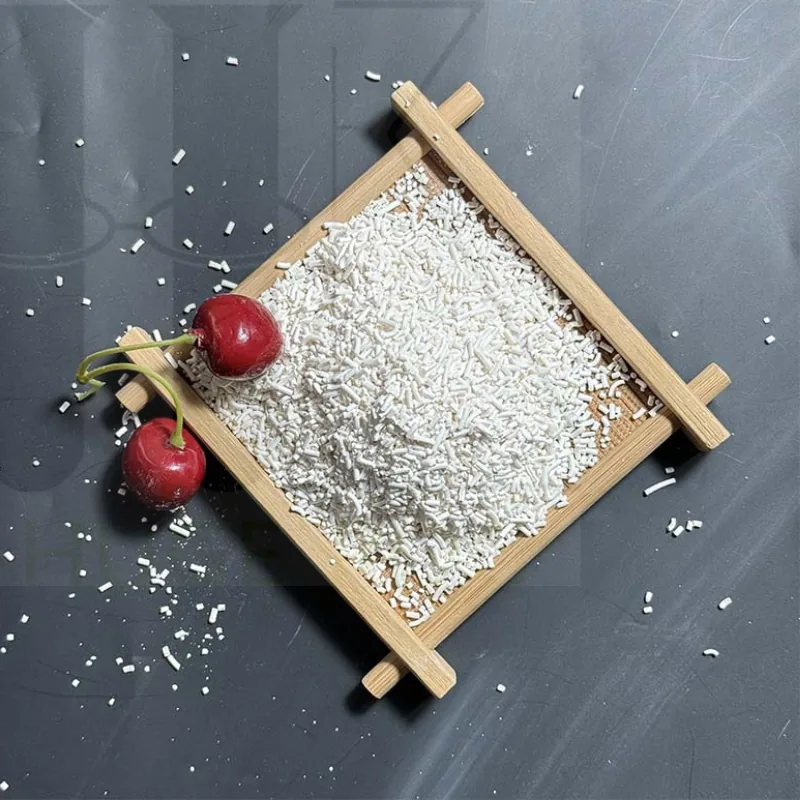
Meets FCC and E202 standards with high purity and low odour
View details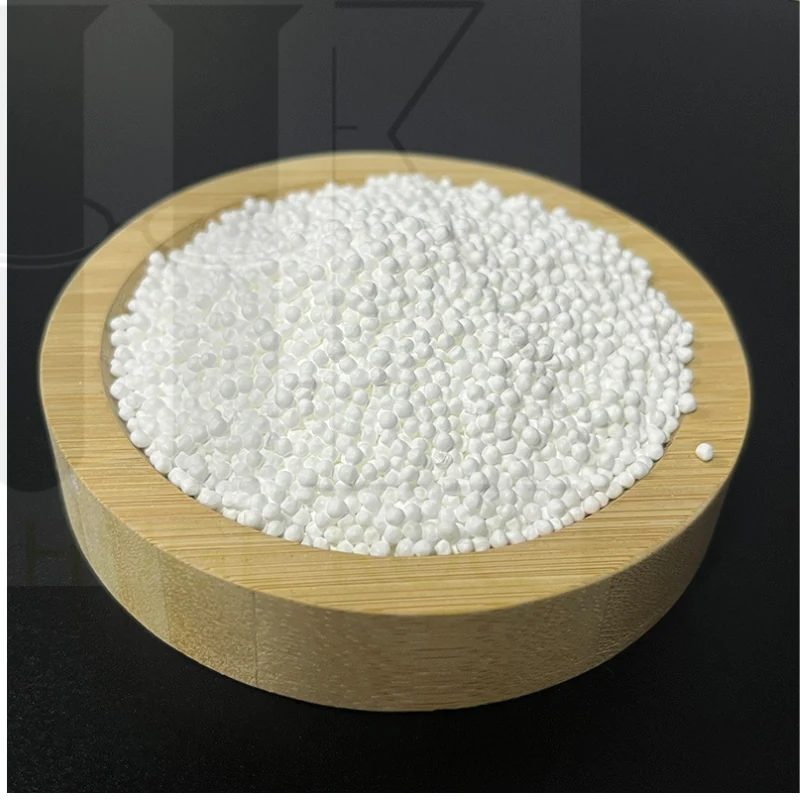
Broad activity against mould, yeast and bacteria in one preservative
View details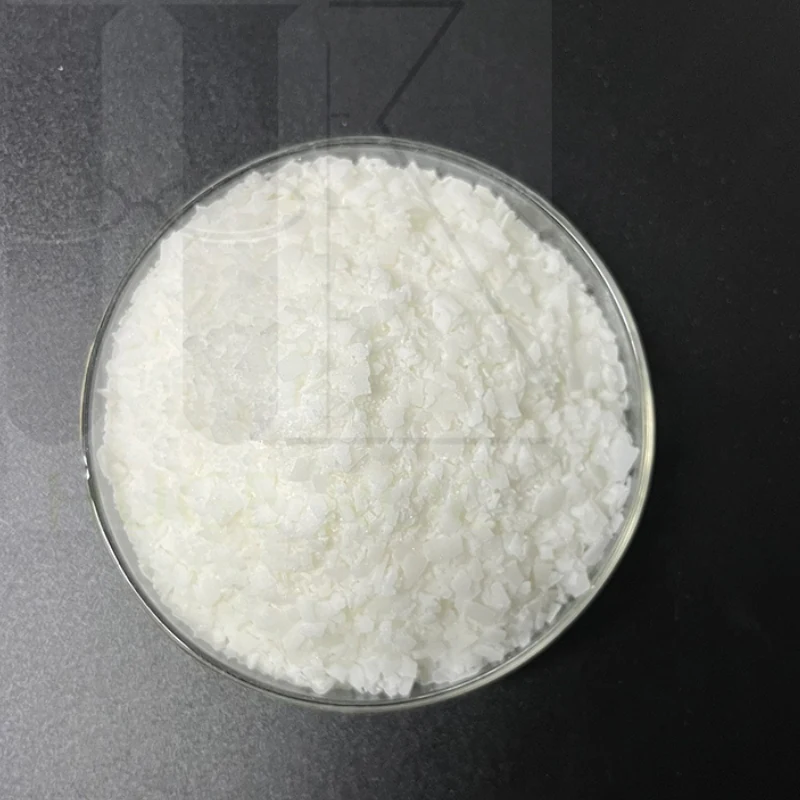
Three particle grades, fine powder, granular and coarse, so dissolution and dust are matched to the process
View details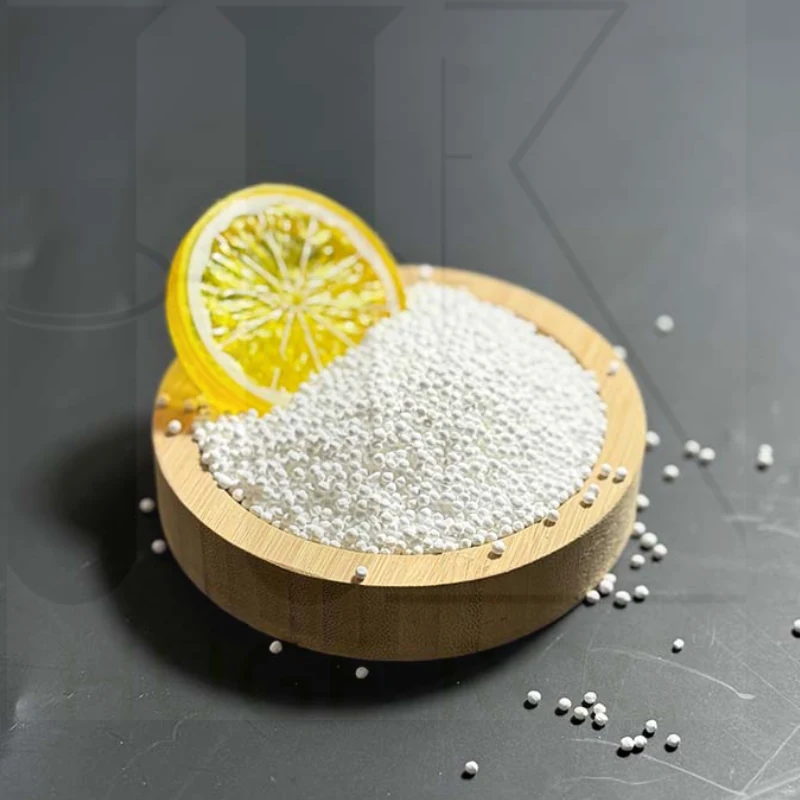
Anhydrous and monohydrate forms, powder and granular types, matched to different processing needs
View details