 Request A Quote
Request A Quote
Request A Quote
Selection guide
Choosing between sodium butyrate, calcium butyrate, monobutyrin and tributyrin by where in the gut the butyrate has to land.
Butyric acid is the main energy source for intestinal cells, but free butyric acid is impossible to handle: the odour contaminates a premix plant and it corrodes equipment. Every practical butyrate product is a compromise between where the butyrate is released and how easy the material is to dose.
Sodium butyrate powder at 98% min and calcium butyrate powder at 98% blend into a dry premix with no liquid addition equipment. Sodium butyrate adds sodium to the ration; calcium butyrate adds calcium at a pH of 7.0-10.0 instead. Both release mainly in the upper digestive tract.
Monobutyrin at 90% min is a monoglyceride oily liquid. It releases short-chain fatty acids early and is the option aimed at diarrhoea incidence in young stock, where the problem sits before the hindgut.
Tributyrin at 90% min is the triglyceride. It gives stable and sustained release of butyric acid further down the tract, which is what makes it the choice for hindgut condition and a longer antimicrobial effect.
Start with the dosing equipment: no liquid line means a powder. Then decide the target: diarrhoea in young stock points to monobutyrin, hindgut condition and FCR point to tributyrin, and general gut development on a dry line points to sodium or calcium butyrate depending on whether the ration has sodium or calcium headroom.
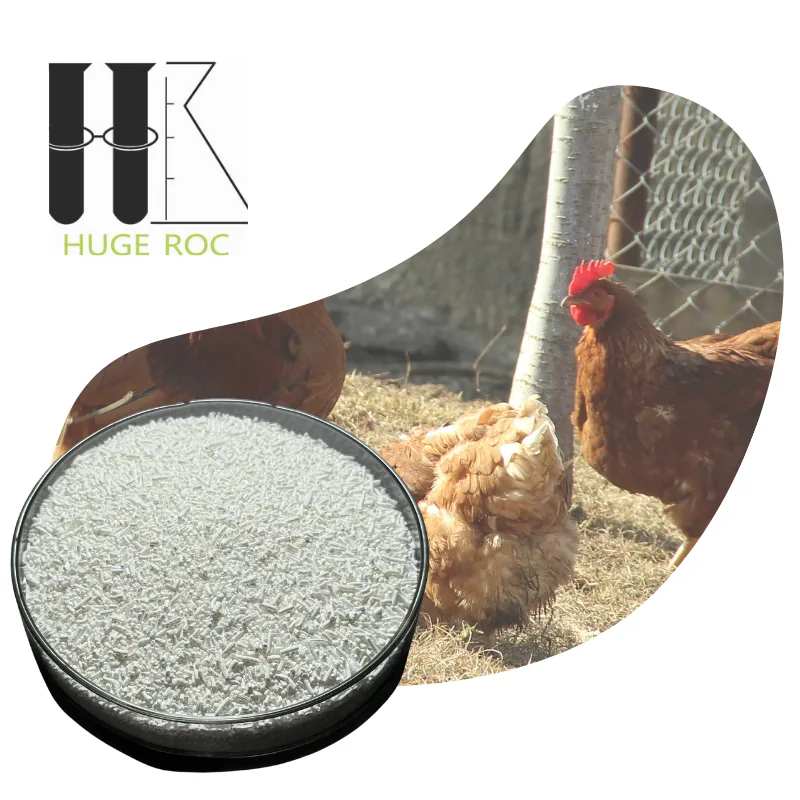
Assay 98% min, specified 98.0-101.0% on a dry basis, so the butyrate contribution is known
View details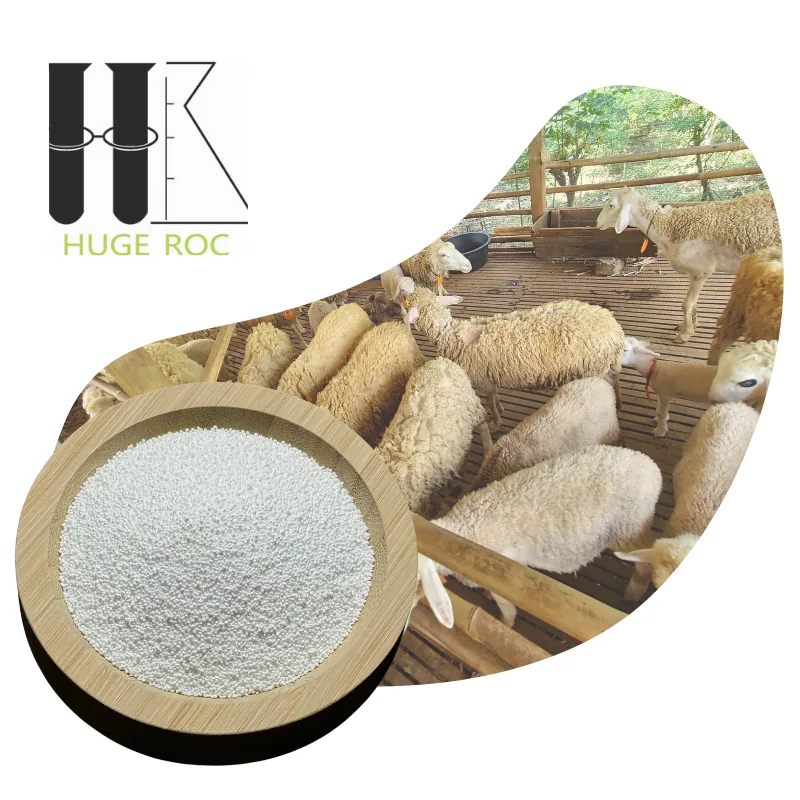
Stable calcium salt form, convenient for storage and transport compared with free butyric acid
View details
Stable glyceride form without the odour and corrosion of free butyric acid
View detailsStable and sustained release of butyric acid rather than an immediate foregut release
View details