 Request A Quote
Request A Quote
Request A Quote
Inorganic Salts
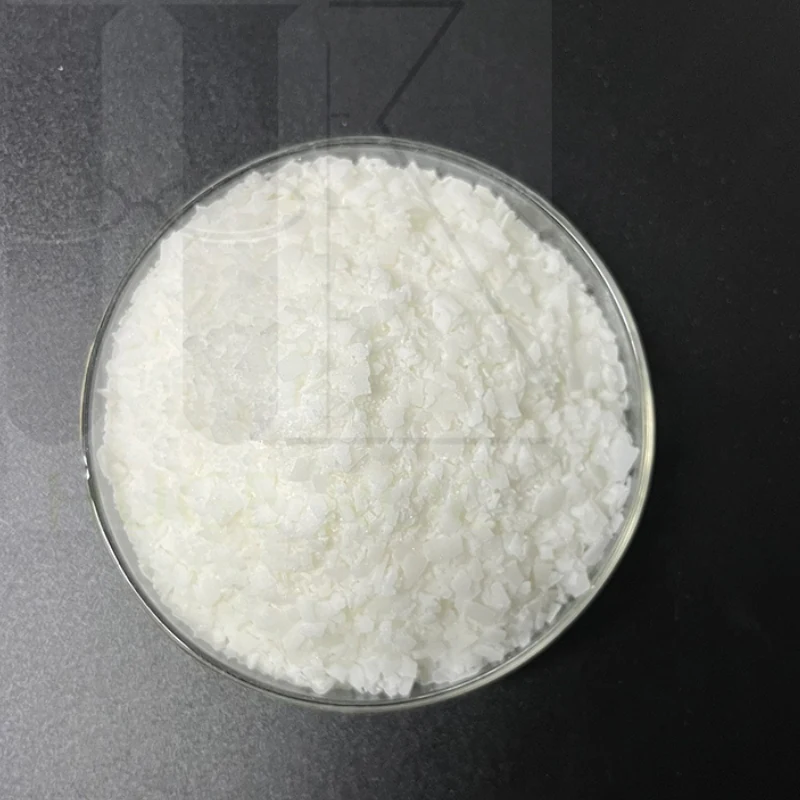
Sodium Metabisulphite is supplied at 97.0% min Na2S2O5 with SO2 at 65.0% min, the two numbers that decide how much active preservative is actually being bought. It works as a preservative, antioxidant and antimicrobial in dried, glazed and candied fruit, in onions and potatoes, in citrus and grape juice and in shrimp and prawn processing, and it is also the standard dechlorination chemical ahead of reverse osmosis membranes. Packing runs from 25 KG bags to 1200 KG jumbo bags at 27 MT per 20ft container.
Send the quantity and destination port and you get the grade recommendation, the analytical specification, the packing format and the container loading in one reply.
| Na2S2O5 content | 97.0% min |
|---|---|
| SO2 | 65.0% min |
| Iron as Fe | 30 ppm max |
| Heavy metal as Pb | 5 ppm max |
| Arsenic as As | 1 ppm max |
| Water insoluble | 0.02% max |
| pH, 10% solution | 4.0 - 4.6 |
Sodium bisulphite solutions are easier to dose but cost more to ship because most of the drum is water. Sodium metabisulphite is the dry form with 65% min available SO2, which makes it the economical choice for anything shipped internationally or stored in volume.
FAQ
Na2S2O5 at 97.0% min with SO2 at 65.0% min.
25 KG polypropylene woven or paper bags with an inner PE liner, and 1000 KG, 1100 KG or 1200 KG jumbo bags, loading 27 MT per 20ft container.
Yes, it is used in desalting plants with reverse osmosis and in drinking water treatment for removing excess chlorine.
Heavy metal as Pb 5 ppm max, arsenic 1 ppm max and iron 30 ppm max.
Dried, glazed and candied fruits, vegetables such as onions and potatoes, citrus and grape juices, and fish including shrimps and prawns.
4.0 to 4.6 on a 10% solution.
Related
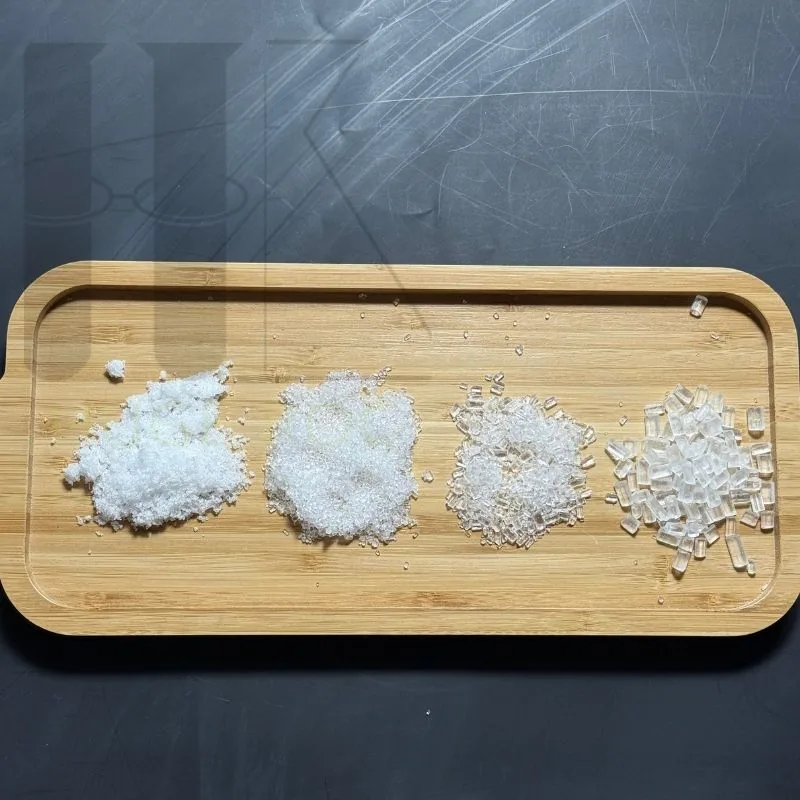
Strong reducibility for dechlorination and reduction duty
View details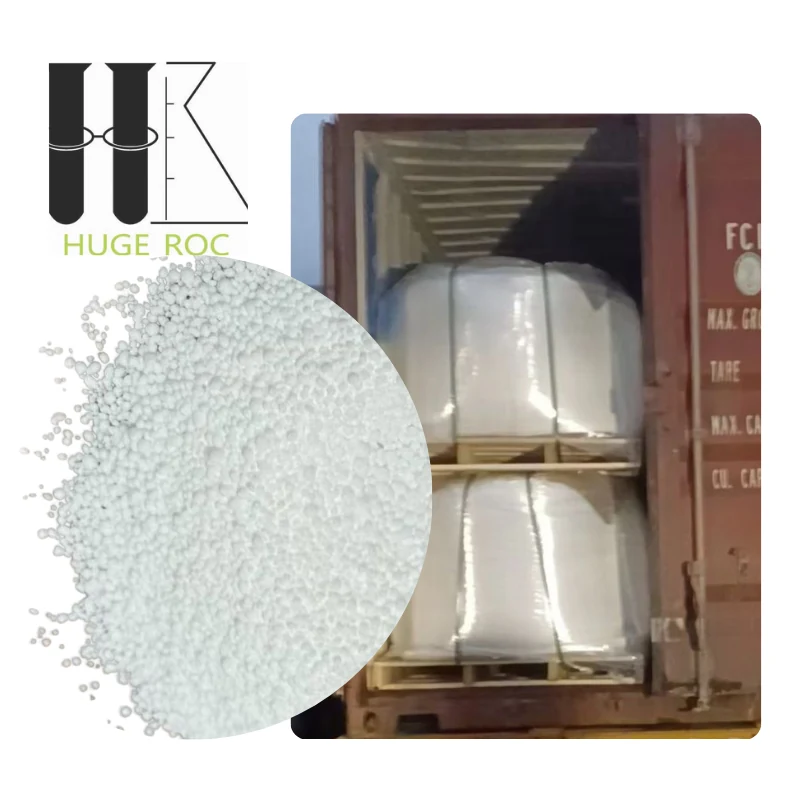
Dual specification, GB 25588-2010 and FCC VII, so one material serves Chinese and FCC-referencing markets
View details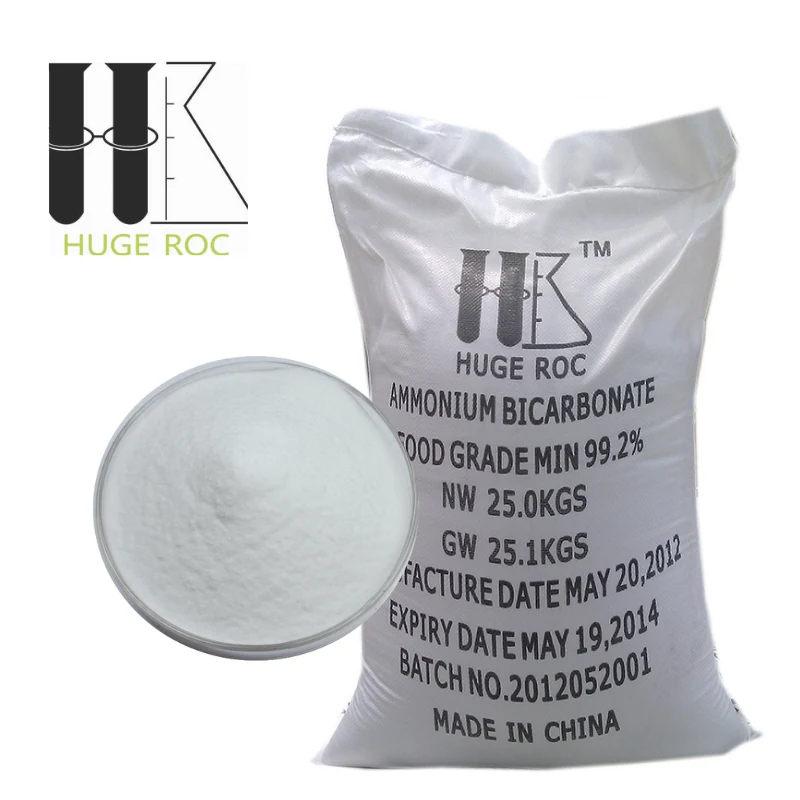
Strong expansion effect, which is why puffed food and puffs rely on it
View details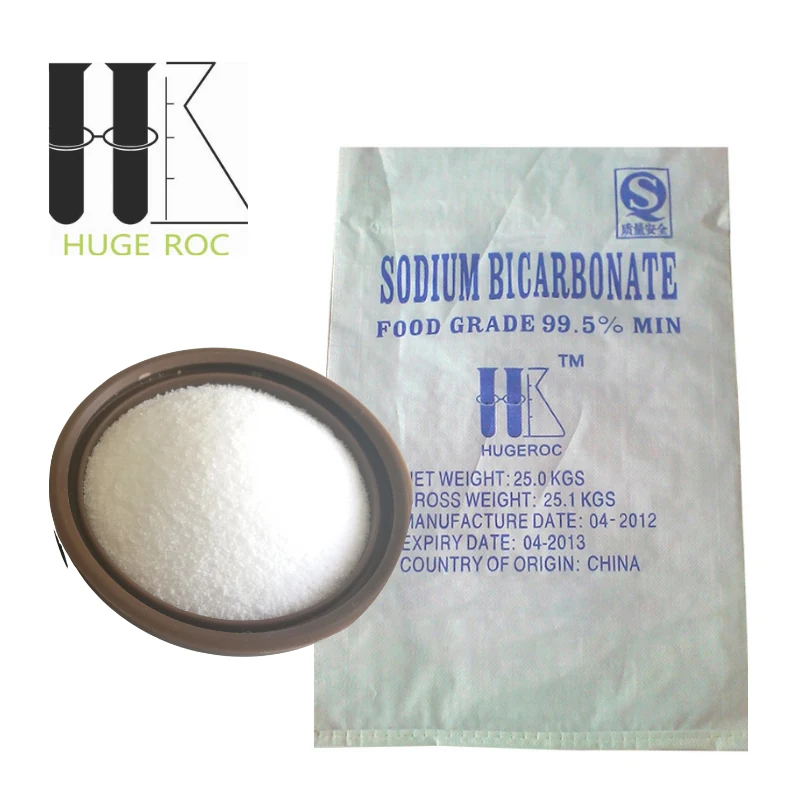
Assay 99.0-100.5% against quality standard GB 1886.2-2015
View details