 Request A Quote
Request A Quote
Request A Quote
Sweeteners
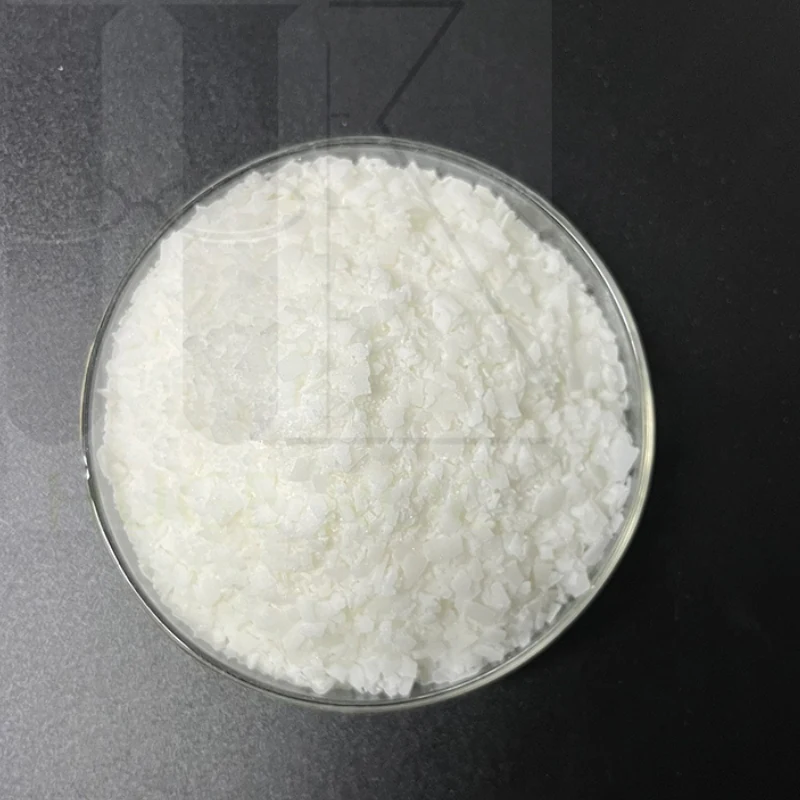
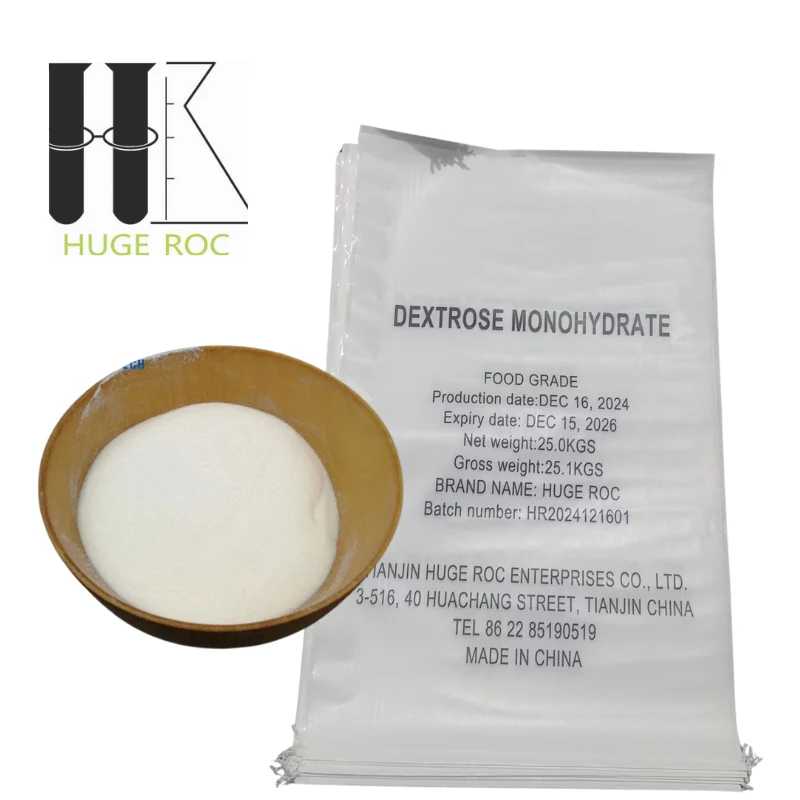
Dextrose Monohydrate is a white hexagonal crystal made from corn starch. The starch is converted to dextrose syrup by a double enzyme technique, then the syrup goes through residue removal, decolouring, ion-exchange desalting, concentration, crystallisation, dehydration and packing. The result is a directly edible sweetener at 99.5% min assay with full microbiological limits, used to replace sucrose in food and beverage and as a raw material for vitamin C and sorbitol production.
Send the quantity and destination port and you get the grade recommendation, the analytical specification, the packing format and the container loading in one reply.
| Appearance | White crystalline granules or granular powder |
|---|---|
| Assay | 99.5% min |
| Optical (specific) rotation | +52.6 to +53.2 deg |
| Chlorides | 0.018% max |
| Loss on drying | 10.0% max |
| Sulfur dioxide | 0.002% max |
| Residue on ignition | 0.1% max |
| Lead | 0.1 mg/kg max |
| Arsenic | 1 mg/kg max |
| Total bacteria count | 1000 pcs/g max |
| Molds and yeasts | 100 pcs/g max |
| Escherichia coli | Negative |
| Starch | Passes test |
Dextrose anhydrous carries no water of crystallisation and suits recipes calculated on dry solids. Dextrose monohydrate is the lower-cost crystal form, directly edible, and is the usual choice for confectionery, beverages and general food where the water of crystallisation causes no problem.
FAQ
99.5% min, as white crystalline granules or granular powder in 25 KG bags.
Total bacteria count 1000 pcs/g max, molds and yeasts 100 pcs/g max and Escherichia coli negative.
Corn starch is converted into dextrose syrup by a double enzyme technique, then residues are removed, the syrup is decoloured and desalted by ion exchange, then concentrated, crystallised, dehydrated and packed.
Monohydrate contains water of crystallisation and is the lower-cost form; anhydrous contains none and gives a fixed dry-solids basis.
Yes, as a raw material for vitamin C and sorbitol and as nutrient solution for oral liquid or intravenous injection.
+52.6 to +53.2 degrees.
Related
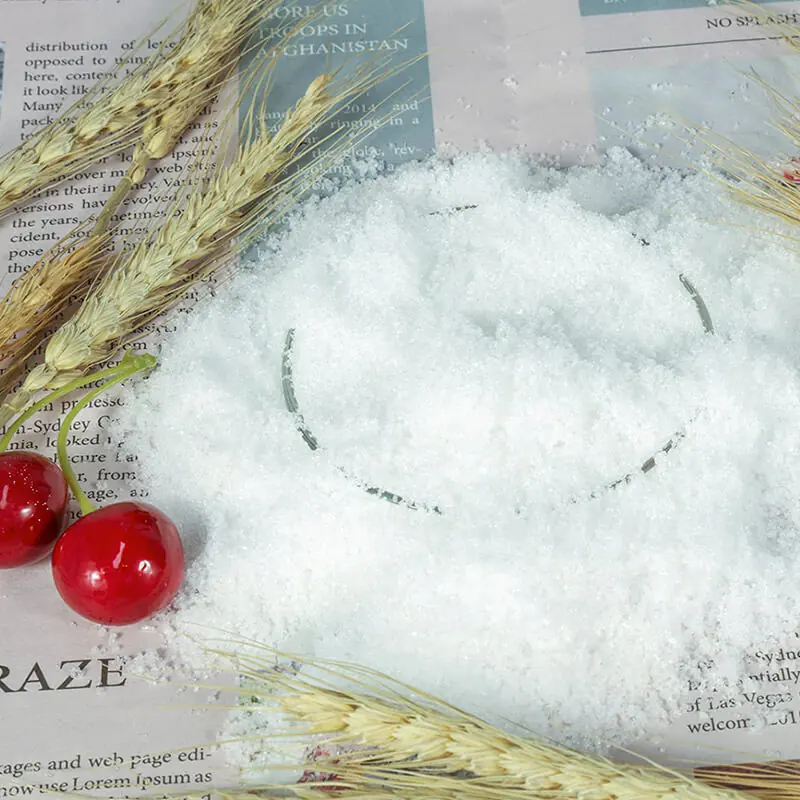
No water of crystallisation, so the dry-solids basis is fixed and no moisture correction is needed
View details
Cool sweet taste at roughly half the sweetness of sucrose, useful where sucrose is too sweet
View details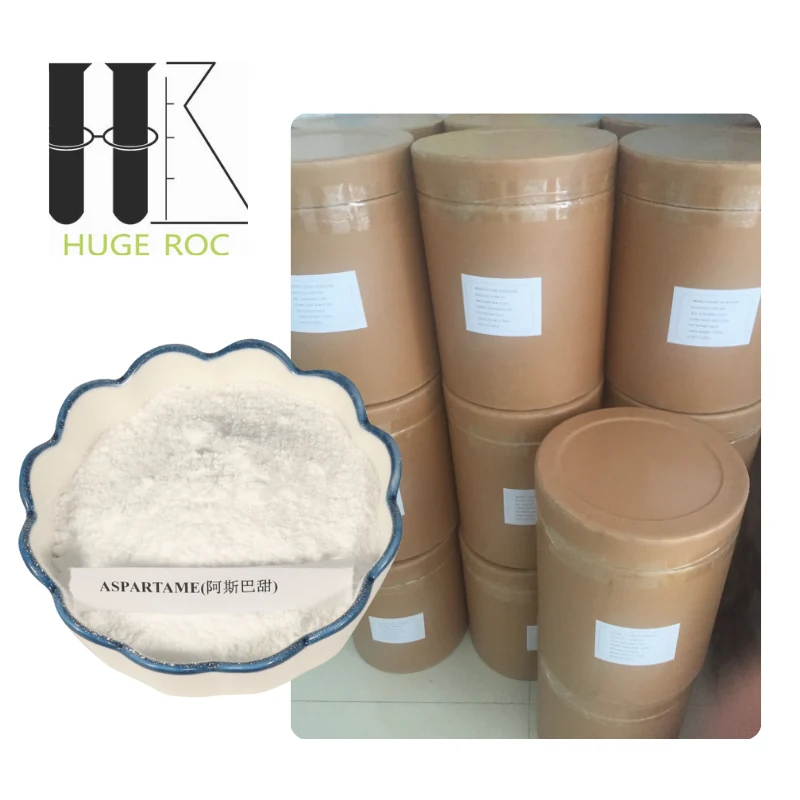
200 times the sweetness of sucrose, so dosage and freight per unit of sweetness are tiny
View details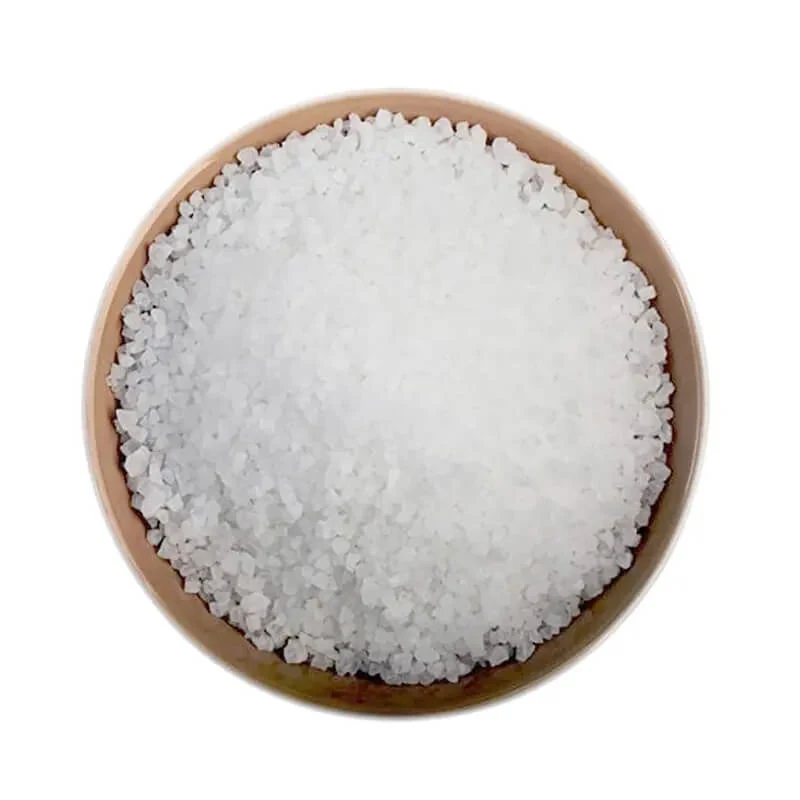
Assay 99.0-101.0% with identification by infrared absorption spectrophotometry
View details