 Request A Quote
Request A Quote
Request A Quote
Industry
Feed formulation problems fall into a few repeating shapes: gut condition, methyl donor cost, intake, and mineral supply. Tributyrin, monobutyrin, sodium and calcium butyrate cover the butyrate programme; betaine anhydrous, betaine hydrochloride and choline chloride cover methyl donors; sodium saccharin covers intake; MSP and magnesium oxide cover minerals.

15 products
Stable and sustained release of butyric acid rather than an immediate foregut release
View detailsStable glyceride form without the odour and corrosion of free butyric acid
View details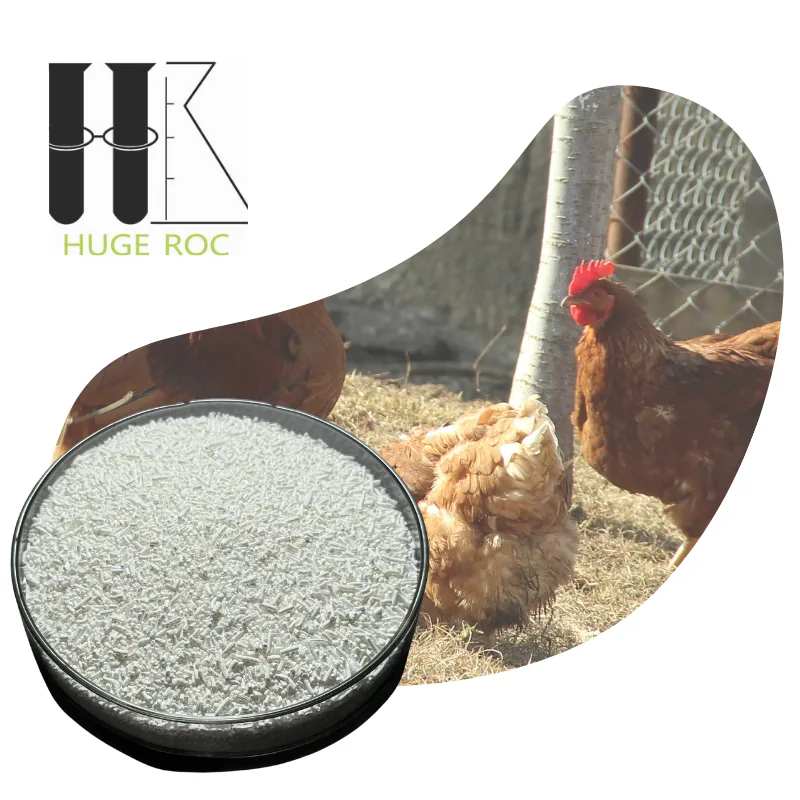
Assay 98% min, specified 98.0-101.0% on a dry basis, so the butyrate contribution is known
View details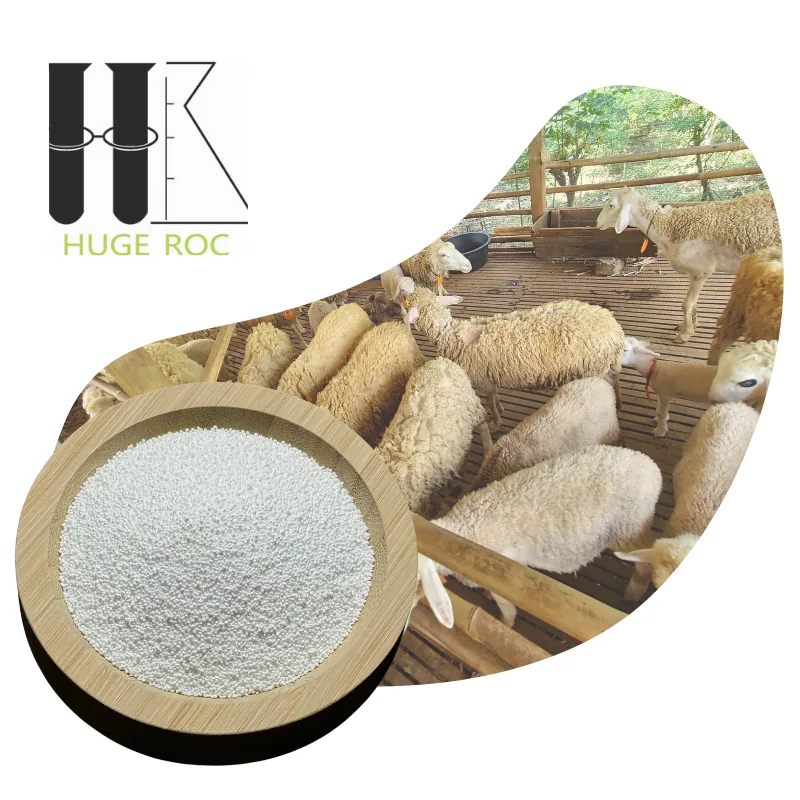
Stable calcium salt form, convenient for storage and transport compared with free butyric acid
View details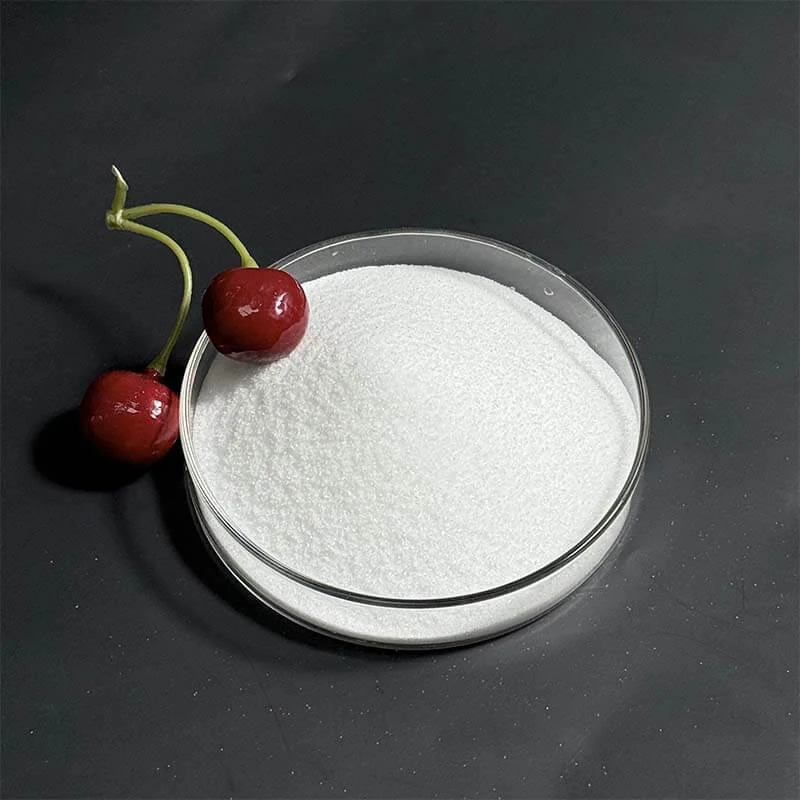
Higher purity and better stability than betaine hydrochloride
View details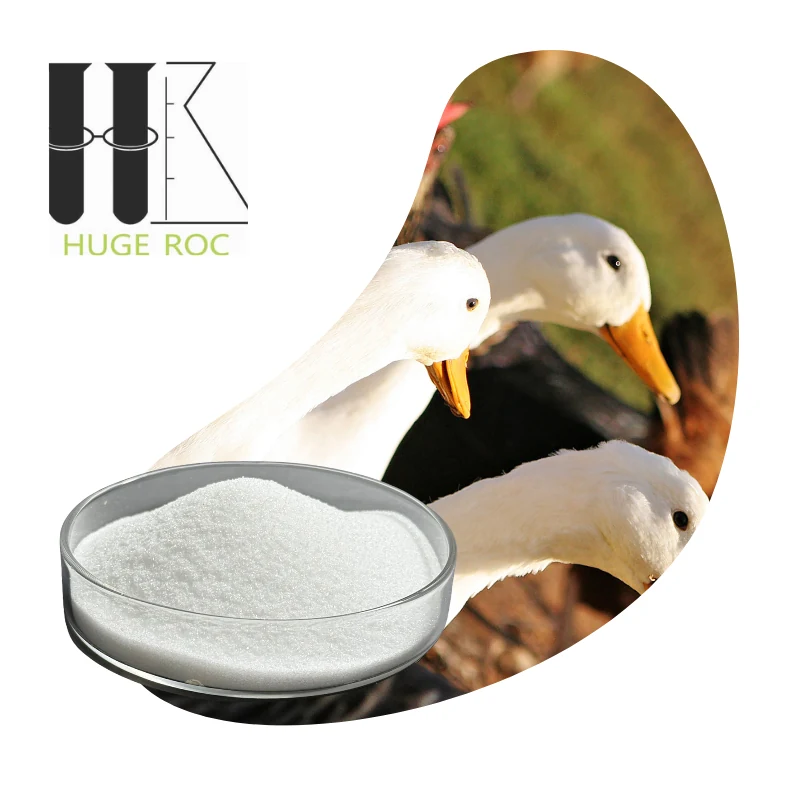
Assay 98.5% min with a reported result of 98.62%
View details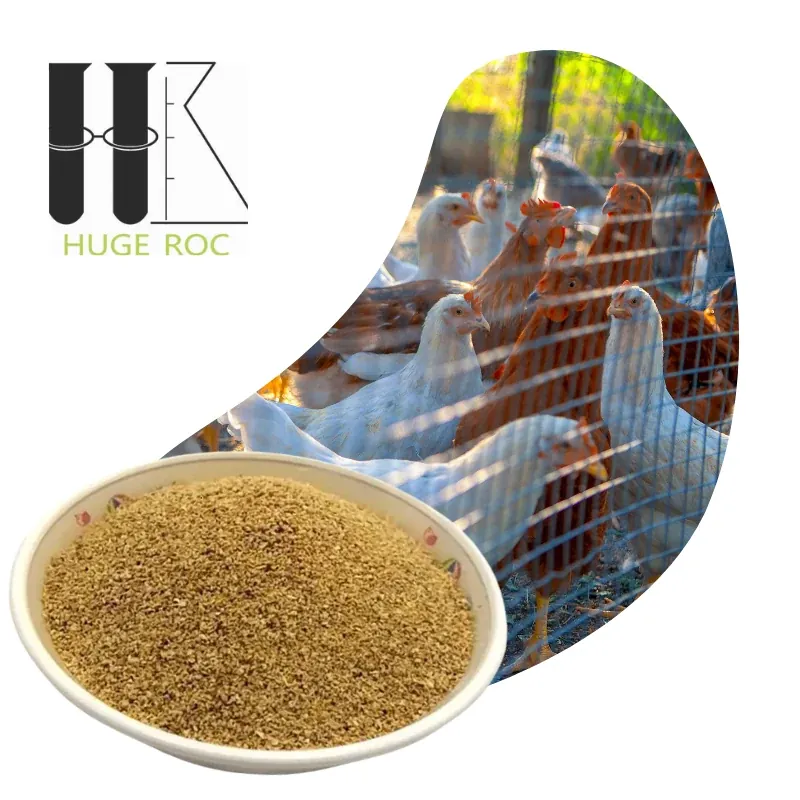
The most commonly used and economical choline source for feed
View details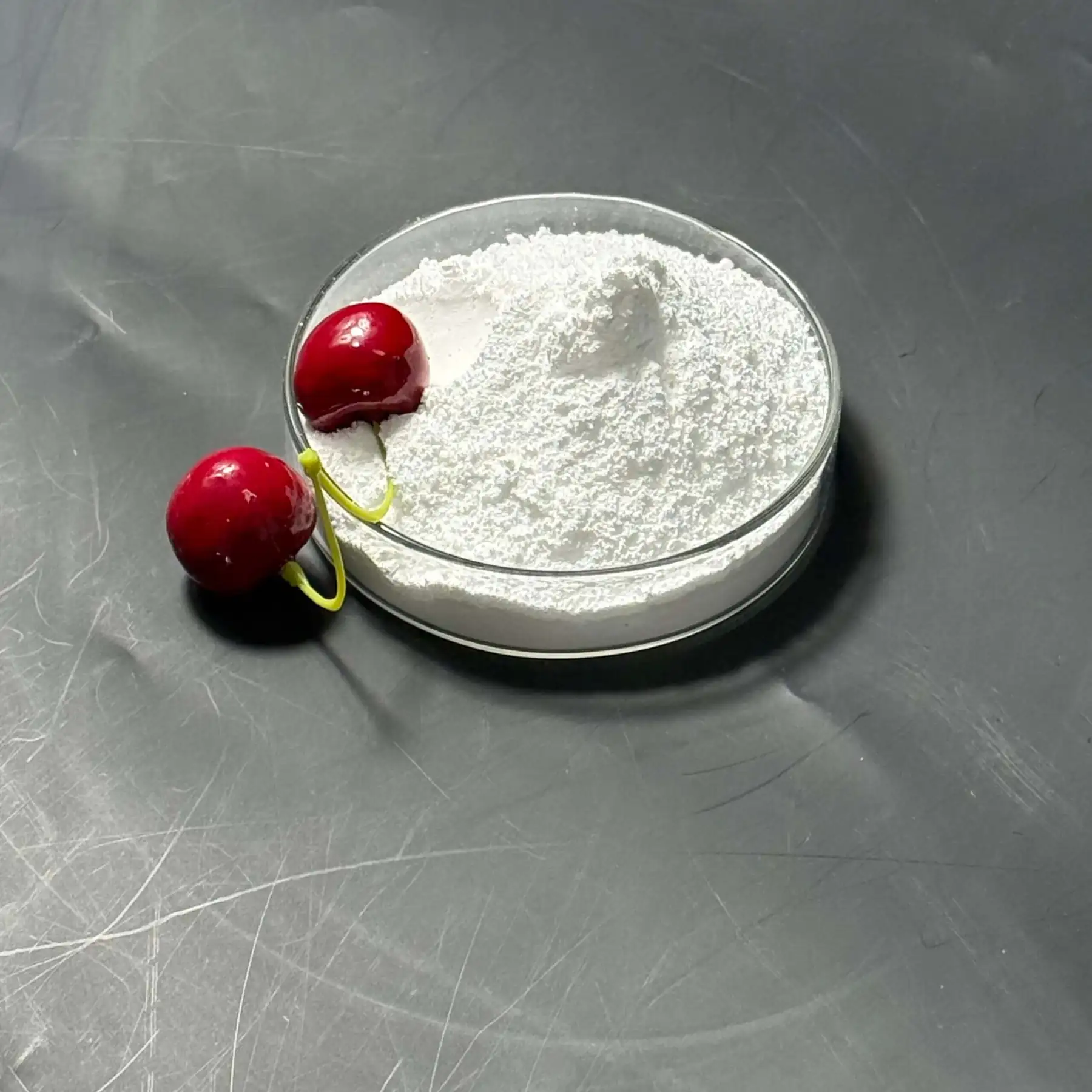
Purity 99.8% min, so the magnesium contribution per kilo is predictable in a ration calculation
View details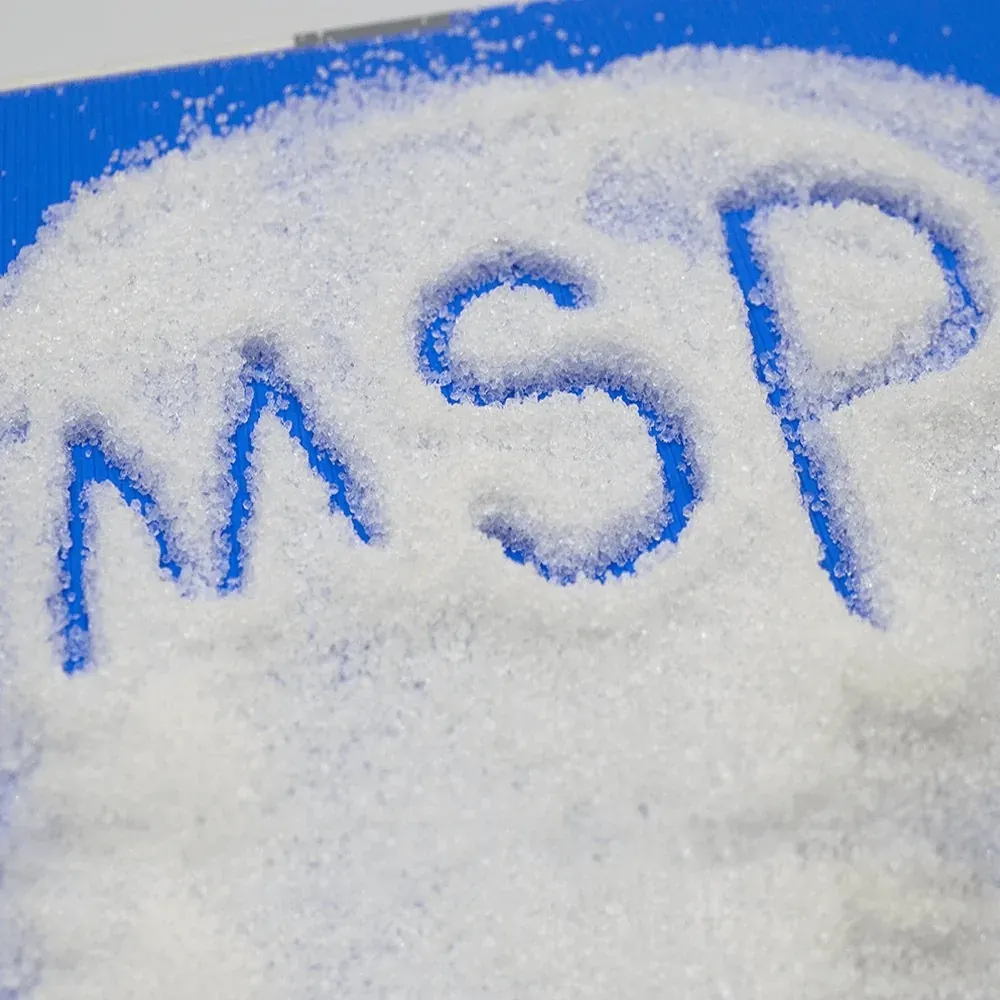
Phosphorus 25.3-26.6% together with sodium, so one product covers two mineral requirements
View details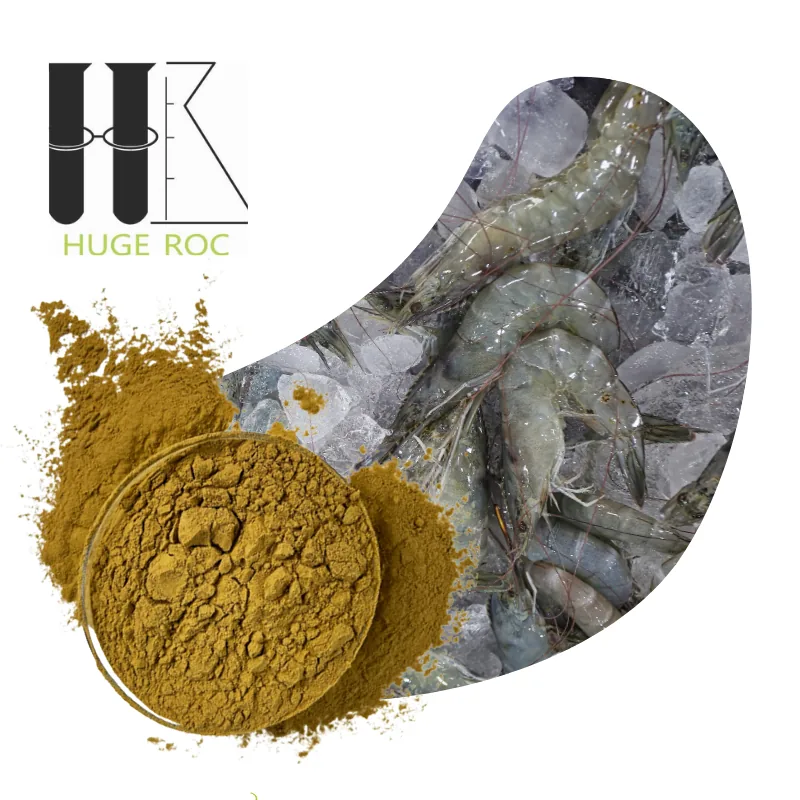
High quality complete bacterial protein, notably rich in lysine, the amino acid cereal protein lacks
View details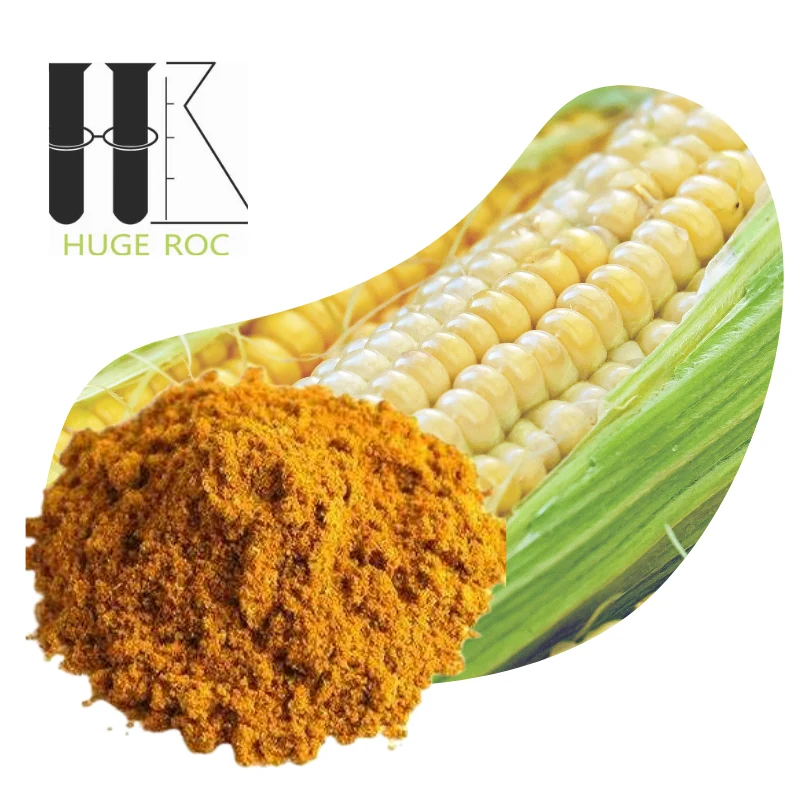
60-70% crude protein with good digestibility and bioavailability
View details
Calcium formate 98.0% min with moisture 0.5% max, so it stays free flowing
View details
Water soluble, so it disperses in aqueous systems where oil-soluble antioxidants cannot
View details
Assay 99.0-101.0% with identification by infrared absorption spectrophotometry
View details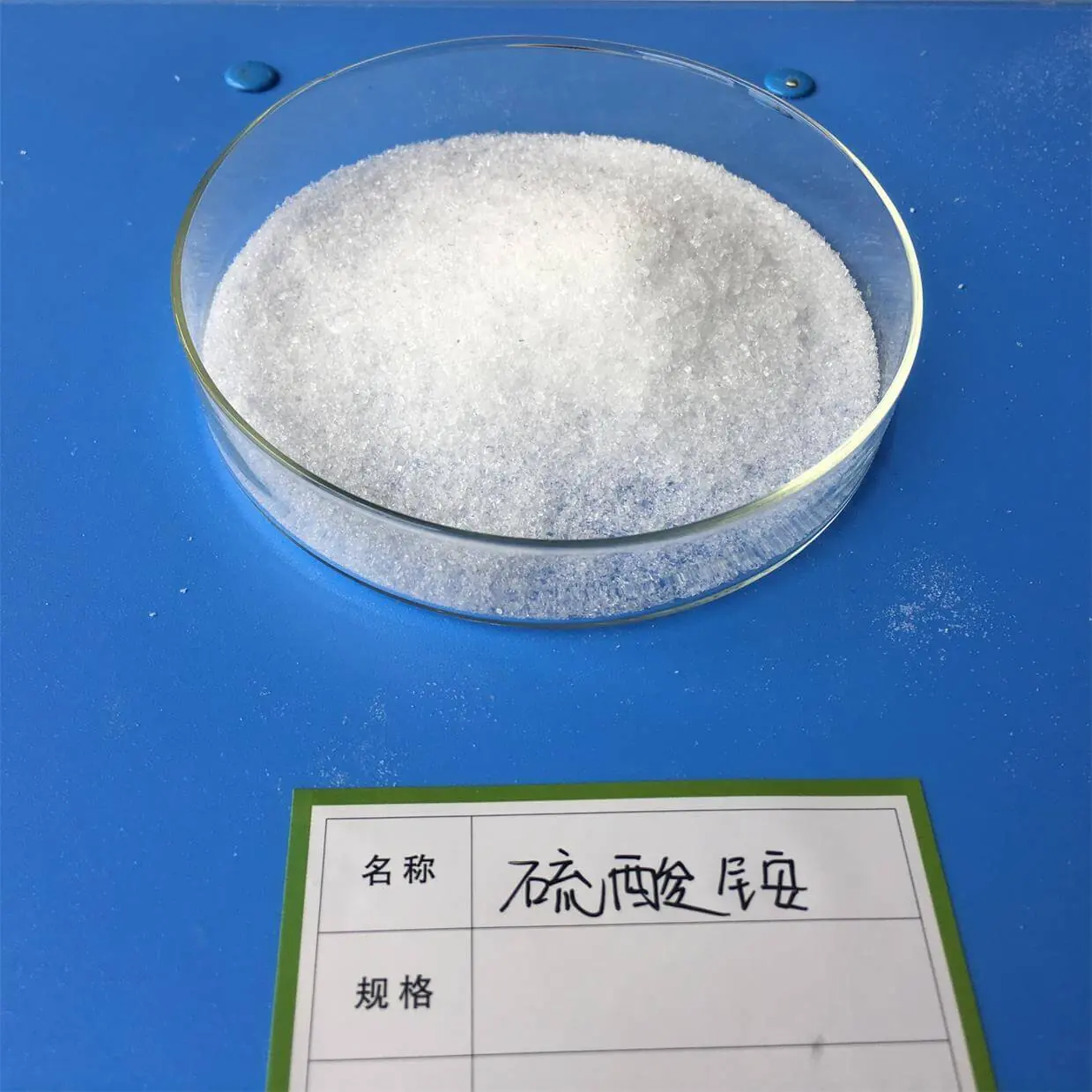
Assay 99.0% min with a reported result of 99.41%
View details