+86 136-0203-0663 [email protected]

Preservative

Benzoic Acid

  • Production: Oxidation of toluene; also occurs naturally in cranberries and prunes
  • Activity: Broad-spectrum antimicrobial, most effective below pH 4.5
  • E number: E210
  • Compliance: FCC, USP, BP/EP, E210

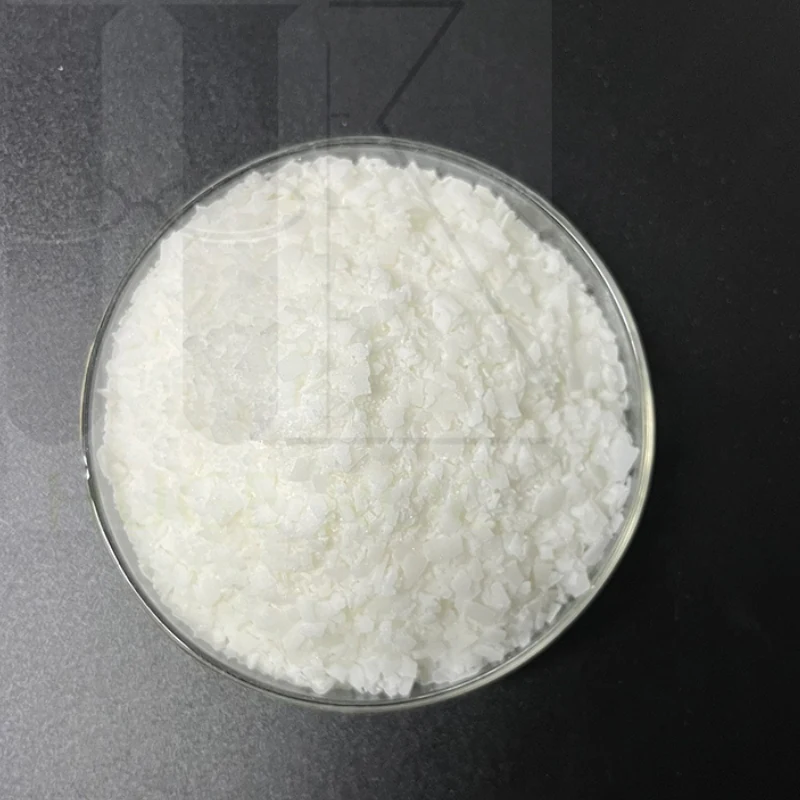
Benzoic Acid is a broad-spectrum antimicrobial organic acid, produced industrially by the oxidation of toluene and also found naturally in cranberries and prunes. It is especially effective under acidic conditions below pH 4.5, inhibiting mould, yeast and certain bacteria, and it also serves as a precursor for plasticisers, alkyd resins and pharmaceuticals. Three particle grades are offered, and the choice between them decides dissolution speed, dust level and release behaviour.

Why buyers specify this grade

  • Three particle grades, fine powder, granular and coarse, so dissolution and dust are matched to the process
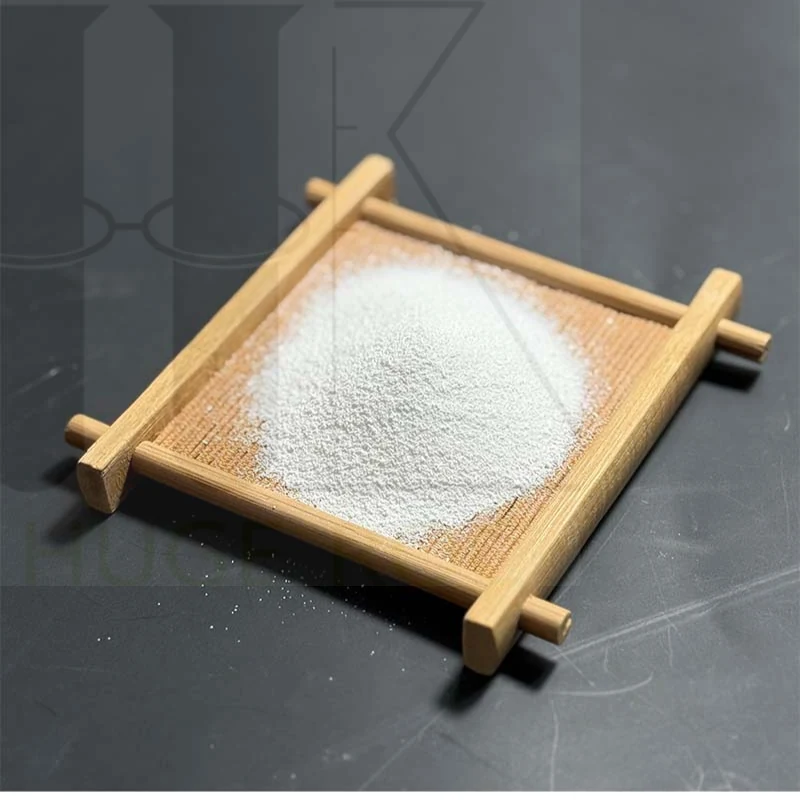
  • Fine powder 20-100 micron for rapid dissolution and high surface reactivity
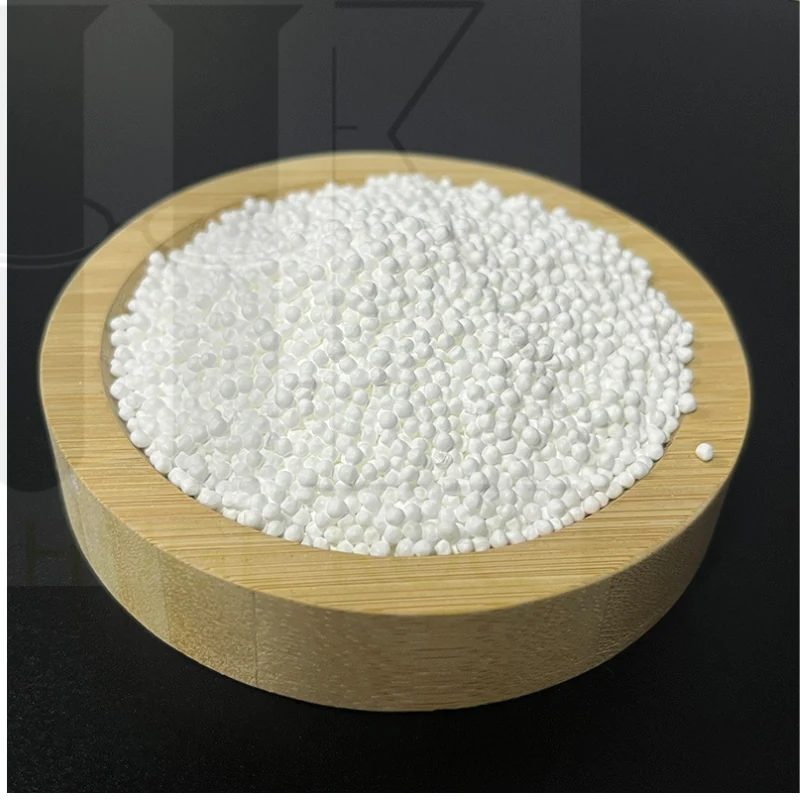
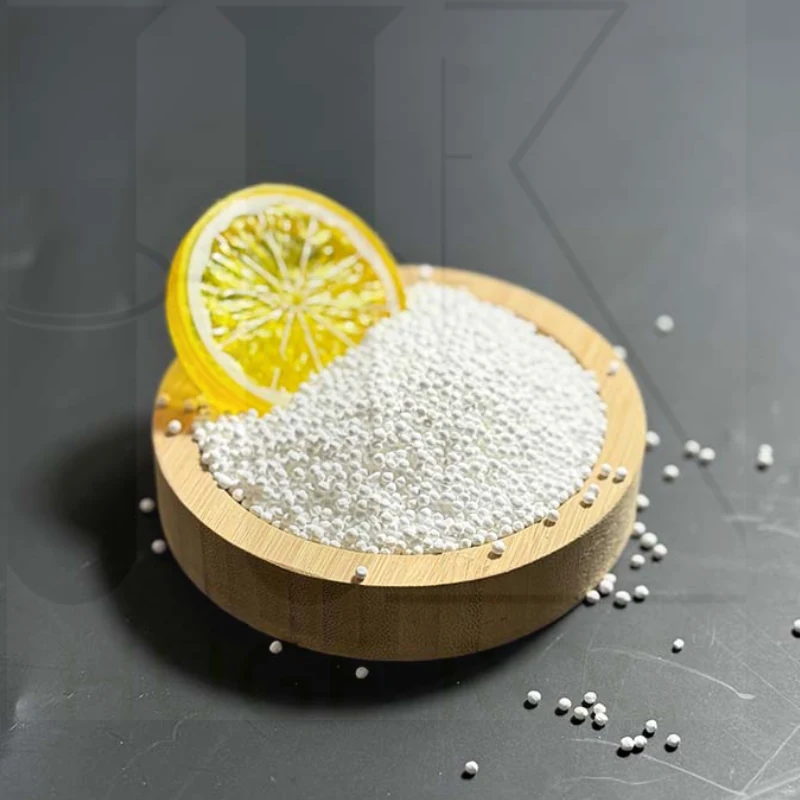
  • Granular 0.2-1.0 mm with controlled release in water of 5-15 minutes and excellent flowability
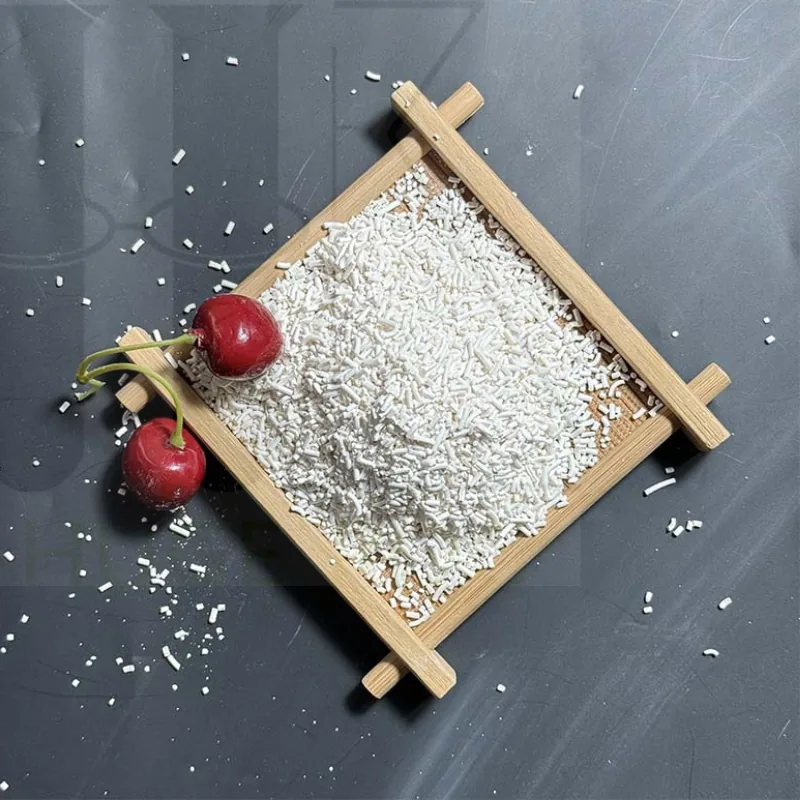
  • Coarse 0.8-2.5 mm with low dust and slow release of 20-40 minutes for silos and hoppers
  • Food-grade, non-GMO and compliant with FCC, USP, BP/EP and E210 requirements

Send the quantity and destination port and you get the grade recommendation, the analytical specification, the packing format and the container loading in one reply.

Specification

Fine powder20-100 micron, rapid dissolution, moderate dust
Granular grade0.2-1.0 mm, controlled release 5-15 min in water
Coarse grade0.8-2.5 mm, slow release 20-40 min, low dust
StatusFood-grade and non-GMO

Technical data

Production
Oxidation of toluene; also occurs naturally in cranberries and prunes
Activity
Broad-spectrum antimicrobial, most effective below pH 4.5
E number
E210
Compliance
FCC, USP, BP/EP, E210
Certifications
HALAL, KOSHER, ISO9001, HACCP and GMP certified

Quality control

  • Manufactured under strict quality control for high purity and compliance with international safety standards
  • Certified HALAL, KOSHER, ISO9001, HACCP and GMP
  • TDS, MSDS and sample COA available for Benzoic Acid in the document centre

Where it is used

  • Carbonated drinks, jams, pickles, fruit juices and acidic sauces
  • Antifungal products, cough syrups and dermatological formulations
  • Mould inhibitor and acidifier in compound animal feed
  • Raw material for benzoate plasticisers, alkyd resins and corrosion inhibitors
  • Preservative in creams, rinses and toothpaste

Who buys it

  • Beverage, jam and pickle manufacturers
  • Pharmaceutical formulators producing antifungals and syrups
  • Feed mills using acidifiers and mould inhibitors
  • Plasticiser and alkyd resin producers
  • Personal care and oral care formulators

Problems it solves

  • Dust exposure in silo and hopper handling, addressed by the coarse low-dust grade
  • Slow dissolution holding up a liquid food line, addressed by the fine 20-100 micron powder
  • Segregation in a dry blend, addressed by the free-flowing granular grade
  • Regulatory documentation gaps, since the material is compliant with FCC, USP, BP/EP and E210

Packing and options

  • Custom mesh size across the fine, granular and coarse grades
  • Custom packaging on request
  • Technical documentation including MSDS and COA available on request

How it compares

Sodium benzoate is the water-soluble salt and is easier to dose into a liquid; benzoic acid is the undissociated acid form, which is what is active below pH 4.5 and what suits dry blends, feed and polymer applications. Within benzoic acid, the fine powder dissolves fastest and the coarse grade handles cleanest in bulk equipment.

Handling and storage

  • Use in products below pH 4.5 where antimicrobial activity is strongest
  • Pick the fine powder for liquid food and pharmaceutical suspensions, granular for dry blends, feed and seasonings, coarse for silo and polymer applications
  • Request the mesh size that matches your dosing equipment at enquiry

FAQ

Benzoic Acid questions buyers ask

Which particle grades do you supply

Fine powder 20-100 micron, granular 0.2-1.0 mm and coarse 0.8-2.5 mm, with custom mesh sizes available.

At what pH does it work

It is a broad-spectrum antimicrobial that is especially effective under acidic conditions below pH 4.5.

What certifications do you hold for it

The material is food-grade and non-GMO, compliant with FCC, USP, BP/EP and E210, and certified HALAL, KOSHER, ISO9001, HACCP and GMP.

Which grade suits dry blending

The granular grade at 0.2-1.0 mm, which has excellent flowability and controlled release of 5-15 minutes in water.

Which grade has the least dust

The coarse grade at 0.8-2.5 mm, which is free flowing in silos and hoppers with slow release of 20-40 minutes.

Can I get custom packaging and documentation

Yes, custom packaging, mesh size and technical documentation including MSDS and COA are available on request.

Is it used outside food

Yes, in pharmaceuticals, animal feed as a mould inhibitor and acidifier, benzoate plasticisers, alkyd resins, corrosion inhibitors and personal care.

Download TDS, MSDS and sample COA

Related

Other grades in Preservative