 Request A Quote
Request A Quote
Request A Quote
Phosphates
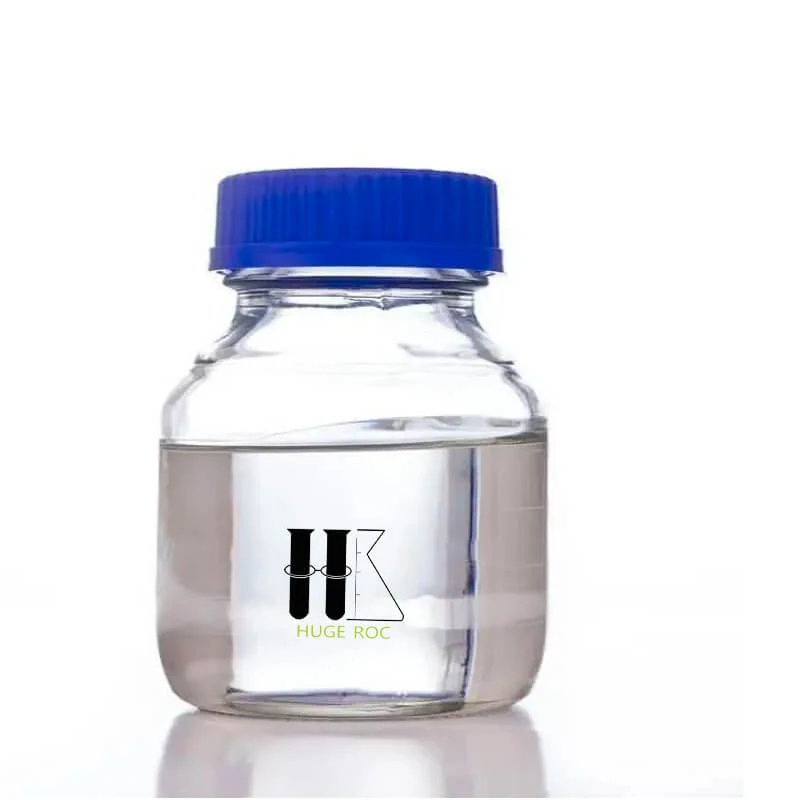
Phosphoric Acid 75% is a colourless, transparent, syrupy liquid produced by wet-process or thermal-process technology and supplied in both food and industrial grades. At 75% it carries less acid per drum than the 85% grade but tolerates much colder storage, which is why sites without heated acid storage and winter shipments to northern markets specify it. It gives moderate acidity and good solubility for acidification, metal treatment and phosphate production.
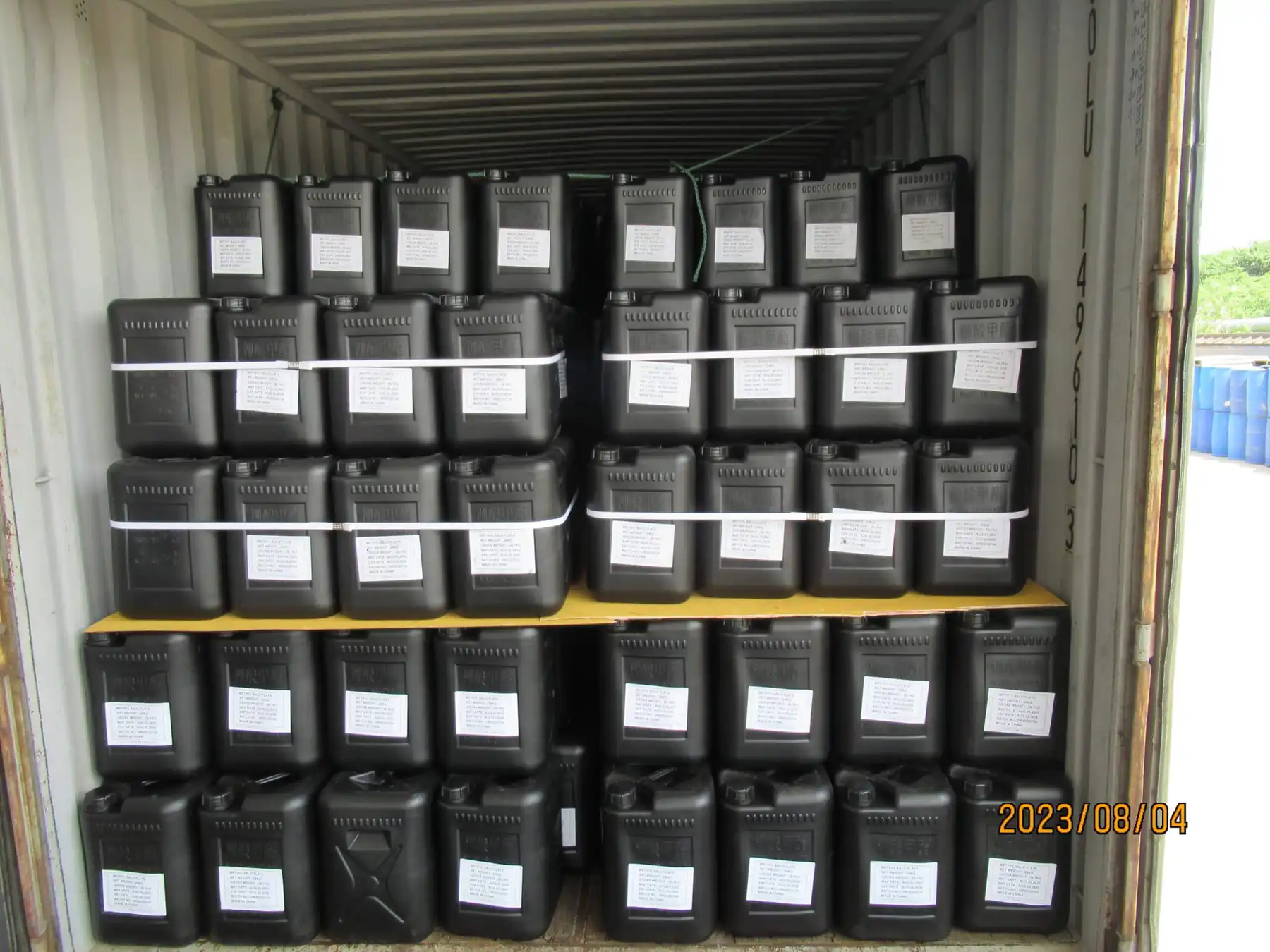
Send the quantity and destination port and you get the grade recommendation, the analytical specification, the packing format and the container loading in one reply.
| Assay as H3PO4 | 75% |
|---|---|
| Appearance | Colourless transparent syrupy liquid |
| Grade | Food grade or industrial grade |
| Solubility | Excellent, fully miscible with water |
The 85% grade is the one to buy when freight per unit of acid decides the cost and the store is indoors above 21 deg C. The 75% grade is the one to buy when the acid sits in an unheated yard, when a gentler acidity is easier on dosing hardware, or when an industrial-grade price point is wanted.
FAQ
Concentration and cold tolerance. The 85% solution must be kept above 21 deg C to avoid crystallisation while 75% tolerates storage down to minus 20 deg C. Both are available food grade.
Yes, both food grade and industrial grade are supplied.
pH regulation and acidification in beverages and processed foods, metal surface treatment and rust removal, detergents, and phosphate or compound fertiliser synthesis.
By wet-process or thermal-process technology.
Yes, TDS and MSDS by email with a sample COA on request.
Both. Confirm the format at quotation and it is priced accordingly.
Related
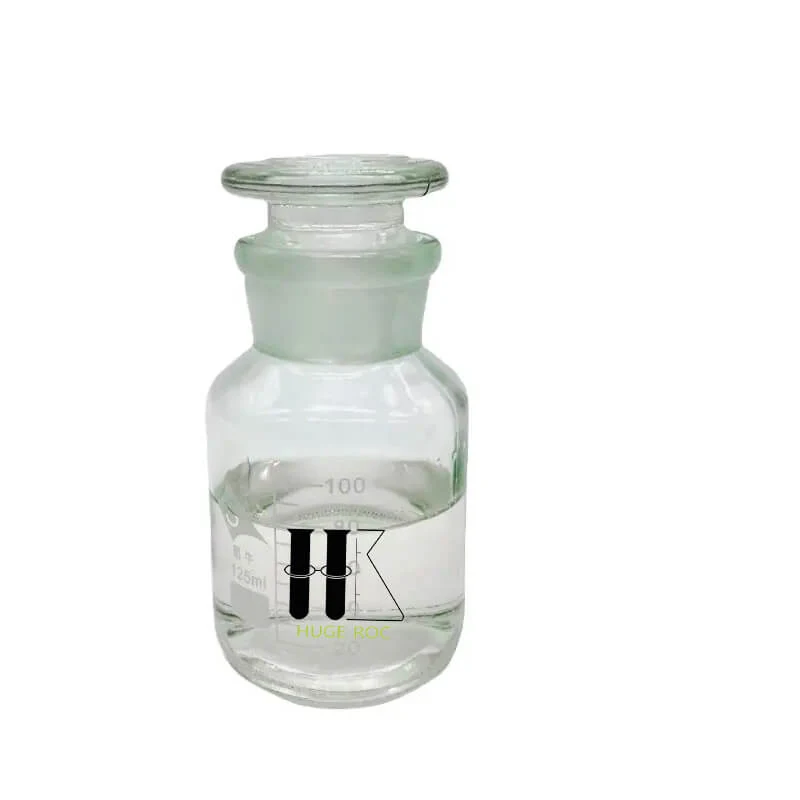
Assay not less than 85.0% H3PO4 held to a food-grade specification, not a technical-grade range
View details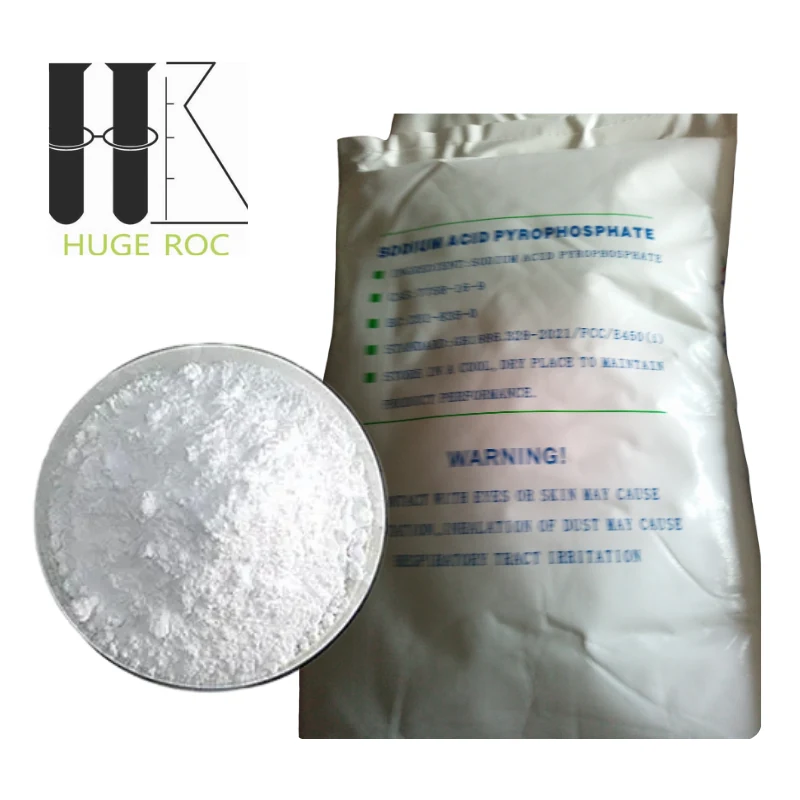
Releases carbon dioxide on heating for controlled rise and expansion during baking
View details
Phosphorus 25.3-26.6% together with sodium, so one product covers two mineral requirements
View details
Higher purity and better stability than betaine hydrochloride
View details