 Request A Quote
Request A Quote
Request A Quote
Animal Healthcare
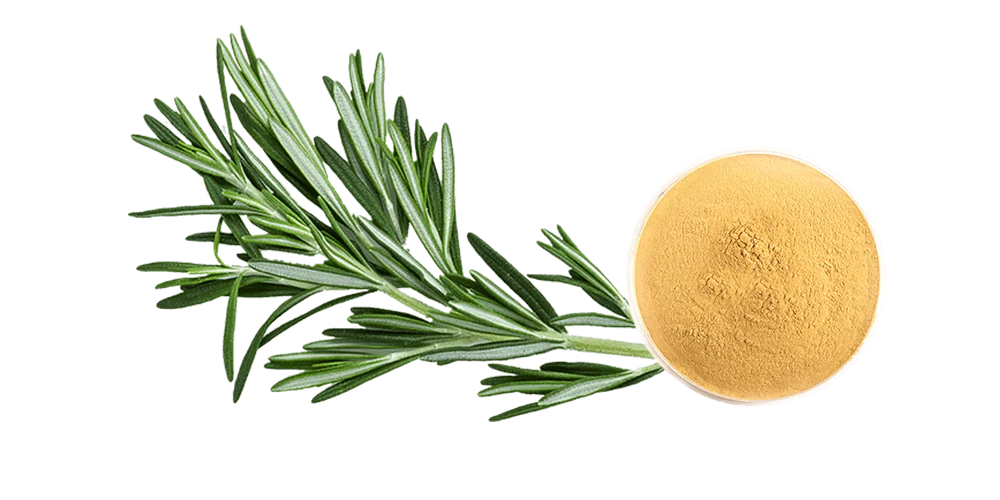
Rosmarinic Acid Powder is a water-soluble phenolic acid antioxidant with good antioxidant biological activity and a degree of bacteriostatic and antiseptic effect. It is a mature product in baked food, fruit juice, beverage, pickle, compound antioxidant, biopharmaceutical, feed and cosmetics. In animal use it regulates intestinal health, protects the liver and acts as an antioxidant in the body. Total antioxidants are specified at 5% min as rosmarinic acid, reported 5.4%.
Send the quantity and destination port and you get the grade recommendation, the analytical specification, the packing format and the container loading in one reply.
| Total antioxidants as rosmarinic acid | 5% min (result 5.4%) |
|---|---|
| Residue ethanol | 1000 mg/kg max (result 237.5) |
| Residue ethanol, second item | 50 mg/kg max (result 42.6) |
| Water | 5% max (result 3.37%) |
| Arsenic by ICP-MS | 3 mg/kg max (result 0.032) |
| Lead by ICP-MS | 2 mg/kg max (result under 0.05) |
| Total plate count | 1000 cfu/g max (result under 10) |
| Yeasts and moulds | 100 cfu/g max (result under 10) |
| E. coli | 3 MPN/g max (result under 3) |
Synthetic antioxidants are cheaper per unit of activity but carry a label consumers increasingly reject. Rosmarinic acid powder is the water-soluble natural option, and unlike most natural antioxidants it also brings a bacteriostatic and antiseptic effect, covering two functions in one addition.
FAQ
Total antioxidants as rosmarinic acid at 5% min, with a reported result of 5.4%.
Yes, it is a water-soluble phenolic acid antioxidant, which is what allows it to work in juices, beverages and aqueous systems.
It regulates the intestinal health of animals, protects the liver and acts as an antioxidant in the body.
Total plate count 1000 cfu/g max, yeasts and moulds 100 cfu/g max and E. coli 3 MPN/g max, all reported below limit.
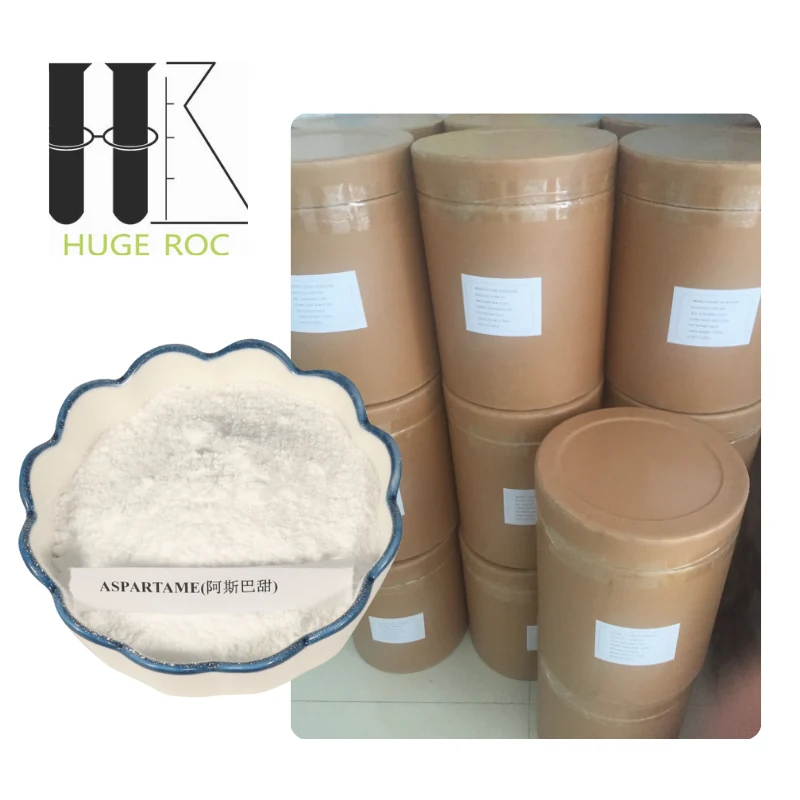
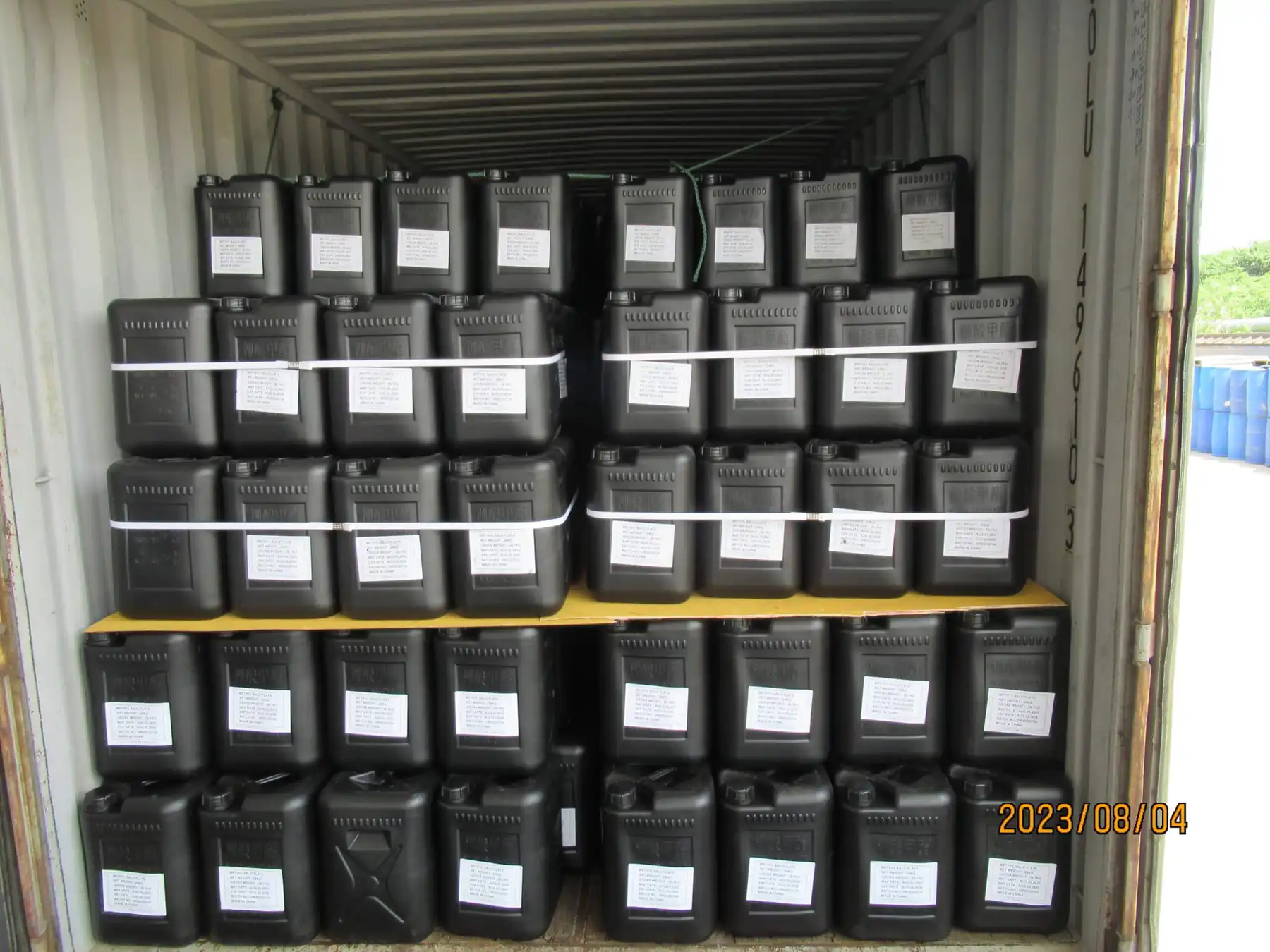
25 kg per paper barrel, loading 17 MT per 20ft container.
Baked food, fruit juice, beverage, pickle, compound antioxidant, biopharmaceutical, feed and cosmetics.
Related
Higher purity and better stability than betaine hydrochloride
View details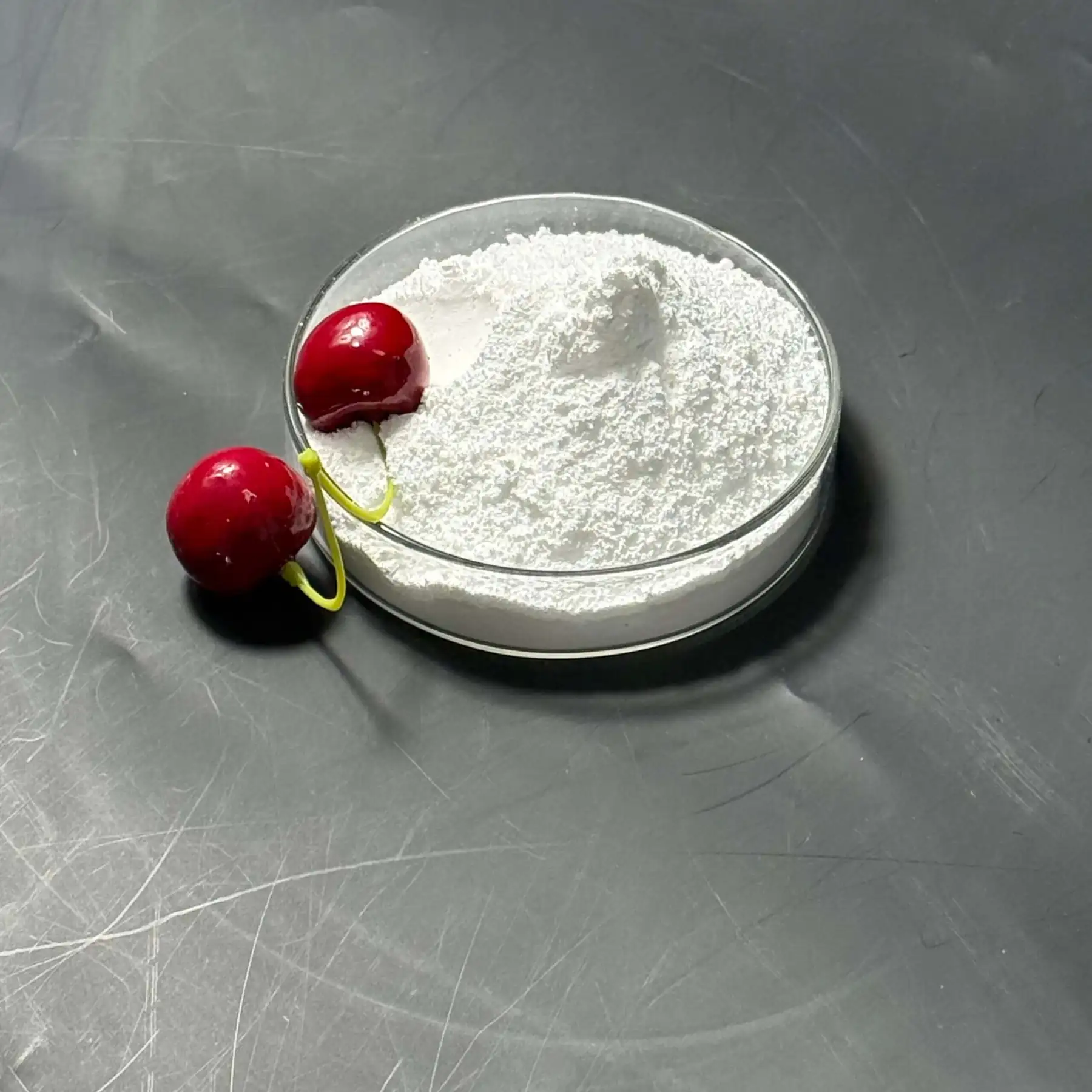
Purity 99.8% min, so the magnesium contribution per kilo is predictable in a ration calculation
View detailsStable and sustained release of butyric acid rather than an immediate foregut release
View details
Stable glyceride form without the odour and corrosion of free butyric acid
View details