 Request A Quote
Request A Quote
Request A Quote
Inorganic Salts
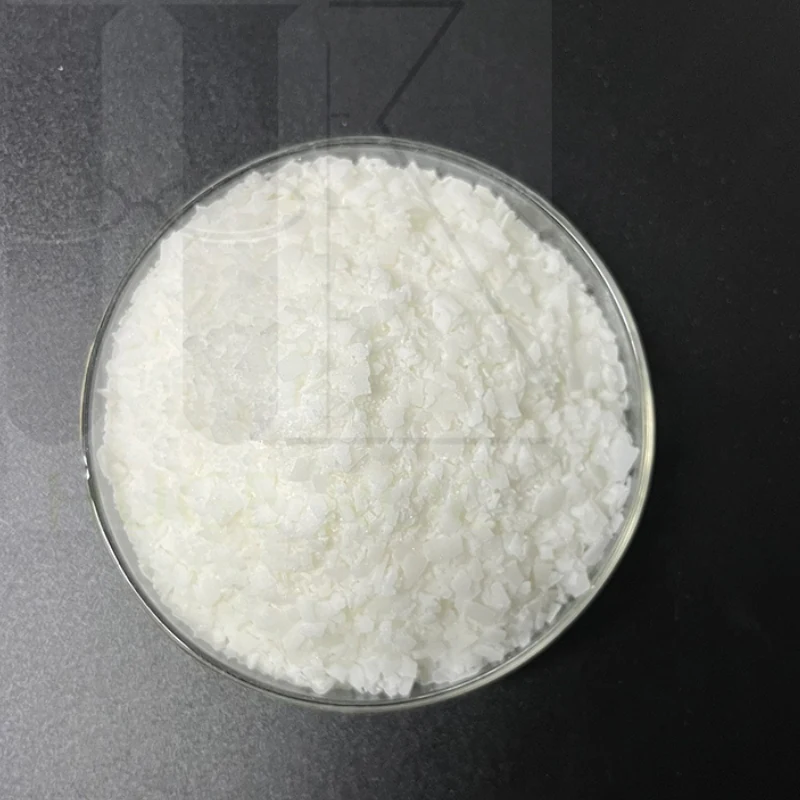
Potassium Carbonate, K2CO3, CAS 584-08-7, is supplied against both GB 25588-2010 and FCC VII. The anhydrous form is a white granular powder and the hydrated form a white translucent crystal or granule; both are odourless with an alkaline smell, freely soluble in water giving an alkaline solution, and insoluble in ethanol or ether. It is very deliquescent in air, which is the single most important thing to plan storage around. In noodle and wonton processing it gives the product its characteristic flavour, colour and resilience.
Send the quantity and destination port and you get the grade recommendation, the analytical specification, the packing format and the container loading in one reply.
| Content as K2CO3, GB 25588-2010 | 99.0% min |
|---|---|
| Content as K2CO3, FCC VII | 99.0 - 100.5% |
| Arsenic | 2 mg/kg max |
| Sulfur compound as K2SO4 | 0.01% max |
| Iron as Fe | 0.0010% max |
| Heavy metals as As and Pb | 10 mg/kg max |
| Lead, FCC VII | 2 mg/kg max |
| Insoluble substances | 0.02% max |
| Chlorides as KCl | 0.015% max |
| Loss on ignition | 0.60% max GB, 1.00% FCC at 180 deg C 4 h |
Sodium carbonate is cheaper but puts sodium rather than potassium into the product and gives a different flavour and texture in noodle processing. Potassium carbonate is the one specified where the traditional noodle character, or the potassium contribution itself, is the objective.
FAQ
Both GB 25588-2010 and FCC VII. Content is 99.0% min under GB and 99.0-100.5% under FCC VII.
Both forms are available. Anhydrous is a white granular powder, the hydrated form is a white translucent crystal or granule containing 1.5 hydrates.
It is very deliquescent in air. Store in a dry, ventilated warehouse and keep bags sealed and away from moisture in transit.
As a pH regulator, nutrient, processing aid and spice. In noodle and wonton processing it gives unique flavour, colour and resilience.
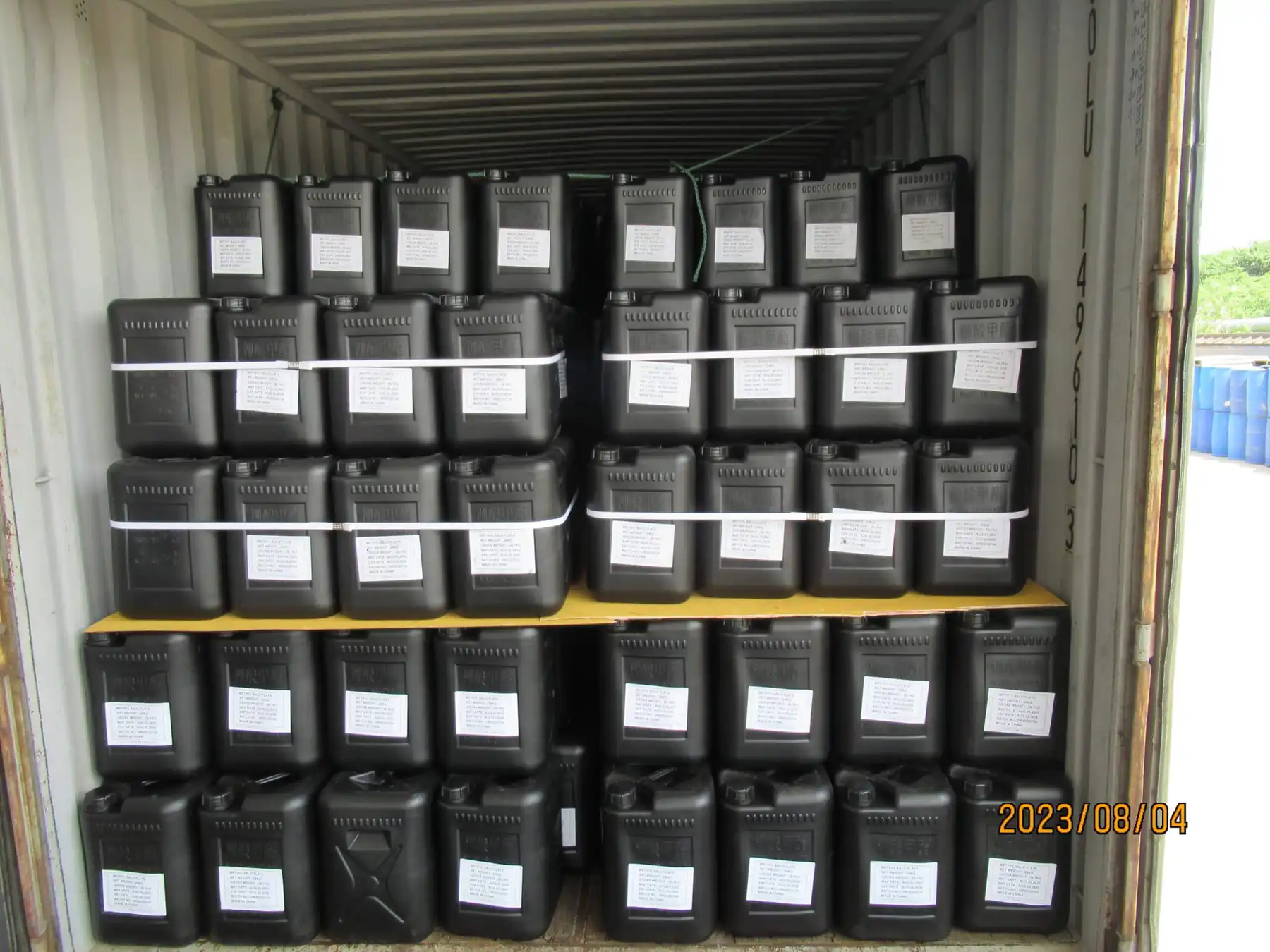
A polyethylene inner bag inside a compound plastic woven outer bag, 25 kg net weight per bag.
Arsenic 2 mg/kg max, heavy metals as As and Pb 10 mg/kg max under GB, and lead 2 mg/kg max under FCC VII.
Related
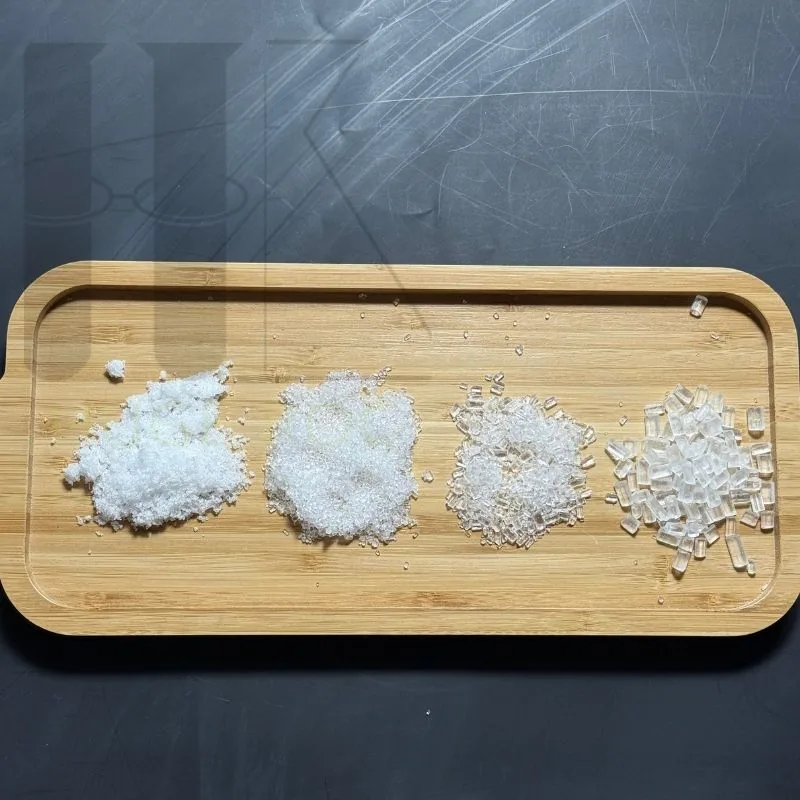
Strong reducibility for dechlorination and reduction duty
View details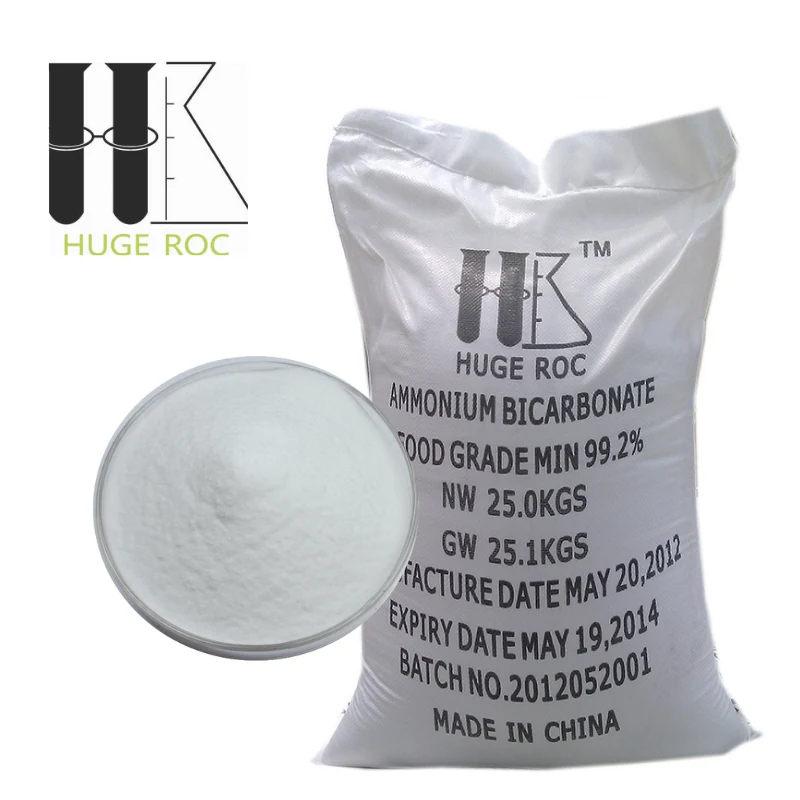
Strong expansion effect, which is why puffed food and puffs rely on it
View details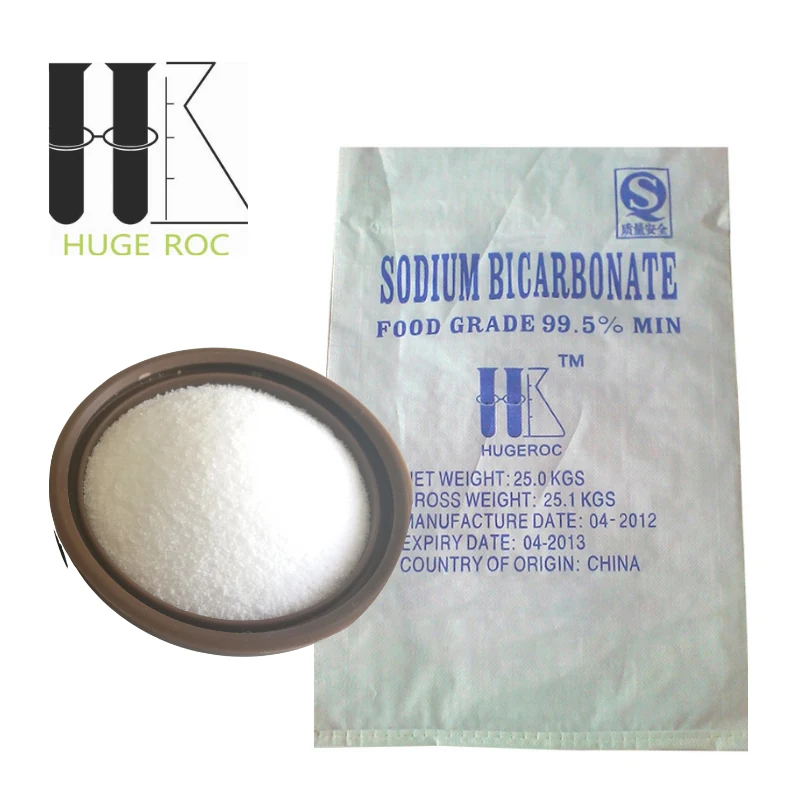
Assay 99.0-100.5% against quality standard GB 1886.2-2015
View details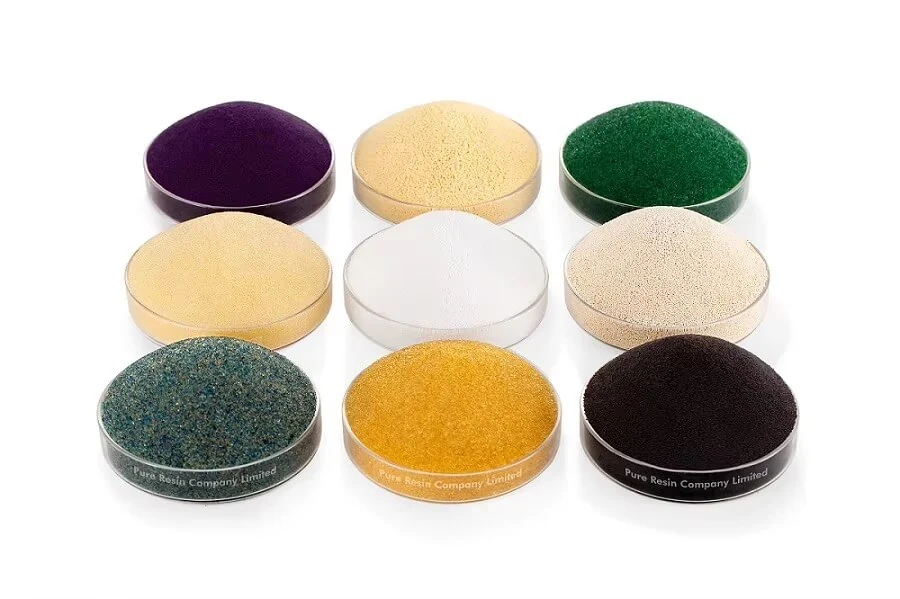
Total exchange capacity 1.9 eq/L min, which sets the throughput a column can deliver between regenerations
View details