 Request A Quote
Request A Quote
Request A Quote
Phosphates
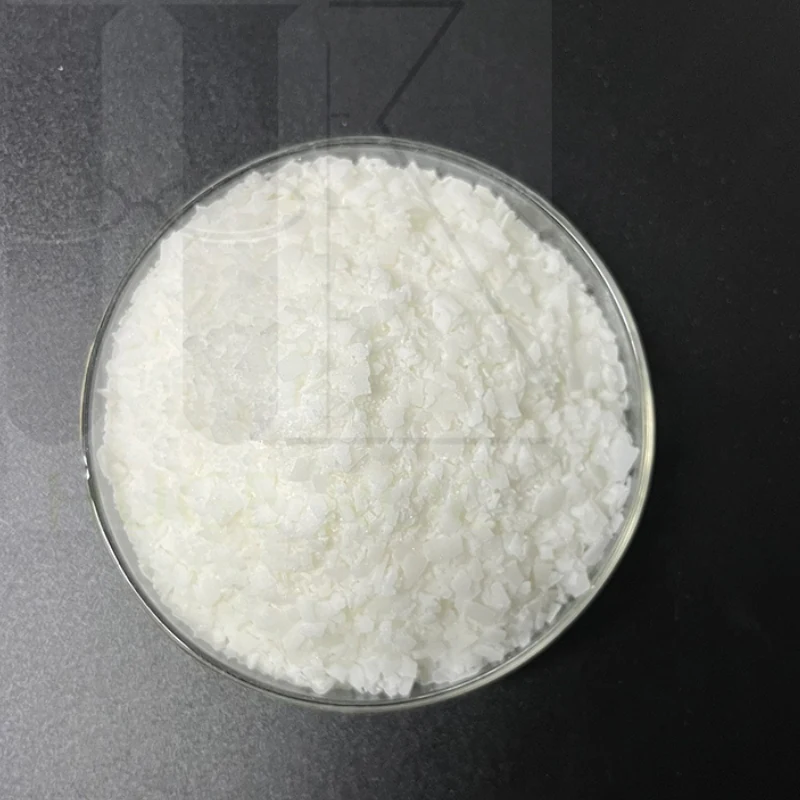
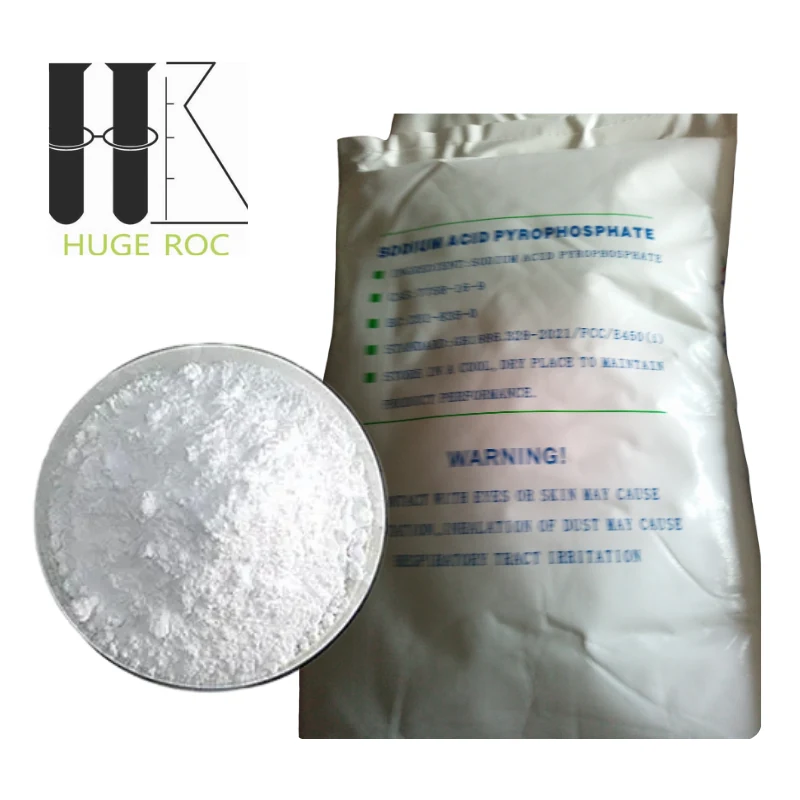
Sodium Acid Pyrophosphate (SAPP) is a white crystalline powder used in baking as a leavening agent, buffer and sequestrant. In a chemical leavening system it releases carbon dioxide when heated, which gives cakes, cookies and pastries volume and texture; it holds pH steady for flavour and stability; and it binds metal ions that would otherwise shorten shelf life. Recommended usage level is 0.1% to 1.0% on flour weight.
Send the quantity and destination port and you get the grade recommendation, the analytical specification, the packing format and the container loading in one reply.
| Appearance | White crystalline powder |
|---|---|
| Usage level | 0.1% - 1.0% based on flour weight |
| Storage | Cool, dry, away from moisture and direct sunlight |
| Packaging | Bags, drums or custom sizes on request |
Other leavening acids react faster or slower than SAPP. SAPP is the one to use where a controlled release through the bake is wanted rather than an immediate reaction on mixing, and where the same additive should also buffer pH and sequester metal ions rather than requiring two further ingredients.
FAQ
The recommended usage level is 0.1% to 1.0% based on flour weight.
Mix SAPP with the other dry ingredients before incorporating them into the dough or batter.
It buffers the product to hold the desired pH and acts as a sequestrant, binding metal ions that would otherwise reduce food quality and shelf life.
It complies with relevant food safety regulations including FDA and EU standards.
Bags, drums and custom sizes on request.
Cakes, cookies, pastries, bread, biscuits, pancakes and other bakery items.
In a cool, dry place away from moisture and direct sunlight.
Related
Assay not less than 85.0% H3PO4 held to a food-grade specification, not a technical-grade range
View details
Precise concentration control, so batch-to-batch acidity does not drift
View details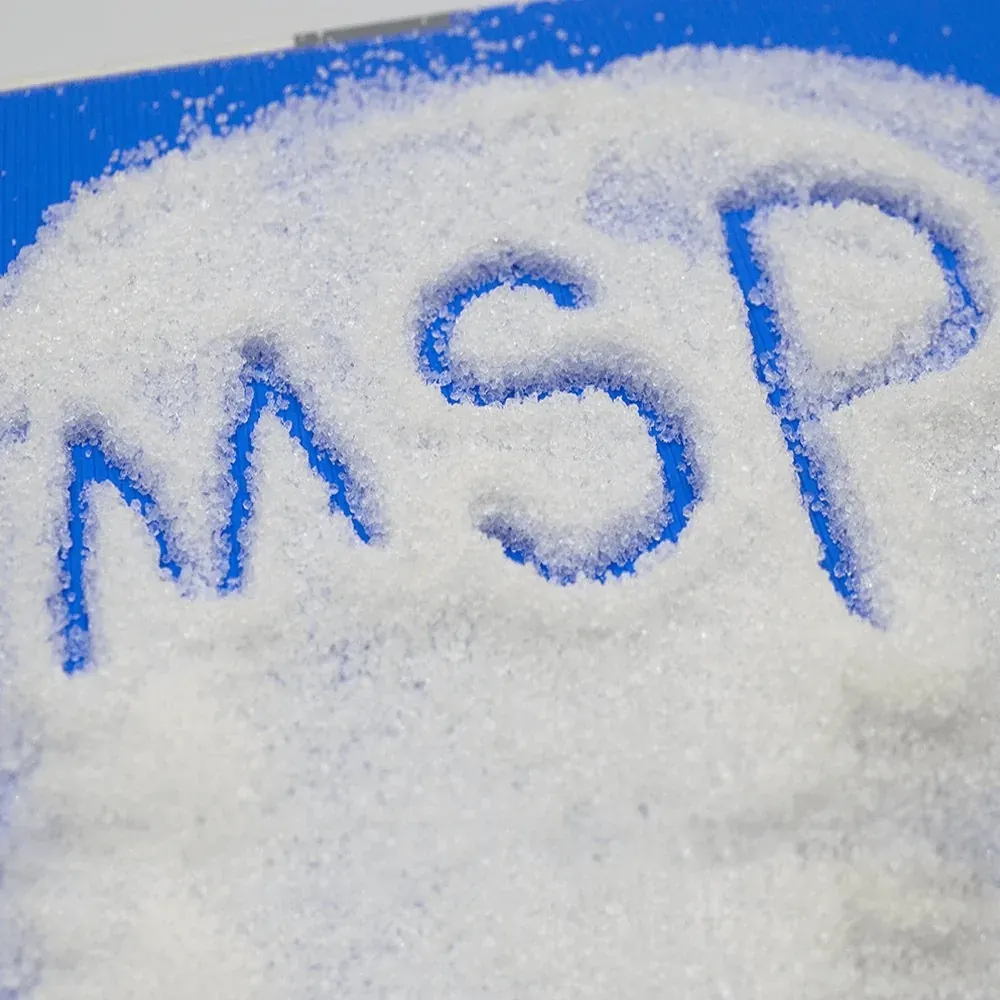
Phosphorus 25.3-26.6% together with sodium, so one product covers two mineral requirements
View details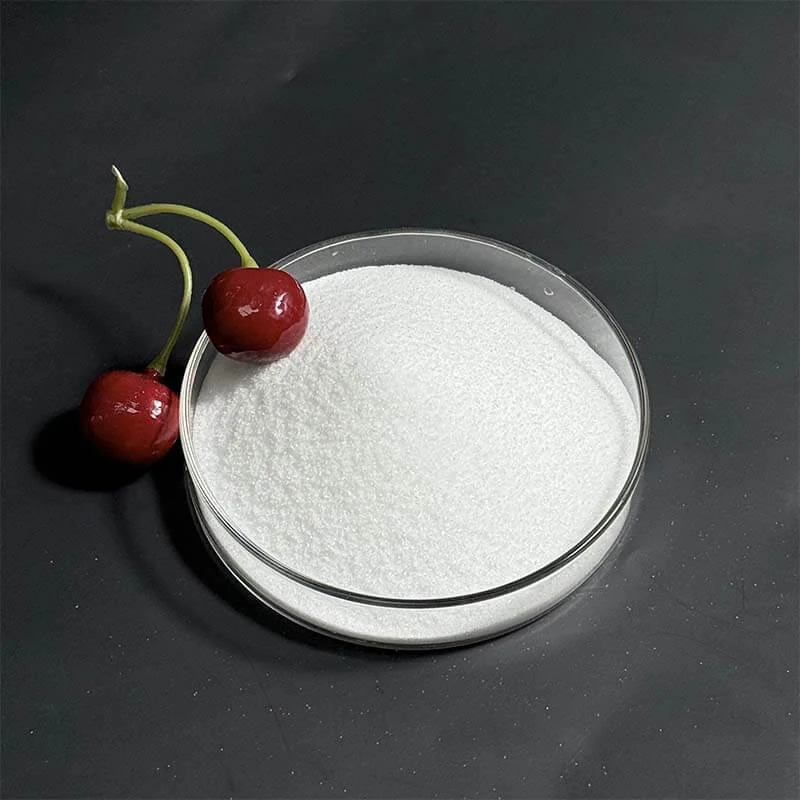
Higher purity and better stability than betaine hydrochloride
View details