 Request A Quote
Request A Quote
Request A Quote
Emulsifier
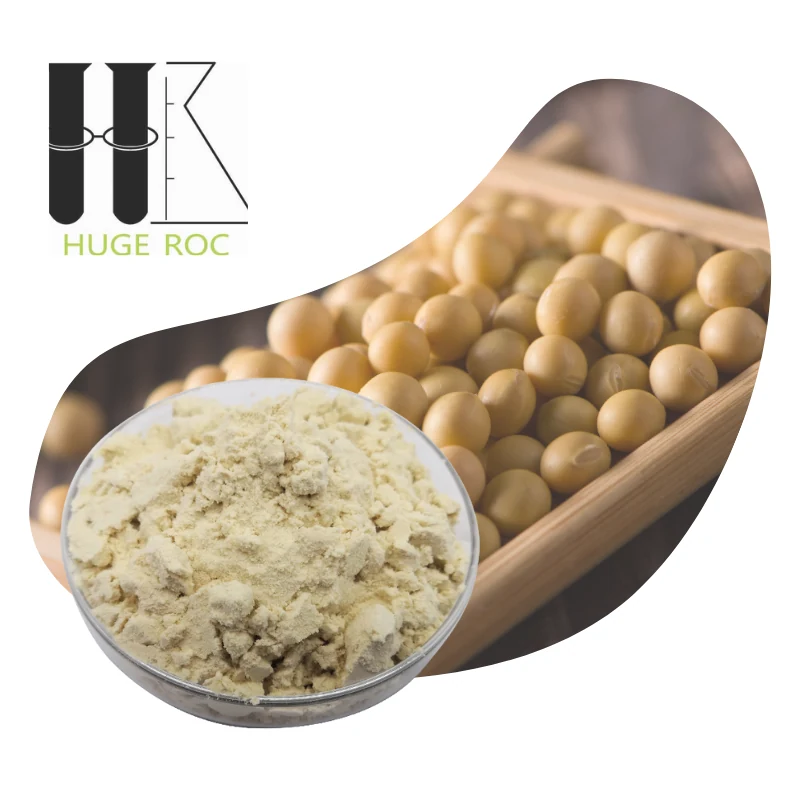
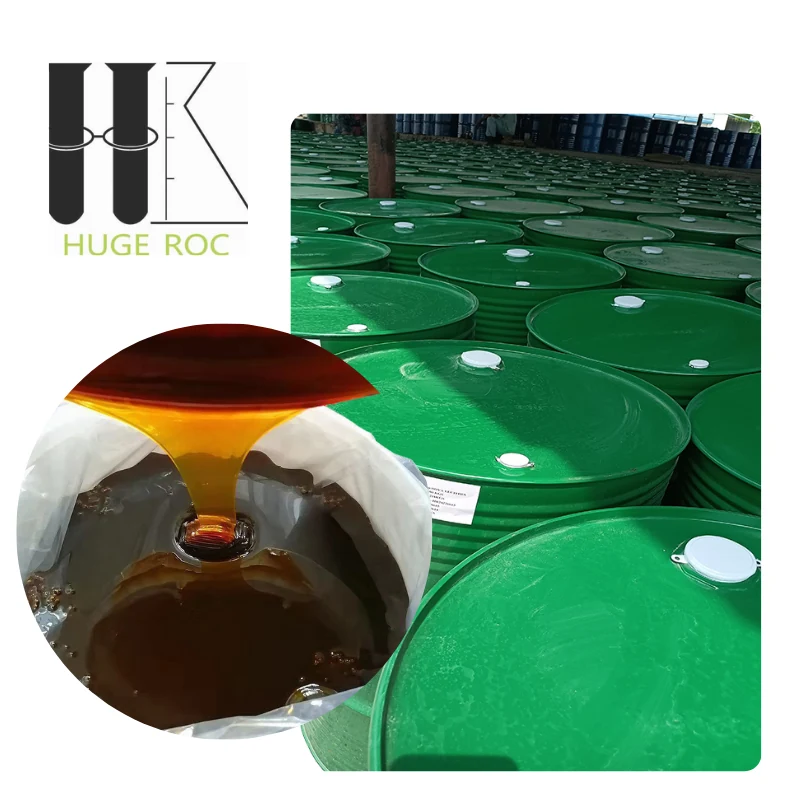
Soya Lecithin is extracted from soya bean and consists of three phospholipids, phosphatidylcholine, phosphatidylethanolamine and phosphatidylinositol. It is used as a food, feed, industrial and pharmaceutical additive and is one of the most widely used natural emulsifiers worldwide. Packing runs from 20 kg plastic drums to 200 kg iron drums, and liquid, powder, NON GMO, water soluble, hydrolysed and modified variants are all part of the range.
Send the quantity and destination port and you get the grade recommendation, the analytical specification, the packing format and the container loading in one reply.
| Phospholipid types | PC, PE, PI |
|---|---|
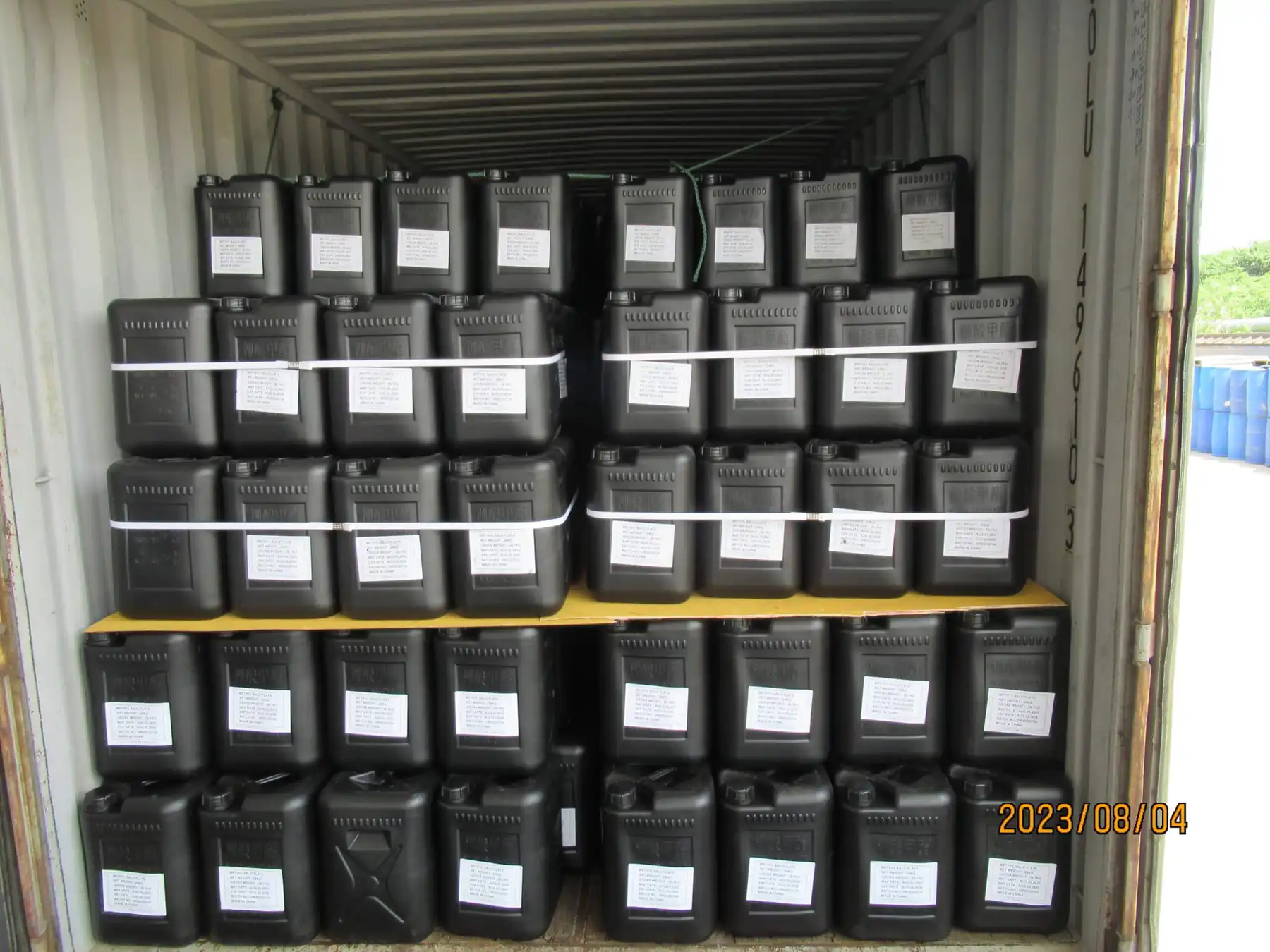
| Packing | 20 kg plastic drum, 200 kg iron drum, or customer specification |
| Variants | Liquid, powder, NON GMO, water soluble, hydrolysed, modified |
Standard liquid lecithin is the economical default for chocolate and baking. Choose the powder where dry blending is easier, the water soluble or hydrolysed grade where the system is aqueous and standard lecithin will not disperse, and the NON GMO grade where the end customer audits soya origin.
FAQ
Three types of phospholipids, phosphatidylcholine (PC), phosphatidylethanolamine (PE) and phosphatidylinositol (PI), extracted from soya bean.
Yes. NON GMO / GMO free soya lecithin is one of the available variants, alongside liquid, powder, water soluble, hydrolysed and modified grades.
20 kg plastic drums, 200 kg iron drums, or packing according to customer special need.
Candy and chocolate, baking, wafers and ice cream crisps, as a natural emulsifier, antioxidant, wetting agent, improver and viscosity agent.
Cool, dry and ventilated, away from fire sources, sealed against light and rain, and away from strong acid or alkali.
Yes, it is used as a food, feed, industrial and pharmaceutical additive.
Related
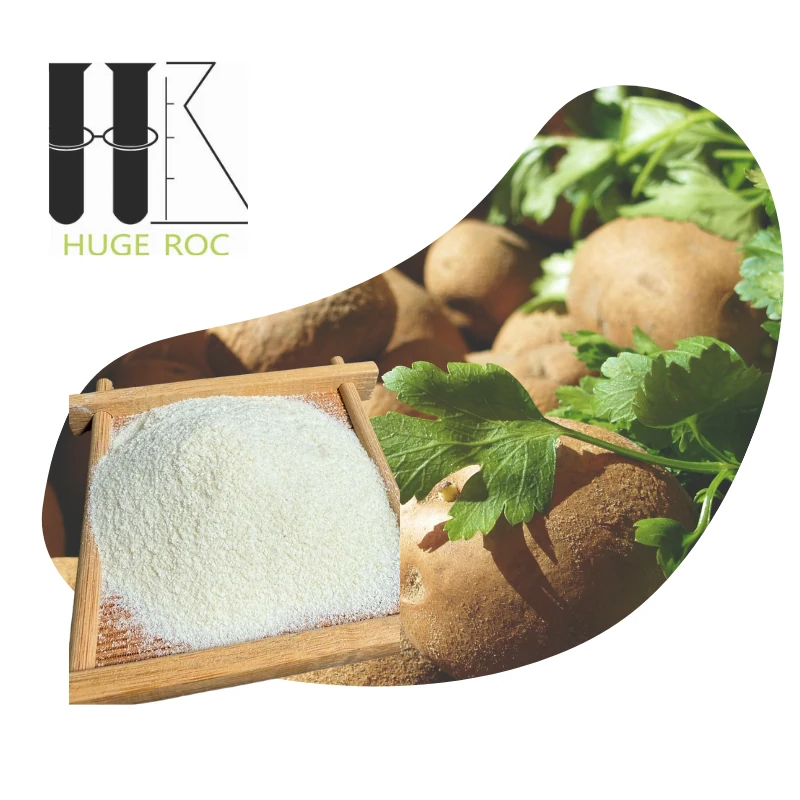
5 kg yield per 1 kg of flakes, against 3 kg from the same weight of fresh potatoes
View details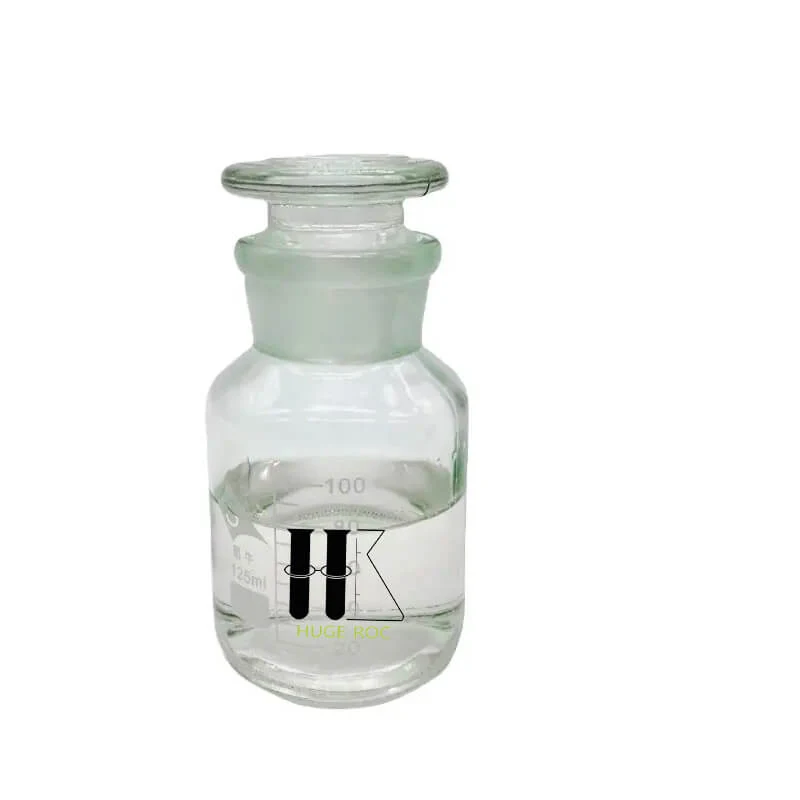
Assay not less than 85.0% H3PO4 held to a food-grade specification, not a technical-grade range
View details
Precise concentration control, so batch-to-batch acidity does not drift
View details
Higher purity and better stability than betaine hydrochloride
View details