 Request A Quote
Request A Quote
Request A Quote
Animal Healthcare
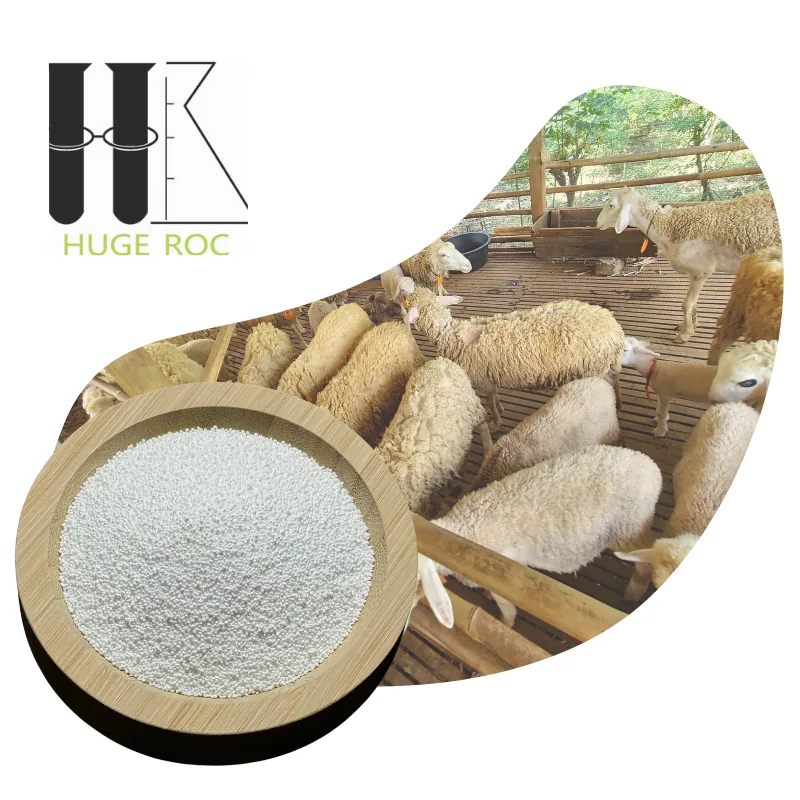
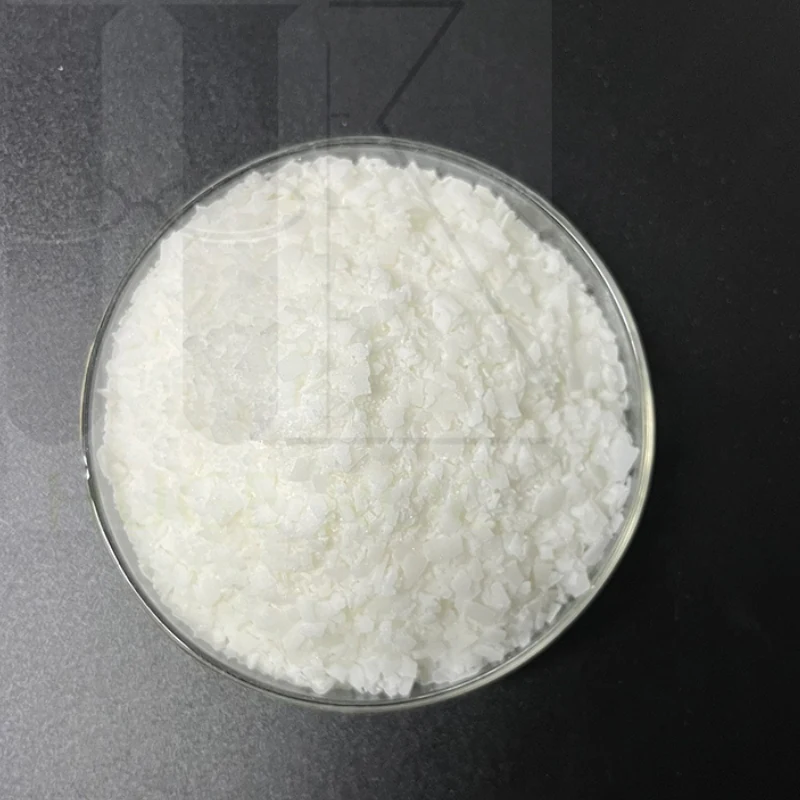
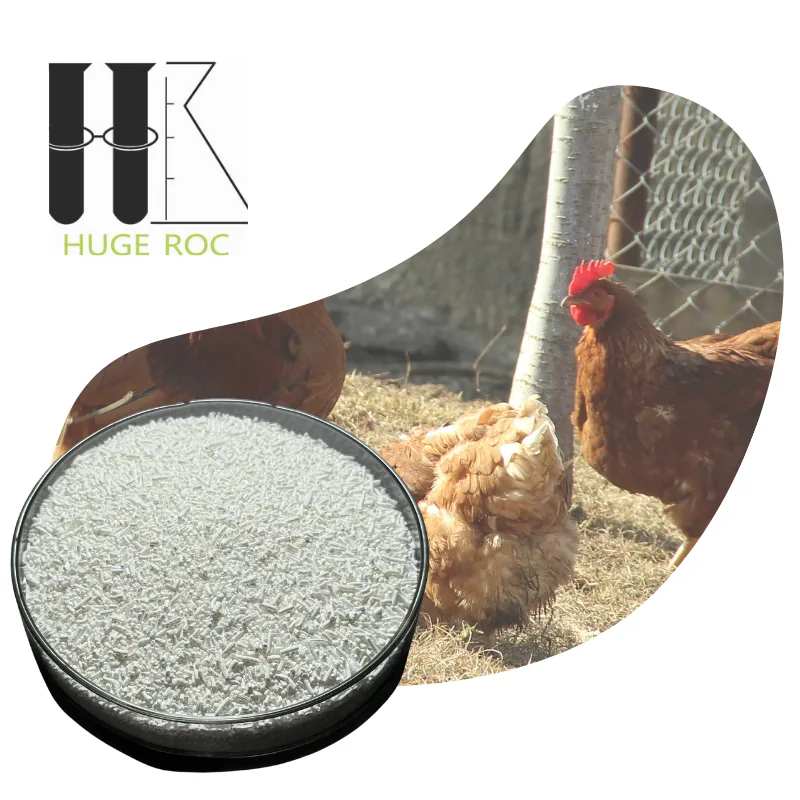
Sodium Butyrate Powder, feed grade, CAS 156-54-7, is the sodium salt of butyric acid supplied as a white fine powder at 98% min assay, 98.0-101.0% on a dry basis. It is the dry-dosing option for intestinal health programmes: it improves gut development, enhances immunity and reduces the need for antibiotics in livestock and aquaculture, and unlike the liquid glycerides it blends straight into a dry premix. Shelf life is 24 months, packed 25 kg per bag.
Send the quantity and destination port and you get the grade recommendation, the analytical specification, the packing format and the container loading in one reply.
| Appearance | White fine powder |
|---|---|
| Assay as dry basis | 98.0 - 101.0% |
| Clarity of solution | No. 3 turbidity standard liquid max |
| pH, 1.0 g / 50 ml aqueous solution | 9.0 plus or minus 1.0 |
| Drying loss | 2.0% max |
| Heavy metals as Pb | 0.001% max |
| Arsenic as As | 0.0002% max |
Sodium butyrate is the most economical way to get butyrate into feed and the only one of the three that dry-blends without special equipment, but much of it is released in the upper tract. Monobutyrin and tributyrin are the glyceride liquids to specify when release further down the gut is the objective.
FAQ
98% min, specified as 98.0 to 101.0% on a dry basis.
This item is supplied as sodium butyrate powder, a white fine powder at the specification shown. Tell us your release requirement at enquiry.
24 months, packed 25 kg per bag with custom packaging available.
Sodium butyrate is a dry powder that blends into a premix without liquid dosing equipment, but releases butyrate mainly in the upper tract. The glycerides release further down the gut.
9.0 plus or minus 1.0 measured on a 1.0 g per 50 ml aqueous solution.
Yes, TDS, MSDS and a sample COA are available for Sodium Butyrate in the document centre.
Cool, dry and well ventilated, out of direct sunlight.
Related
Higher purity and better stability than betaine hydrochloride
View details
Purity 99.8% min, so the magnesium contribution per kilo is predictable in a ration calculation
View detailsStable and sustained release of butyric acid rather than an immediate foregut release
View details
Stable glyceride form without the odour and corrosion of free butyric acid
View details