
Onshore and Submerged Line
From the shore connection to the discharge point, including crossings that have to go under traffic.
How the system fits together
The land and submerged parts of a line are where a project chooses between steel and HDPE, and the answer is usually driven by pressure and by how often the line will be moved rather than by material price. A submerged crossing adds a third consideration: the line has to stay down and stay connected to the floating section.
What goes where
Onshore run
HDPE pipe handled without lifting plant and flexible enough to cross gullies, or land steel pipe where the pressure duty exceeds 1.5 MPa.
Submerged crossing
Submerged steel pipe, weighted for stability, connecting the floating line to the onshore system under a shipping lane or channel.
Reconfigurable sections
Flanged pipe and hose where the discharge point moves between reclamation cells, on a single flange table.
Wear positions
Increased wall thickness or internal wear-resistant lining specified only where wear concentrates, rather than uniformly.
Products in this system
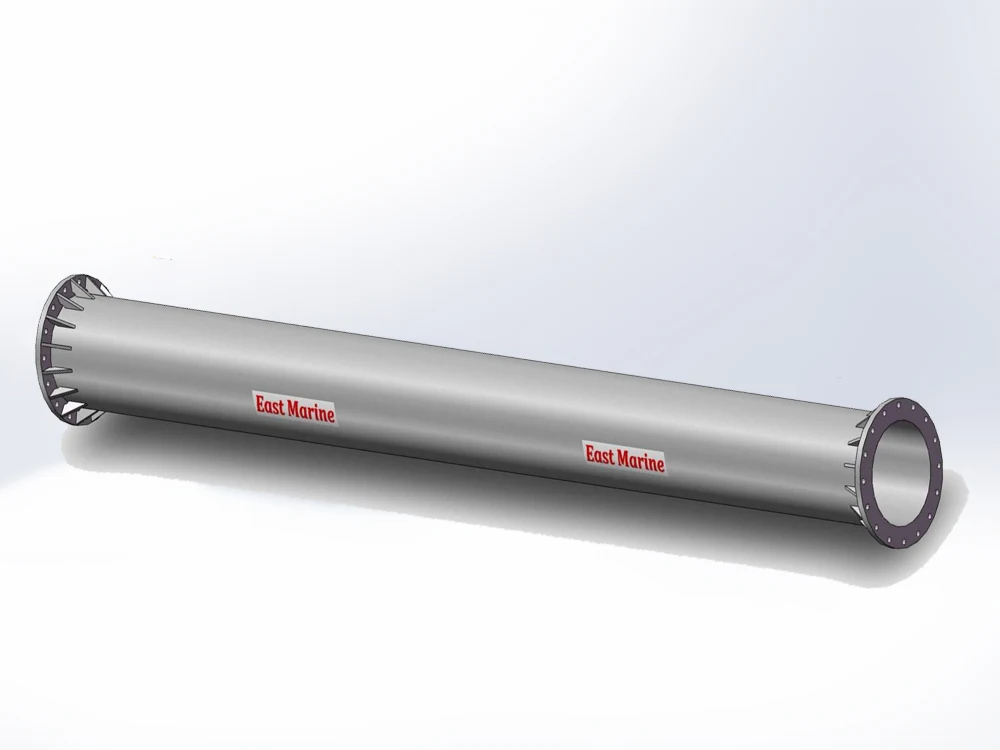
Dredging Steel Pipe
Land, floating and submerged steel pipe for heavy-duty slurry lines, ID 100-1100mm, up to 4.2MPa.
View specifications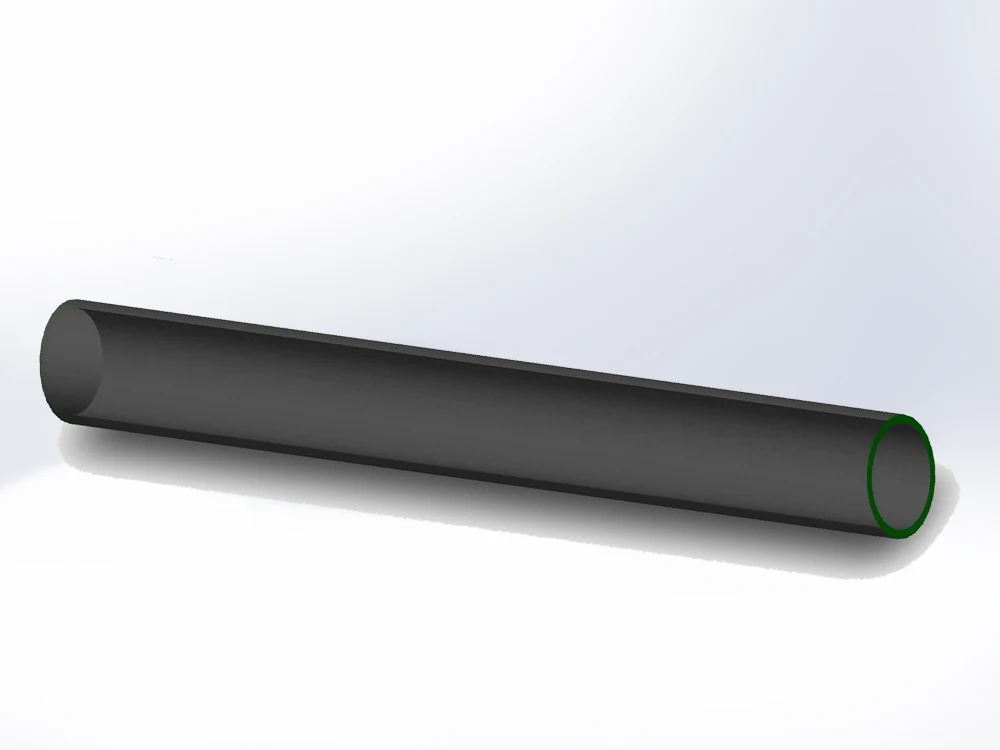
HDPE Pipe without Flange
Plain-ended HDPE dredging pipe for fused runs, OD 200-800mm, 0.6-1.5MPa.
View specifications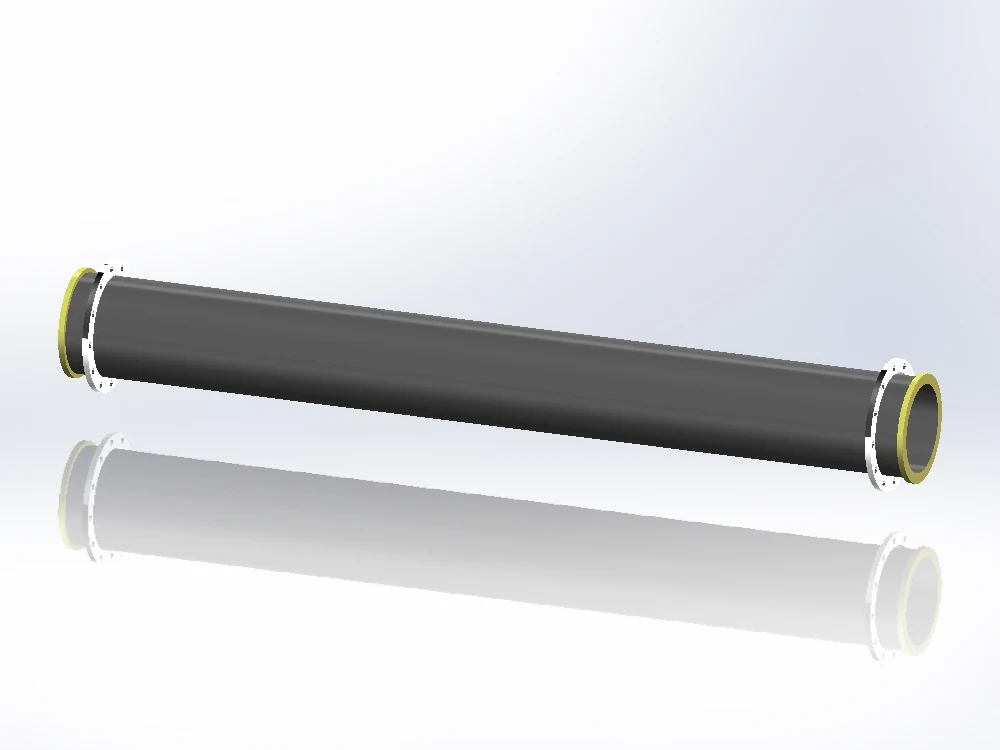
HDPE Pipe with Steel Flange
Flanged HDPE dredging pipe, OD 200-800mm, 0.6-1.5MPa, corrosion free and light to handle.
View specifications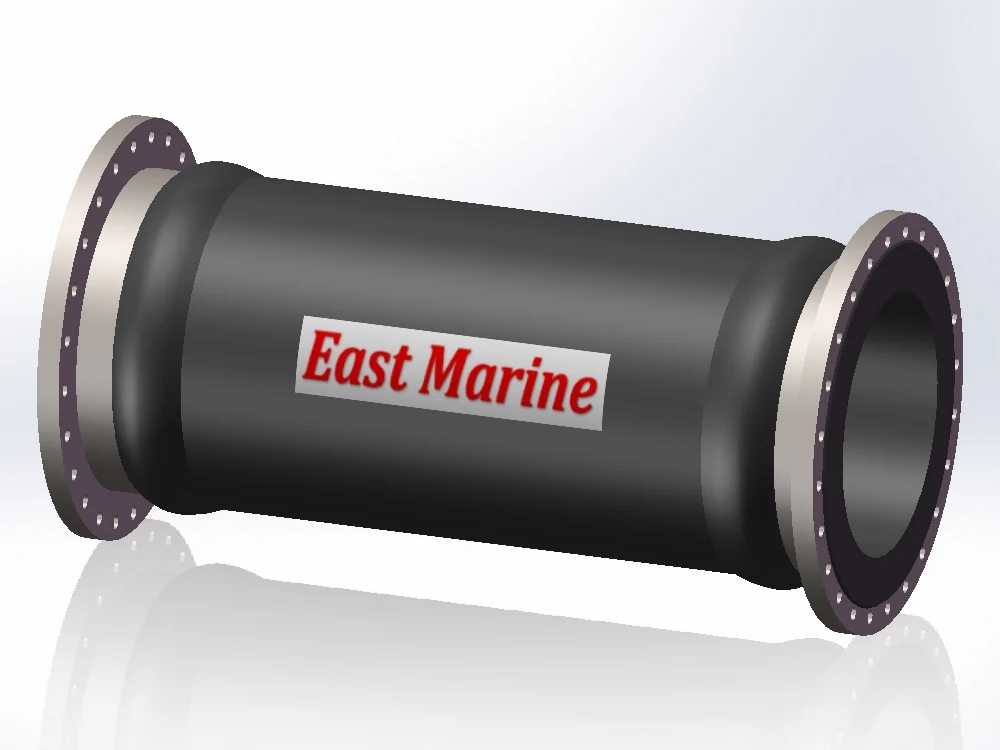
Discharge Rubber Hose with Steel Flange
Steel-flanged discharge hose for floating, onshore and submerged slurry lines, ID 100-1100mm at 0.5-4.2MPa working pressure.
View specificationsQuote the system, not the parts
Send the vessel, the line layout and the flange standard already in service.