
Knowledge
Selection and layout questions that come up repeatedly on dredging pipeline enquiries, answered from what we see in service.
The Changing Demand for Dredging Pipelines and What Is Driving It
Dredging pipelines transport slurry, sediment and dredged material from rivers and lakes to disposal sites or land reclamation projects. However advanced a dredger is, operations cannot continue without a reliable pipeline system.
Read the noteWill Floating Rubber Hoses Float Forever
One of the questions asked most often of a floating hose supplier. The short answer is that they do not float under all conditions, and the reasons come down to buoyancy, engineering and the real operating environment.
Read the noteTechnical Description of the Floating Dredging Rubber Hose and Pipeline System
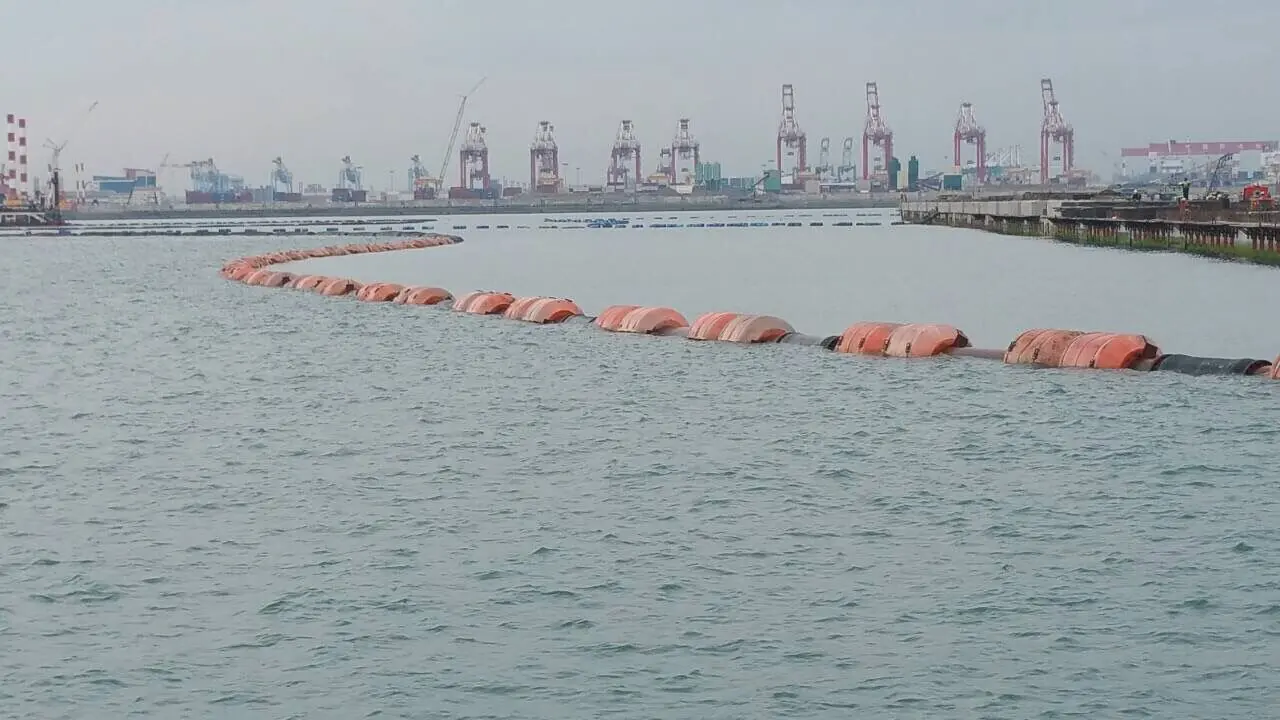
The floating dredging hose is an integrated flexible pipeline engineered for waterborne dredging, combining a sealed buoyancy structure with a high-strength wear-resistant hose body.
Read the noteA Guide to Dredging Hose Systems and How They Are Classified
Dredging hoses are the flexible lifelines of marine engineering systems, carrying mixtures of water, sand, silt and gravel. They can be classified by function, by structure and by buoyancy.
Read the noteSelection and Layout of Discharge Pipelines for Cutter Suction Dredgers
Requirements for the scientific selection and rational layout of discharge pipelines in cutter suction dredger operations, covering plan development and general requirements.
Read the noteHDPE Pipe in Dredging Service and Where It Replaces Steel
HDPE dredging pipes address abrasion, corrosion, weight and efficiency problems found in traditional dredging pipe, and have become a preferred choice for fluid transport in dredging projects.
Read the noteA question not answered here?
Send it to the engineers. If it is a common one we will add it to these notes.