
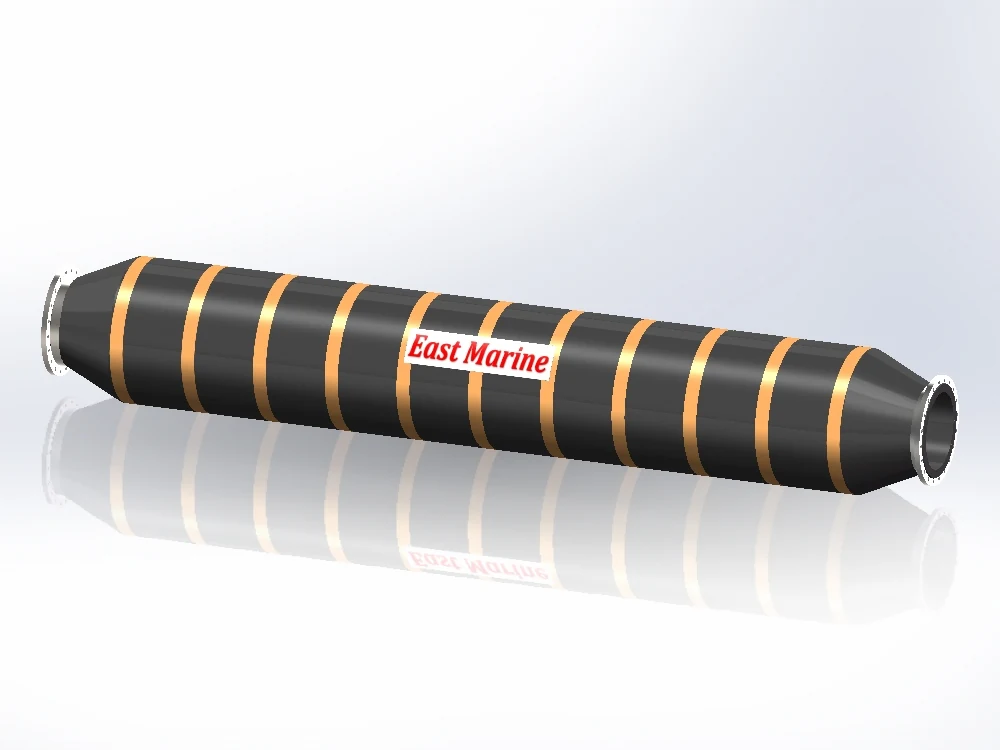
Floating Rubber Hose
Self-floating discharge hose with a buoyant interlayer, floats empty or working. ID 200-1100mm, 0.5-4.2MPa.
| Product Name | Floating Rubber Hose |
|---|---|
| Inner Diameter (ID) | 200-1100 mm |
| Length | 5800 / 11800 mm |
| Working Pressure (WP) | 0.5-4.2 MPa |
| Burst Pressure (BP) | 1.5-12.6 MPa |
| Flange Type | Steel flange |
| Application | Connects with CSD/TSHD dredgers to transport mud, sand, water and other media |
| Origin | China |
Specifications are supplied per order within the ranges shown. Send the flange drawing or the details of the section being replaced and the connection is machined to match.
Overview
A floating rubber hose carries the main discharge line across open water without pontoons. Instead of hanging buoyancy on the outside, the buoyancy is built into the wall: an inner lining, a reinforcement layer, a buoyant interlayer, an outer cover, and carbon steel flanges at both ends. The result is a hose that stays on the surface whether it is empty or full of slurry, which is what makes a long floating line practical to lay, move and recover.
Who it is for
Dredging contractors laying overwater discharge line who want the buoyancy integral to the hose rather than bolted on.
Key benefits
- Buoyant interlayer keeps the hose afloat empty or working, with no external floats required
- Highly wear-resistant natural rubber extends service life in demanding conditions
- Inner high-strength steel rings absorb dredge pump vibration and pulsating pressure
- Flexible body with flanged ends is easy to manoeuvre during operation
- Stable floating performance maintained throughout the service life, not just when new
What goes wrong without it
A conventional hose on a floating line needs separate floats, which add handling work, fastening points and things that can come loose in weather.
A line that sinks when empty has to be re-floated before the next shift, costing production time at every start-up.
Dredge pump pulsation and swell both work the line continuously; the reinforced rubber body absorbs that instead of loading the joints.
Construction and technical features
- Construction: inner lining, reinforcement layer, buoyant interlayer, outer cover layer
- Carbon steel flanges at both ends
- High pressure resistance combined with flexibility and tensile strength
- Abrasion resistance, vibration absorption and aging resistance
- Conveys mixed media including water, silt, clay and sand
Quality control
- Raw material test on every batch of natural rubber, tensile textile and rubber additives before it enters the warehouse
- Hose dimension check on inner diameter, outer diameter, wall thickness and flange alignment against the design drawing
- Weight check on every hose to confirm it falls inside the agreed tolerance band
- Hydrostatic or vacuum pressure test to the specified working pressure when the order calls for it
- Third-party inspection can be arranged on request
Where it is used
- Main overwater discharge line behind a cutter suction dredger
- Reservoir and lake desilting where the line must cross open water to the shore connection
- Land reclamation projects where the floating line is repositioned as cells are filled
- Nearshore works where a pontoon-supported line would obstruct traffic
Customisation
- Inner diameter 200-1100 mm in 5800 or 11800 mm section lengths
- Working pressure specified within the 0.5-4.2 MPa band
- Flange drilling matched to the line already in service
- Customer logo and section numbering in the marking layer
How it compares
Against a standard discharge hose carried on PE floats, the floating hose removes the float hardware and the work of fitting it, and keeps floating when the line is empty. Against the armored floating hose, this version has no embedded wear rings: choose it for sand, silt and clay, and step up to armored when the material is sharp or rocky.
Selection and use notes
- Confirm the medium and particle size so the lining specification matches the duty
- Keep the line's natural curve; do not pull a floating line straight against its bend limit
- Inspect the outer cover for impact damage after weather events, since the buoyant layer sits inside it
- Rotate sections along the line so the section nearest the dredger is not always the same one
Questions buyers ask
Does it float when empty as well as when working?
Yes. The buoyant interlayer design keeps the hose afloat on the water surface in both empty and working condition.
Do I still need PE floats with it?
No. Buoyancy is built into the hose wall, which is the point of the construction. PE floats are for pipelines that do not float on their own, such as HDPE or steel pipe.
What section lengths do you supply?
5800 mm and 11800 mm, with inner diameter from 200 to 1100 mm.
What media can it carry?
Mixed media including water, silt, clay and sand, connected to CSD or TSHD dredgers.
What is the working pressure?
0.5-4.2 MPa working pressure with 1.5-12.6 MPa burst pressure.
Can third-party inspection be arranged before shipment?
Yes, an independent inspection agency can be invited according to your requirements.
Related products
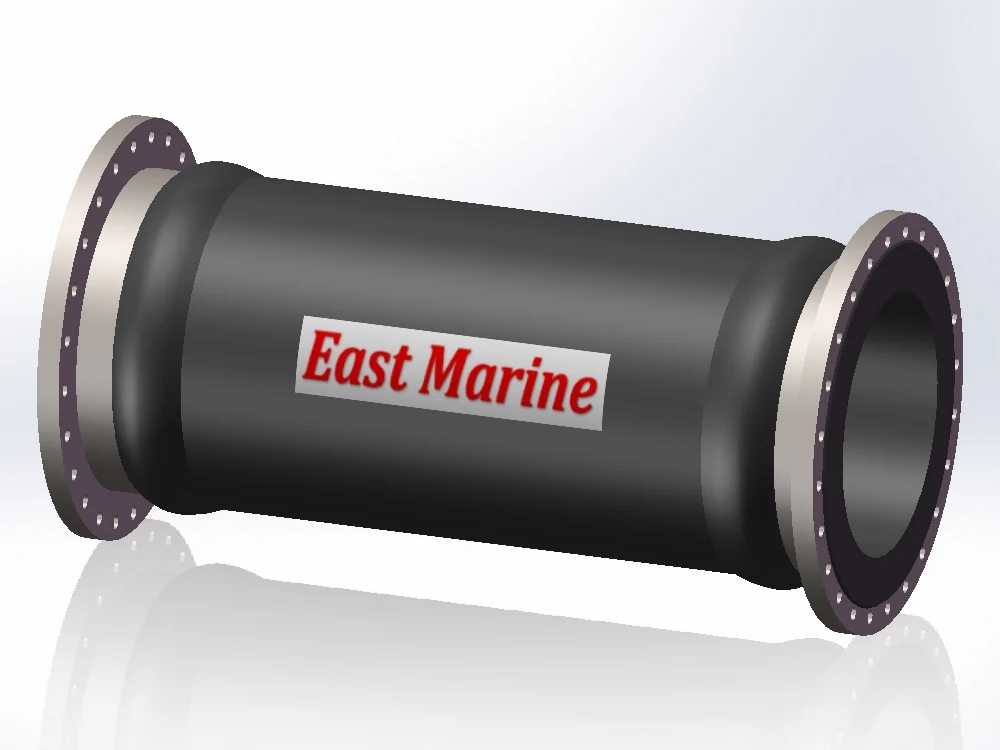
Discharge Rubber Hose with Steel Flange
Steel-flanged discharge hose for floating, onshore and submerged slurry lines, ID 100-1100mm at 0.5-4.2MPa working pressure.
View specifications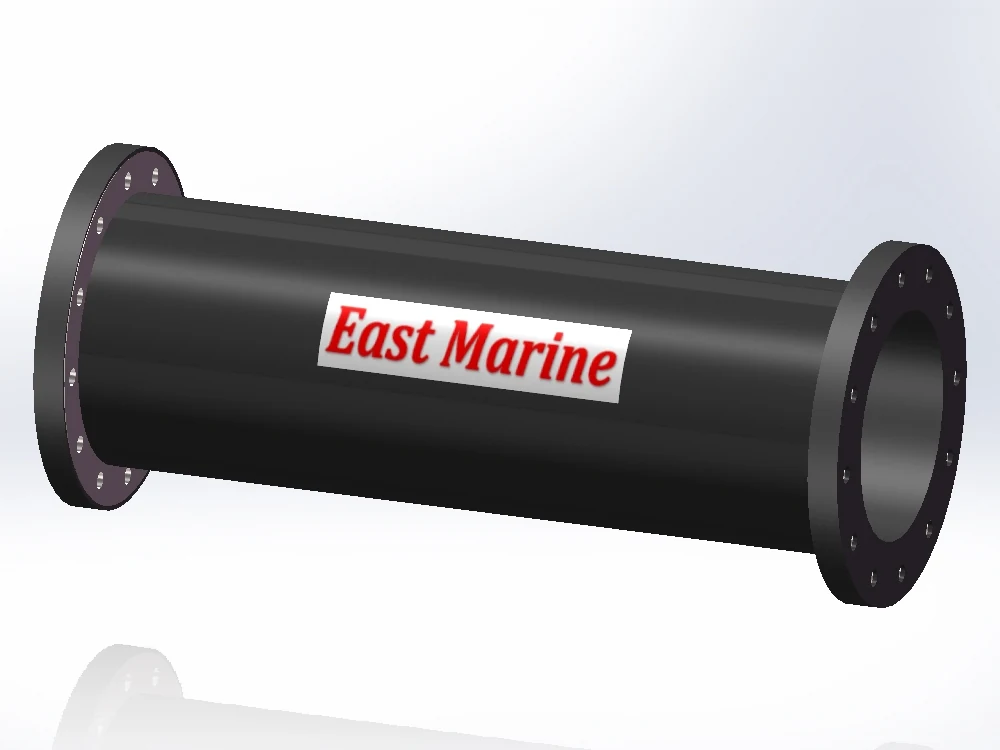
Discharge Rubber Hose with Sandwich Flange
Sandwich-flanged discharge hose with rubber-lined sealing face, ID 100-1100mm at 0.5-4.2MPa working pressure.
View specifications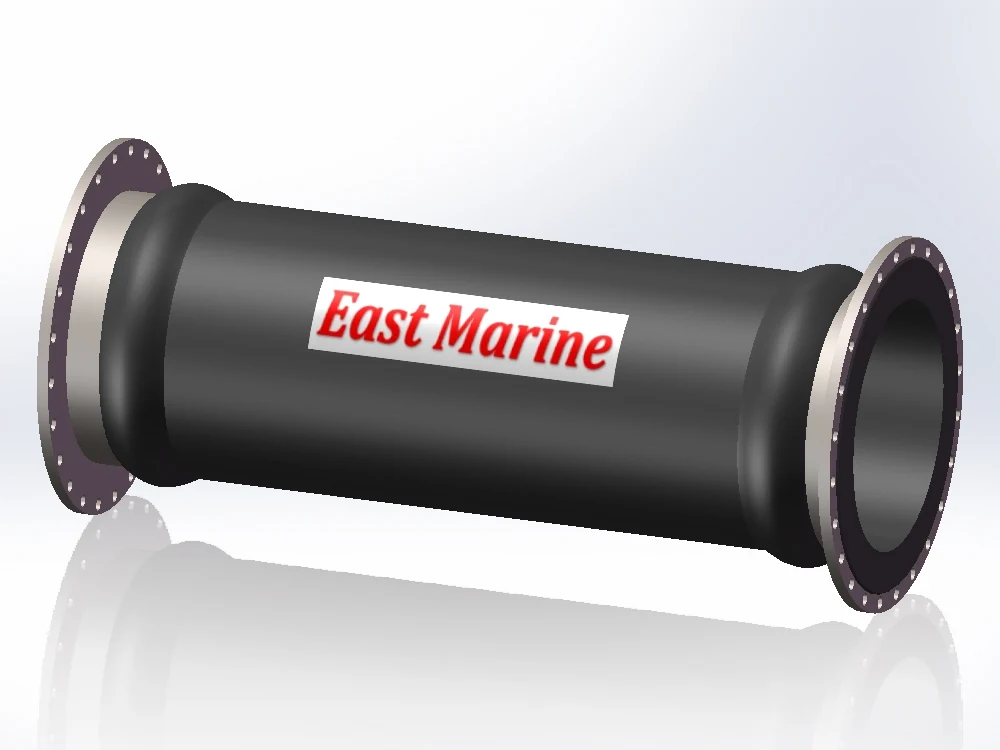
Armored Discharge Rubber Hose with Steel Flange
Steel-ring armored discharge hose for coral reef and weathered rock, HB>=450 wear rings, ID 100-1100mm.
View specificationsNeed this section to bolt into what you already run?
Send the flange drawing, the bore and the working pressure. We will confirm the specification and the lead time.