
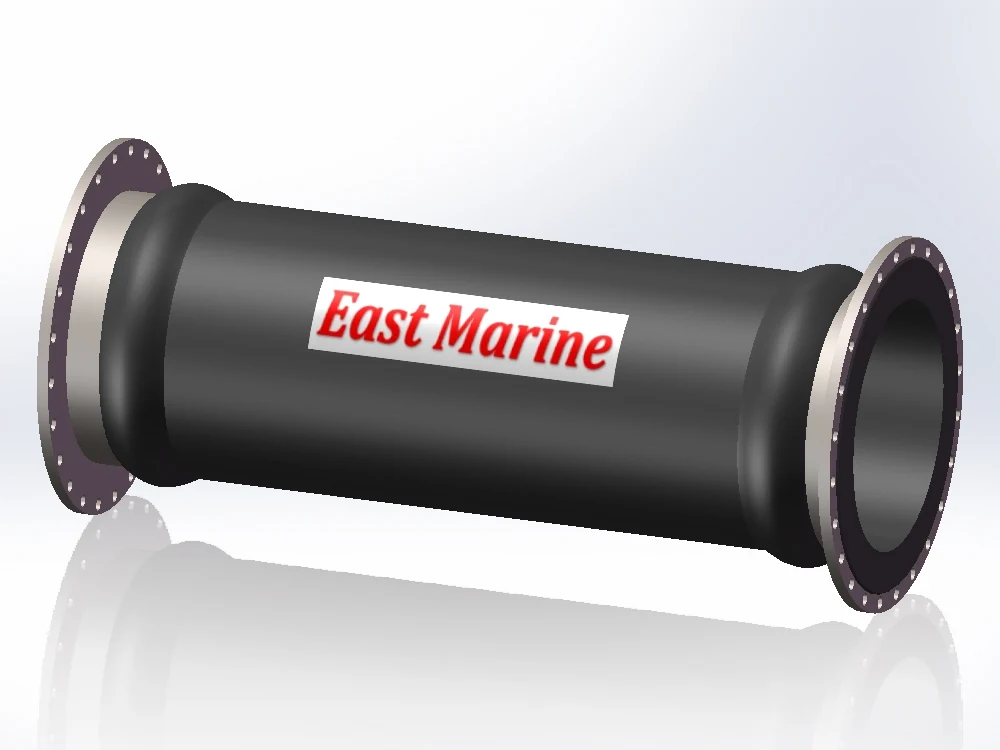
CSD Pipeline System
Ladder suction, pump connection and discharge line for a cutter suction dredger, specified as one system.
How the system fits together
A cutter suction dredger's pipeline is three different duties bolted together, and specifying them separately is how lines end up with mismatched flanges and mismatched service lives. The ladder suction section has to resist vacuum collapse and abrasion at the same time. The pump connection has to absorb movement and pulsation. The discharge run has to handle whatever the cutter is producing, across water, land, or both.
What goes where
Ladder and suction side
Suction hose reinforced with spiral steel wire or multi-layer construction, rated from -0.1 MPa vacuum, with HB 450+ wear rings in the lining where the cutter is in hard material.
Pump connection
Expansion joint in 100-1300 mm bore, 200-1000 mm long, rated from vacuum to 3 MPa, taking up the gap and damping pump pulsation before it reaches the fixed pipework.
Discharge run
Discharge hose to 4.2 MPa, armored where the material is coral reef or weathered rock, with the wear warning layer visible for scheduled rotation.
Overwater and shore
Floating rubber hose for the overwater run, then HDPE or steel pipe to the discharge point, all on one flange table.
Products in this system
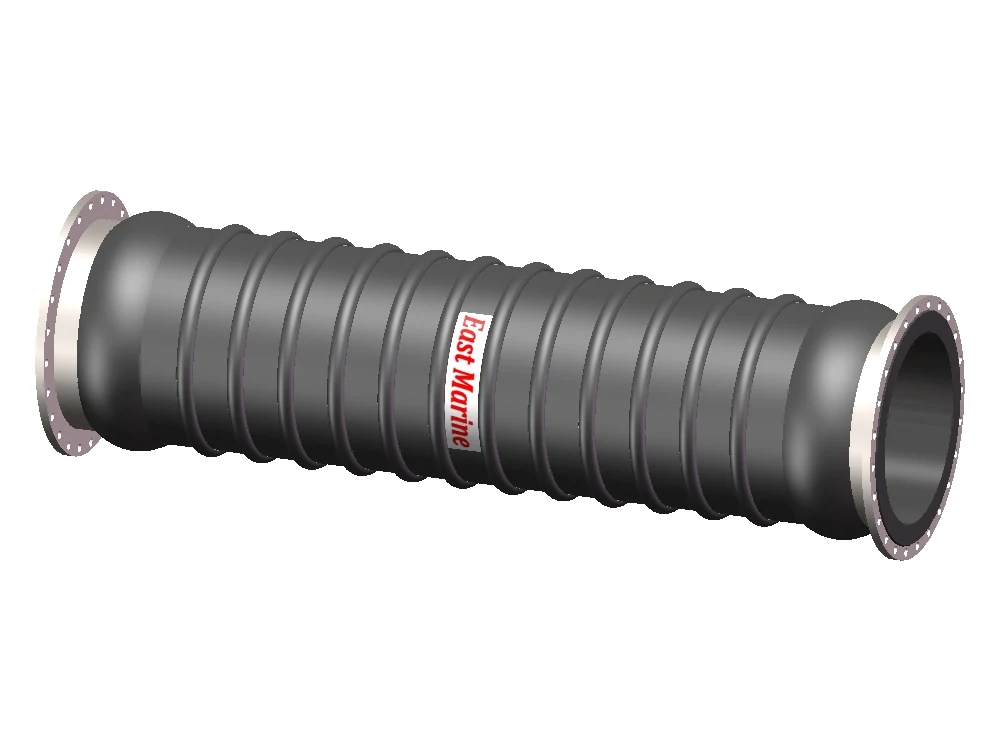
Suction Rubber Hose with Steel Flange
Vacuum-rated suction hose for TSHD drag arms and CSD cutter ladders, -0.1 to 1.0MPa, ID 100-1100mm.
View specifications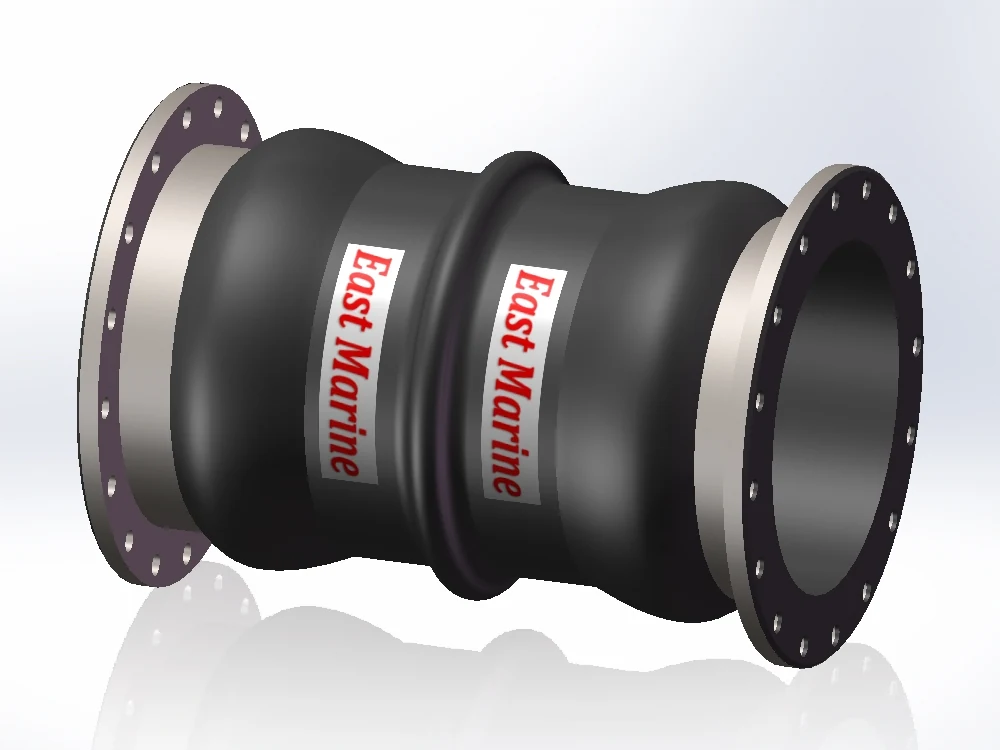
Expansion Joint with Steel Flange
Short flexible joint connecting dredge pump to pipeline, ID 100-1300mm, vacuum to 3MPa.
View specificationsArmored Discharge Rubber Hose with Steel Flange
Steel-ring armored discharge hose for coral reef and weathered rock, HB>=450 wear rings, ID 100-1100mm.
View specifications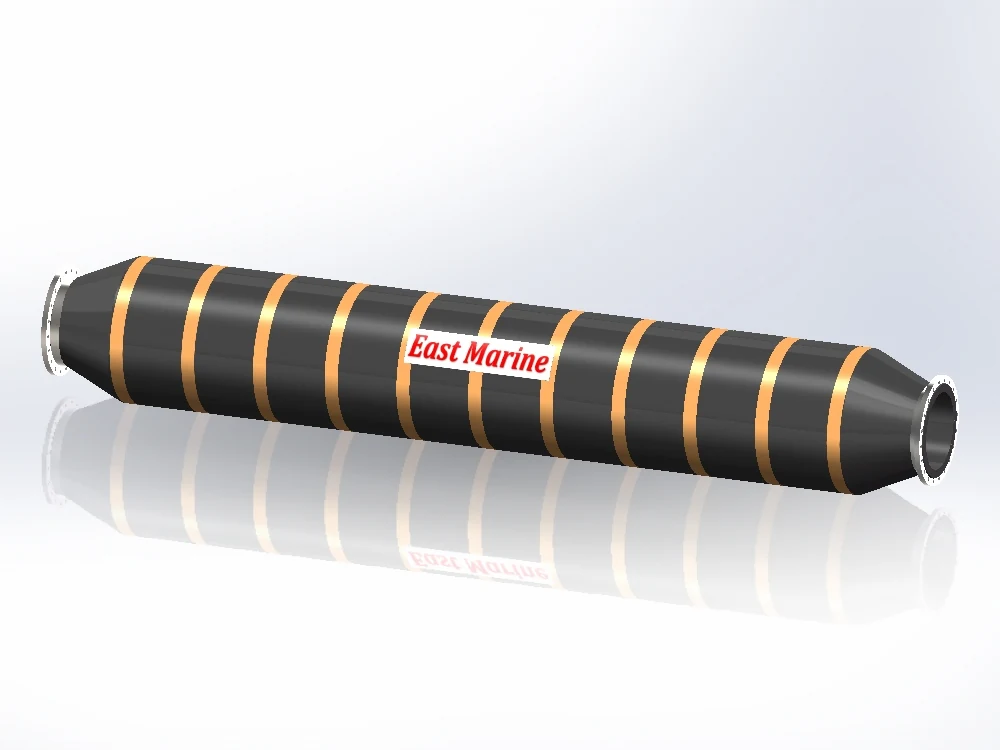
Floating Rubber Hose
Self-floating discharge hose with a buoyant interlayer, floats empty or working. ID 200-1100mm, 0.5-4.2MPa.
View specificationsQuote the system, not the parts
Send the vessel, the line layout and the flange standard already in service.