
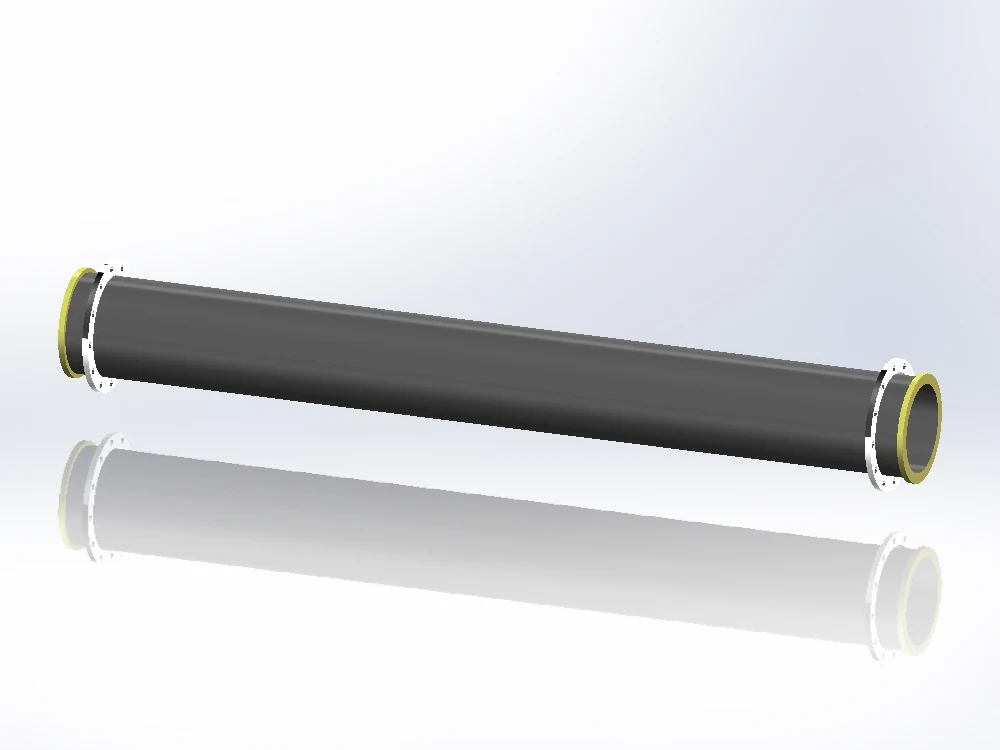
HDPE Pipe with Steel Flange
Flanged HDPE dredging pipe, OD 200-800mm, 0.6-1.5MPa, corrosion free and light to handle.
| Product Name | HDPE Pipe with Steel Flange |
|---|---|
| Outside Diameter (OD) | 200-800 mm |
| Length | 5800 or 11800 mm |
| Working Pressure (WP) | 0.6-1.5 MPa |
| Burst Pressure (BP) | 1.8-4.5 MPa |
| Flange Type | Steel flange |
| Material Grade | Virgin PE100 grade or higher |
| Application | Clearing waterways and transporting sediment to keep channels unobstructed |
| Origin | China |
Specifications are supplied per order within the ranges shown. Send the flange drawing or the details of the section being replaced and the connection is machined to match.
Overview
HDPE dredging pipe solves the problems that make steel awkward on a dredging line: weight, corrosion and the anti-corrosion treatment that goes with it. This version comes flanged, using backing rings and flange adapters so sections bolt together and come apart without welding. It carries slurry, mud and sand sediment dredged from oceans, lakes and rivers, at 0.6-1.5 MPa working pressure in outside diameters from 200 to 800 mm.
Who it is for
Dredging contractors replacing steel line to cut handling and corrosion maintenance, where sections must still bolt up rather than be fused.
Key benefits
- Extremely high elongation at break, so it takes impact, compression and bending without brittle failure
- Corrosion resistance and chemical stability across complex water conditions and media
- Very low maintenance cost with no anti-corrosion treatment required
- Low transport and installation cost, with no heavy lifting equipment needed
- Backing rings and flange adapters make installation, disassembly and transport convenient
- Flexibility accommodates complex terrain such as gully crossings and changing riverbeds
What goes wrong without it
Steel pipe on a dredging line needs anti-corrosion treatment and then needs it maintained; HDPE needs neither.
Handling steel pipe means lifting equipment on site. HDPE is light enough for manual handling and connection, which shortens the lay-down schedule.
Rigid pipe cannot follow a gully crossing or a shifting riverbed without fabricated bends. HDPE flexes into the terrain.
Construction and technical features
- Material: high-density polyethylene, virgin PE100-grade or higher polyethylene pellets
- High mechanical strength and chemical resistance
- Steel flange connection using backing rings and flange adapters
- Designed for slurry, mud and sand sediment transport
- Third-party inspection available on request
Quality control
- Strict material selection using virgin PE100-grade or higher polyethylene pellets for pressure stability
- Dimensional checks on outside diameter and wall thickness
- Pressure testing to the specified working pressure
- Third-party inspection agencies can be invited to inspect according to customer requirements
Where it is used
- Onshore discharge runs where the line is repeatedly broken and re-laid
- Floating lines supported on PE floats across open water
- Channel clearing works where sediment is moved to keep waterways open
- Sites with difficult terrain such as gullies or changing riverbeds
Customisation
- Outside diameter 200-800 mm
- Section length 5800 mm or 11800 mm
- Working pressure specified within the 0.6-1.5 MPa band
- Backing ring and flange adapter drilling matched to the connecting line
How it compares
Against dredging steel pipe, HDPE gives up rigidity and top-end pressure capability but removes corrosion treatment, cuts weight and handling cost, and flexes with the terrain. Against the unflanged HDPE pipe, this version bolts up and comes apart without fusion equipment, which suits lines that get reconfigured; the unflanged version suits permanent fused runs.
Selection and use notes
- Check the working pressure requirement against the 0.6-1.5 MPa band before substituting for steel
- Use backing rings and flange adapters rather than clamping directly on the pipe wall
- Allow for HDPE's flexibility when setting float spacing on a floating run
- Size PE floats from the flooded weight of the line when it is used overwater
Questions buyers ask
What diameters and lengths do you supply?
Outside diameter 200-800 mm, in section lengths of 5800 mm or 11800 mm.
What pressure is it rated to?
0.6-1.5 MPa working pressure and 1.8-4.5 MPa burst pressure.
Does it need anti-corrosion treatment?
No. Unlike steel pipe, HDPE requires no anti-corrosion treatment, and maintenance costs are very low.
Do we need a crane to install it?
No heavy lifting equipment is needed. Manual handling and connection are sufficient, which is a large part of the cost saving over steel.
What grade of material do you use?
Virgin PE100-grade or higher polyethylene pellets, to ensure stability under demanding pressure conditions.
Can we get third-party inspection?
Yes. Third-party inspection agencies can be invited to inspect according to your requirements.
Related products
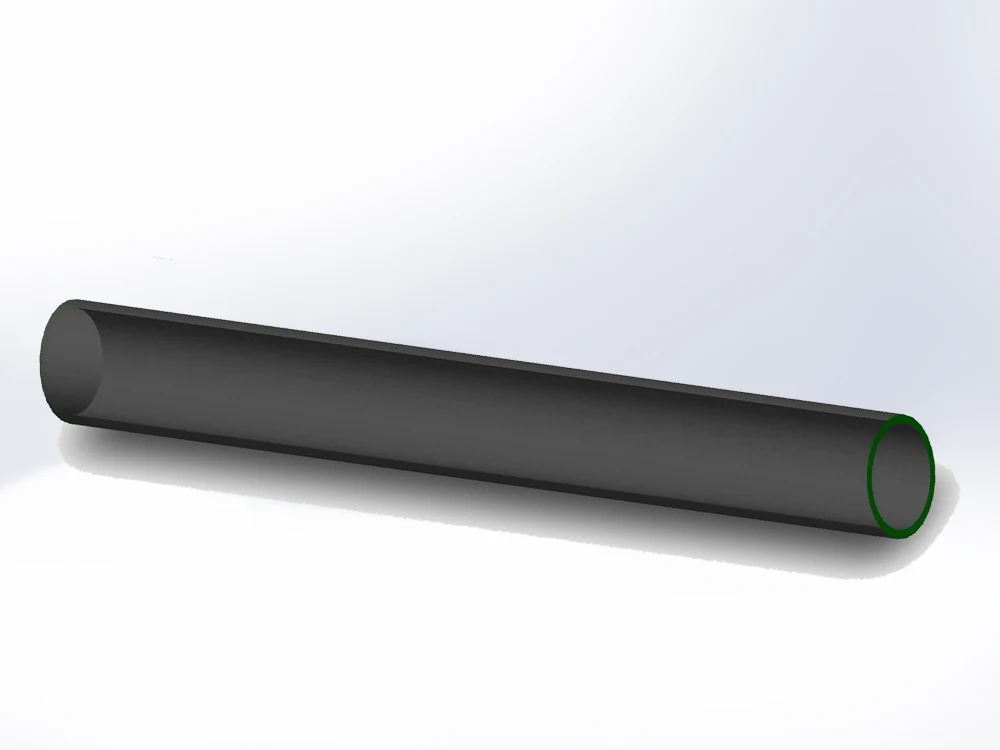
HDPE Pipe without Flange
Plain-ended HDPE dredging pipe for fused runs, OD 200-800mm, 0.6-1.5MPa.
View specifications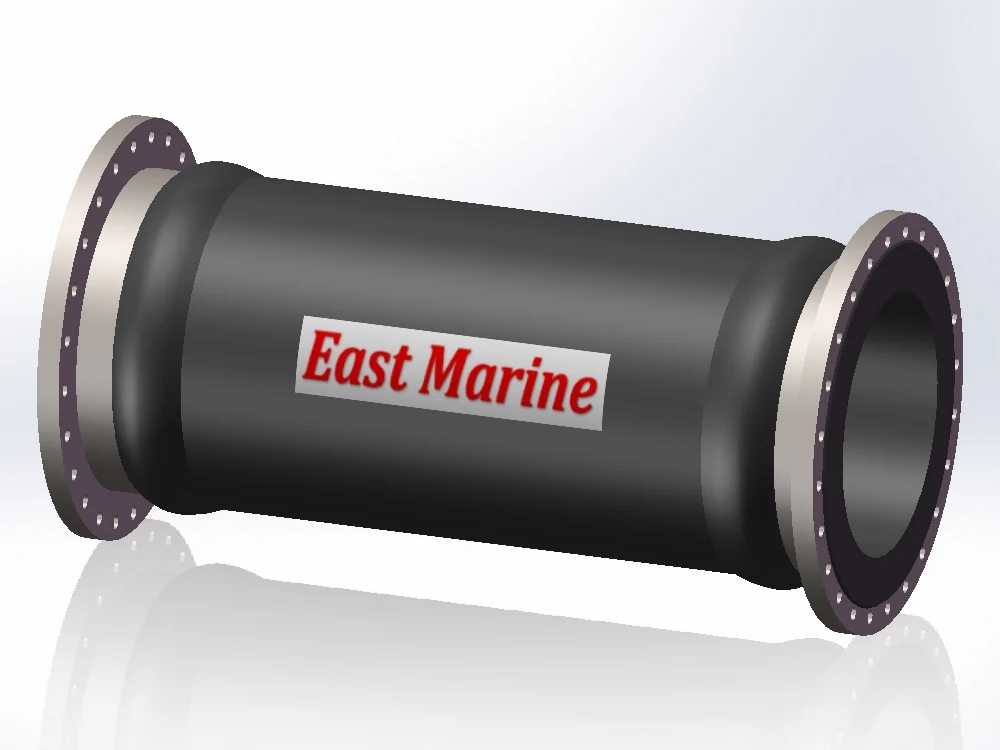
Discharge Rubber Hose with Steel Flange
Steel-flanged discharge hose for floating, onshore and submerged slurry lines, ID 100-1100mm at 0.5-4.2MPa working pressure.
View specifications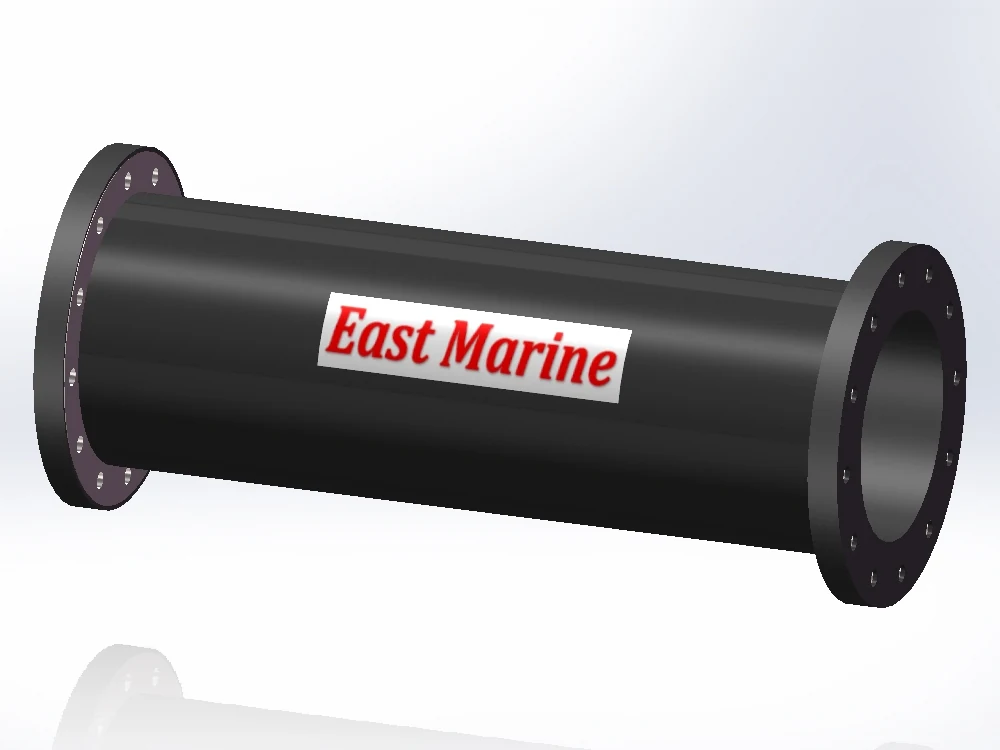
Discharge Rubber Hose with Sandwich Flange
Sandwich-flanged discharge hose with rubber-lined sealing face, ID 100-1100mm at 0.5-4.2MPa working pressure.
View specificationsNeed this section to bolt into what you already run?
Send the flange drawing, the bore and the working pressure. We will confirm the specification and the lead time.