
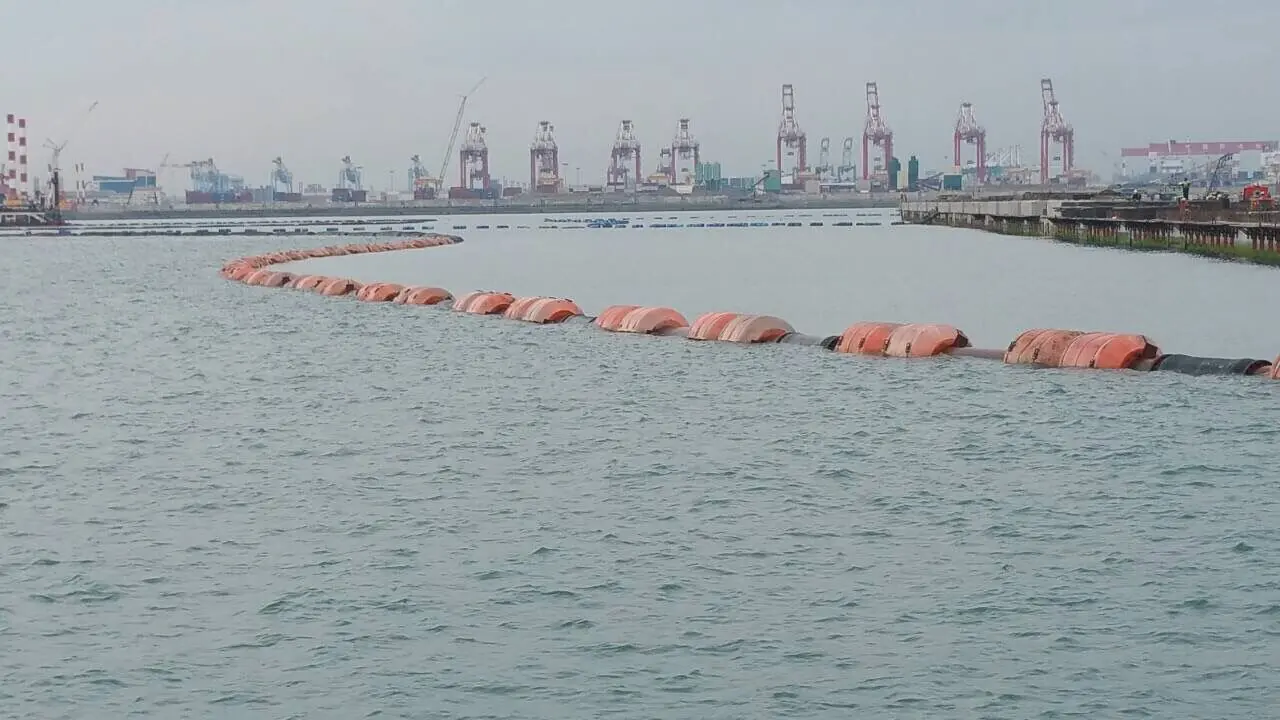
Land Reclamation
Long delivery lines that are repositioned as cells fill, needing sections that come apart and go back together.
What this work asks of a pipeline
On a reclamation contract the line moves. Cells fill, the discharge point shifts, and the pipeline is broken down and re-laid repeatedly across the project. That makes the joint, rather than the hose body, the component that decides how much time is lost between phases.
What tends to go wrong
Every reconfiguration is handling time, and welded or fused joints turn it into a fabrication job.
Long floating runs need buoyancy that survives repeated handling and repositioning.
Mixed line materials with different flange standards force adapters into the line at exactly the points that are broken most often.
What we specify instead
- Flanged sections throughout, drilled to a single table across rubber hose, HDPE and steel pipe.
- PE floats with location slots so buoyancy stays where it was set when the line is towed into a new position.
- HDPE pipe with steel flanges for the runs that are moved most, handled without lifting plant.
Products used in this work
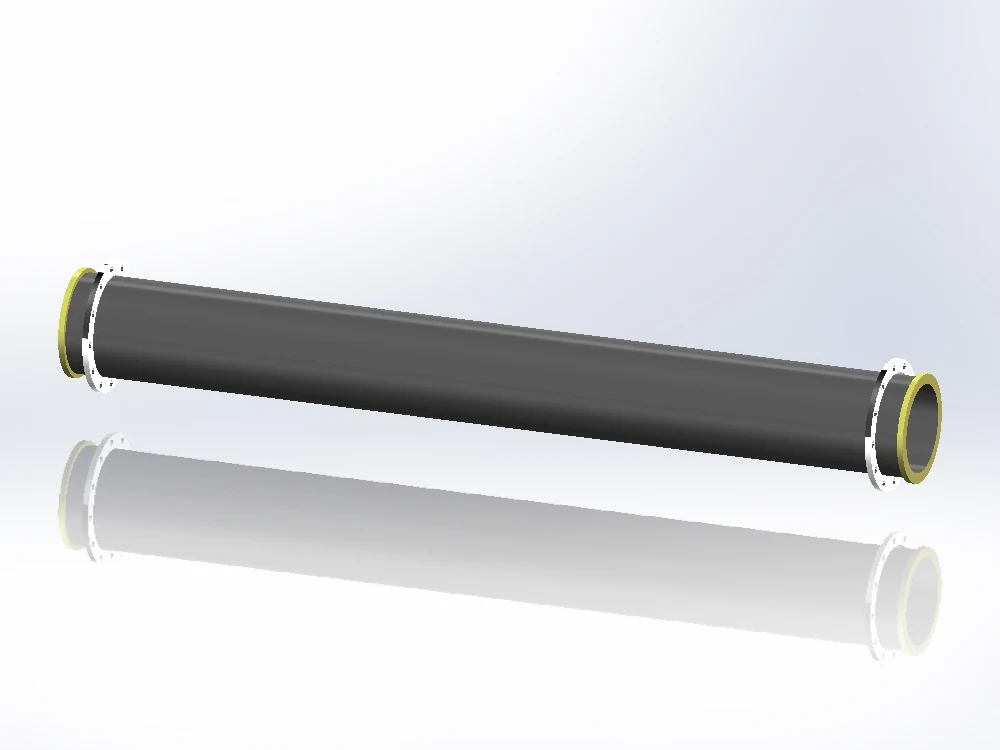
HDPE Pipe with Steel Flange
Flanged HDPE dredging pipe, OD 200-800mm, 0.6-1.5MPa, corrosion free and light to handle.
View specifications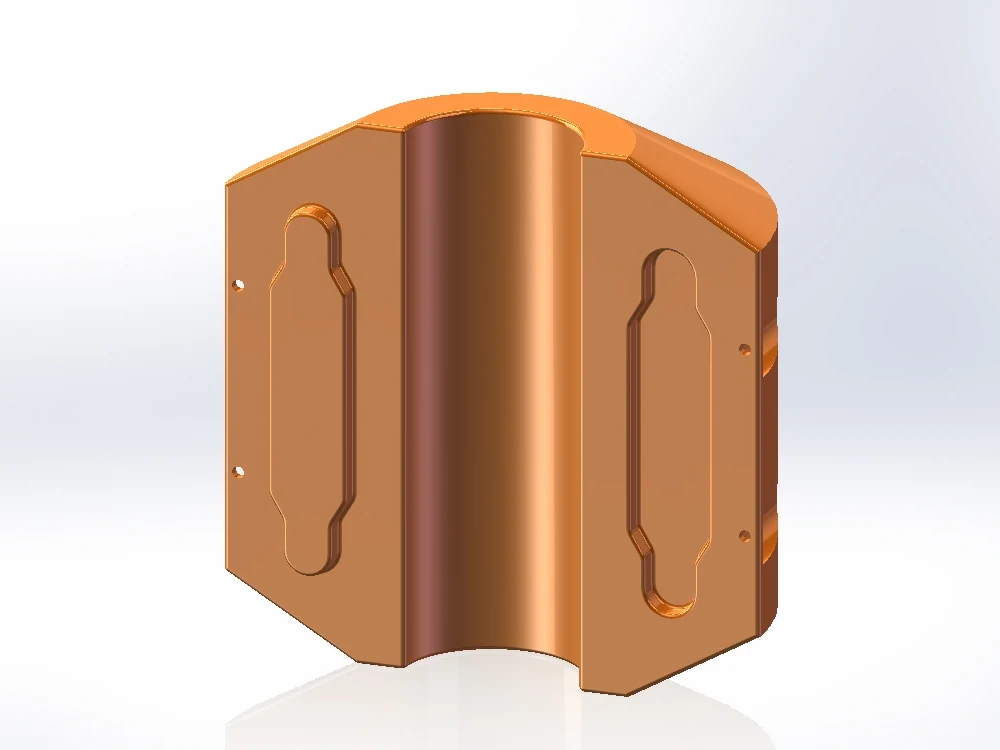
PE Float with Location Slot
PU-filled PE float with a location slot that grips the pipe, buoyancy 150-5000kg, ID 110-1200mm.
View specifications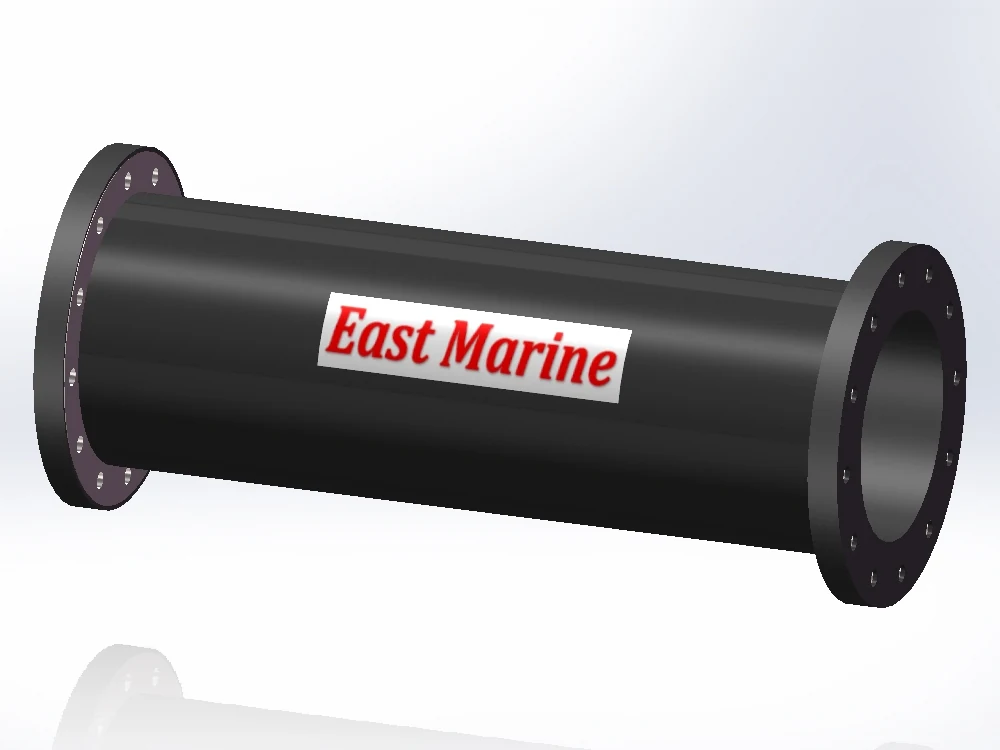
Discharge Rubber Hose with Sandwich Flange
Sandwich-flanged discharge hose with rubber-lined sealing face, ID 100-1100mm at 0.5-4.2MPa working pressure.
View specifications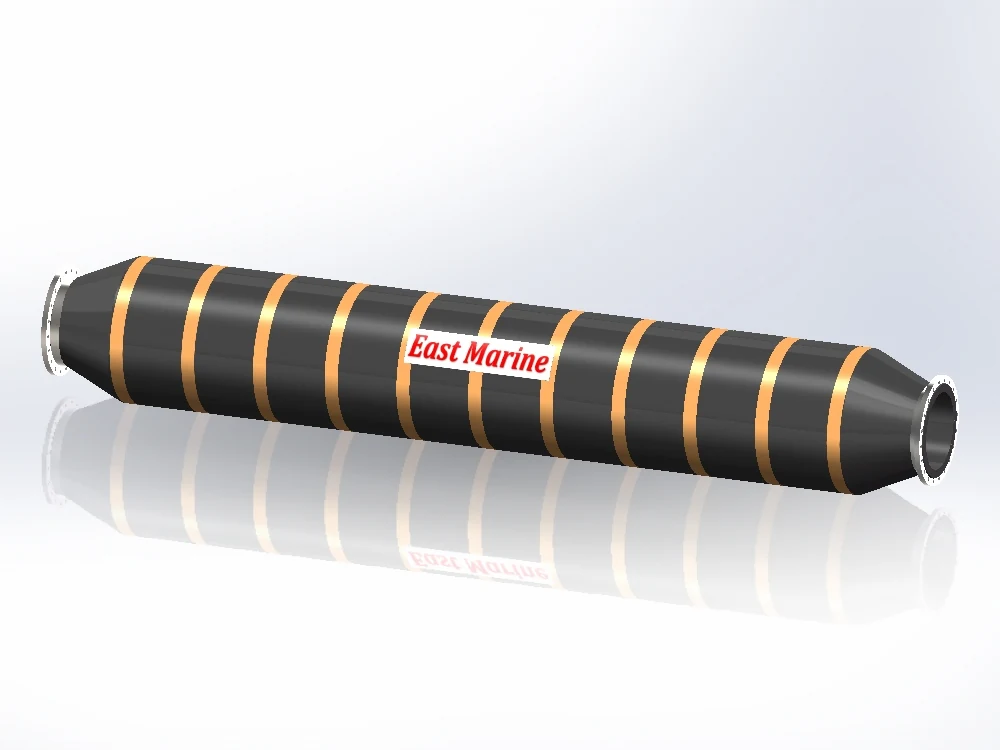
Floating Rubber Hose
Self-floating discharge hose with a buoyant interlayer, floats empty or working. ID 200-1100mm, 0.5-4.2MPa.
View specificationsWorking on a project like this?
Send the material, the vessel and the line layout. We will come back with what we would specify and why.