
Water Conservancy and Desilting
Reservoir and river desilting, where the line crosses open water to a shore connection.
What this work asks of a pipeline
Desilting a reservoir or a river reach means running a delivery line across water that other people are also using, to a shore connection that may be a long way from the dredger. The line has to float reliably, be repositioned without heavy plant, and not become an obstruction.
What tends to go wrong
Pontoon-supported lines obstruct traffic and are slow to reposition.
Lines that sink when empty need re-floating before each shift.
Terrain at the shore connection is rarely flat, and rigid pipe needs fabricated bends to reach it.
What we specify instead
- Floating rubber hose with an integral buoyant interlayer for the overwater section.
- HDPE pipe for the shore run, flexible enough to cross gullies and follow a changing bank.
- Expansion joints at the pump to take up movement and damp vibration into the fixed pipework.
Products used in this work
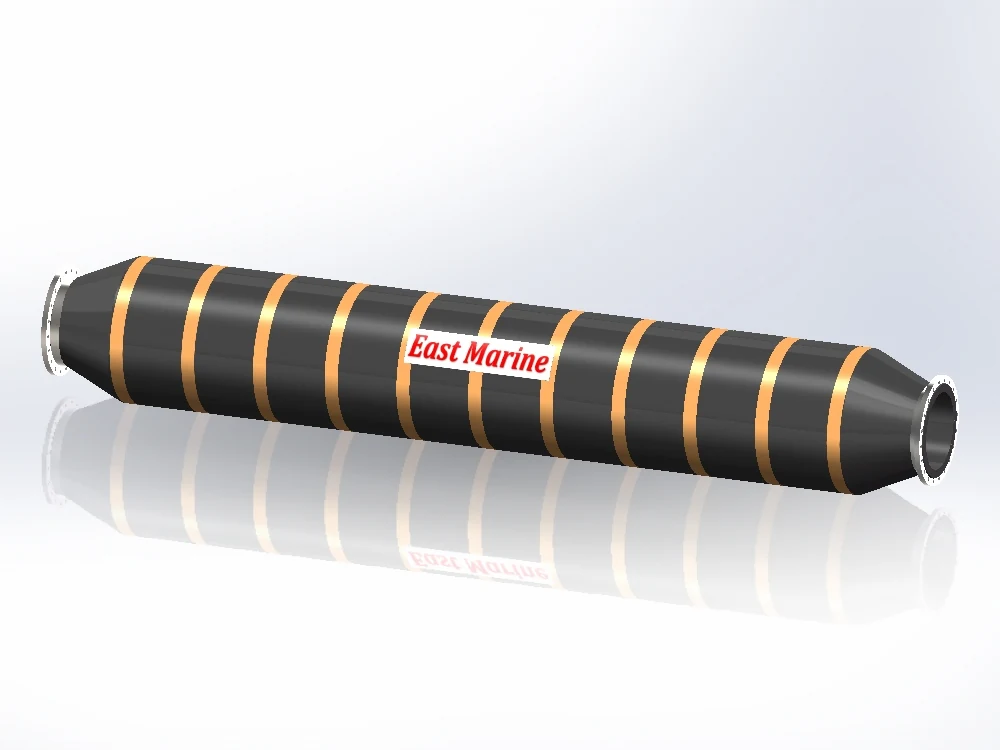
Floating Rubber Hose
Self-floating discharge hose with a buoyant interlayer, floats empty or working. ID 200-1100mm, 0.5-4.2MPa.
View specifications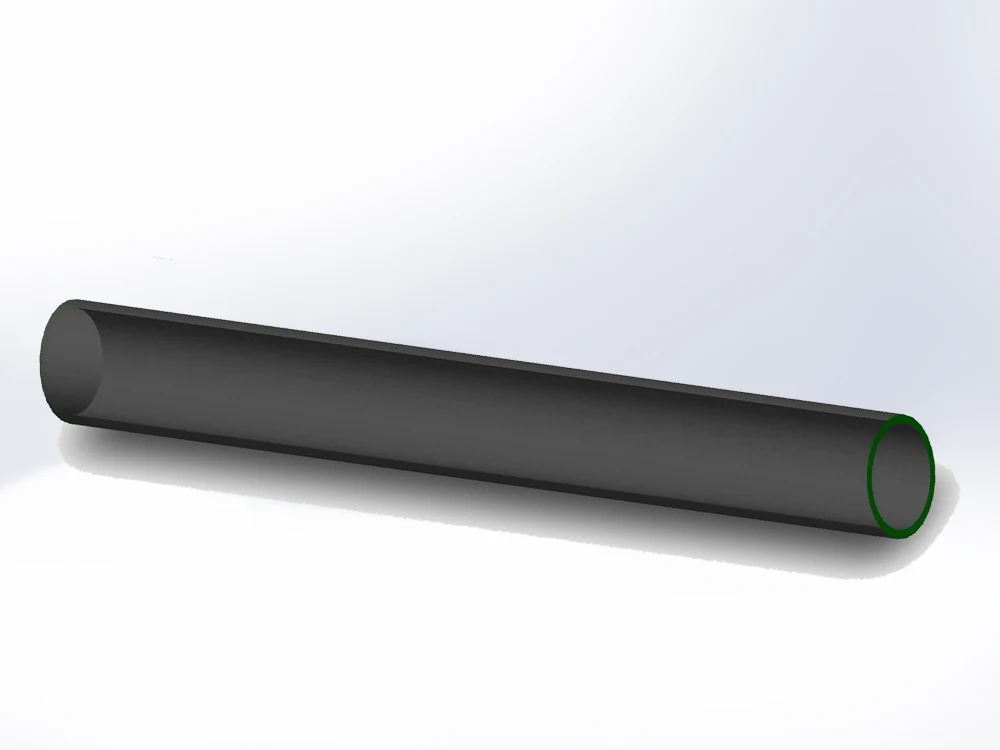
HDPE Pipe without Flange
Plain-ended HDPE dredging pipe for fused runs, OD 200-800mm, 0.6-1.5MPa.
View specifications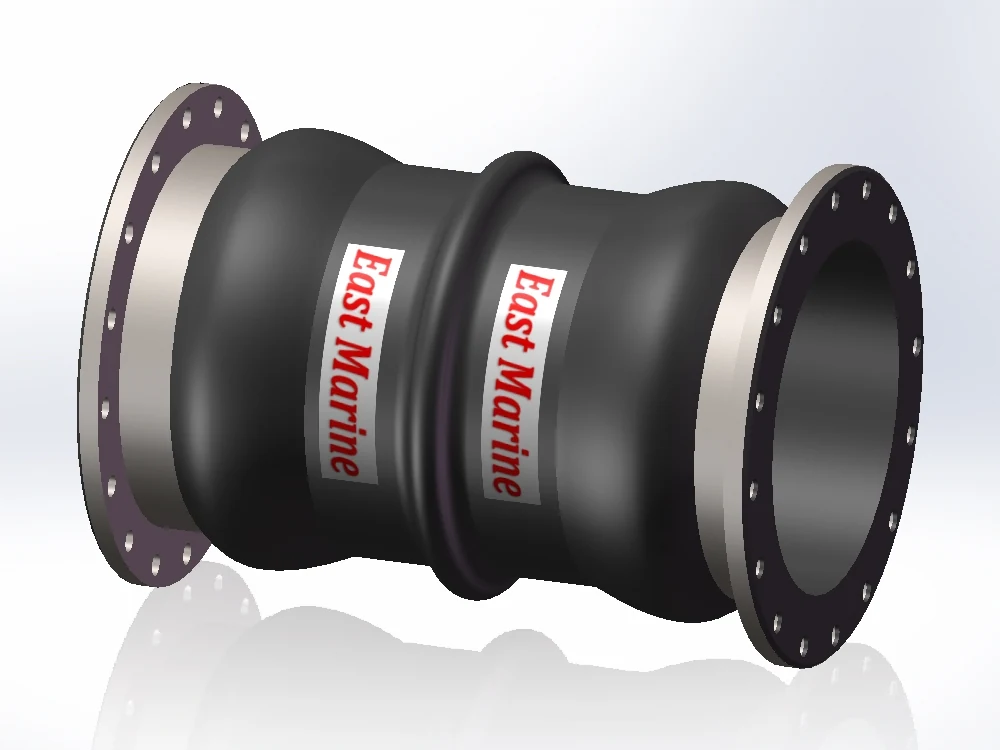
Expansion Joint with Steel Flange
Short flexible joint connecting dredge pump to pipeline, ID 100-1300mm, vacuum to 3MPa.
View specifications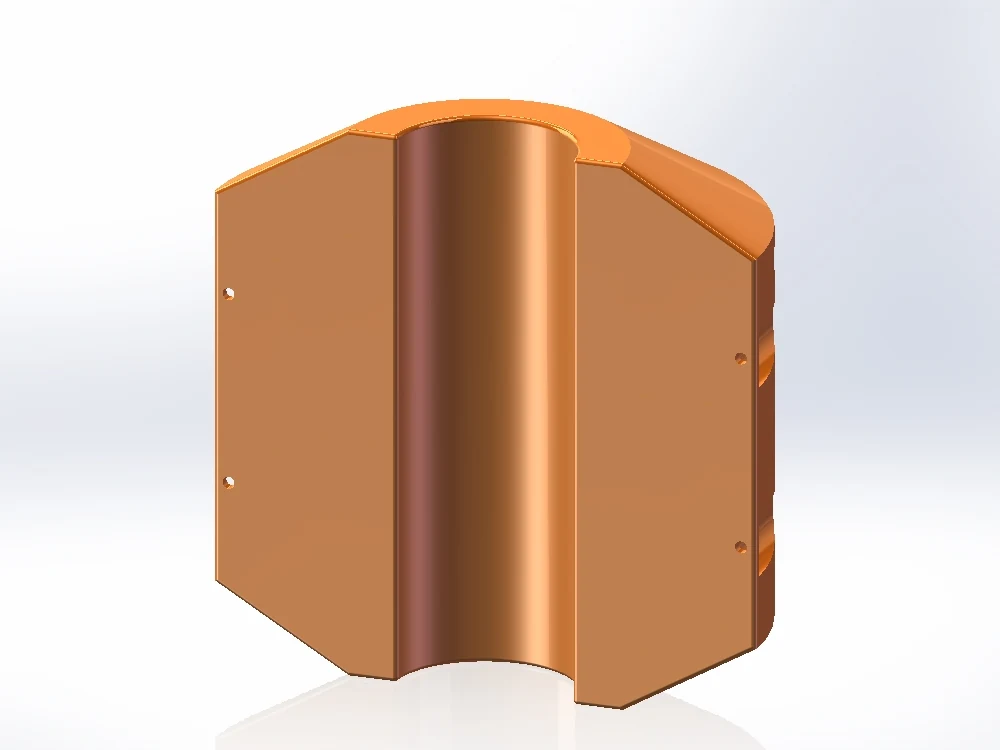
PE Float without Location Slot
PU-filled PE float with plain bore, buoyancy 150-5000kg, ID 110-1200mm, seamless shell.
View specificationsWorking on a project like this?
Send the material, the vessel and the line layout. We will come back with what we would specify and why.