
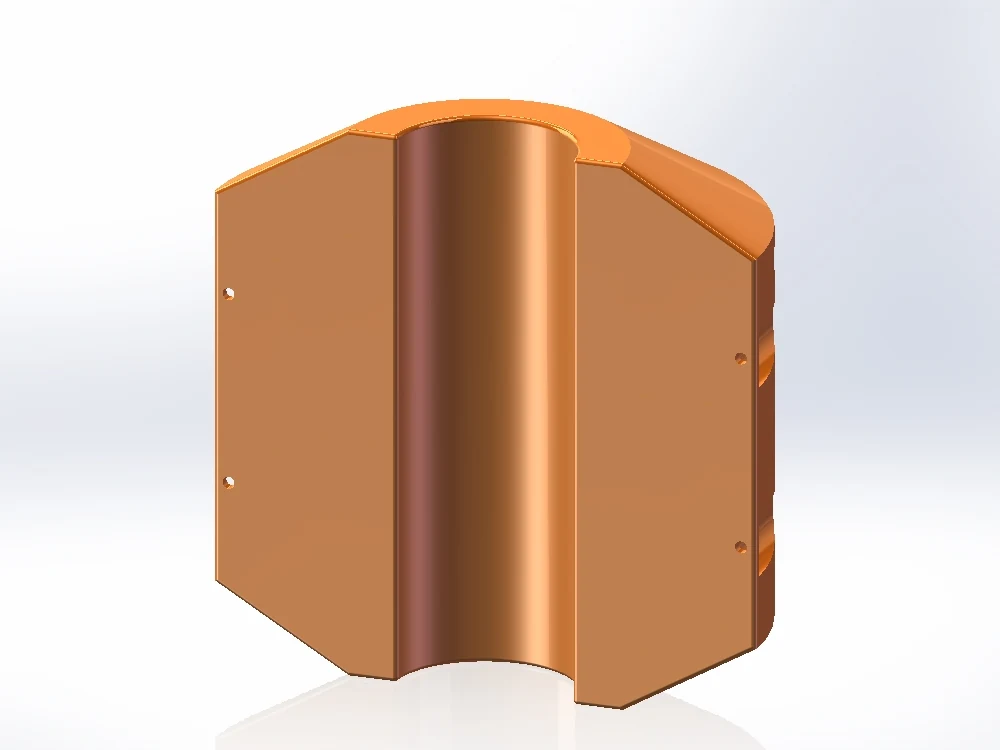
PE Float without Location Slot
PU-filled PE float with plain bore, buoyancy 150-5000kg, ID 110-1200mm, seamless shell.
| Product Name | PE Float without Location Slot |
|---|---|
| Inner Diameter (ID) | 110-1200 mm |
| Outer Diameter (OD) | 500-2300 mm |
| Length | 500-2500 mm |
| Buoyancy | 150-5000 kg |
| Shell Material | Polyethylene |
| Core Material | High-density closed-cell polyurethane foam |
| Application | Buoyancy for HDPE or steel pipe in offshore dredging pipelines |
| Origin | China |
Specifications are supplied per order within the ranges shown. Send the flange drawing or the details of the section being replaced and the connection is machined to match.
Overview
The plain-bore PE float is the straightforward buoyancy unit for marine engineering and dredging pipelines. Polyethylene shell, high-density closed-cell polyurethane foam core, clamped around the pipe with bolts. Without the location slot it fits a wider range of pipe profiles and is quicker to install, and it carries the same impact resistance and buoyancy characteristics as the slotted version.
Who it is for
Dredging and marine contractors adding buoyancy to HDPE or steel pipe where positive location on the pipe is not required.
Key benefits
- Outstanding resistance to seawater, chemicals and oil, and does not rust
- Service life significantly longer than a steel float
- Does not permanently deform or crack under collision or compression, including in ice zones
- Seamless weld-free shell eliminates the leakage path a welded float has
- High-density polyurethane foam fill provides buoyancy from tens of kilograms to several tons
- Low maintenance cost, easy installation and light weight reduce transport and installation cost
What goes wrong without it
Steel floats rust and flood through a failed weld, and each one has to be maintained and eventually replaced.
Air-filled floats are a single puncture away from useless. Closed-cell foam keeps buoyancy after impact.
Heavy buoyancy units slow installation and need lifting gear. A PE float is light enough to handle with the crew already on site.
Construction and technical features
- Outer shell: polyethylene, seamless and weld-free
- Core: high-density closed-cell polyurethane (PU) foam
- Plain bore suits a range of pipe profiles
- Clamp-type bolt holes for assembly around the pipe
- Buoyancy range from 150 kg to 5000 kg per unit
Quality control
- Appearance inspection: surface free from cracks, bubbles, dents and deformation, with uniform colour and no visible impurities
- Dimensional accuracy: outer diameter, inner diameter, wall thickness and mould seam deviation checked against specification to ensure correct pipe matching
- Structural integrity: position, quantity and strength of clamp-type bolt holes verified, and sealing performance confirmed after assembly
- Physical performance testing including density and buoyancy verification
- Third-party inspection can be arranged on request
Where it is used
- Floating HDPE discharge lines in sheltered water
- Steel pipe floating lines where clamping already fixes position
- Temporary floating runs repositioned frequently between phases
- Replacement of corroded steel floats on an existing line
Customisation
- Inner diameter 110-1200 mm to match the pipe being floated
- Outer diameter 500-2300 mm and length 500-2500 mm set by required buoyancy
- Buoyancy specified from 150 kg to 5000 kg per unit
- Bolt hole pattern set for the clamping arrangement
How it compares
This version is simpler and faster to fit than the slotted float and suits a wider range of pipe profiles. If floats have been migrating along the line under current or wave action, the location slot version is the one that fixes that. Shell material, foam core, size range and buoyancy range are identical.
Selection and use notes
- Size the float bore to the actual pipe outer diameter
- Work out float count from the flooded line weight, allowing margin for the medium
- Check clamp torque after the line has been in service a few days
- Log shell impact damage even though foam fill keeps the float buoyant
Questions buyers ask
What is the buoyancy range?
150 kg to 5000 kg per float, depending on the size selected.
What pipe diameters does it suit?
Inner diameter 110-1200 mm, outer diameter 500-2300 mm, length 500-2500 mm.
Should I choose this or the location slot version?
Choose this one for simpler, faster installation across a range of pipe profiles. Choose the location slot version when the float must not rotate or slide along the pipe.
Is the shell welded?
No. The shell is seamless and weld-free, which removes the leakage path a welded float has.
How does it compare with a steel float?
It resists seawater, chemicals and oil, does not rust, and its service life is significantly longer than a steel float's.
Can it be inspected before shipment?
Yes. Appearance, dimensional, structural and physical performance testing are carried out, and third-party inspection can be arranged.
Related products
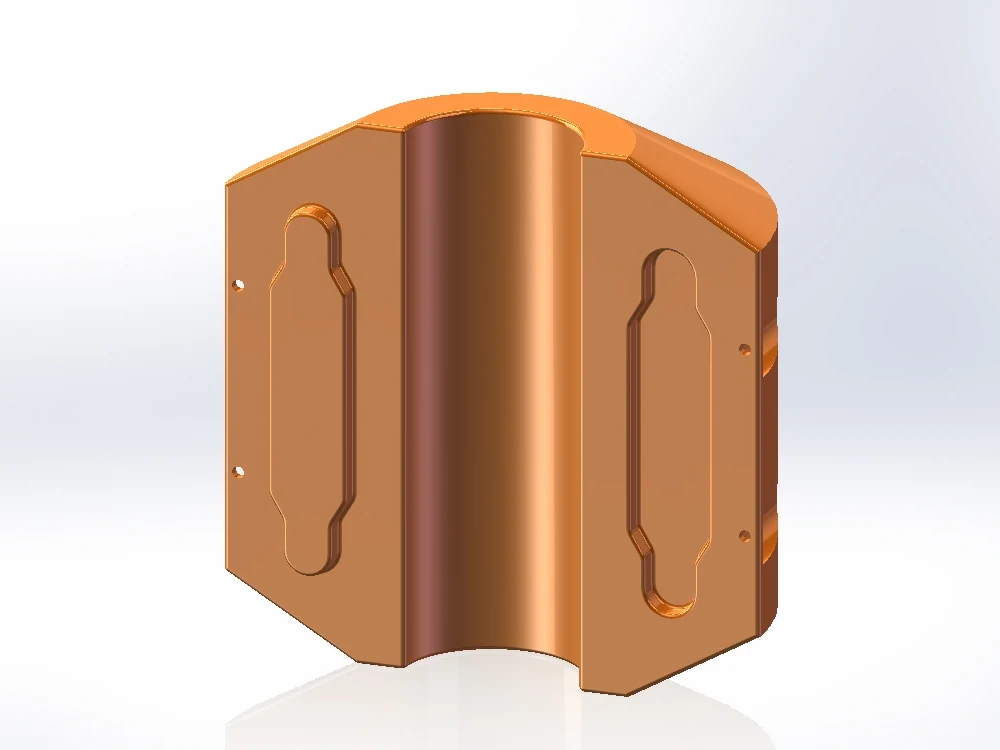
PE Float with Location Slot
PU-filled PE float with a location slot that grips the pipe, buoyancy 150-5000kg, ID 110-1200mm.
View specifications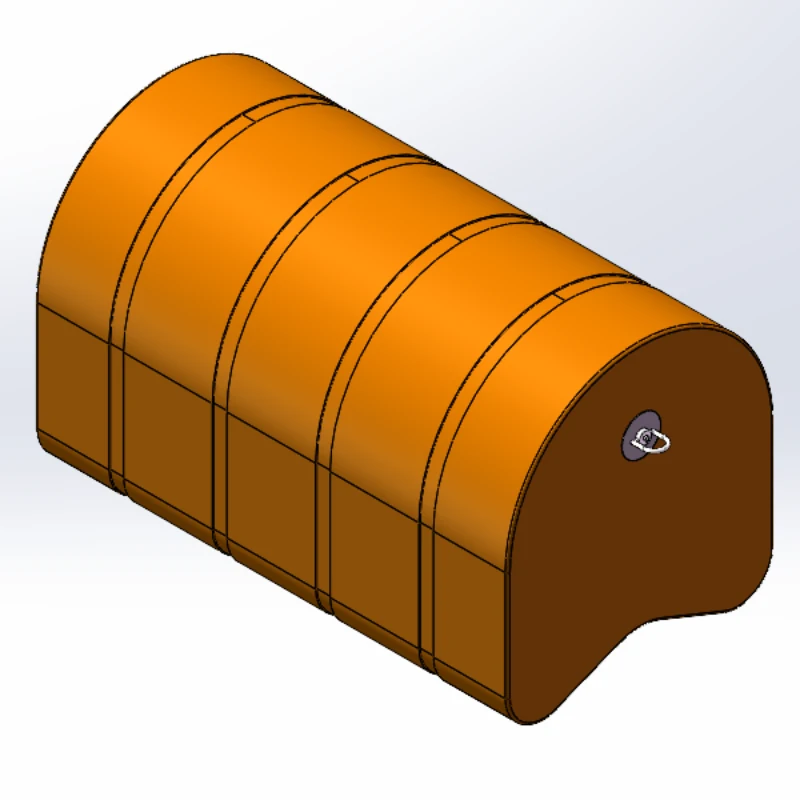
Pipe Laying Float
Pipeline foam buoys for offshore and subsea pipe laying, rated to 3000m seawater depth.
View specifications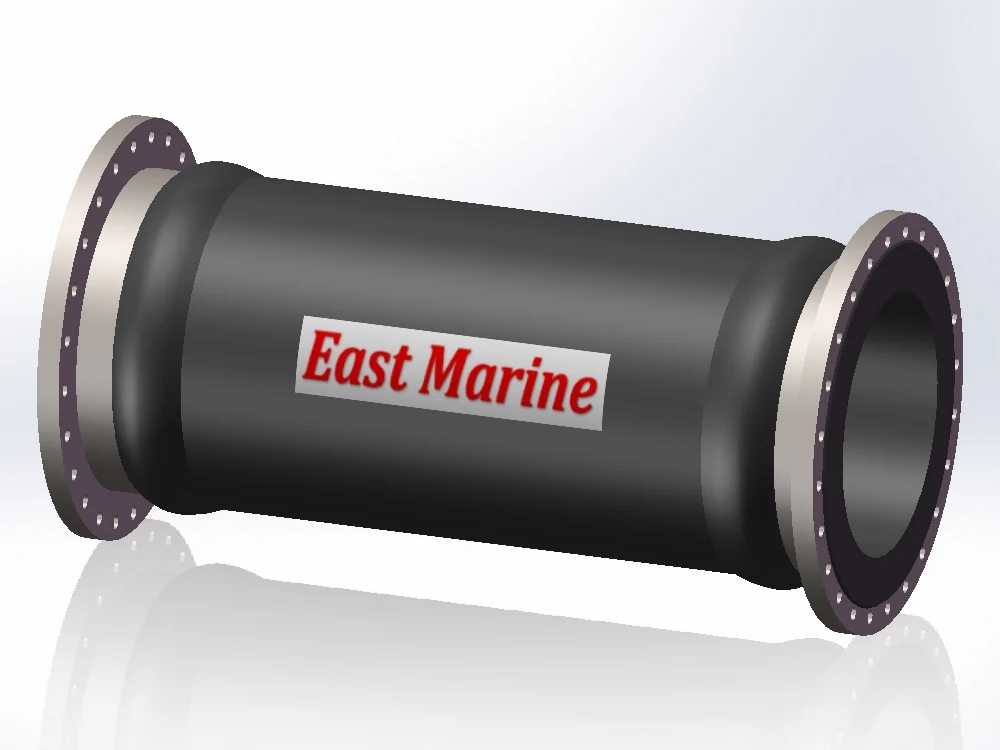
Discharge Rubber Hose with Steel Flange
Steel-flanged discharge hose for floating, onshore and submerged slurry lines, ID 100-1100mm at 0.5-4.2MPa working pressure.
View specificationsNeed this section to bolt into what you already run?
Send the flange drawing, the bore and the working pressure. We will confirm the specification and the lead time.