
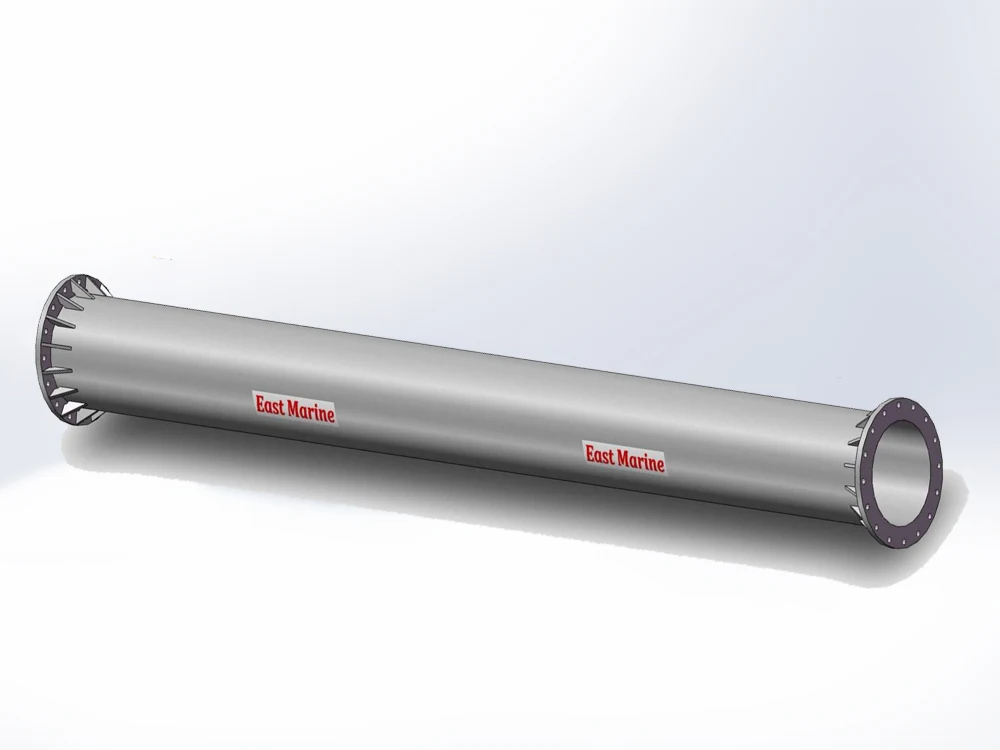
Dredging Steel Pipe
Land, floating and submerged steel pipe for heavy-duty slurry lines, ID 100-1100mm, up to 4.2MPa.
| Product Name | Dredging Steel Pipe |
|---|---|
| Inner Diameter (ID) | 100-1100 mm |
| Length | 500-11800 mm |
| Working Pressure (WP) | 0.5-4.2 MPa |
| Burst Pressure (BP) | 1.5-12.6 MPa |
| Flange Type | Steel flange |
| Types | Land, floating and submerged |
| Application | Offshore dredging pipeline or other dredging project |
| Origin | China |
Specifications are supplied per order within the ranges shown. Send the flange drawing or the details of the section being replaced and the connection is machined to match.
Overview
Steel pipe is what a dredging line uses where the duty is beyond what rubber or HDPE will take: high pressure, heavy wear, and a requirement for the line to hold its shape rather than flex. It connects dredgers, pump stations and discharge areas, carrying slurry mixtures of sand, water and sediment, and is supplied in land, floating and submerged configurations at inner diameters from 100 to 1100 mm.
Who it is for
Dredging contractors and pump station operators specifying the fixed sections of a slurry line where pressure, wear and rigidity govern the choice.
Key benefits
- Excellent pressure resistance and anti-abrasion performance for heavy-duty, high-wear conditions
- High structural rigidity with minimal deformation keeps pipeline stability across the conveying system
- Service life extended by increasing wall thickness or adopting internal wear-resistant linings
- Standard flanges allow flexible connection into existing pipeline systems
- Available in land, floating and submerged configurations from one supplier
What goes wrong without it
Heavy, high-wear duty destroys a flexible line quickly; steel takes the pressure and abrasion that would end a rubber section's service life early.
A line that deforms under load loses conveying efficiency across the whole system. Steel's rigidity keeps the bore stable and the pipeline supported.
Replacing an entire line because the wear is concentrated in one place is expensive; wall thickness and internal wear-resistant linings extend service life where it is needed.
Construction and technical features
- Land steel pipes for onshore slurry transportation, cost-effective and easy to install along discharge lines
- Floating steel pipes used with PE floats for buoyancy in offshore and nearshore operations
- Submerged steel pipes installed underwater, often weighted for stability, connecting floating lines to onshore systems
- Standard flange connection for easy configuration and combination
- Optional internal wear-resistant lining and increased wall thickness
Quality control
- Raw material test on each batch before it enters the warehouse, to ensure quality consistency and durability
- Dimension check on inner and outer diameter, wall thickness and flange alignment against design specification
- Weight check on each section to confirm it falls within the acceptable tolerance range
- Pressure testing to confirm the section safely withstands the specified working pressure
- Third-party inspection can be arranged on request
Where it is used
- Onshore discharge line from the shore connection to a reclamation area
- Floating line sections fitted with PE floats for offshore and nearshore work
- Submerged crossings connecting a floating line to the onshore system
- Port construction and channel dredging with coarse, high-wear spoil
Customisation
- Inner diameter 100-1100 mm, length 500-11800 mm
- Land, floating or submerged configuration
- Increased wall thickness or internal wear-resistant lining for high-wear positions
- Standard flange drilling matched to the existing pipeline system
How it compares
Steel pipe gives the highest pressure and wear capability and the most rigid line, at the cost of weight, corrosion maintenance and handling plant. HDPE pipe removes corrosion treatment and lifting equipment but tops out at 1.5 MPa working pressure and 800 mm outside diameter. Rubber hose is what goes where the line has to flex; steel is what goes where it must not.
Selection and use notes
- Decide the configuration first, land, floating or submerged, since it drives weighting and float requirements
- Specify wall thickness or internal lining for the positions where wear is concentrated, not uniformly along the line
- Match flange drilling to the adjoining rubber hose or HDPE sections
- Use PE floats sized from the flooded weight when the section runs as a floating line
Questions buyers ask
What types of dredging steel pipe do you supply?
Land steel pipes for onshore slurry transport, floating steel pipes used with PE floats, and submerged steel pipes installed underwater, often with added weight for stability.
What are the size and pressure ranges?
Inner diameter 100-1100 mm, length 500-11800 mm, working pressure 0.5-4.2 MPa and burst pressure 1.5-12.6 MPa.
How can service life be extended?
By increasing wall thickness or adopting internal wear-resistant linings, which reduces overall maintenance and replacement cost.
Will it connect to our existing pipeline?
It connects to various pipeline systems through standard flanges, so it can be configured and combined for different operating conditions.
How do I float a steel line?
Floating steel pipes are used together with PE floats to provide buoyancy. Size the floats from the flooded weight of the line.
What inspection is carried out?
Raw material testing, dimension checks, weight checks and pressure testing through production, with third-party inspection available on request.
Related products
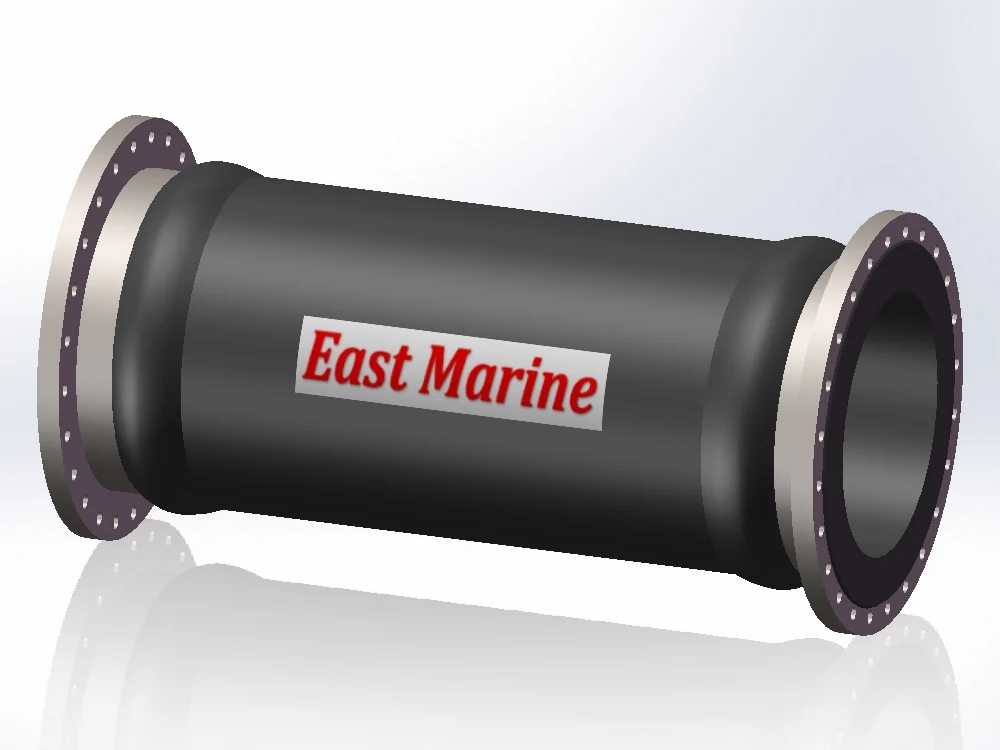
Discharge Rubber Hose with Steel Flange
Steel-flanged discharge hose for floating, onshore and submerged slurry lines, ID 100-1100mm at 0.5-4.2MPa working pressure.
View specifications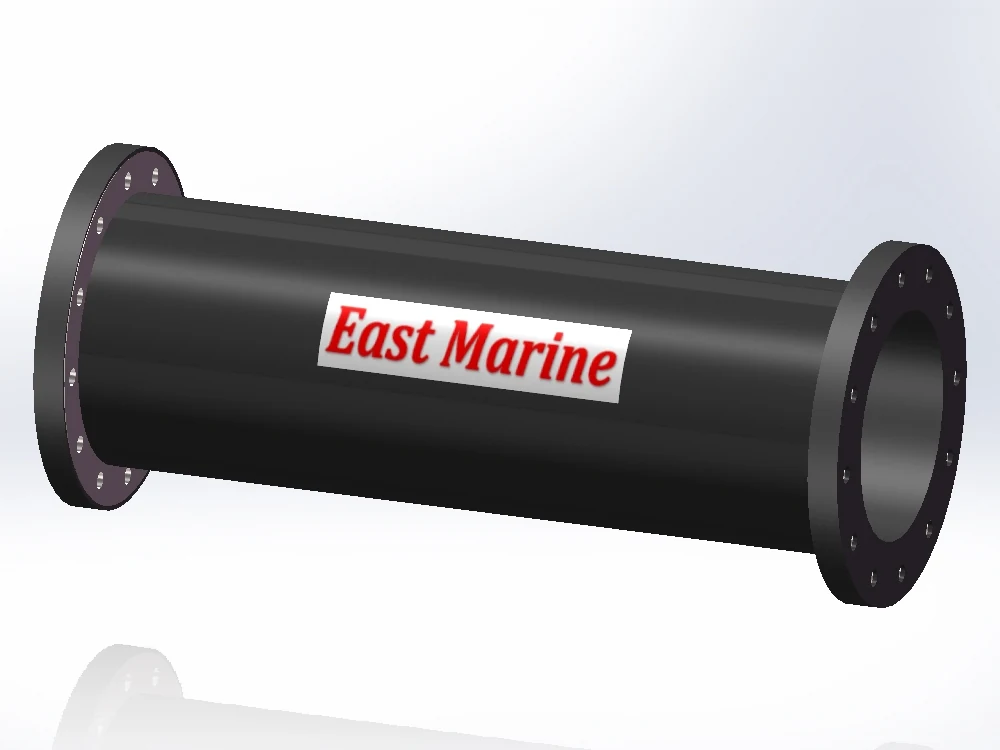
Discharge Rubber Hose with Sandwich Flange
Sandwich-flanged discharge hose with rubber-lined sealing face, ID 100-1100mm at 0.5-4.2MPa working pressure.
View specifications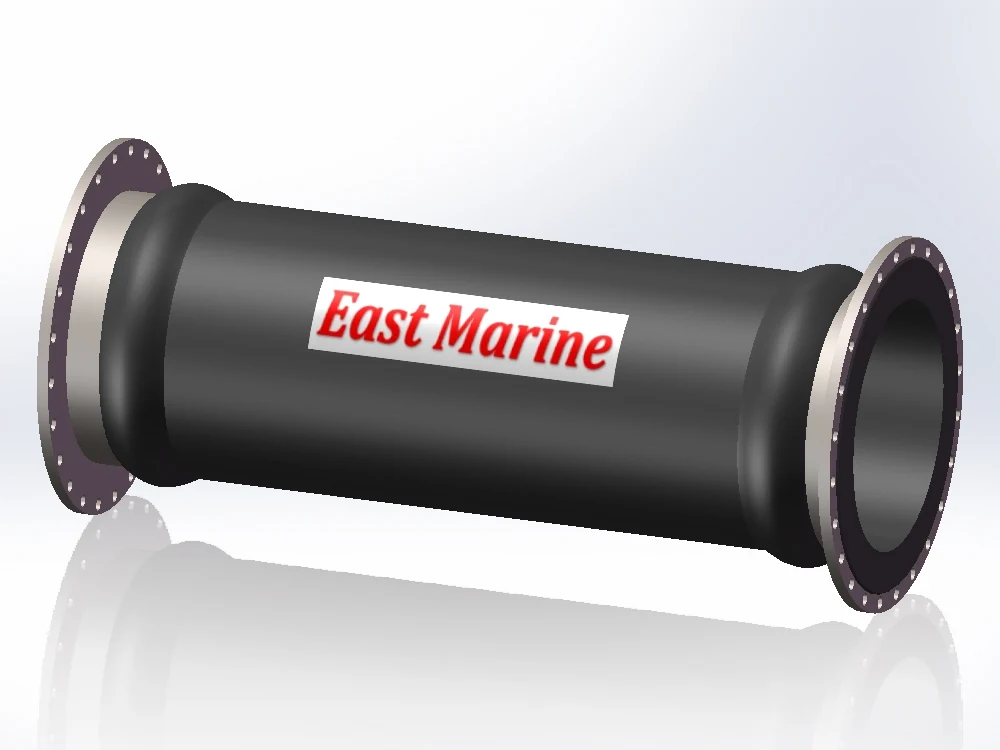
Armored Discharge Rubber Hose with Steel Flange
Steel-ring armored discharge hose for coral reef and weathered rock, HB>=450 wear rings, ID 100-1100mm.
View specificationsNeed this section to bolt into what you already run?
Send the flange drawing, the bore and the working pressure. We will confirm the specification and the lead time.