
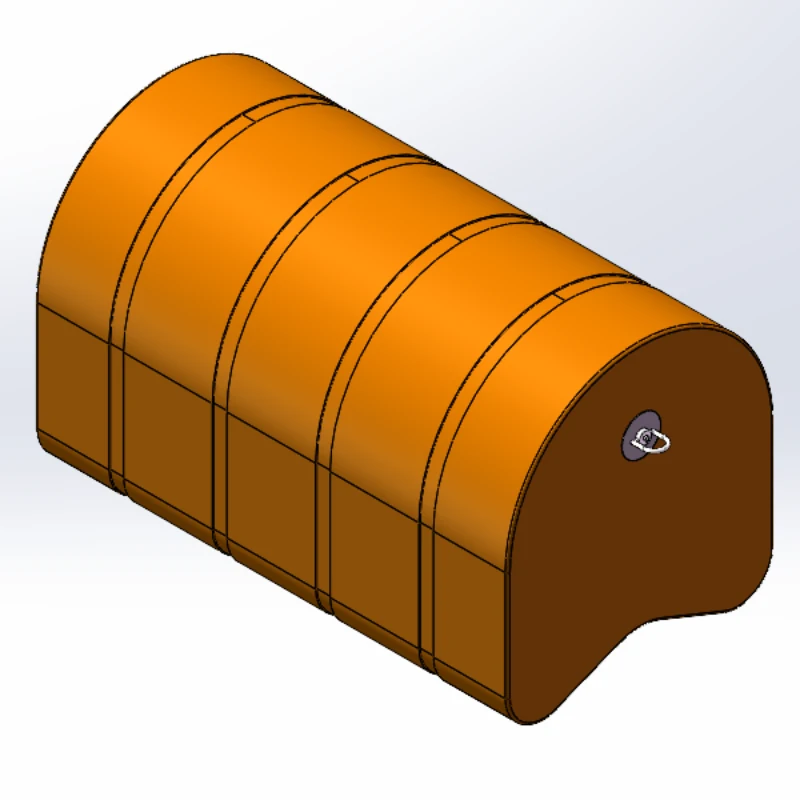
Offshore Pipeline Installation
Controlling pipeline weight and tension during lay-down, in shallow water and down to 3000 m.
What this work asks of a pipeline
During installation a pipeline is at its most vulnerable, and the controlling variables are weight and tension rather than throughput. Buoyancy modules take both down to something the installation spread can handle, and keep the line off the seabed while it is being positioned.
What tends to go wrong
An unsupported line sinks uncontrolled during lay-down, risking the pipeline and the crew handling it.
Point loading during installation concentrates stress and can damage a line before it carries anything.
A pipeline dragged across the seabed damages its own coating and disturbs the benthic environment.
What we specify instead
- Pipe laying floats with closed-cell foam cores, density selected for the required buoyancy and operating depth.
- One-piece or modular configuration depending on whether floats must be fitted or removed at sea.
- Integrated banding grooves and custom end fittings for handling, installation and recovery.
Products used in this work
Pipe Laying Float
Pipeline foam buoys for offshore and subsea pipe laying, rated to 3000m seawater depth.
View specifications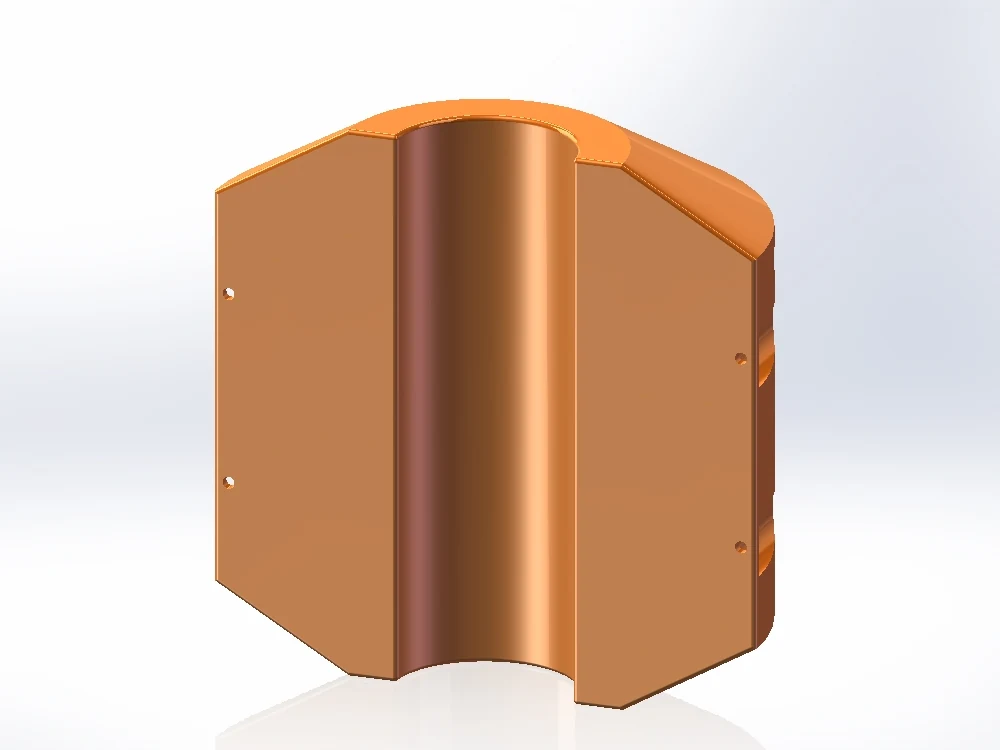
PE Float without Location Slot
PU-filled PE float with plain bore, buoyancy 150-5000kg, ID 110-1200mm, seamless shell.
View specifications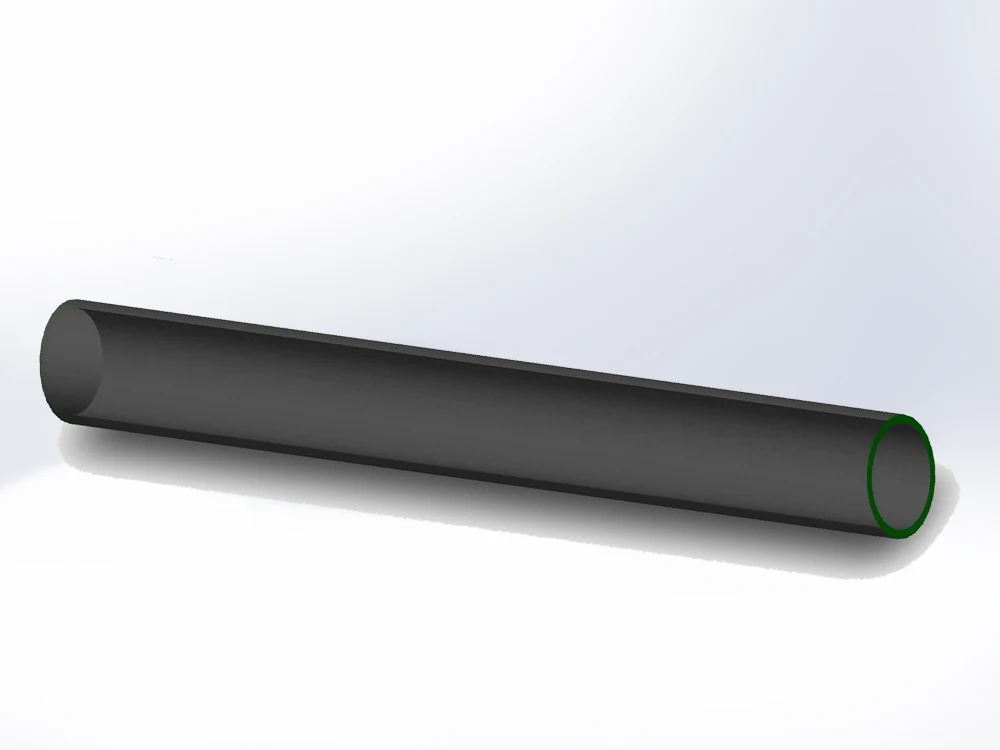
HDPE Pipe without Flange
Plain-ended HDPE dredging pipe for fused runs, OD 200-800mm, 0.6-1.5MPa.
View specificationsWorking on a project like this?
Send the material, the vessel and the line layout. We will come back with what we would specify and why.