
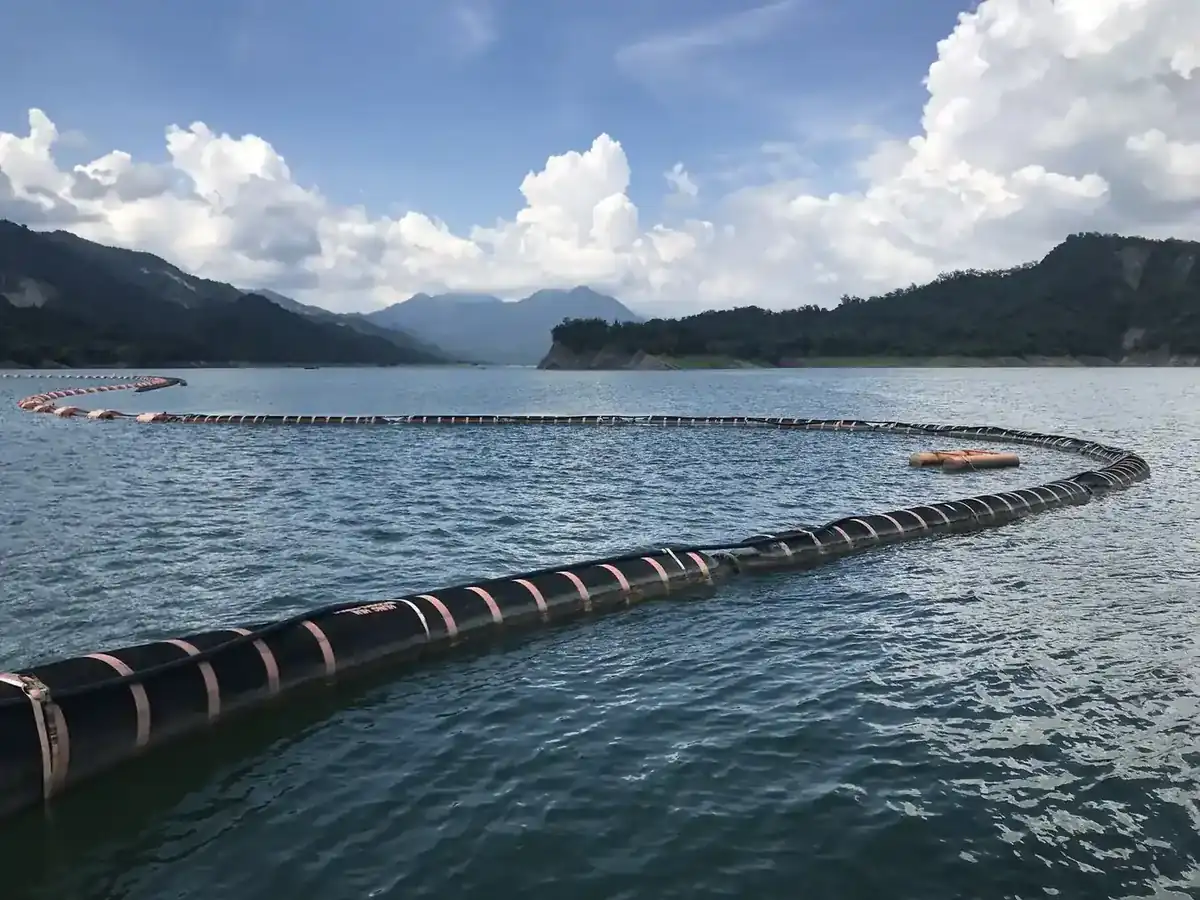
Capital and Maintenance Dredging
Keeping channels at depth, where the line runs continuously and section rotation drives the maintenance plan.
What this work asks of a pipeline
Maintenance dredging is a throughput problem. The dredger is capable; the line is what stops. Continuous hours on a delivery line concentrate wear in predictable positions, and the practical question is how long a section lasts before it has to be rotated out, not how it performs on day one.
What tends to go wrong
Wear concentrates in the first sections behind the pump, so the line ages unevenly and gets replaced piecemeal.
Unplanned section failures cost more in lost production than the section itself is worth.
Lines that sink when empty have to be re-floated at every start-up.
What we specify instead
- Discharge hose with an integrated wear warning layer, so a section is rotated on evidence rather than after a burst.
- Floating rubber hose with a buoyant interlayer for the overwater run, so the line stays up empty or loaded.
- Flange drilling matched to the sections already in service, so a replacement bolts in without adapters.
Products used in this work
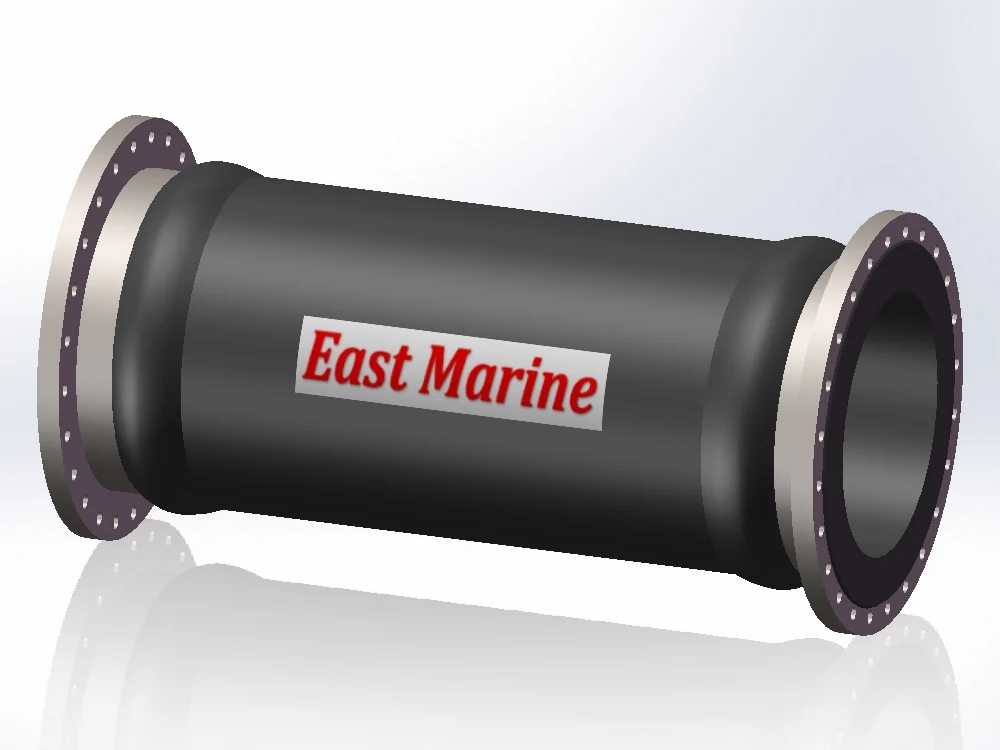
Discharge Rubber Hose with Steel Flange
Steel-flanged discharge hose for floating, onshore and submerged slurry lines, ID 100-1100mm at 0.5-4.2MPa working pressure.
View specifications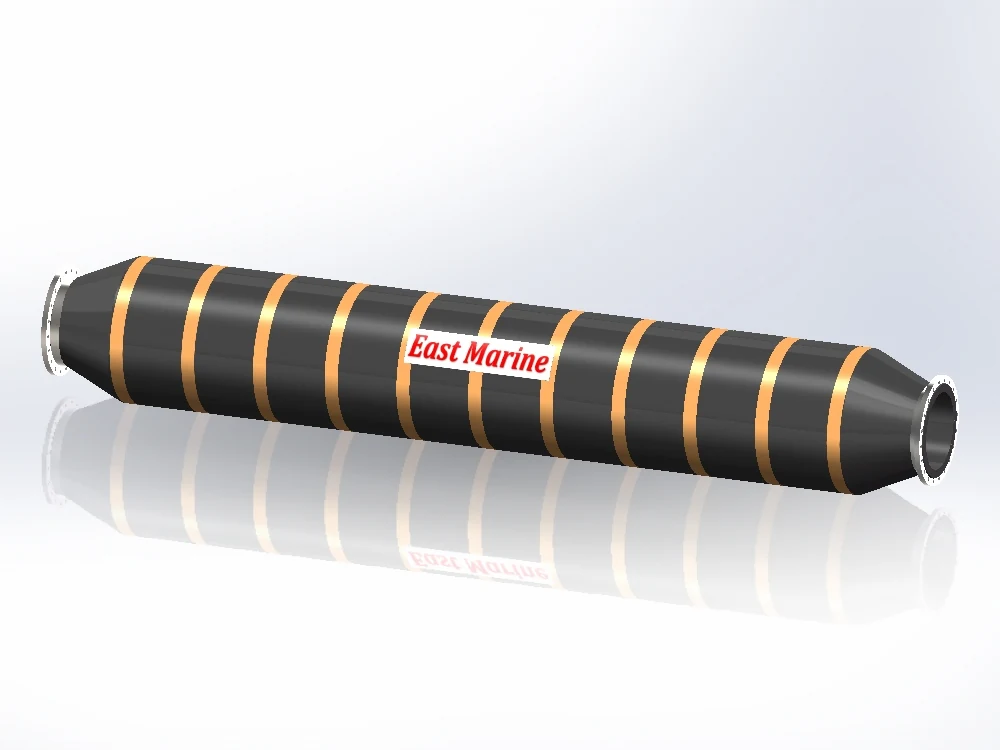
Floating Rubber Hose
Self-floating discharge hose with a buoyant interlayer, floats empty or working. ID 200-1100mm, 0.5-4.2MPa.
View specifications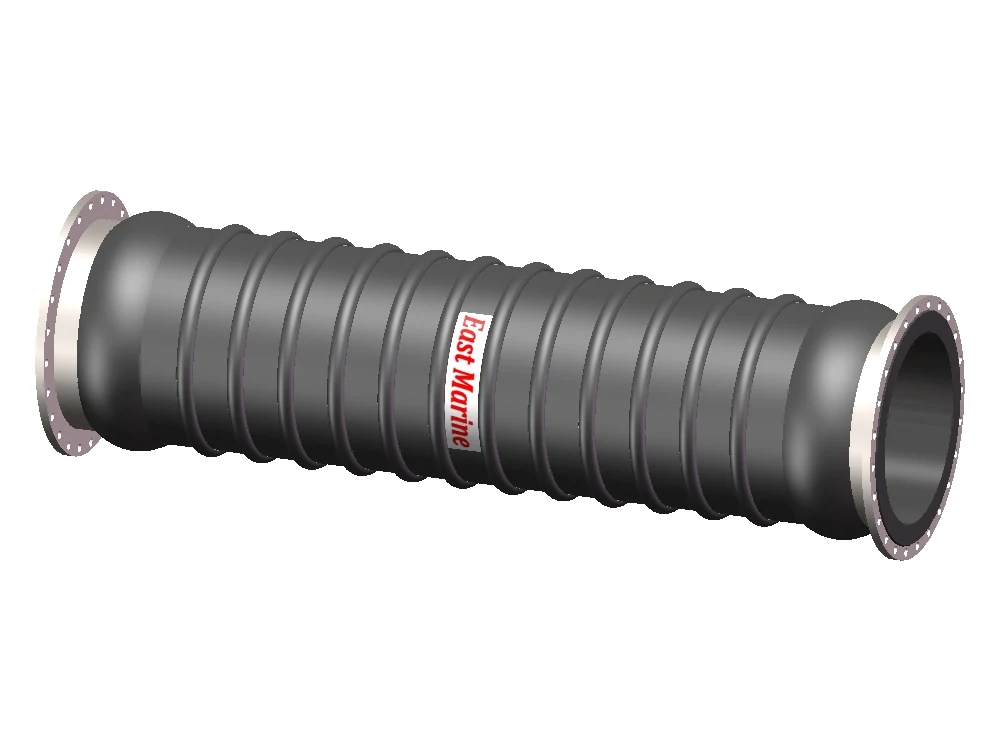
Suction Rubber Hose with Steel Flange
Vacuum-rated suction hose for TSHD drag arms and CSD cutter ladders, -0.1 to 1.0MPa, ID 100-1100mm.
View specifications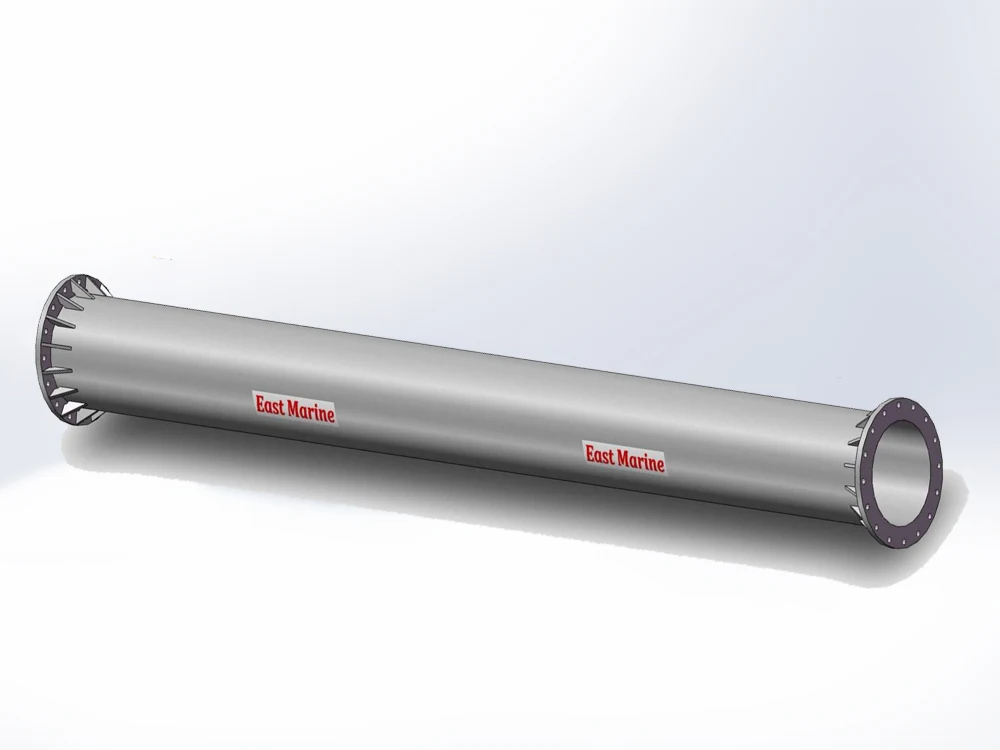
Dredging Steel Pipe
Land, floating and submerged steel pipe for heavy-duty slurry lines, ID 100-1100mm, up to 4.2MPa.
View specificationsWorking on a project like this?
Send the material, the vessel and the line layout. We will come back with what we would specify and why.