
Manufacturing
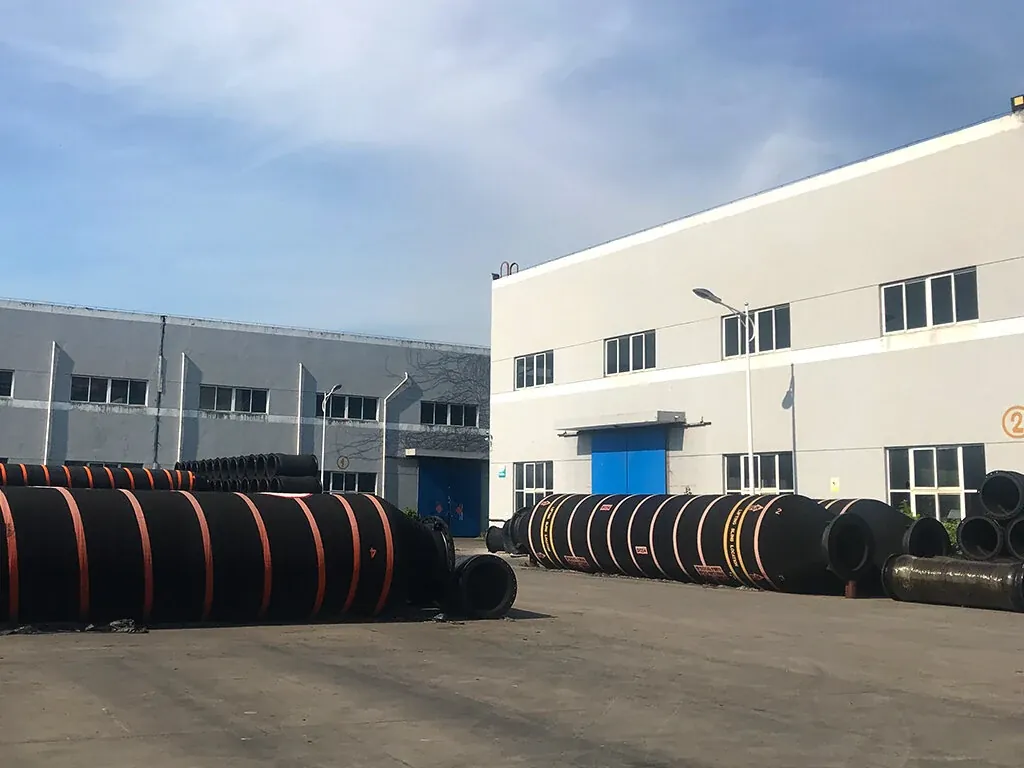
The hoses are made at the parent factory, Jiangsu Huashen Special Rubber Products, on eight floating hose lines and ten rubber sleeve lines.
Capacity and control
The hoses are made at Jiangsu Huashen Special Rubber Products, the parent company, on a site of 0.68 million square metres with over 150 staff. Eight production lines are dedicated to floating hoses and ten to rubber sleeves, producing 3 to 4 floating hoses and 10 rubber sleeves a day.
Compound mixing, analysis and ageing testing are done in-house, which is what keeps the same specification producing the same hose from one batch to the next.
| Founded | 2007 |
|---|---|
| Employees | Over 150 |
| Factory area | 0.68 million square metres |
| Floating hose production lines | 8 |
| Rubber sleeve production lines | 10 |
| Daily output | 3-4 floating hoses and 10 rubber sleeves |
How a hose is made and tested
Compound mixing
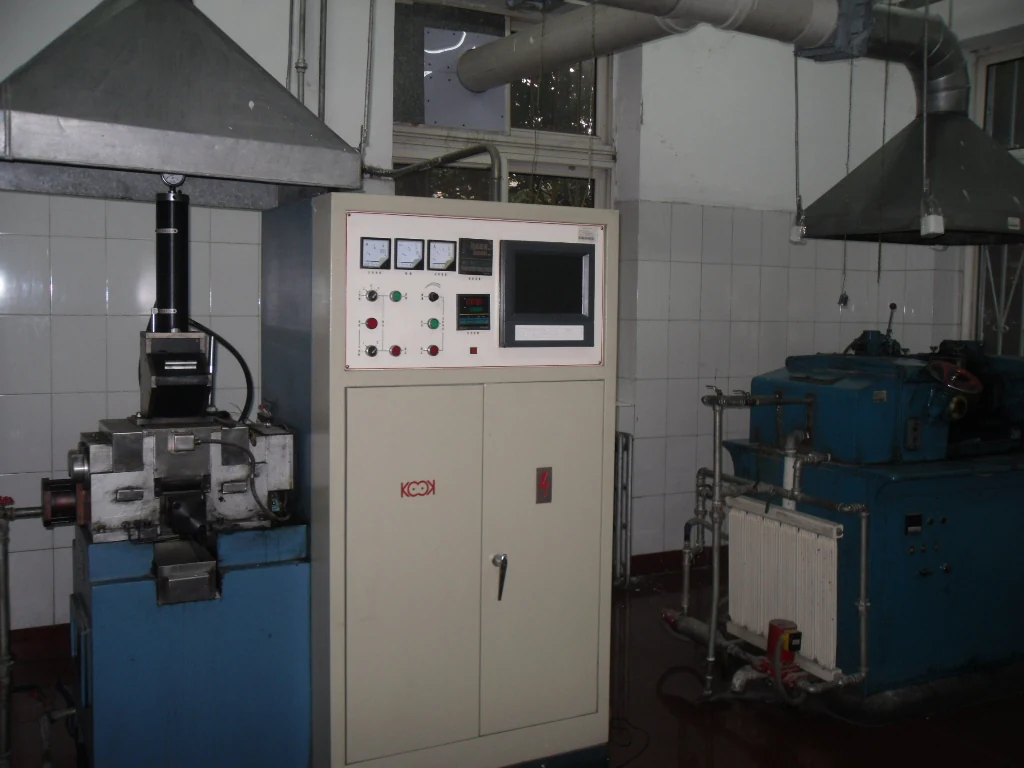
Rubber compounds are mixed in-house on an internal mixer. Every batch of natural rubber, tensile textile and rubber additives is inspected before it enters the warehouse, so compound consistency is controlled at the input rather than corrected later.
Compound analysis
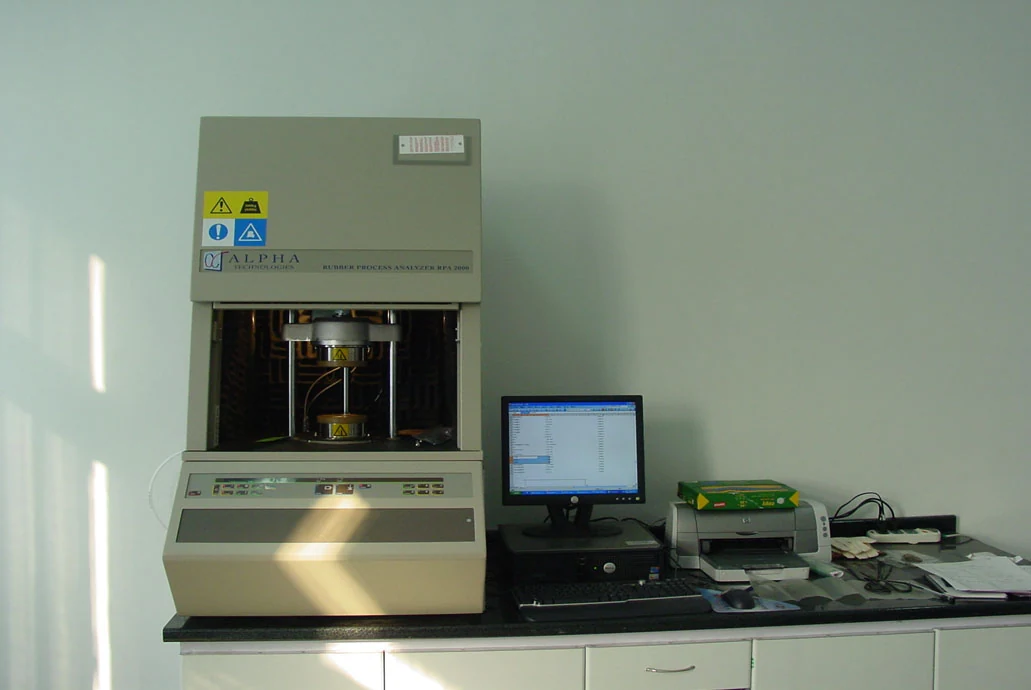
A rubber processing analyser and a capillary rheometer characterise how each compound behaves during processing and cure, which is what keeps the same specification producing the same hose across batches.
Thermal testing
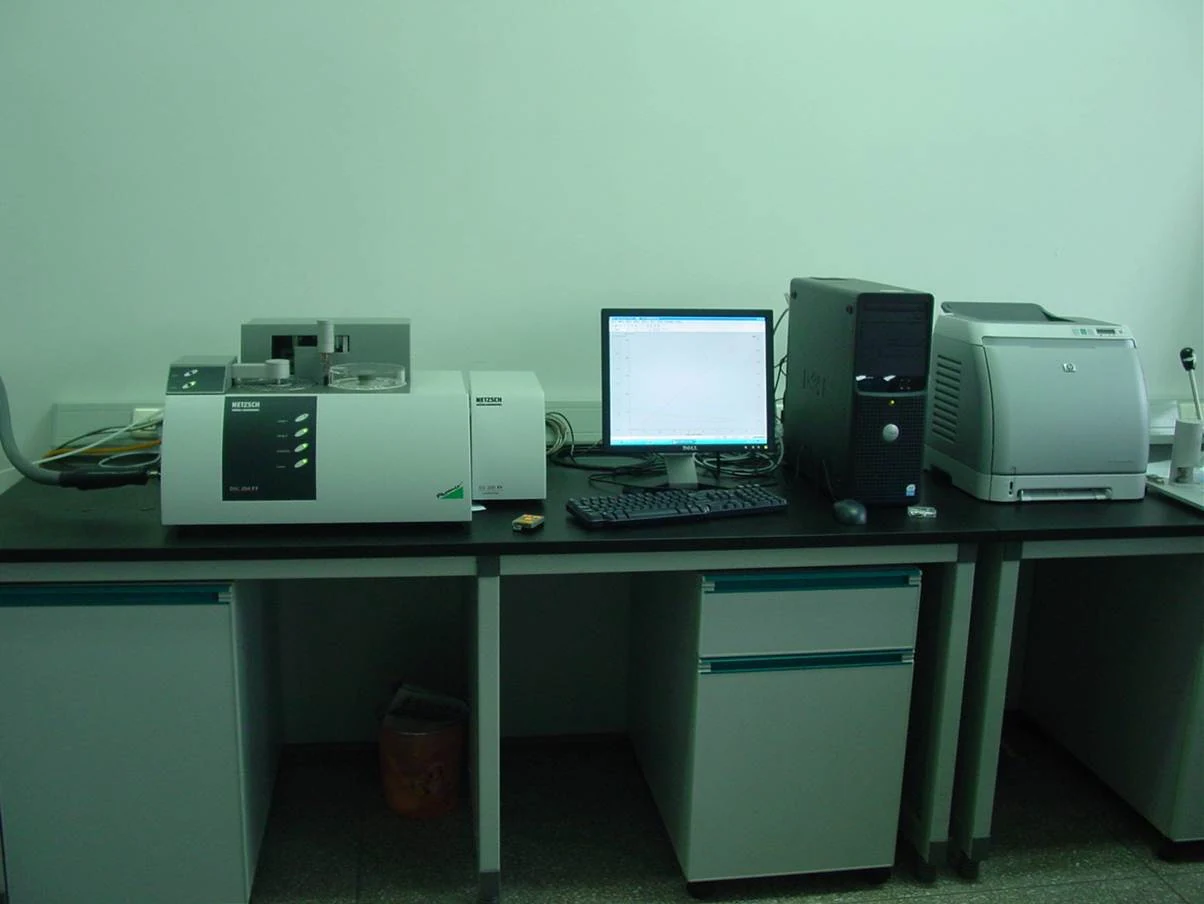
Differential scanning calorimetry is used to examine the thermal behaviour of the compounds, supporting cure and formulation decisions.
Flow characterisation
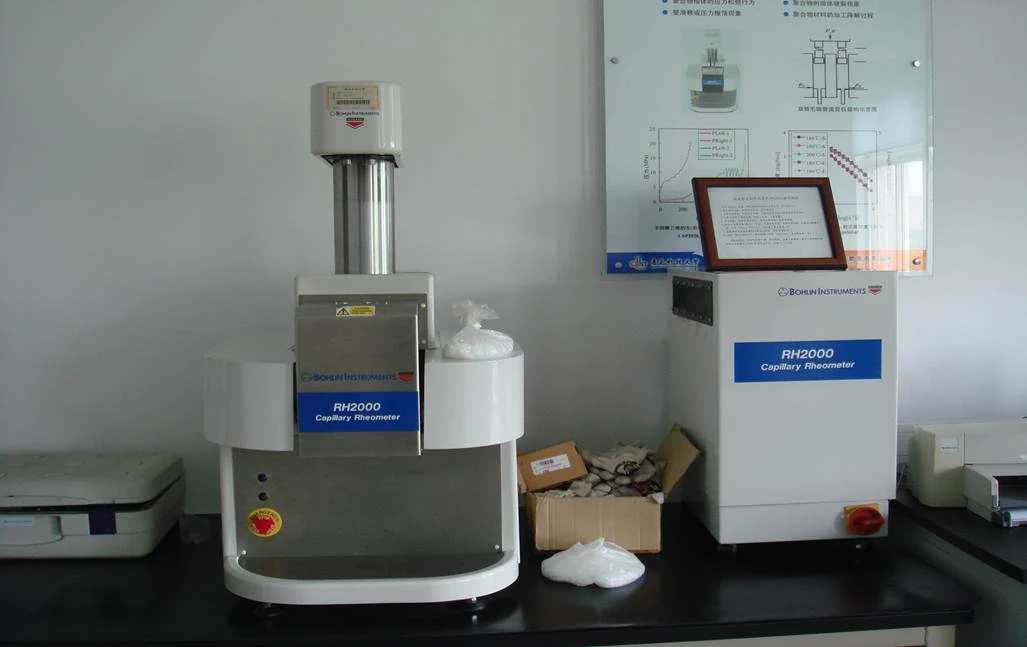
The capillary rheometer measures flow behaviour under processing conditions, which governs how consistently a thick-walled hose wall builds up.
Ageing tests
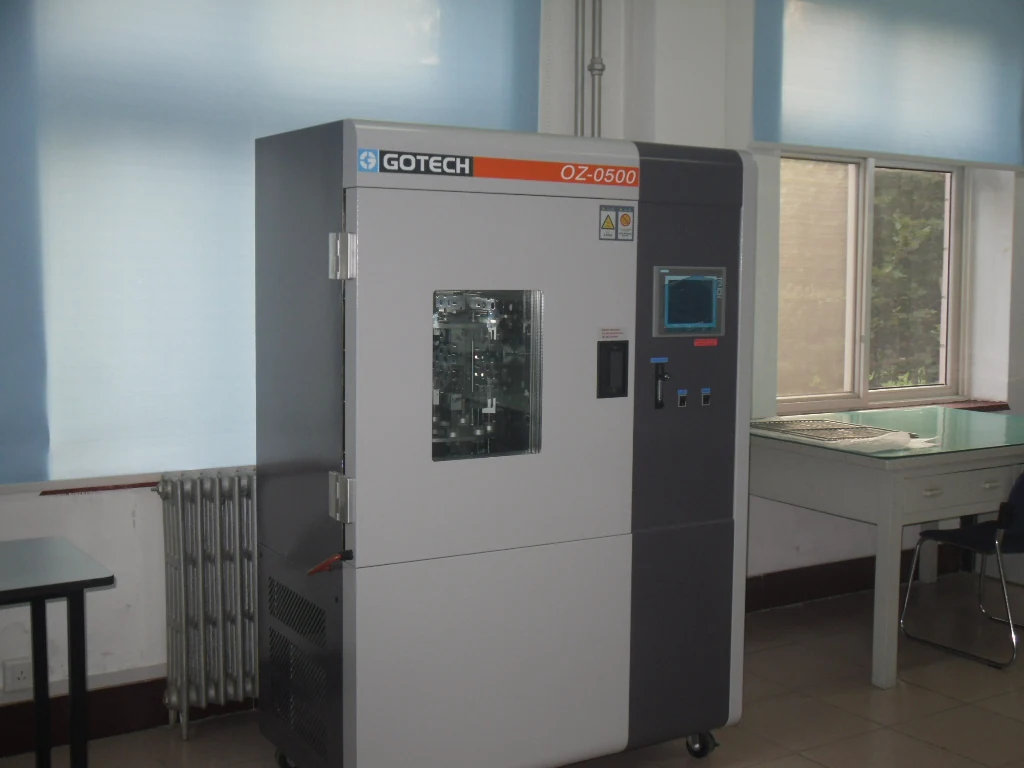
An ozone ageing test chamber is used to assess how compounds stand up to environmental exposure, relevant to a hose that spends its life on the water surface.
Loading and despatch
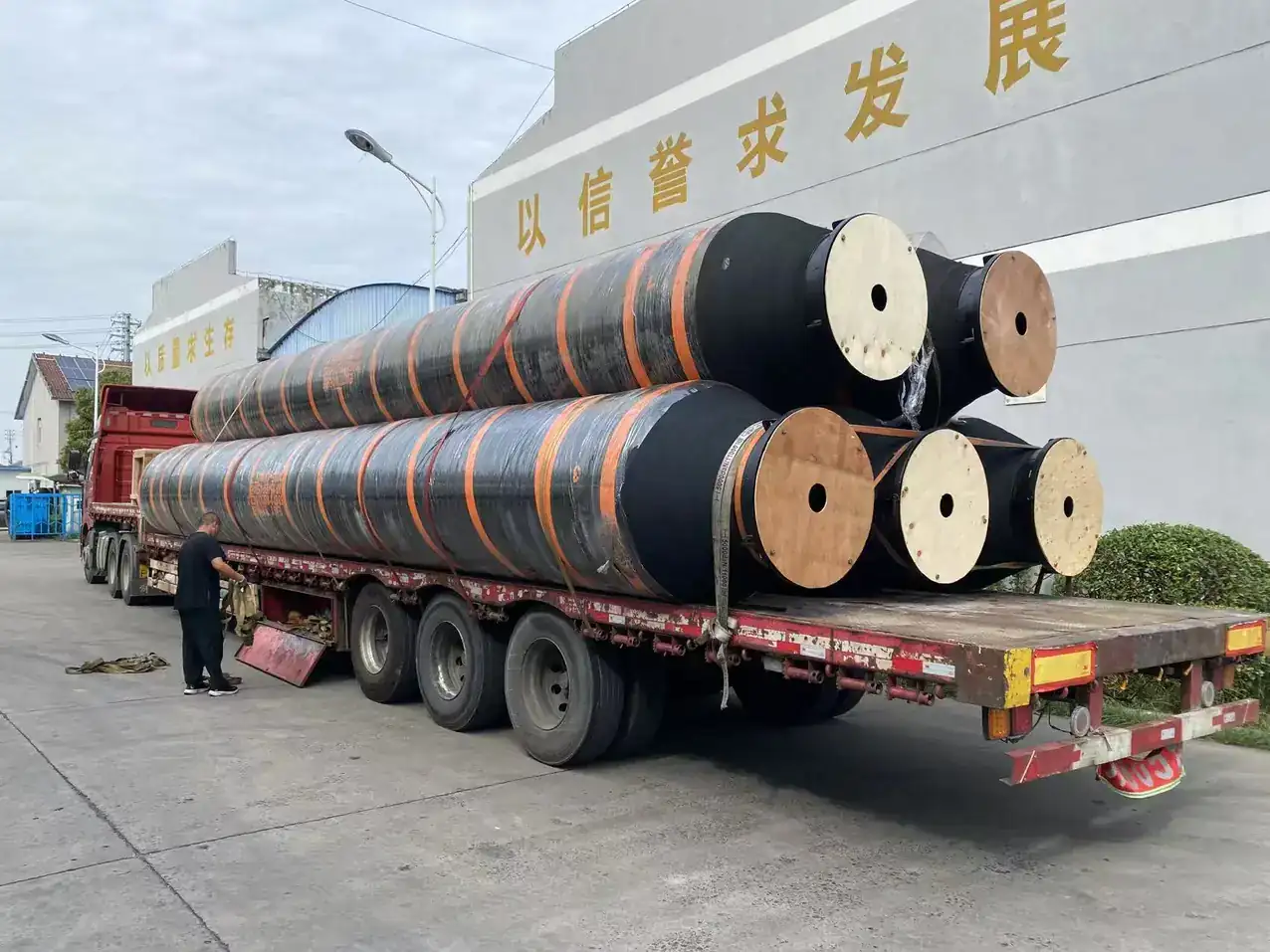
Finished hoses are crated with protected flange faces and loaded for road transport to port. Flange faces and bore ends are covered so the sealing surfaces arrive in the condition they left in.
What every hose goes through
A series of strict inspections and tests is carried out throughout the production process.
Raw material test
Each batch of raw materials, including natural rubber, tensile textile and rubber additives, is inspected before entering the warehouse to ensure quality consistency and durability.
Hose dimension check
Inner and outer diameters, wall thickness and flange alignment are measured to confirm they meet design specifications.
Weight check
Each hose is weighed to verify it falls within the acceptable tolerance range, ensuring uniform product quality.
Pressure test
Hydrostatic or vacuum pressure testing is carried out where specified, to confirm the hose safely withstands its specified working pressure.
Third-party inspection
An independent inspection agency can be invited to inspect according to customer requirements.
Want an inspection witnessed?
A third-party inspection agency can be invited to inspect according to your requirements. Tell us the standard you need it against.