
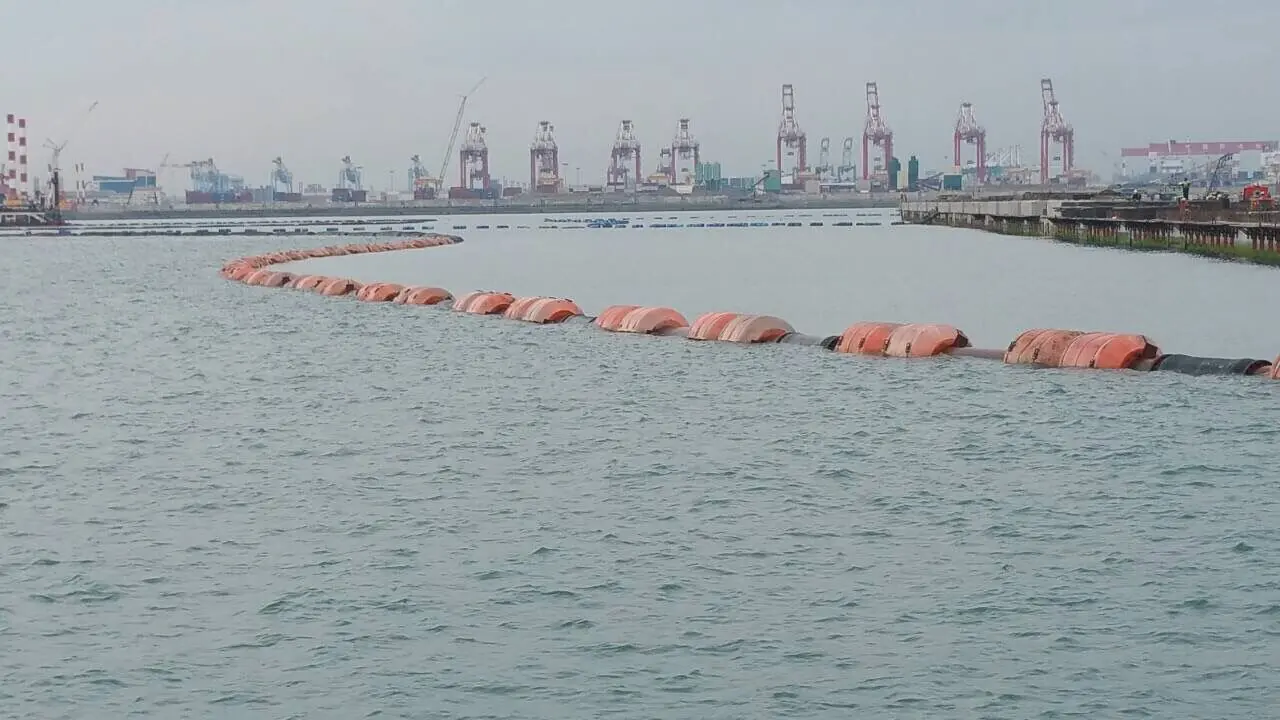
Floating Discharge Line
Getting the delivery line across open water, by buoyant hose or by floated pipe.
How the system fits together
There are two ways to run a delivery line across water and they lead to different maintenance regimes. A floating rubber hose carries the buoyancy inside its own wall. Alternatively HDPE or steel pipe is floated on PE floats, which is cheaper per metre but adds hardware that has to be fitted, checked and kept in position.
What goes where
Self-floating option
Floating rubber hose with a buoyant interlayer, ID 200-1100 mm in 5800 or 11800 mm sections, floating empty or working with no external hardware.
Floated pipe option
HDPE or steel pipe carried on PE floats, buoyancy 150-5000 kg per unit, sized from the flooded weight of the line.
Keeping floats in position
Location slot floats where current or wave action has been moving buoyancy along the pipe and leaving spans unsupported.
Abrasive service
Armored floating hose where the material is wearing the lining faster than the buoyant structure is ageing.
Products in this system
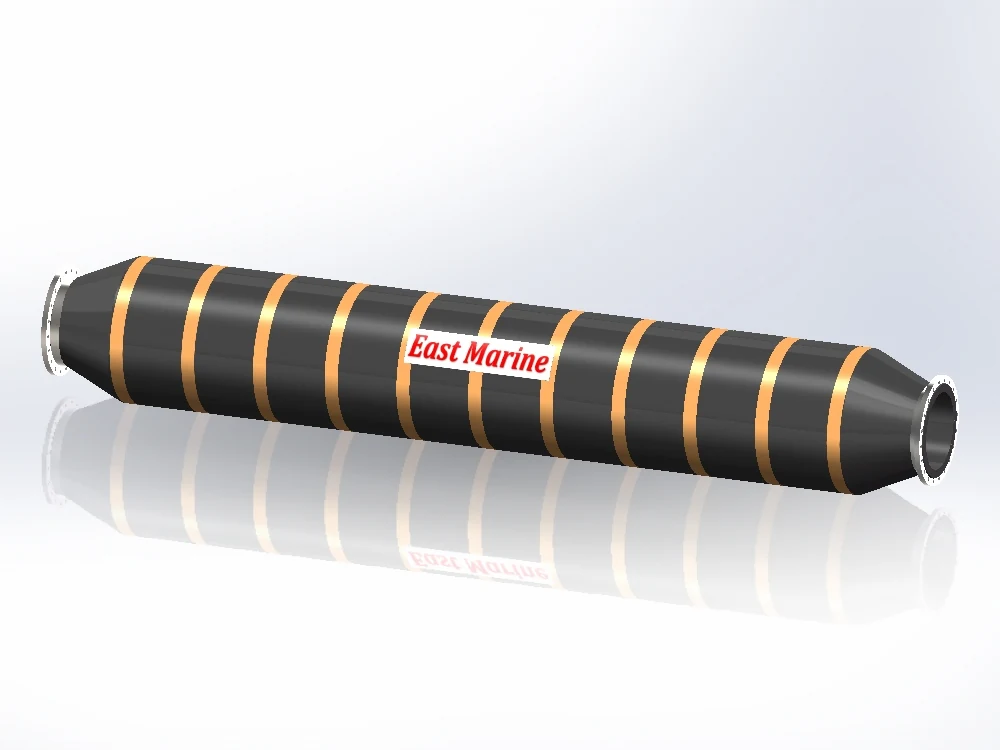
Floating Rubber Hose
Self-floating discharge hose with a buoyant interlayer, floats empty or working. ID 200-1100mm, 0.5-4.2MPa.
View specifications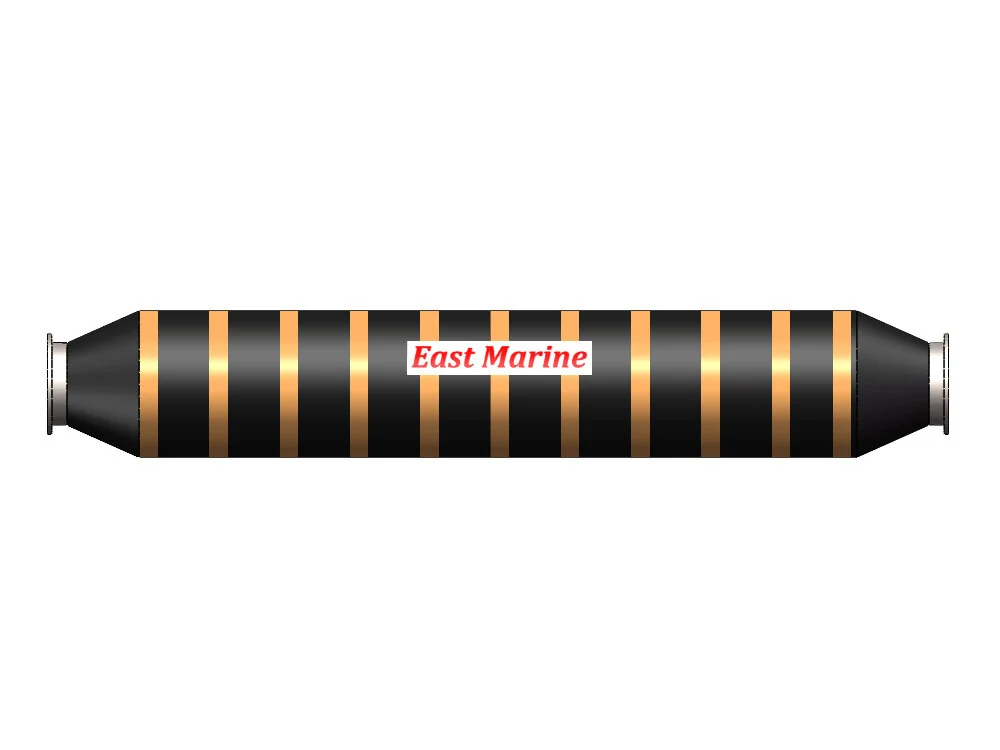
Armored Floating Rubber Hose
Self-floating discharge hose with armored lining for abrasive media. ID 200-1100mm, 0.5-4.2MPa.
View specifications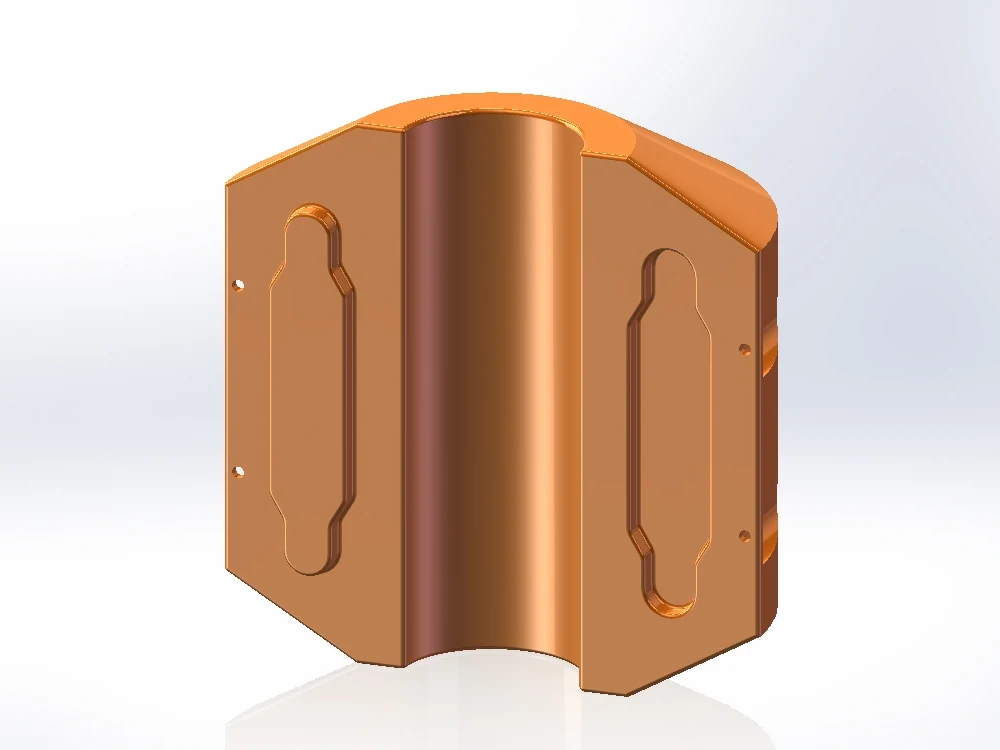
PE Float with Location Slot
PU-filled PE float with a location slot that grips the pipe, buoyancy 150-5000kg, ID 110-1200mm.
View specifications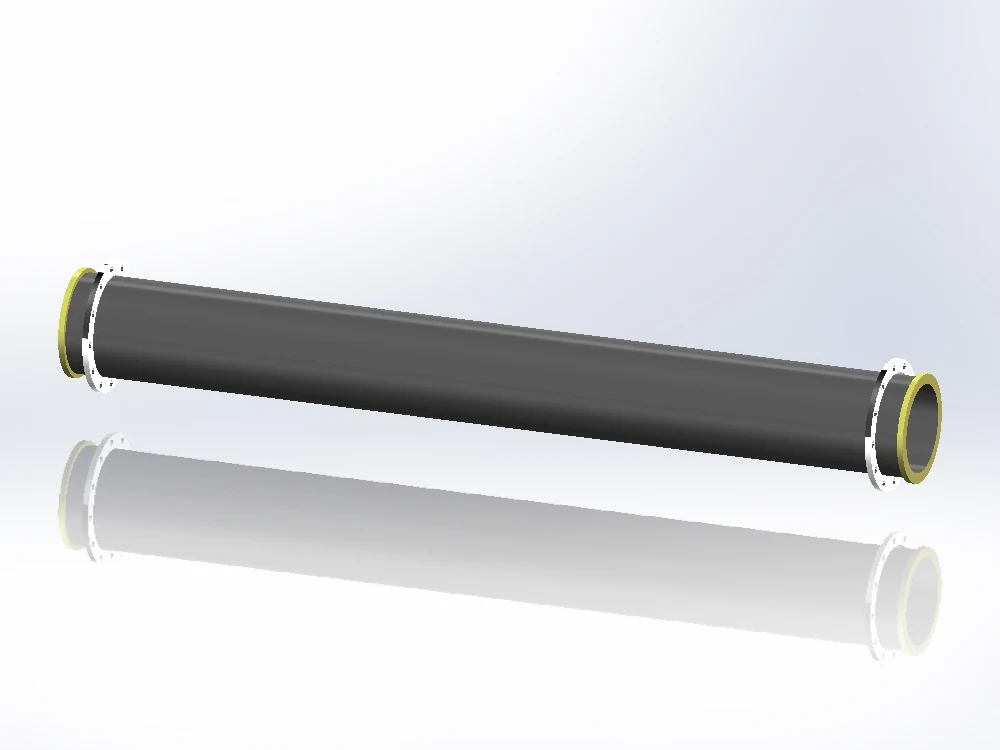
HDPE Pipe with Steel Flange
Flanged HDPE dredging pipe, OD 200-800mm, 0.6-1.5MPa, corrosion free and light to handle.
View specificationsQuote the system, not the parts
Send the vessel, the line layout and the flange standard already in service.