HJ-132-710W
HJ-132-710W
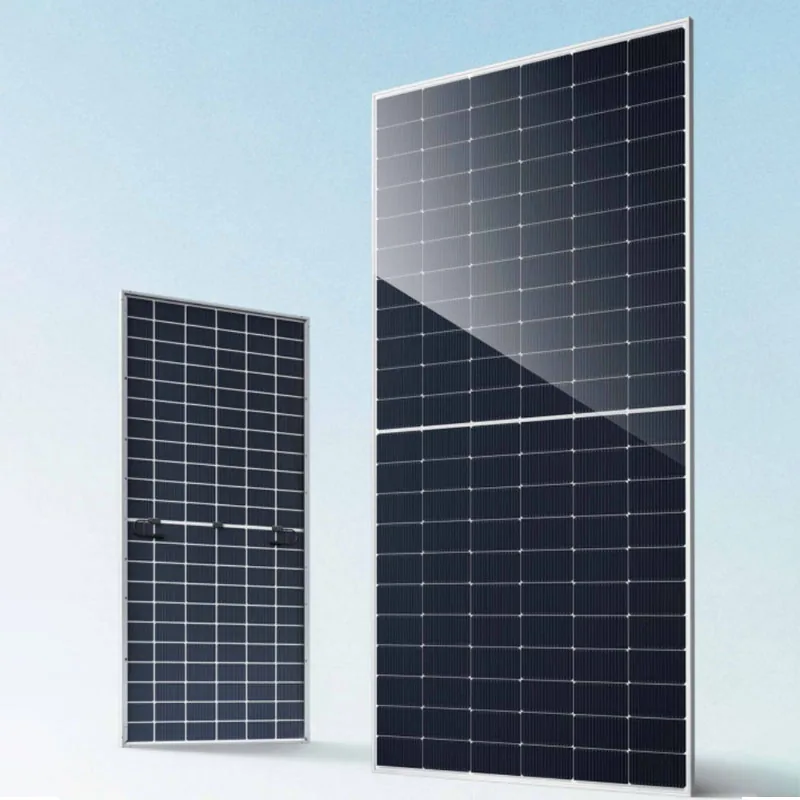
710 W of n-type TOPCon output per module, for projects where the balance-of-system bill is bigger than the module bill.
View specification →

The complete catalogue — 30 products across 15 series and three product lines. Nothing paginated, nothing hidden behind a filter.
Modules, inverters, storage and EPC service delivered as one matched package, so system compatibility stops being your problem.
N-type TOPCon, bifacial double-glass and flexible crystalline silicon modules from 445 W to 710 W.
710 W of n-type TOPCon output per module, for projects where the balance-of-system bill is bigger than the module bill.
View specification →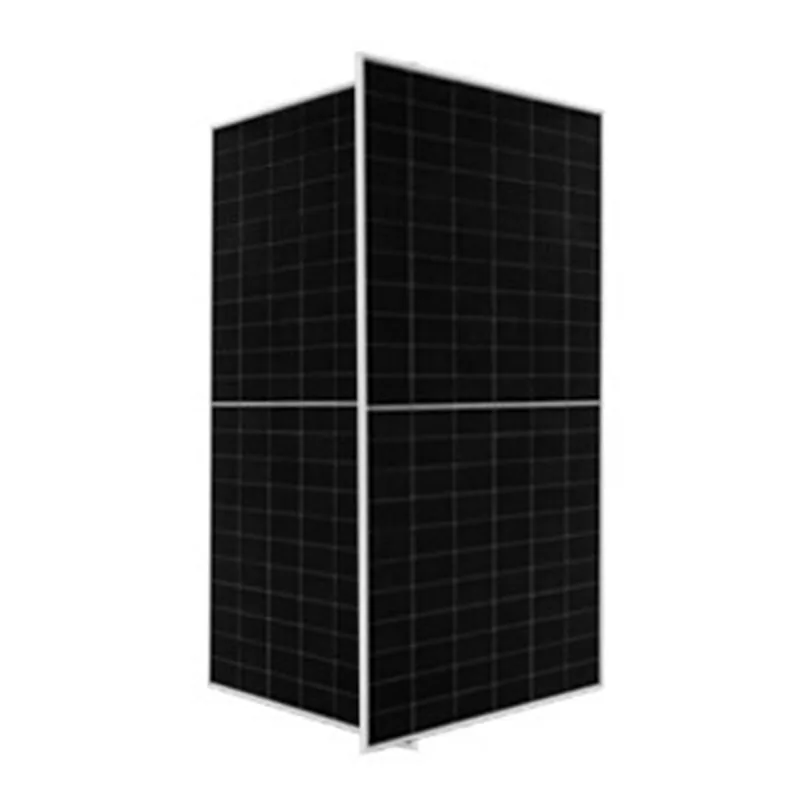
Up to 23% efficiency from n-type bifacial double-glass with MBB half-cell construction, and a low open-circuit voltage that lets you build longer strings.
View specification →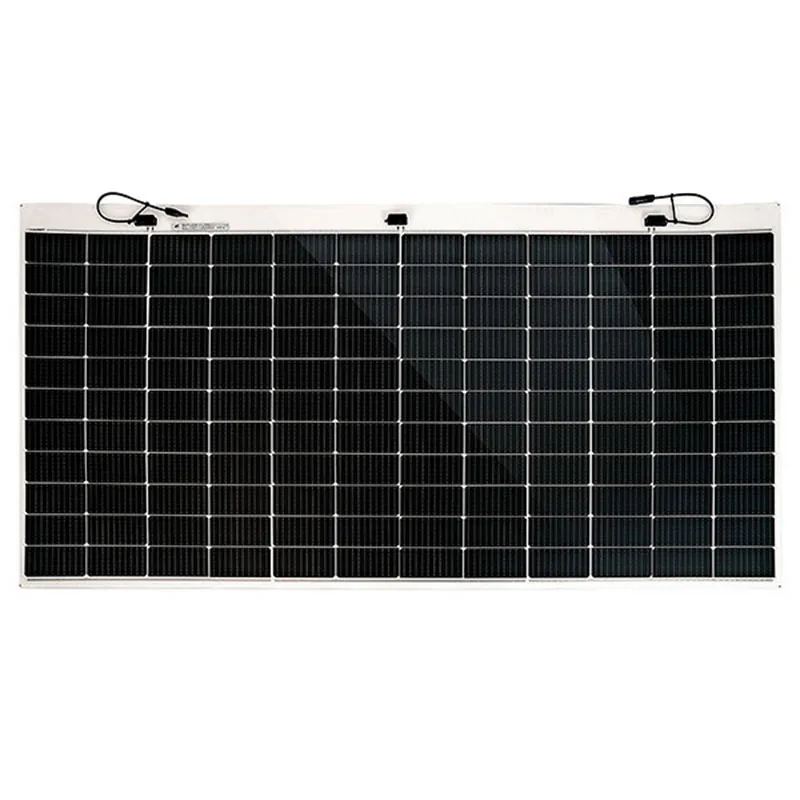
1.8 mm thick, 2.9 kg/m², bends to a 0.3 m radius — the world's first 520 W hail-resistant, micro-crack-free flexible crystalline silicon module.
View specification →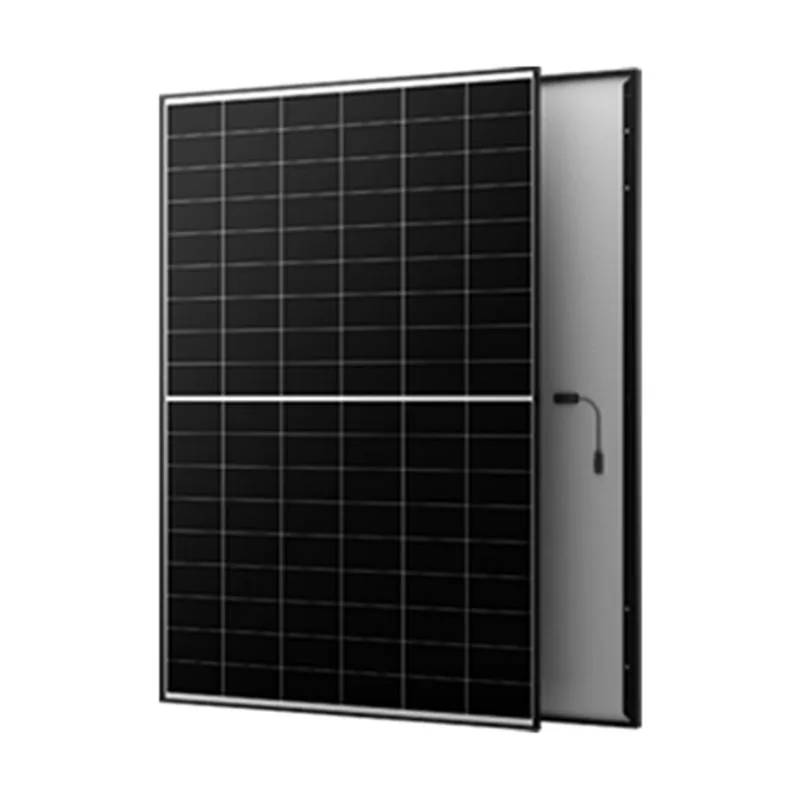
23.8% efficiency and −0.26%/°C, with a busbar-free front side that removes about 5.5% of the connection points from an equivalent DC block.
View specification →Module-level MPPT for residential and C&I rooftops, with DC held under 60 V.
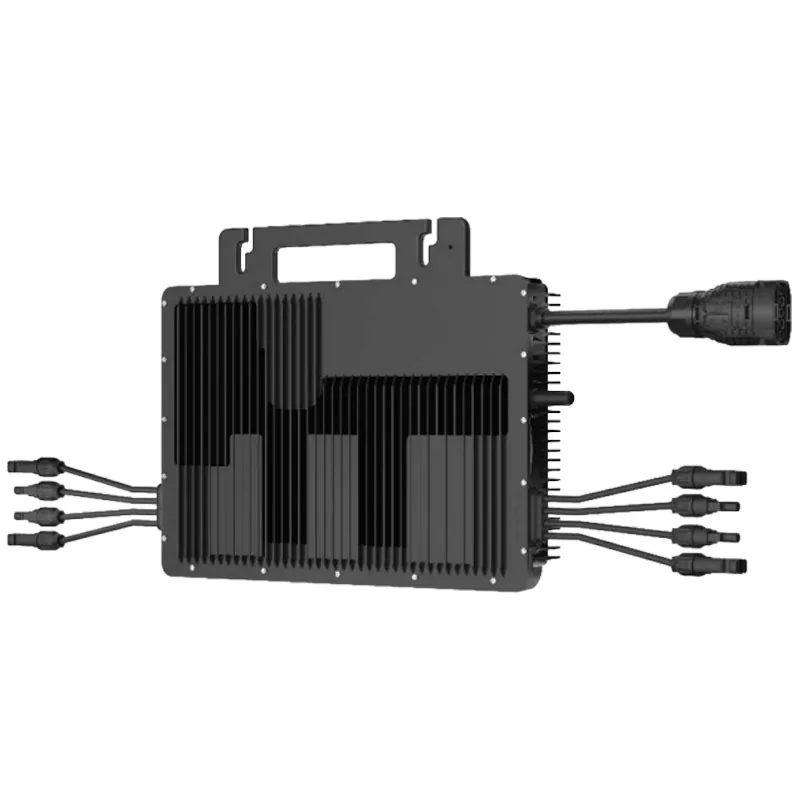
5,000 W three-phase, 20 A input, IP67, with Sub-1G communication stable to 400 metres.
View specification →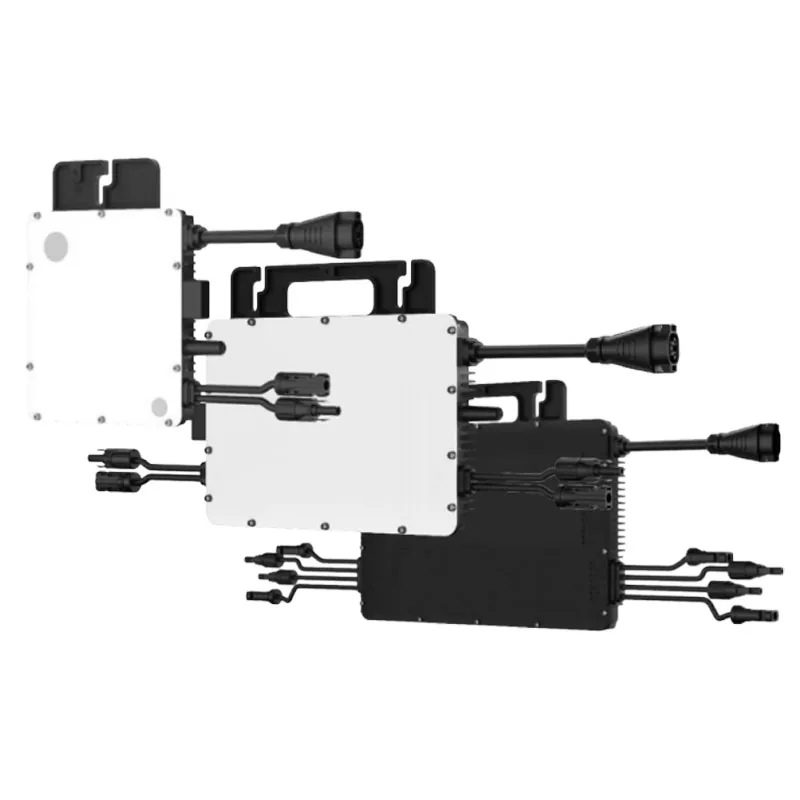
Module-level MPPT under 60 V DC, so one underperforming panel stops costing you the whole roof.
View specification →Cabinet storage for C&I sites, microgrids, virtual power plants and backup duty.
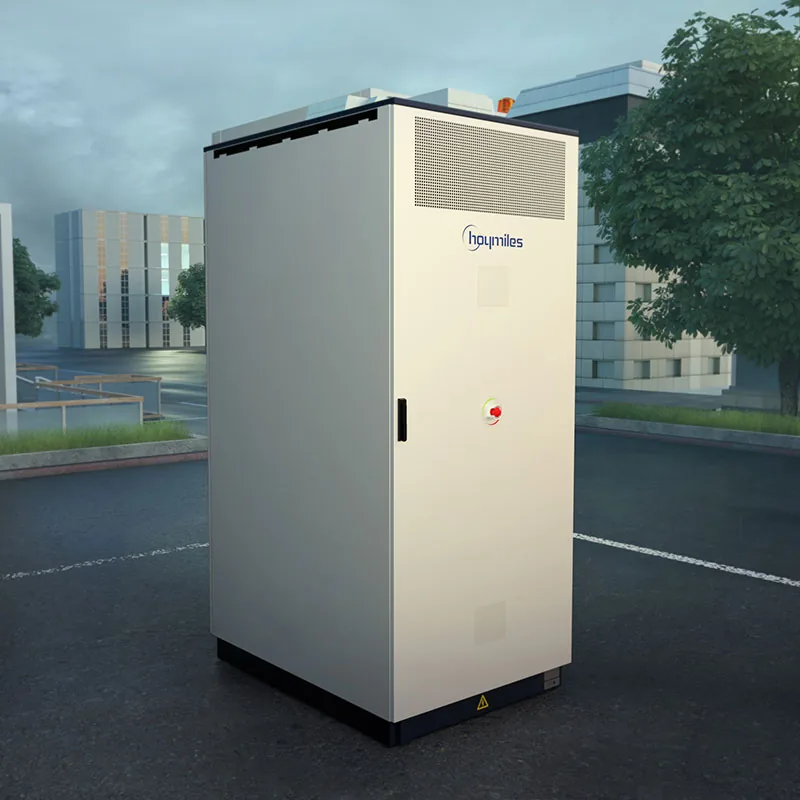
Cabinet storage for C&I sites, PV-plus-storage-plus-charging stations, microgrids and backup duty.
View specification →Over 70% lighter than glass modules, so roofs that were written off as non-load-bearing become generating assets.
Finished modules built on Hondol's own encapsulation stack — rooftop, foldable, balcony and automotive.
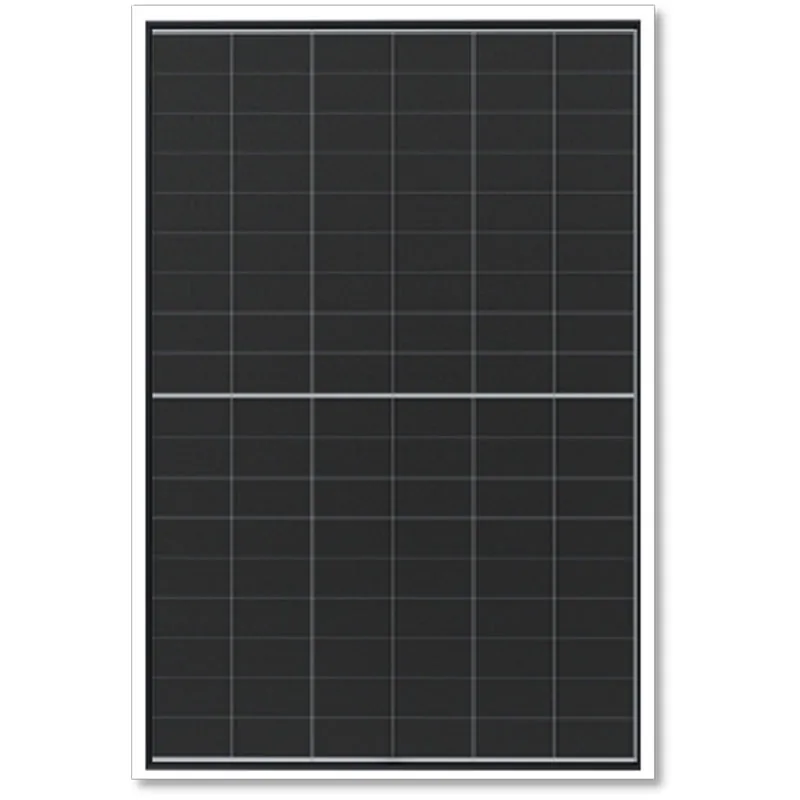
Up to 23.0% deliverable efficiency in a module light enough for a roof that was surveyed as non-load-bearing.
View specification →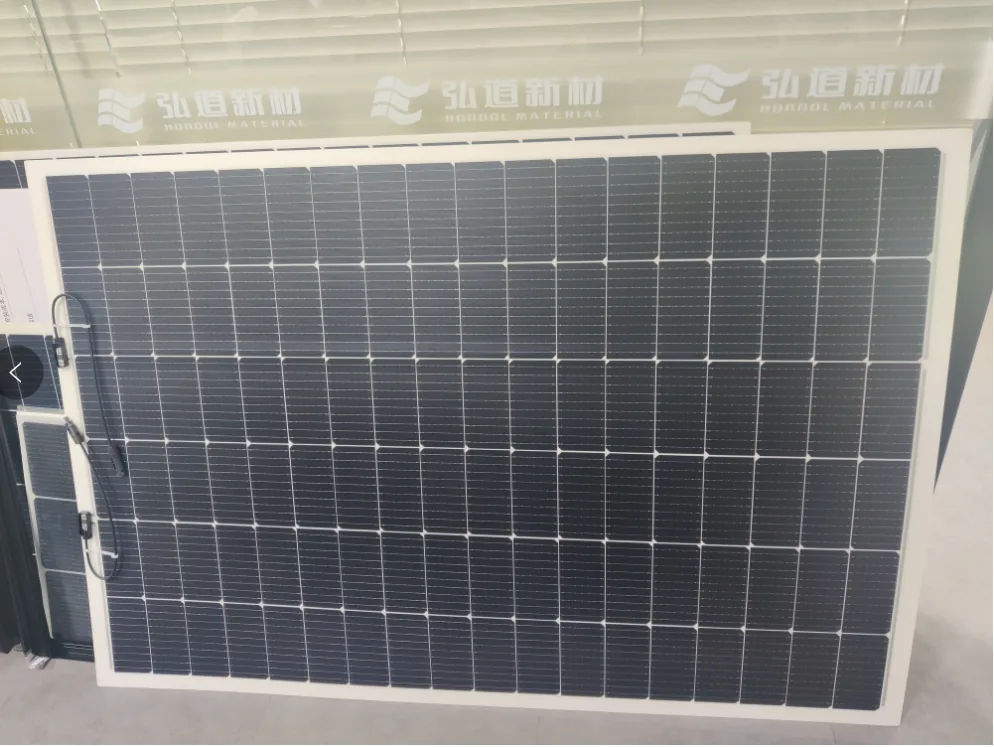
−40°C to 150°C, continuous high-frequency vibration, 15 years or 250,000 km.
View specification →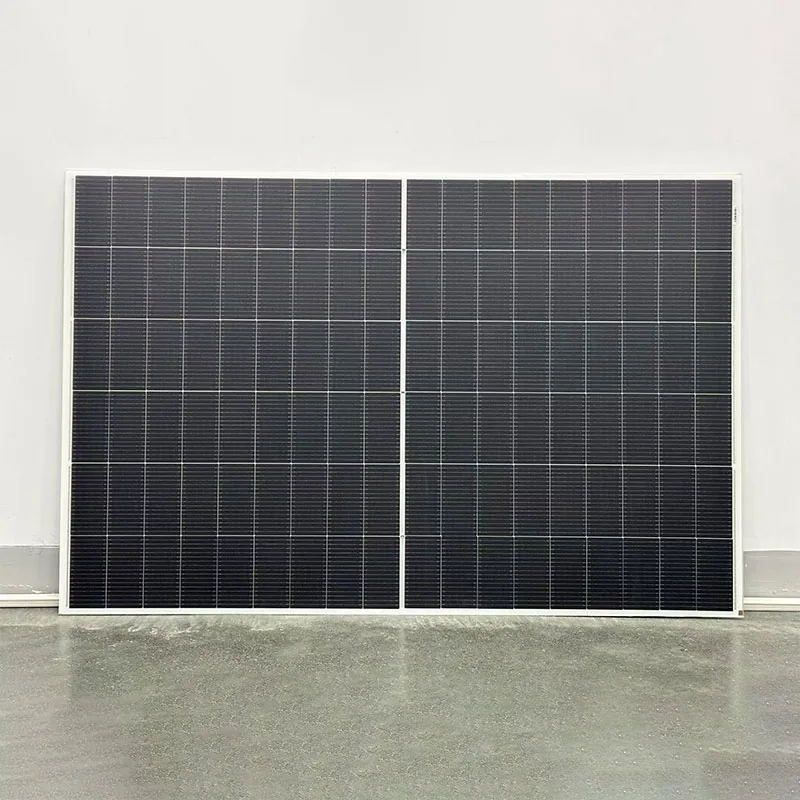
CTM over 95%, 5400 Pa mechanical load tested, hail tested — light enough for one person to hang on a railing.
View specification →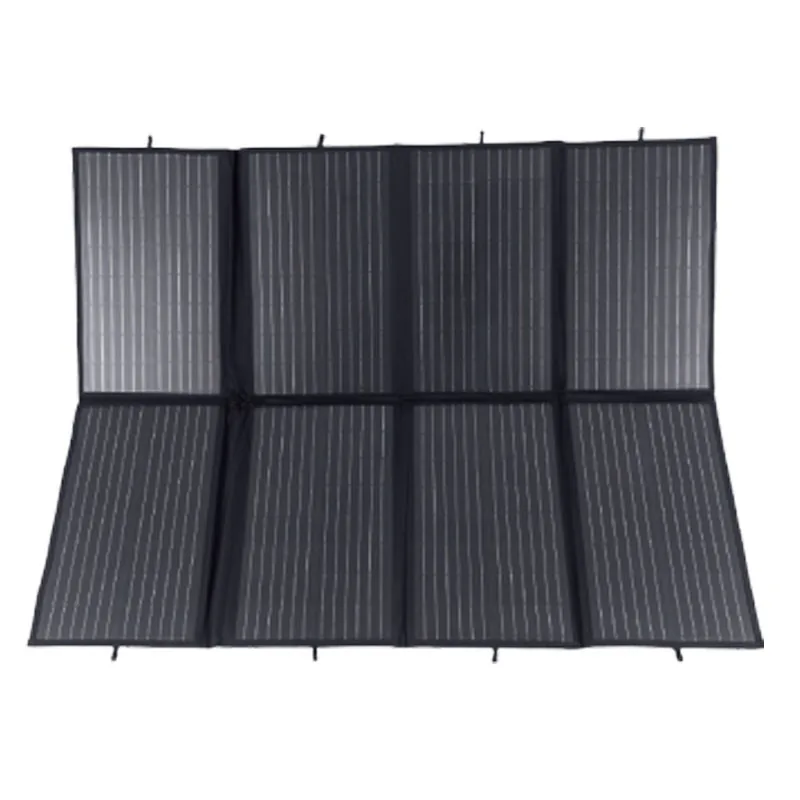
Up to 8 folds and 400 W, carried in one hand, working from −40°C to +85°C.
View specification →PVDF, ETFE and PF films — the outer skin that replaces front glass.
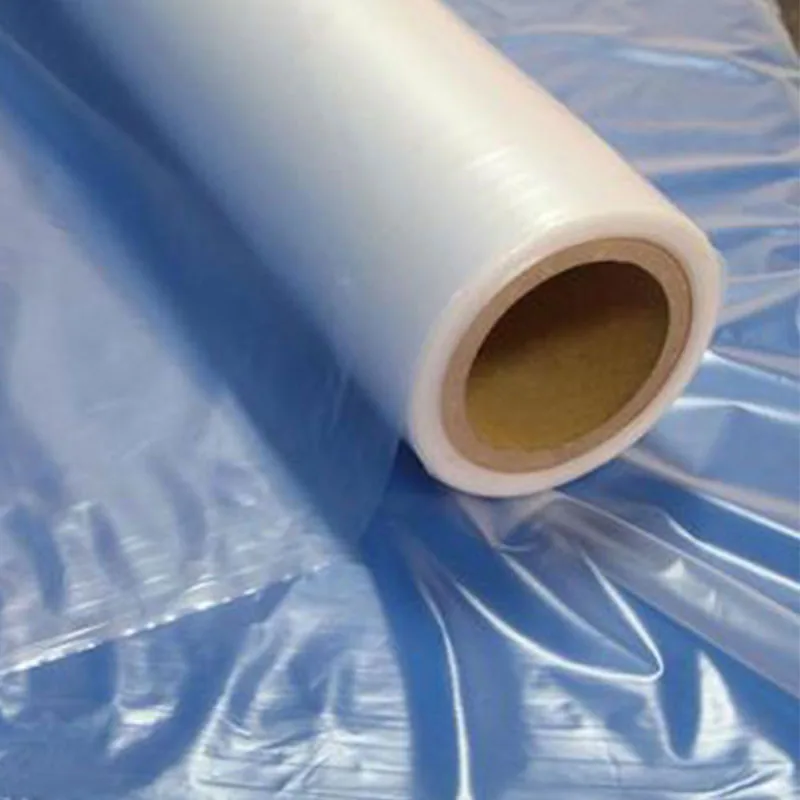
40.5 µm total, over 88% transmittance in the 400–1100 nm band, and over 1000 kWh/m² UV endurance.
View specification →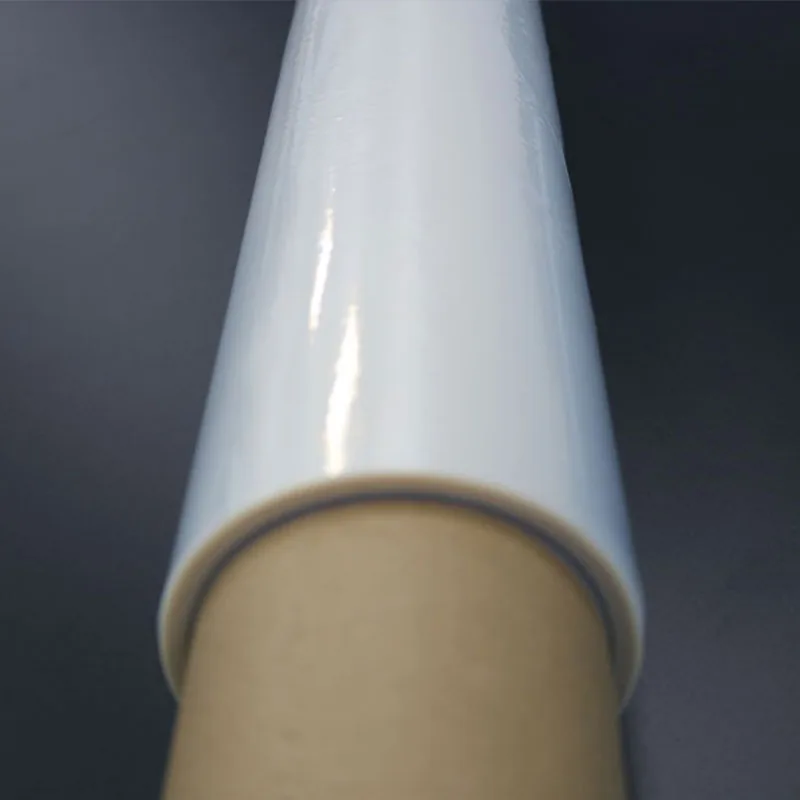
94% transmittance, self-cleaning, unchanged after 25+ years outdoors, UL94 V-0.
View specification →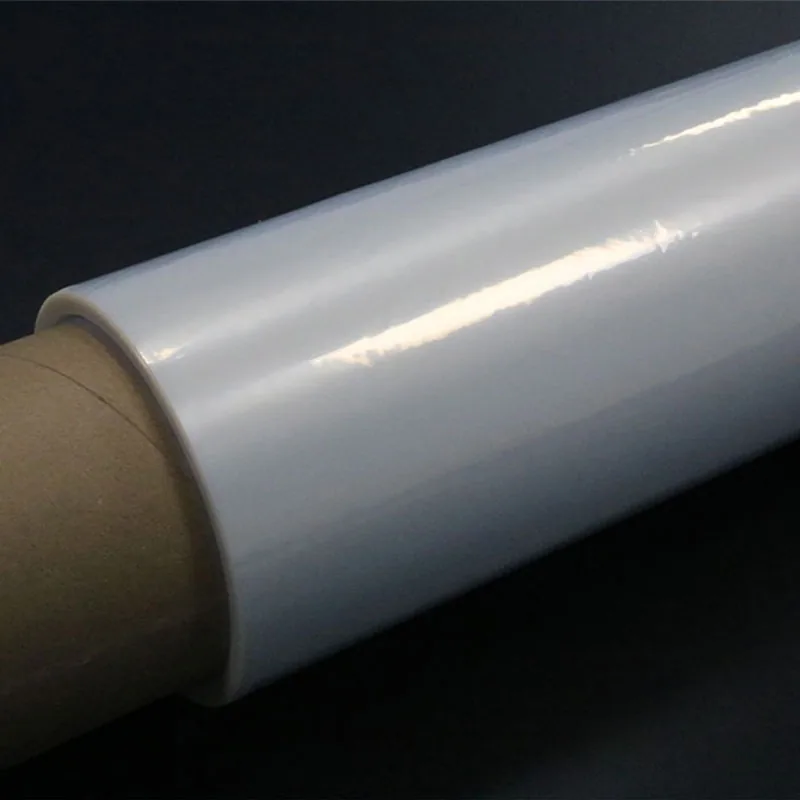
Over 40% fluorine content, no chalking or cracking after 800 kWh/m² UV, and a matte finish under 30 GU.
View specification →CPC/CDPC sheet, PRG/AGR prepreg and HD-SG strengthened backsheet — the rigidity that glass used to provide.
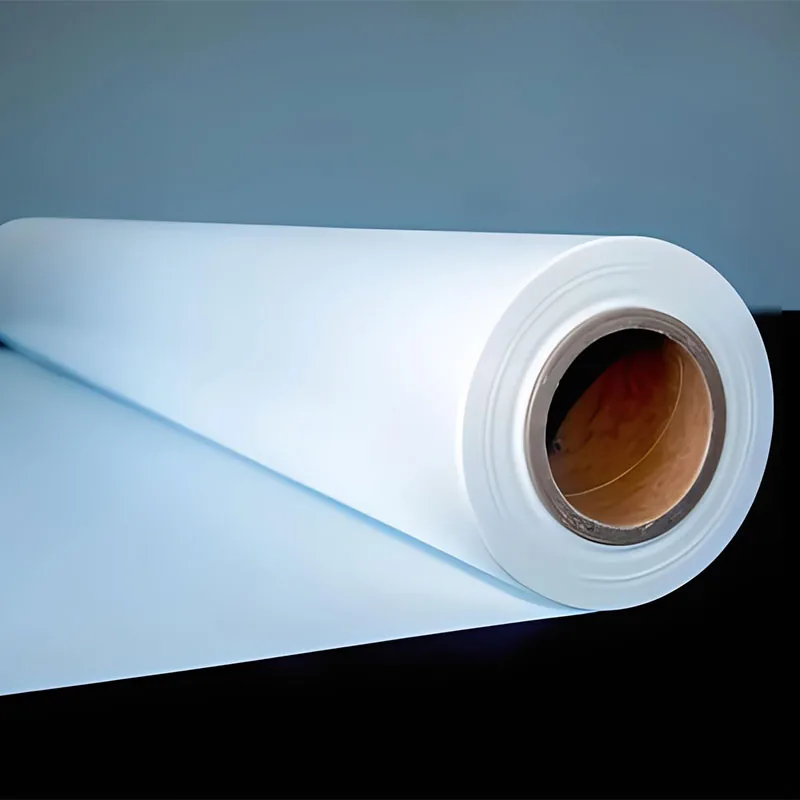
Reflectivity above 80% and water transmission below 0.5 g/m²·day, in constructions from 540 µm to 1000 µm.
View specification →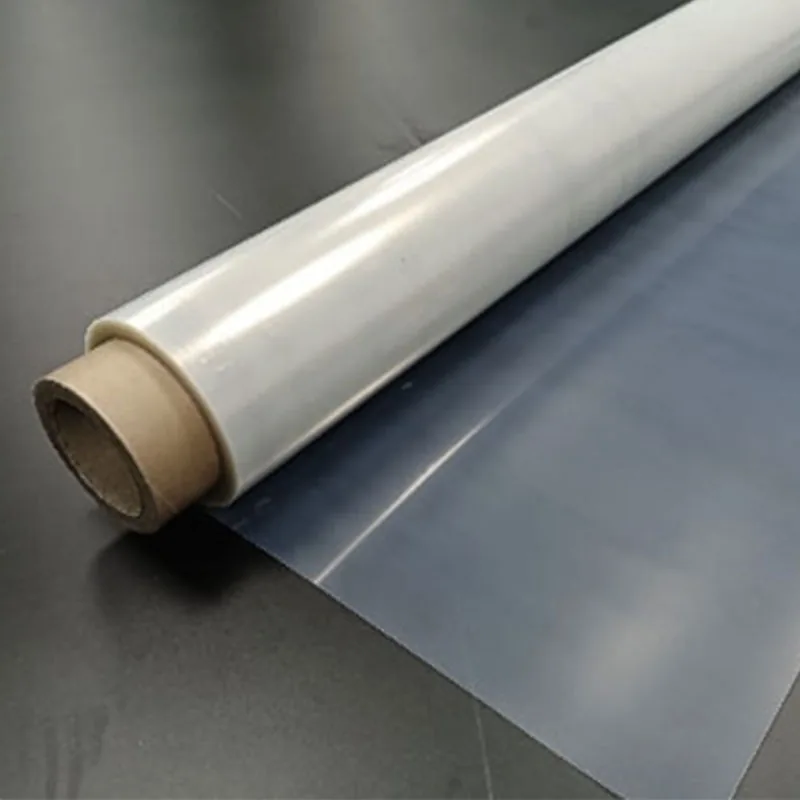
Organic material in place of glass, over 90% transmittance, UV resistance above 500 kWh/m².
View specification →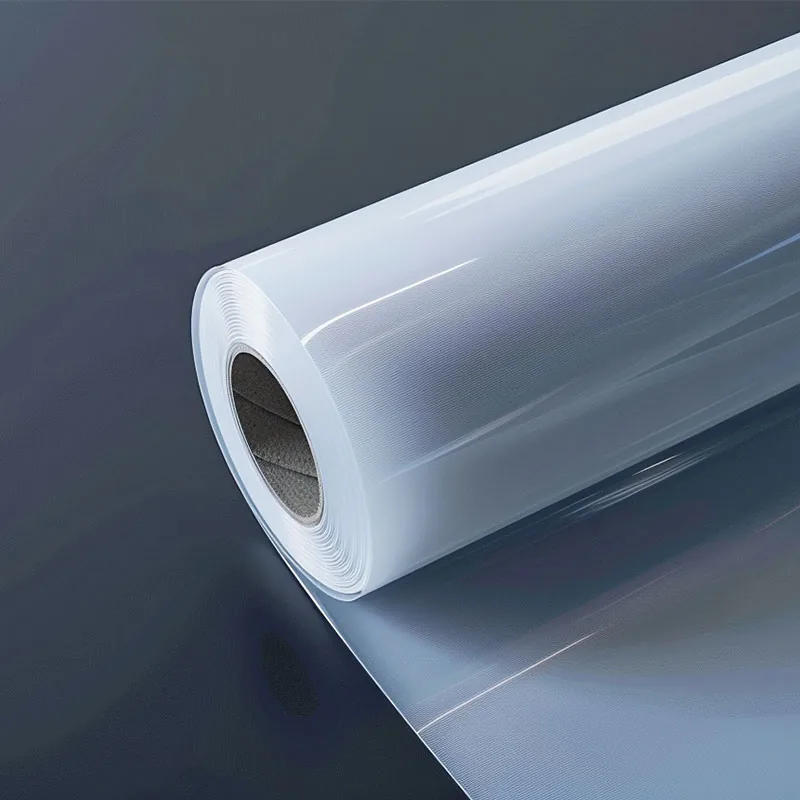
Withstands a 25 mm ball at 16 m/s with ≤5% power degradation, and over 1000 kWh/m² UV resistance.
View specification →Transparent water-blocking backsheets at 10⁻² to 10⁻³ g/m²·day.
Backsheets and encapsulant films produced at 100 million m² a year for module manufacturers who are judged on 25-year warranties.
The cost-effective encapsulant, with PID resistance and an additive-free formula.
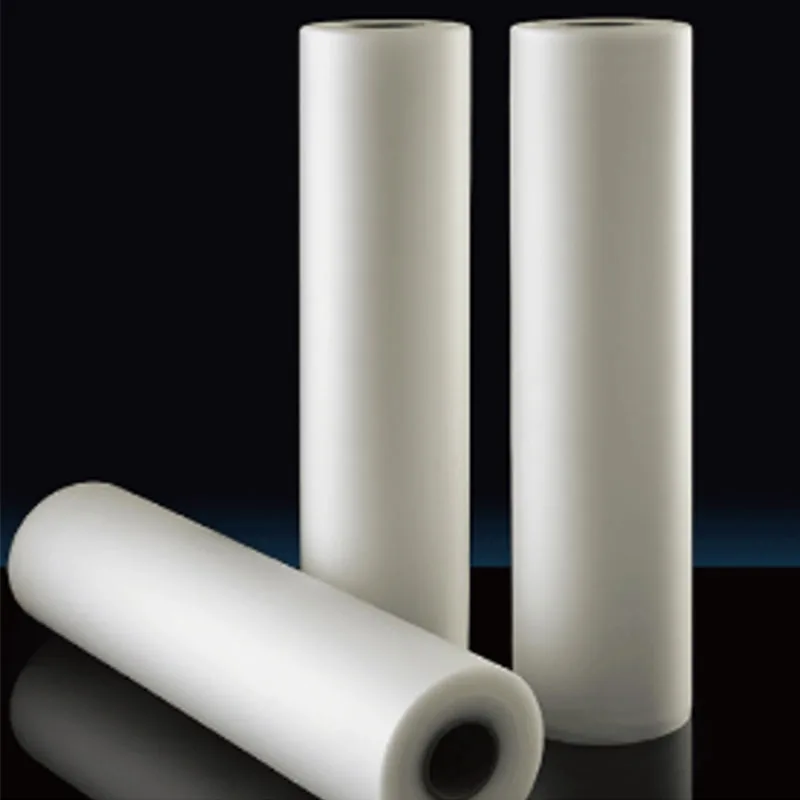
Additive-free formula — no slipping, no exudation, and a white variant that reflects light back into the cells.
View specification →EVA cost with POE moisture barrier and PID resistance.
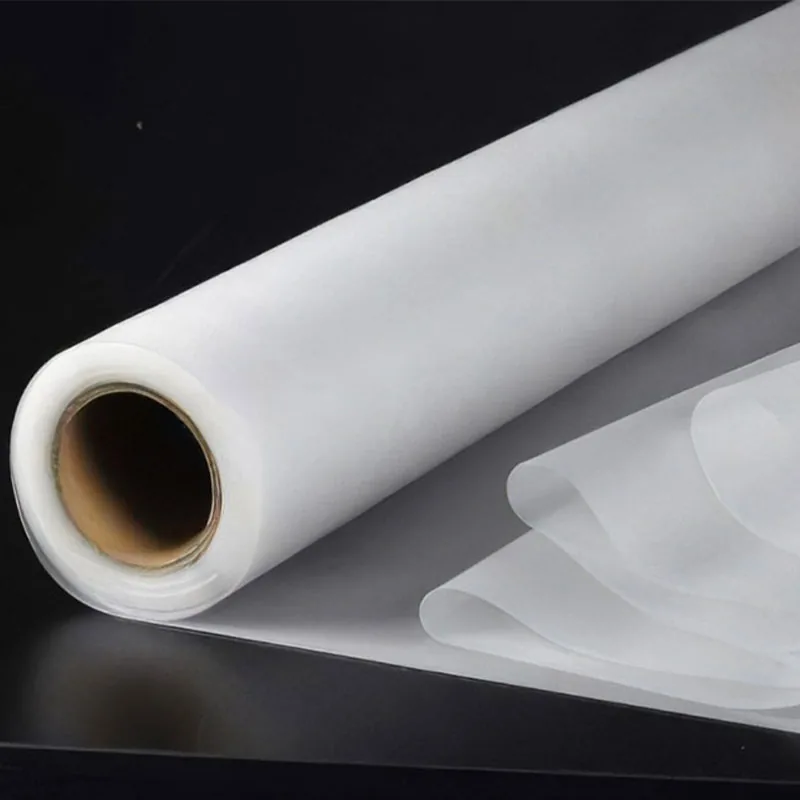
EVA's cost with POE's moisture barrier and PID resistance, in one co-extruded film.
View specification →The moisture and PID answer for TOPCon, HJT and double-glass modules.
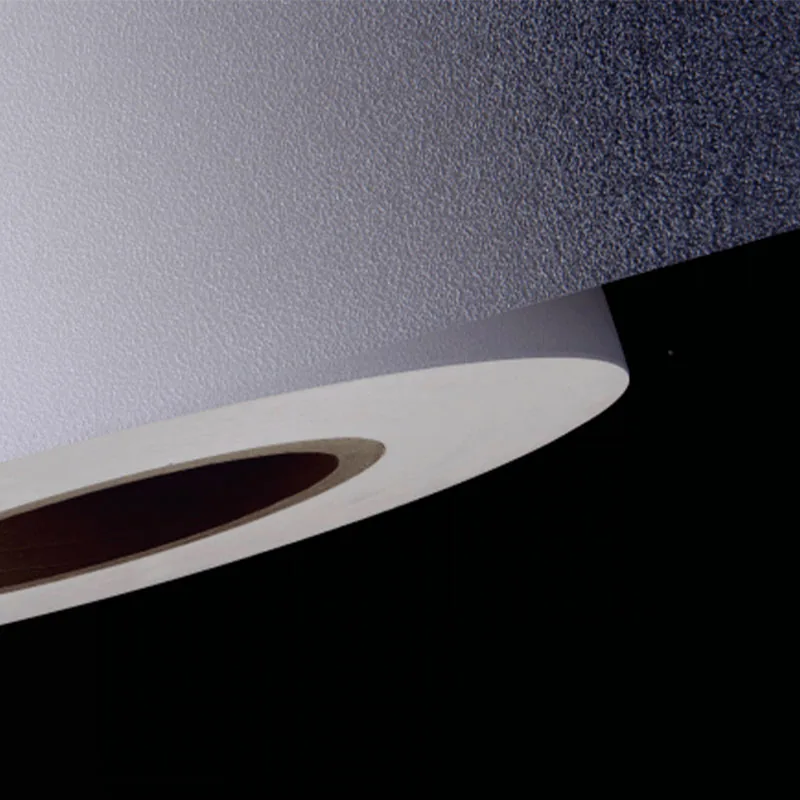
Superior PID and polarisation resistance with an enhanced moisture barrier — the encapsulant for TOPCon, HJT and double-glass.
View specification →Transparent high-barrier and aluminium-based constructions at 10⁻²–10⁻³ g/m²·day.
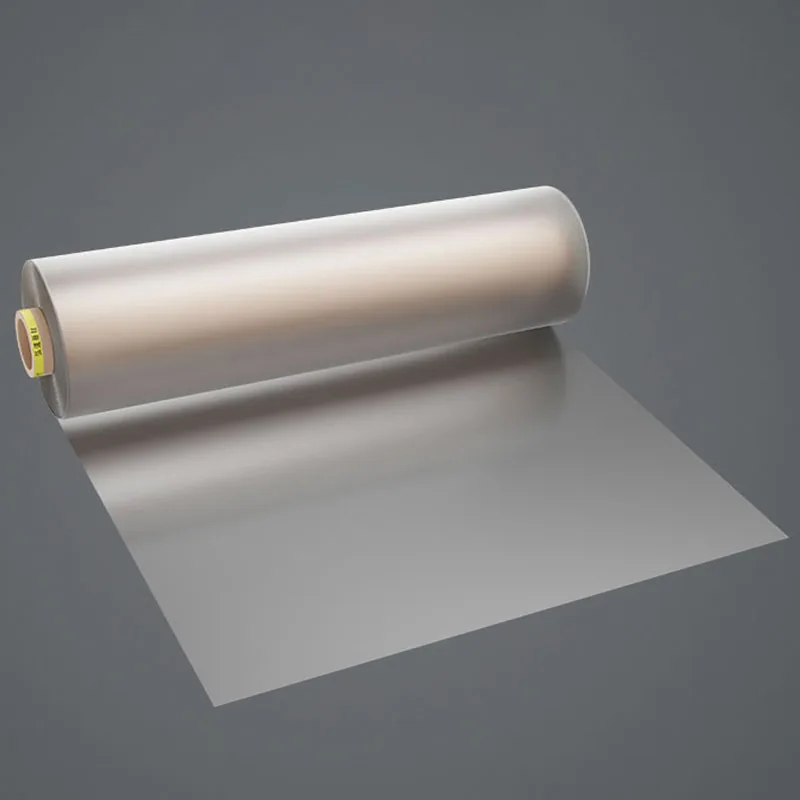
For TOPCon, HJT and perovskite modules, where moisture sensitivity is the reliability limit.
View specification →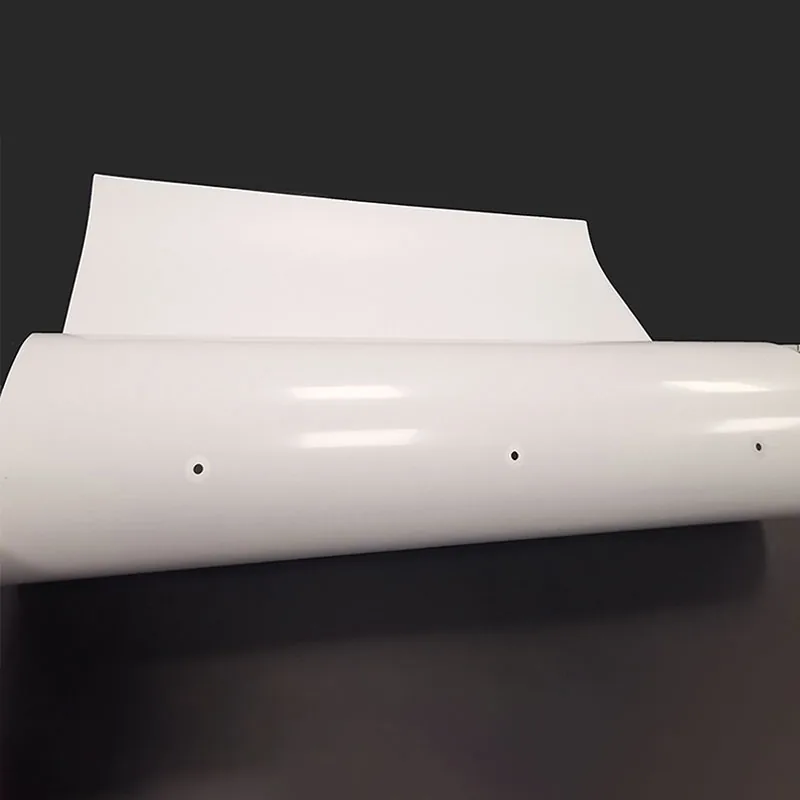
A 15–30 µm aluminium layer and a flame-retardant core, at 300 µm total.
View specification →1% to 2% more annual yield and over 15% less weight than conventional backsheets.
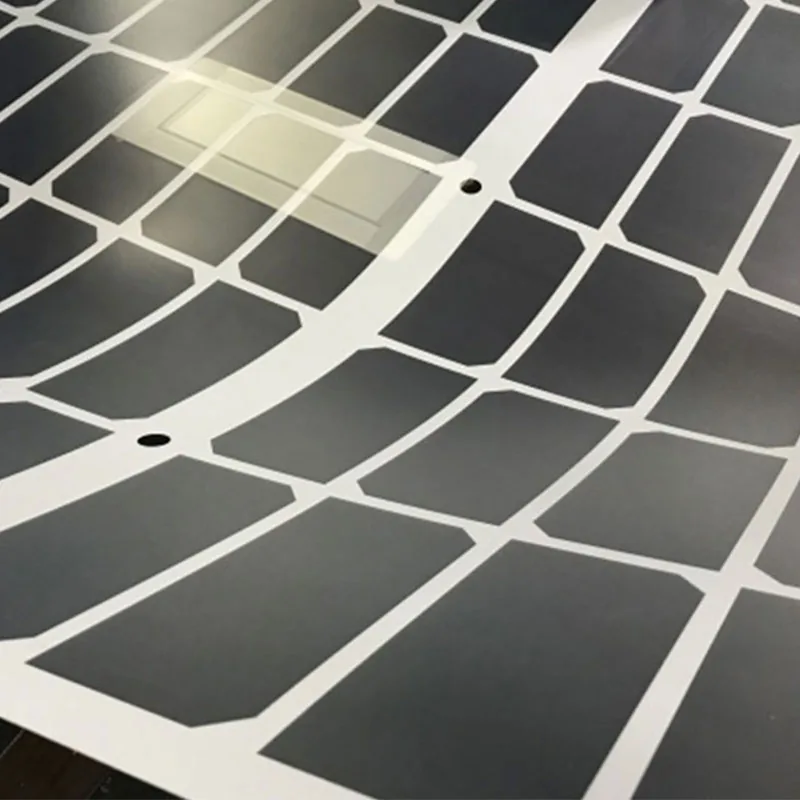
1% to 2% more annual energy yield, over 15% less weight, and no light leakage.
View specification →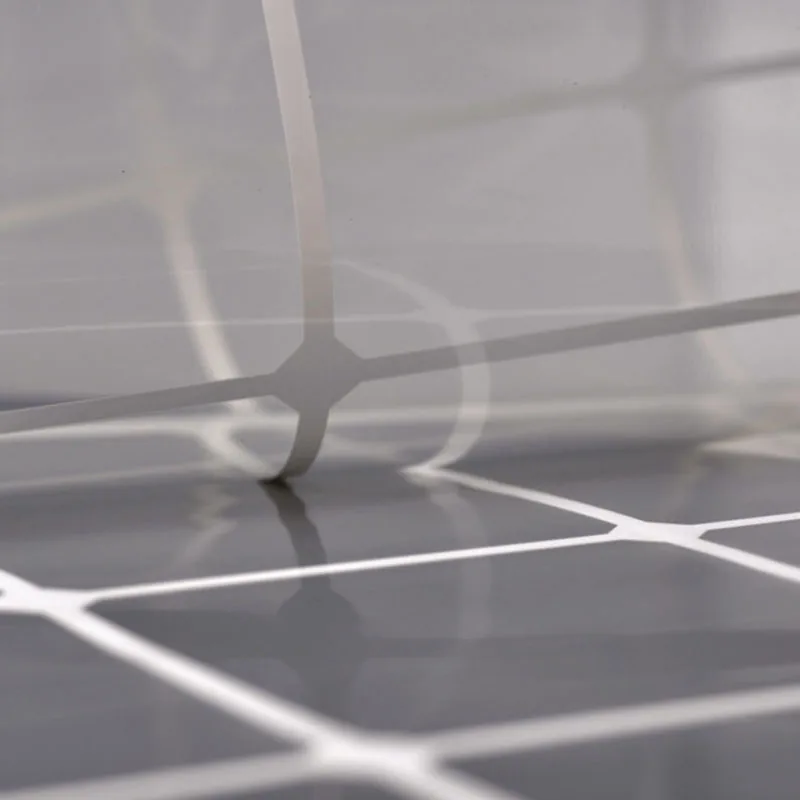
303 µm transparent fluorinated construction for glass-backsheet modules that need rear-side transmission.
View specification →230°C heat resistance and 1000 kWh/m² UV endurance, with no fluoropolymer in the stack.
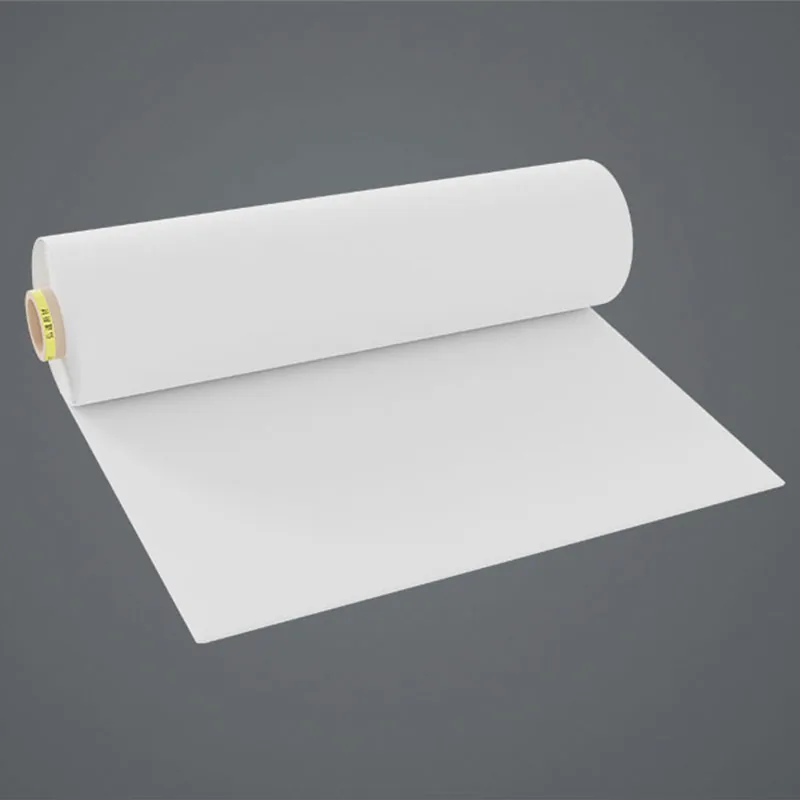
230°C without yellowing and 1000 kWh/m² UV without cracking — with no fluoropolymer in the construction.
View specification →All-black module aesthetics with an average CTM gain of +2.66%.
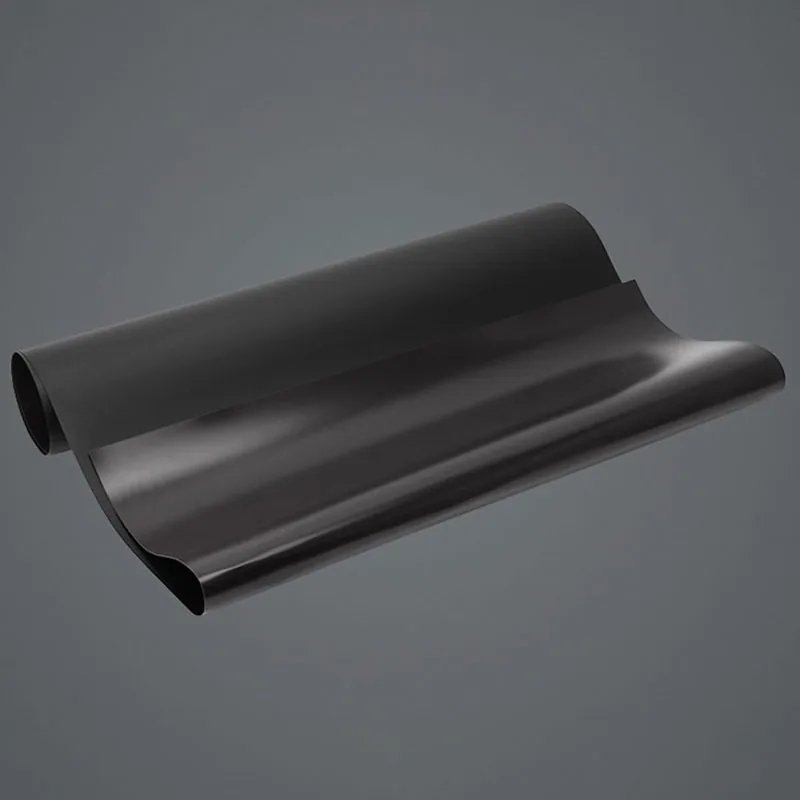
All-black appearance with an average CTM gain of +2.66% over conventional black backsheets.
View specification →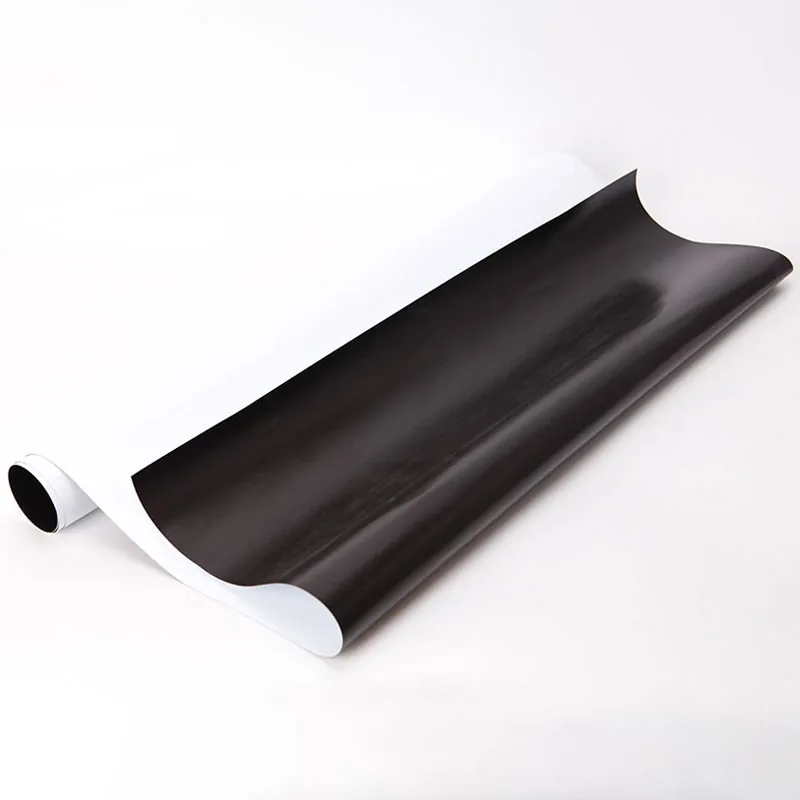
The black appearance where it is seen, the white surface where it helps the module stay cool.
View specification →The 1500 V workhorse: 303 µm, white or black, coated both sides.
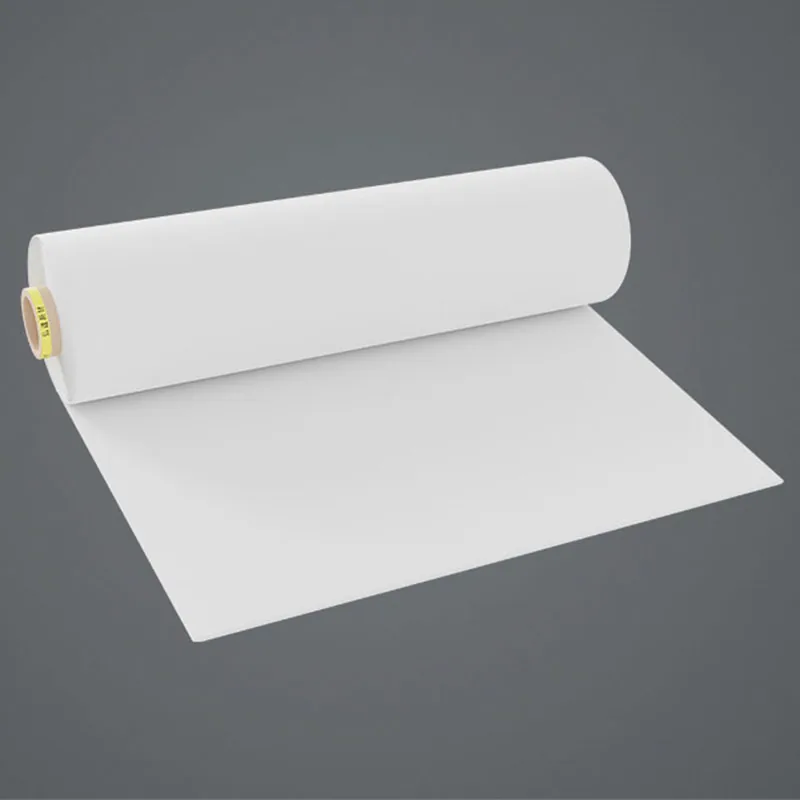
The 1500 V workhorse: 303 µm, coated both faces, white or black.
View specification →Send the cell technology and the module format. The recommendation comes back with the datasheet attached.