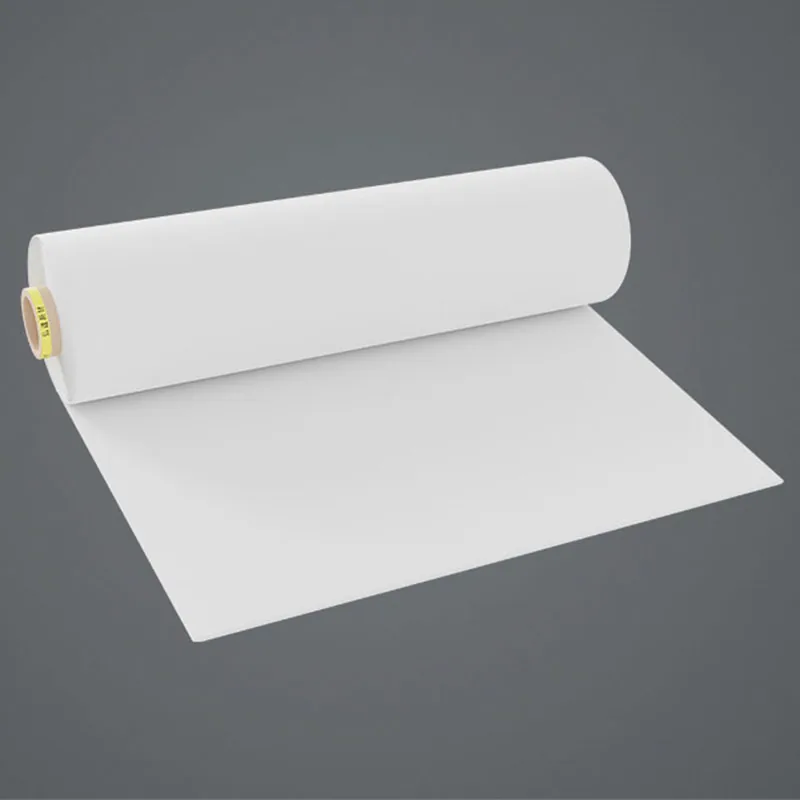
HD-CPC / HD-CPC-B
White CPC, Black CPC
The 1500 V workhorse: 303 µm, coated both faces, white or black.
View specification →
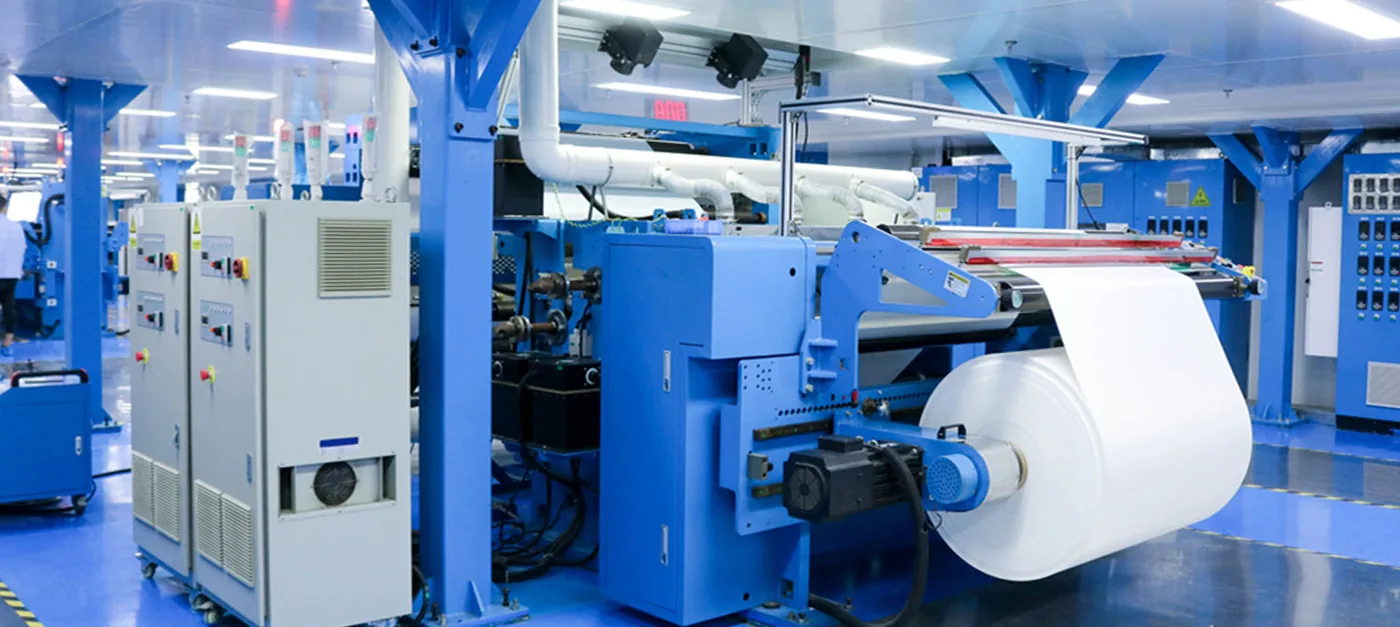
Backsheets, EVA / EPE / POE films, fluoropolymer films and soft glass, produced at 100 million m² a year and certified to TÜV Rheinland IEC 62788-2-1:2023.
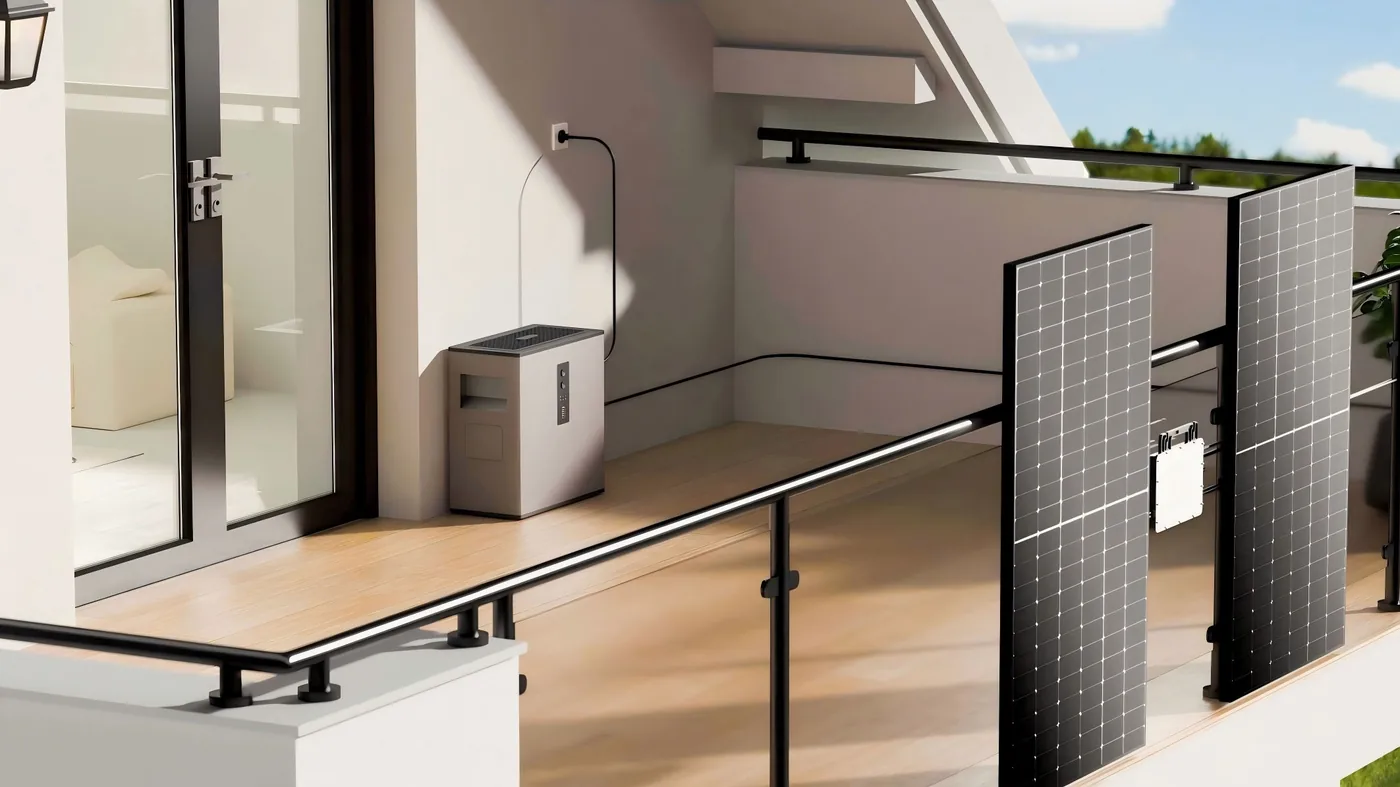
Over 70% lighter than glass, so the roof stops being the problem
2.9 kg/m² at 1.8 mm, bending to a 0.3 m radius, fixed with structural adhesive — no drilling, no hot work, no structural retrofit.
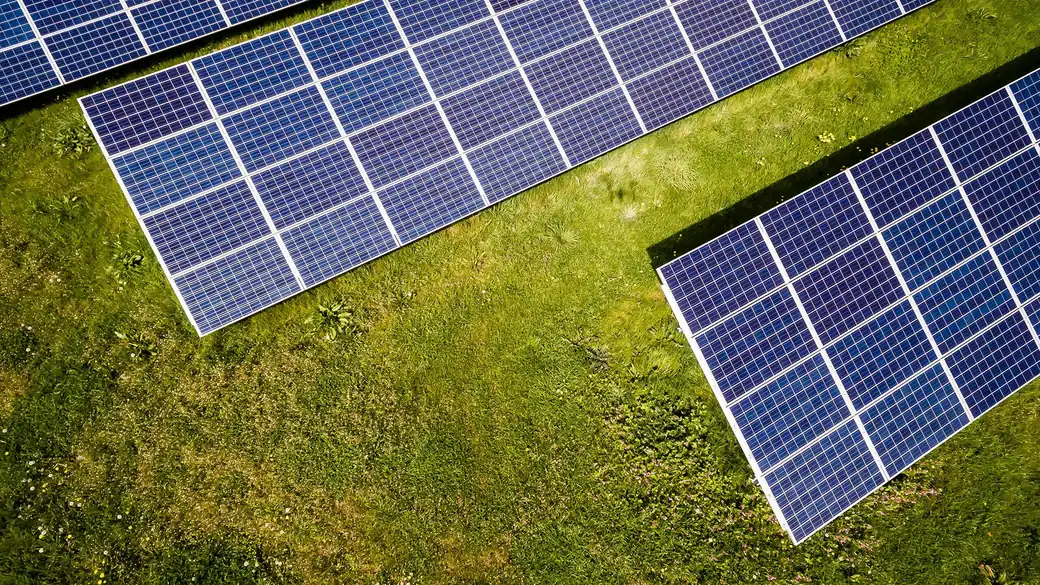
Modules, inverters and storage, matched before they ship
High-efficiency modules from 445 W to 710 W, microinverters for residential and C&I roofs, storage for microgrids and backup — plus turnkey EPC.
A module lives or dies on its encapsulation. Hondol develops that chemistry, manufactures it at scale, and then builds the lightweight modules and complete systems that only become possible once you own it.
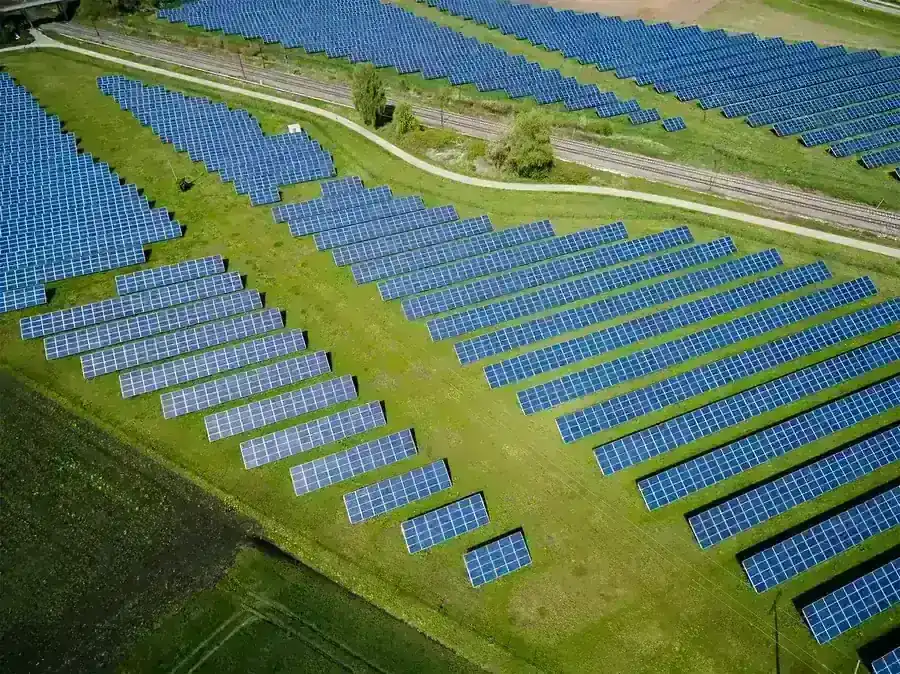
Modules, inverters, storage and EPC service delivered as one matched package, so system compatibility stops being your problem.
Over 70% lighter than glass modules, so roofs that were written off as non-load-bearing become generating assets.
Backsheets and encapsulant films produced at 100 million m² a year for module manufacturers who are judged on 25-year warranties.
Eight of the 30 products in the catalogue, chosen because they cover the decisions that come up most: backsheet construction, encapsulant chemistry, and how light a module can get before something has to give.
The 1500 V workhorse: 303 µm, coated both faces, white or black.
View specification →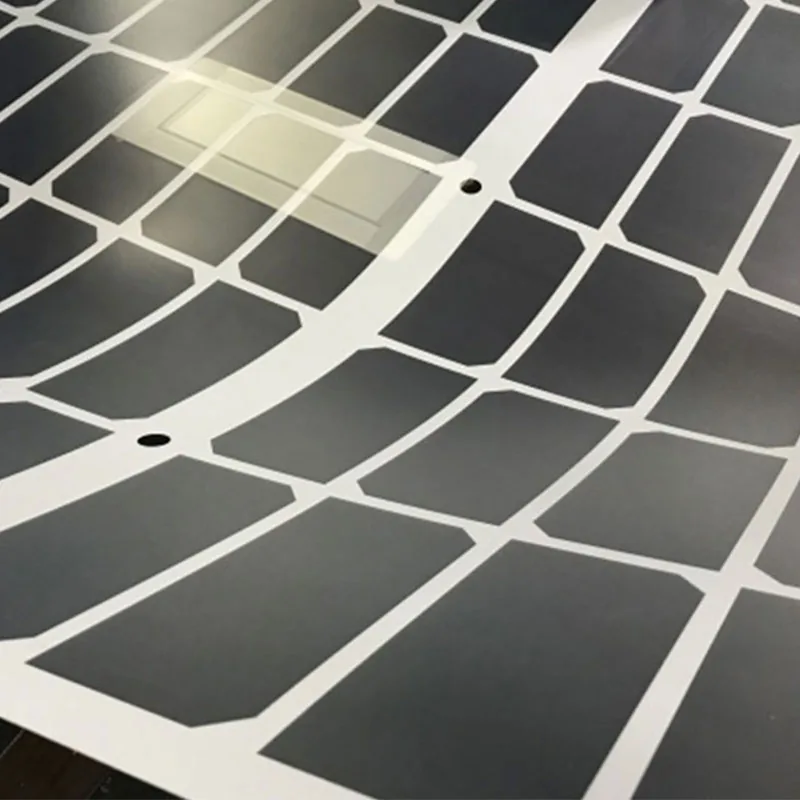
1% to 2% more annual energy yield, over 15% less weight, and no light leakage.
View specification →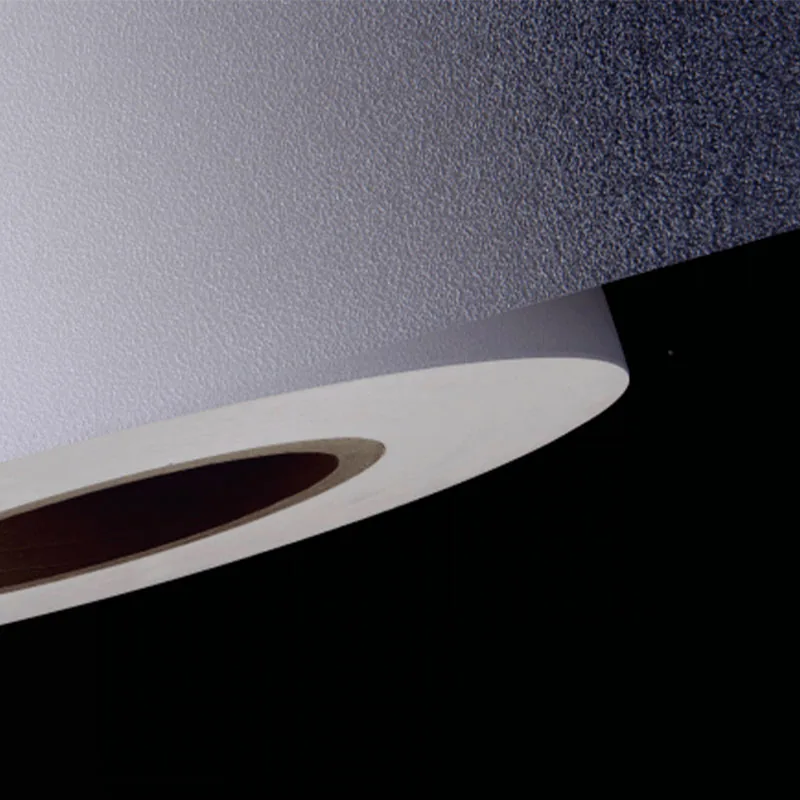
Superior PID and polarisation resistance with an enhanced moisture barrier — the encapsulant for TOPCon, HJT and double-glass.
View specification →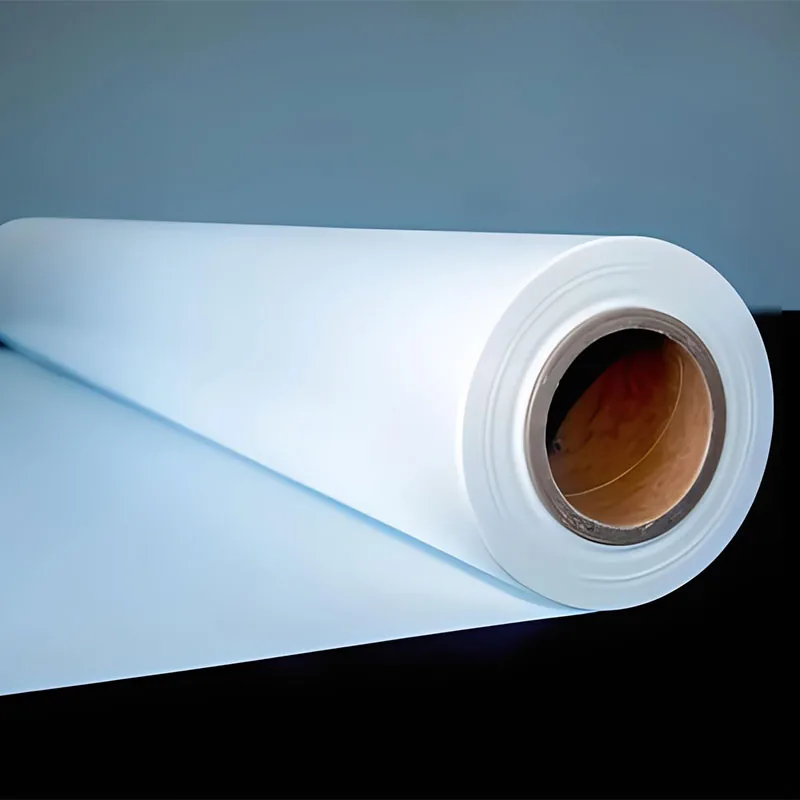
Reflectivity above 80% and water transmission below 0.5 g/m²·day, in constructions from 540 µm to 1000 µm.
View specification →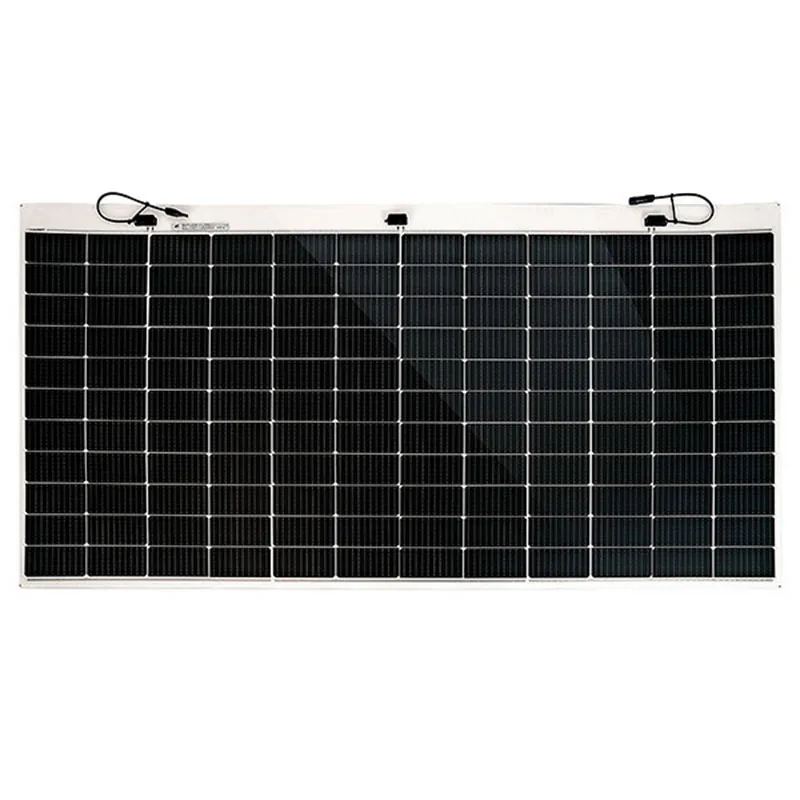
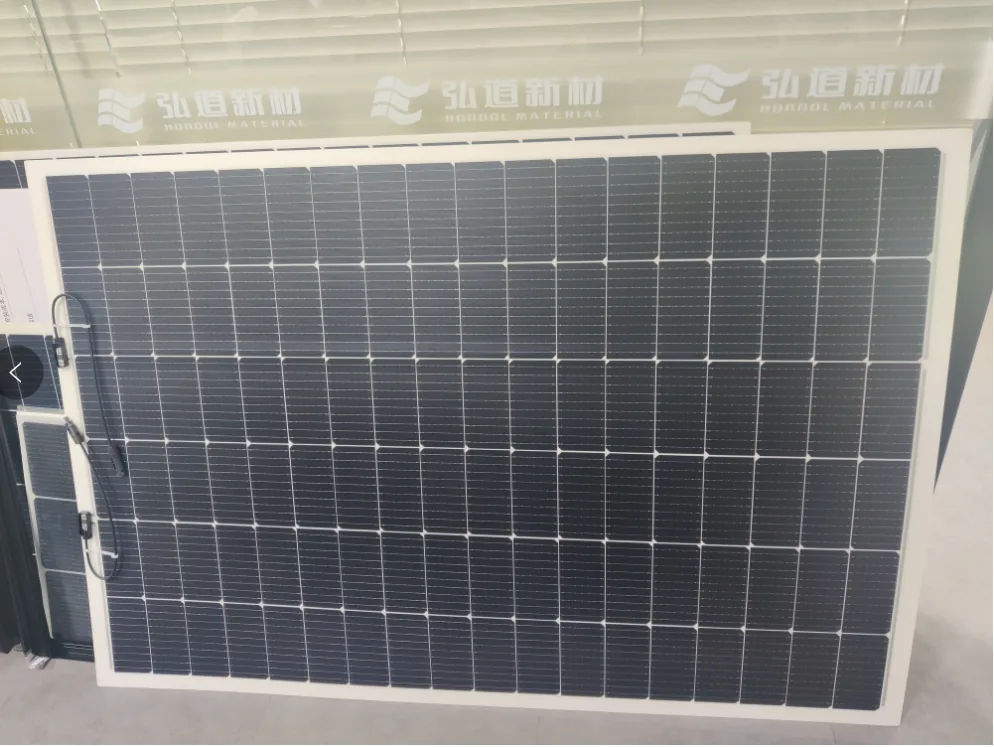
1.8 mm thick, 2.9 kg/m², bends to a 0.3 m radius — the world's first 520 W hail-resistant, micro-crack-free flexible crystalline silicon module.
View specification →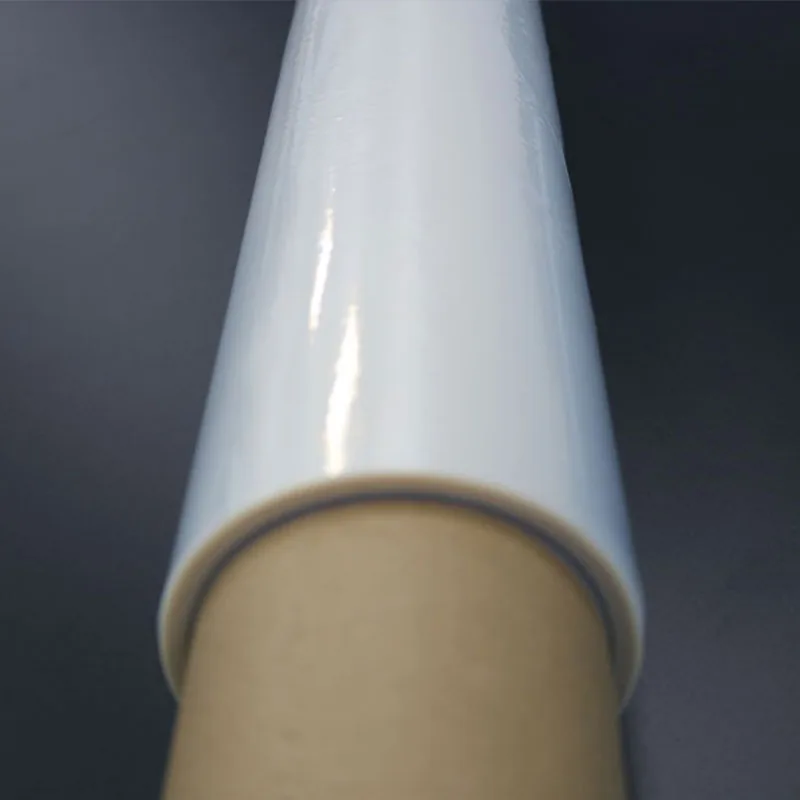
94% transmittance, self-cleaning, unchanged after 25+ years outdoors, UL94 V-0.
View specification →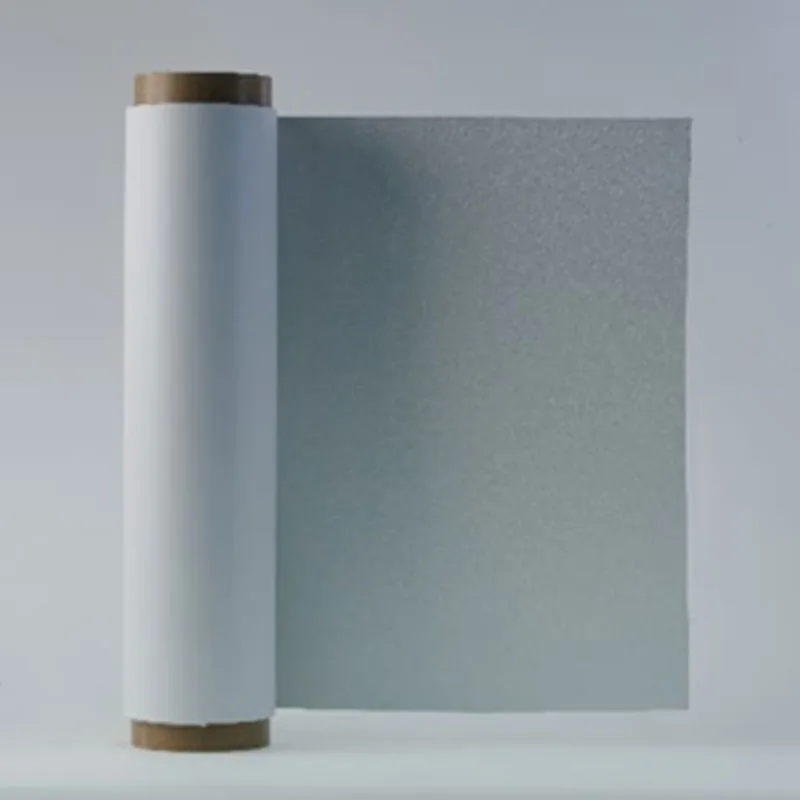
10⁻²–10⁻³ g/m²·day water transmission in a 325 µm transparent construction, with PID288 and DH2000 degradation under 2%.
View specification →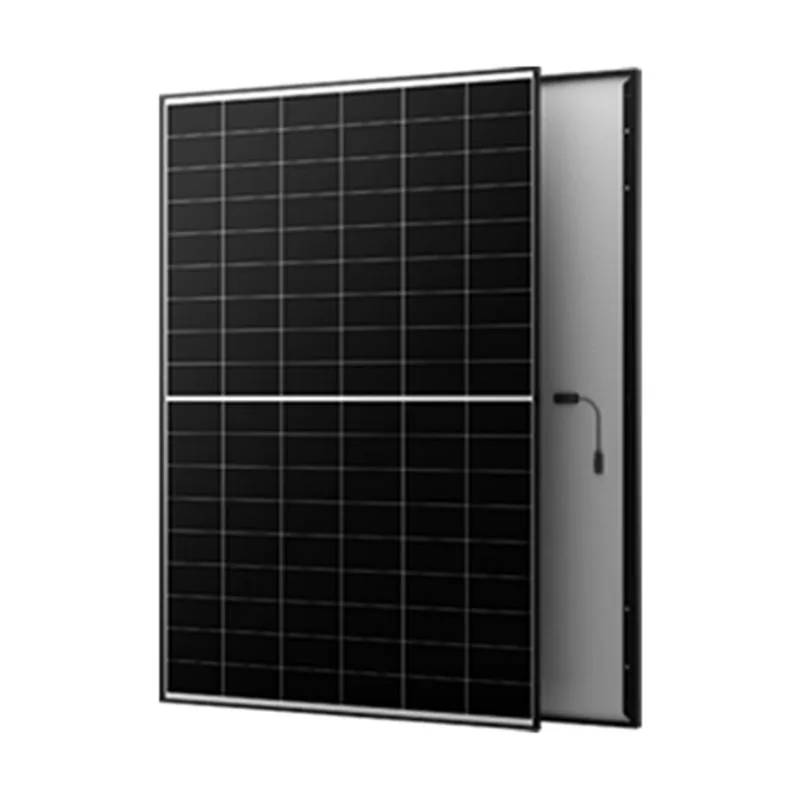
23.8% efficiency and −0.26%/°C, with a busbar-free front side that removes about 5.5% of the connection points from an equivalent DC block.
View specification →Hondol Material was founded in September 2021 and had its Phase I production base running by March 2022. By June that year it was a qualified supplier to leading module manufacturers; by August 2023 the Phase II line — two coating lines and four grid backsheet lines — took annual capacity to 100 million m².
The reason the range now runs all the way to finished lightweight modules and complete PV systems is that the encapsulation technology made them possible. Once a front film, a prepreg and a strengthened backsheet can replace glass, a whole class of roof, canopy and vehicle becomes addressable — and the company that owns the chemistry is the one that can qualify it.
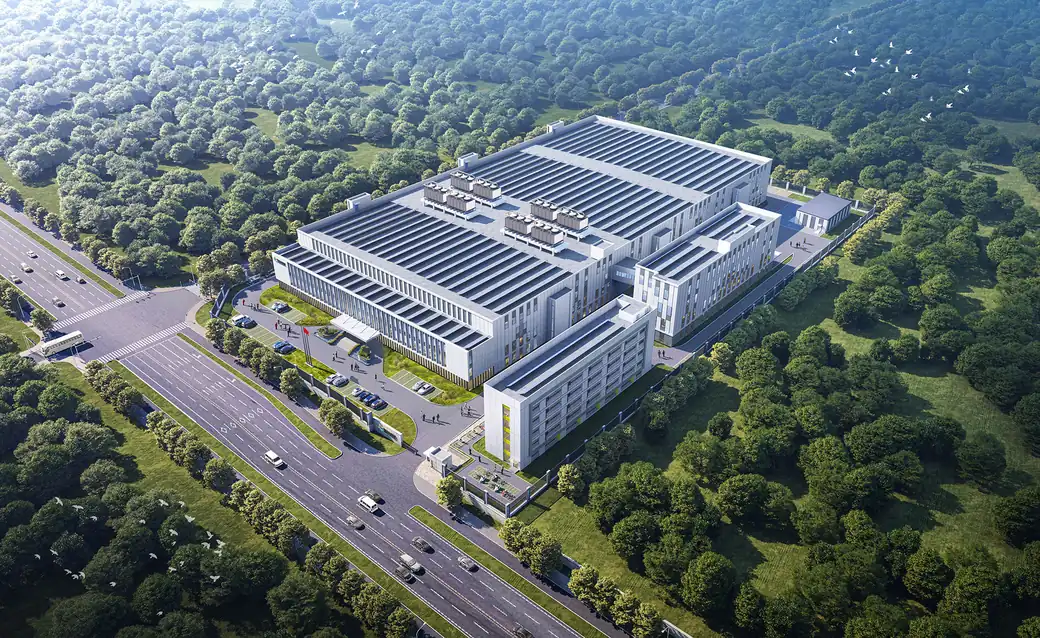
Lightweight construction is not a specification detail — it is what decides whether a site can be built on at all. These are the seven that come up most.
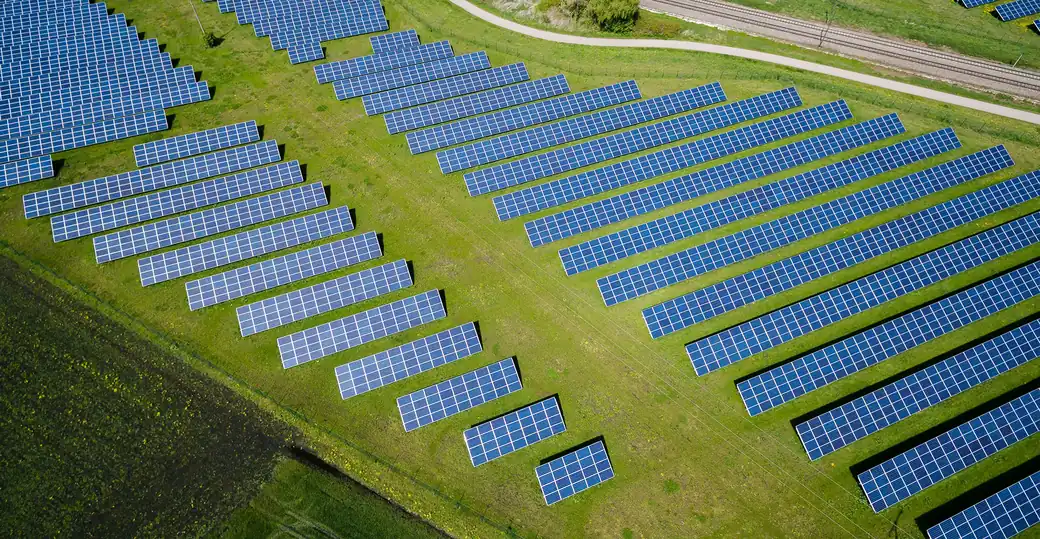
Backsheets and encapsulants qualified for 1500 V PERC and TOPCon modules shipping by the gigawatt.
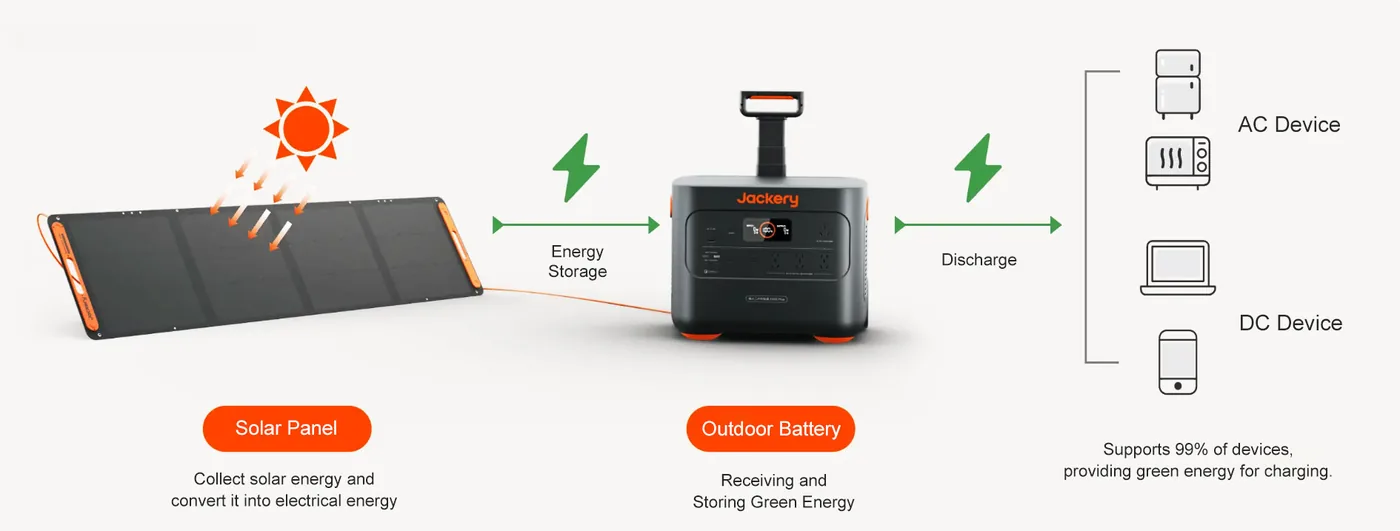
For roofs that cannot take 11 kg/m² of glass, and owners who cannot take the downtime of a structural retrofit.
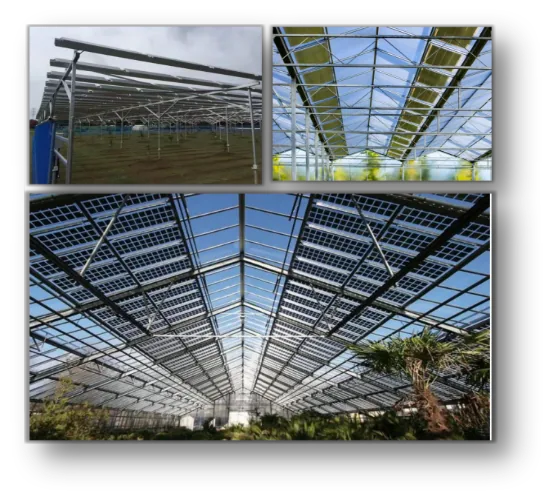
Generating structures that still have to let a crop grow underneath them.
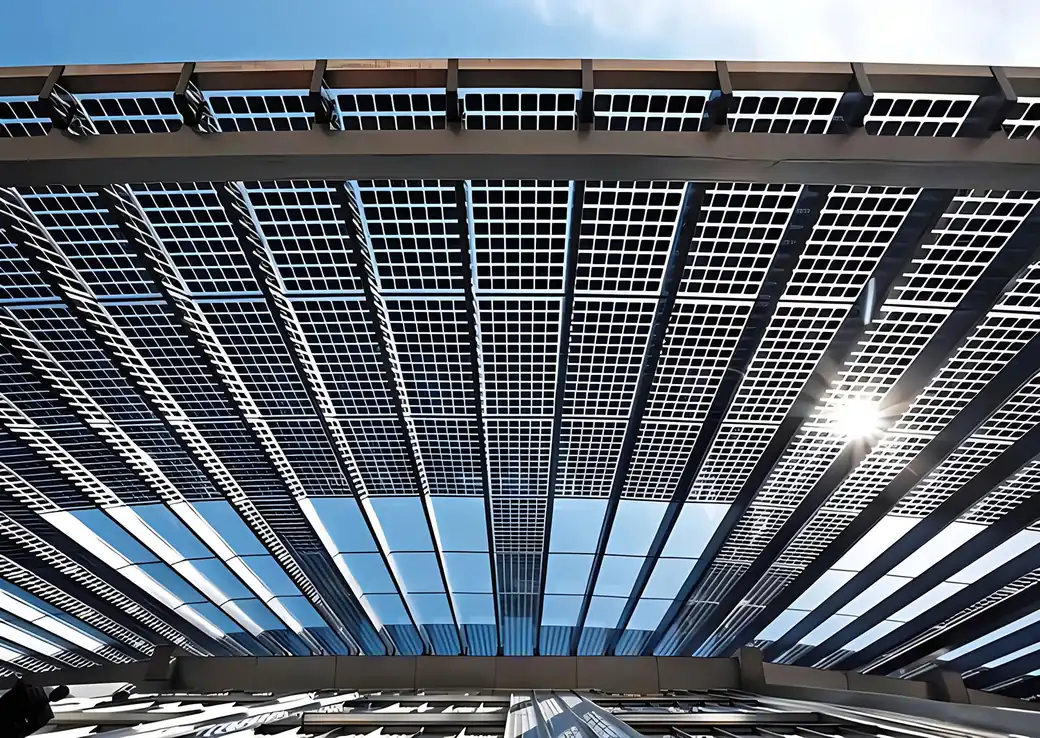
Photovoltaics that have to answer to an architect before they answer to an engineer.
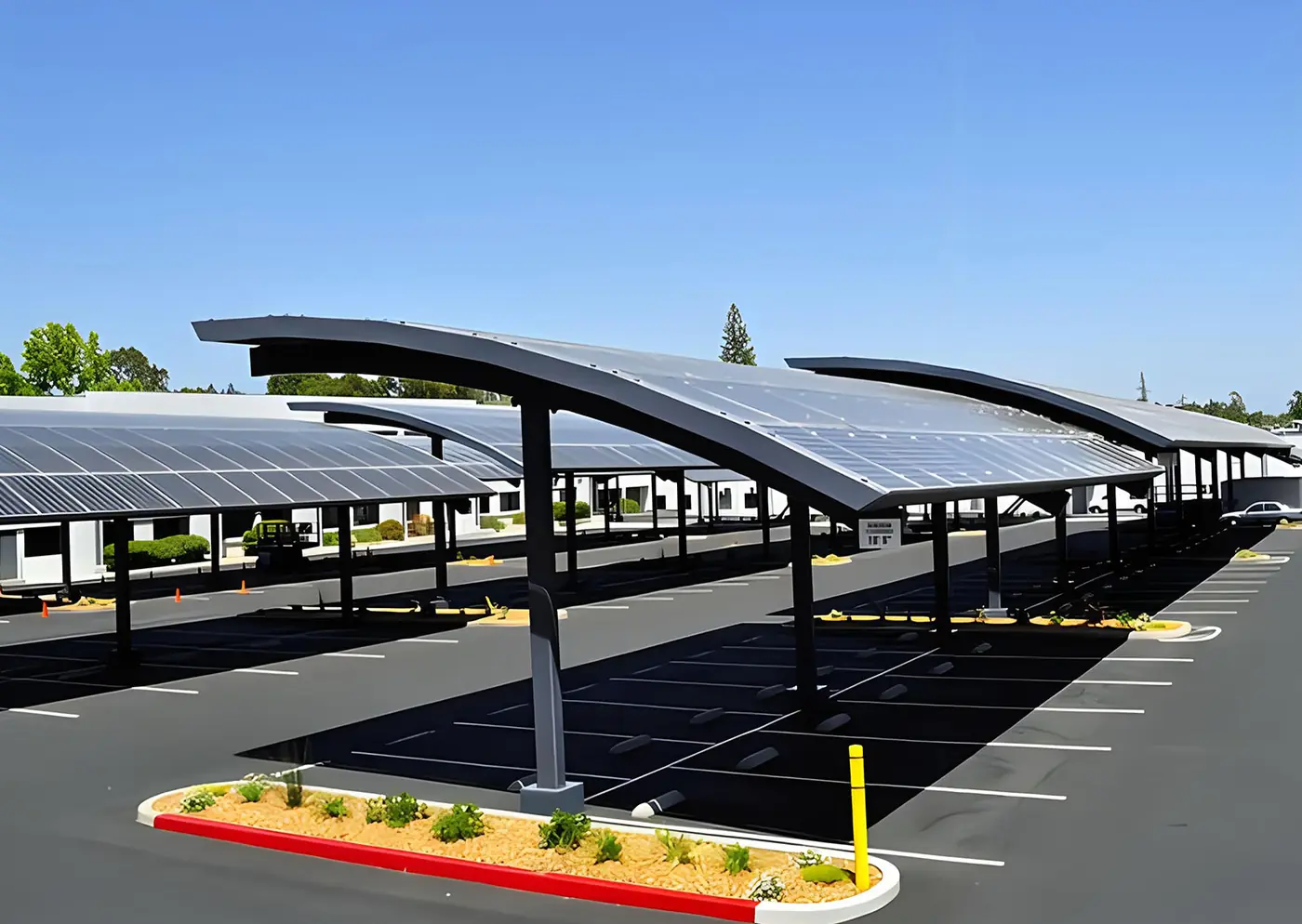
Long spans, public footfall and hail — with charging load underneath.
Vehicle-roof modules qualified for vibration, salt spray and a 250,000 km life.





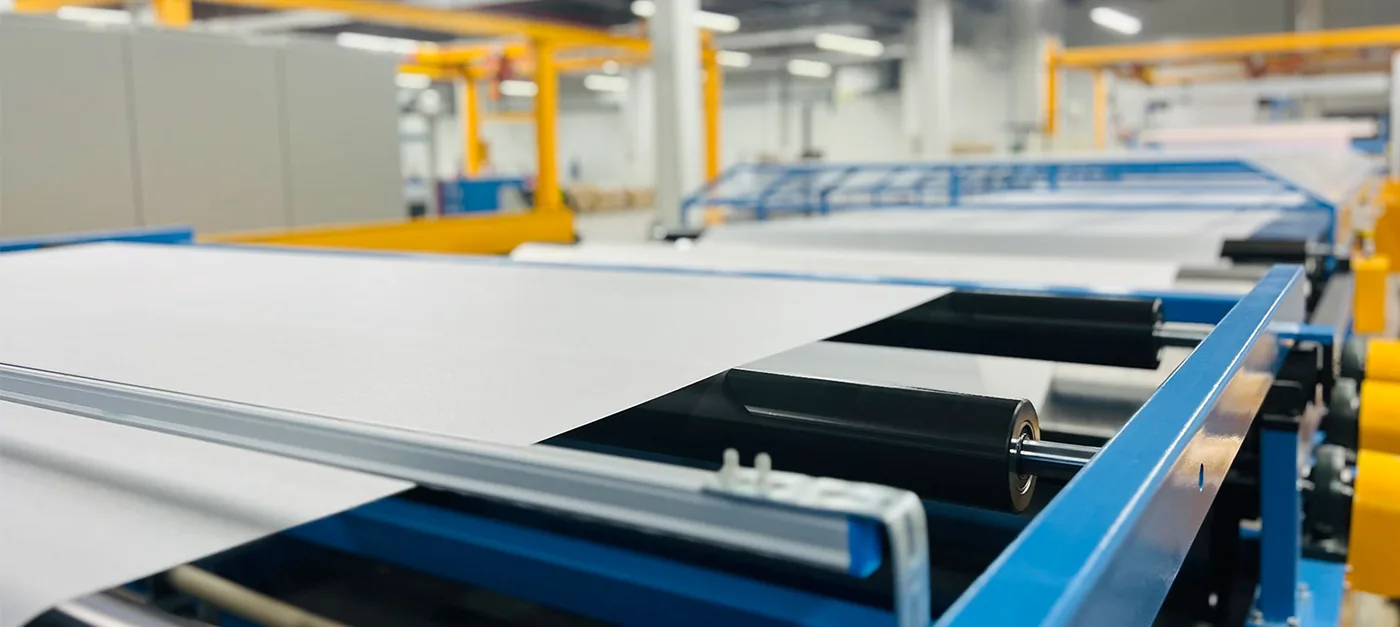
August 31, 2023 — The Phase II PV backsheet production line at Hondol Material’s Suzhou manufacturing base is now fully operational!…
Read more →The sustainable development of the photovoltaic industry is directly linked to China’s socio-economic progress. Supported by the green and low-carbon development philosop…
Read more →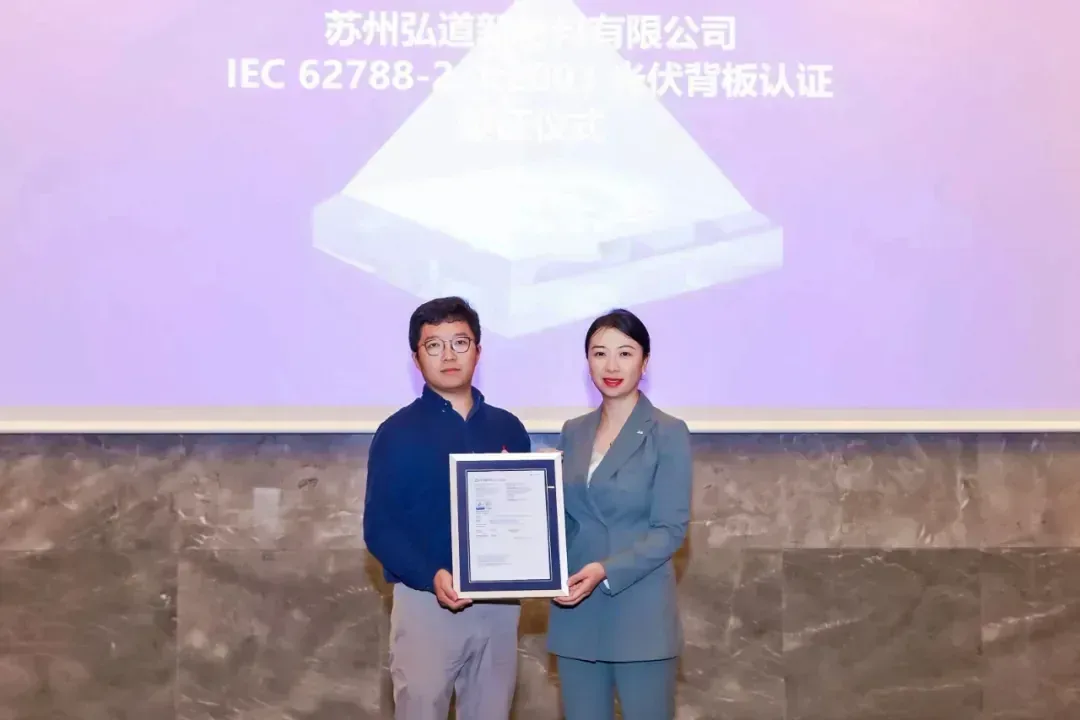
At the Greater China Advanced Solar & Energy Storage Technology Symposium held in Changzhou by TÜV Rheinland, Hondol Material was among the first group of companies to re…
Read more →Four product lines: photovoltaic backsheets, encapsulation films, soft glass and fluoropolymer films, made at the Suzhou base with an annual backsheet capacity of 100 million m². The lightweight modules and complete PV systems are built on those materials.
Both. Module manufacturers buy the backsheets and encapsulant films; project developers buy finished lightweight modules or a complete matched system with inverters, storage and EPC service.
Hondol Material was among the first group of companies awarded TÜV Rheinland IEC 62788-2-1:2023 certification for photovoltaic module front sheets and backsheets — the first international standard written specifically for these products.
Over 70% lighter than traditional glass modules. The flexible 520 W module is 1.8 mm thick and 2.9 kg/m², which is under 30% of a conventional glass module.
No. Every call to action opens an email with the product name already in the subject line, so your enquiry stays in a thread you control rather than in a ticketing system you cannot see.
The Suzhou manufacturing base in Jiangsu, China, and PT. Hondol Material Indonesia in Batam, Kepulauan Riau for customers served from Indonesia.
Send the cell technology, the module construction and the climate the modules are going to. A specification recommendation and a datasheet come back — not a brochure.