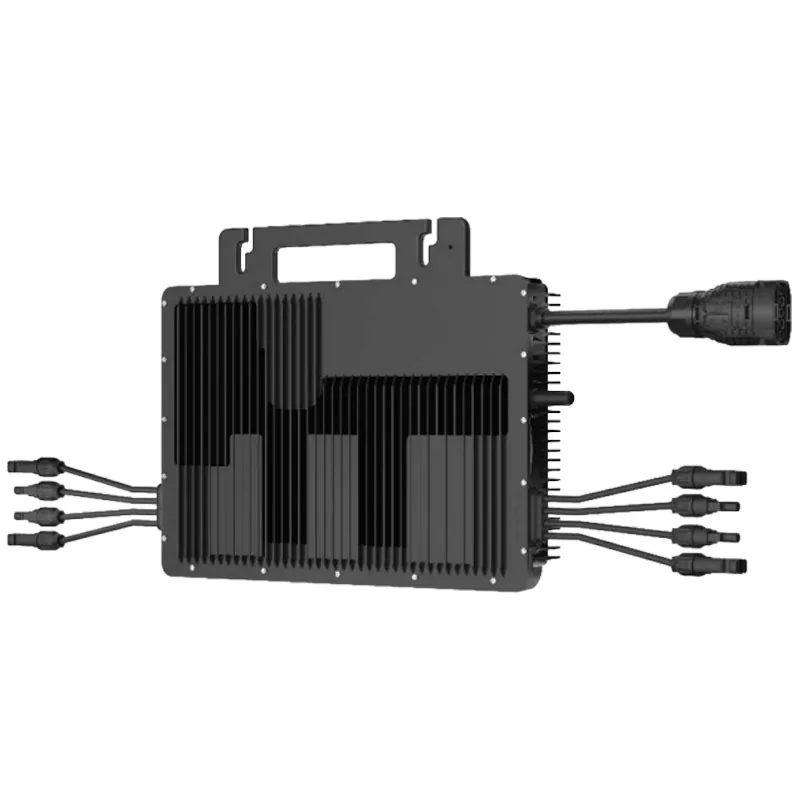
MiT Series
C&I Solar Microinverter
5,000 W three-phase, 20 A input, IP67, with Sub-1G communication stable to 400 metres.
View specification →
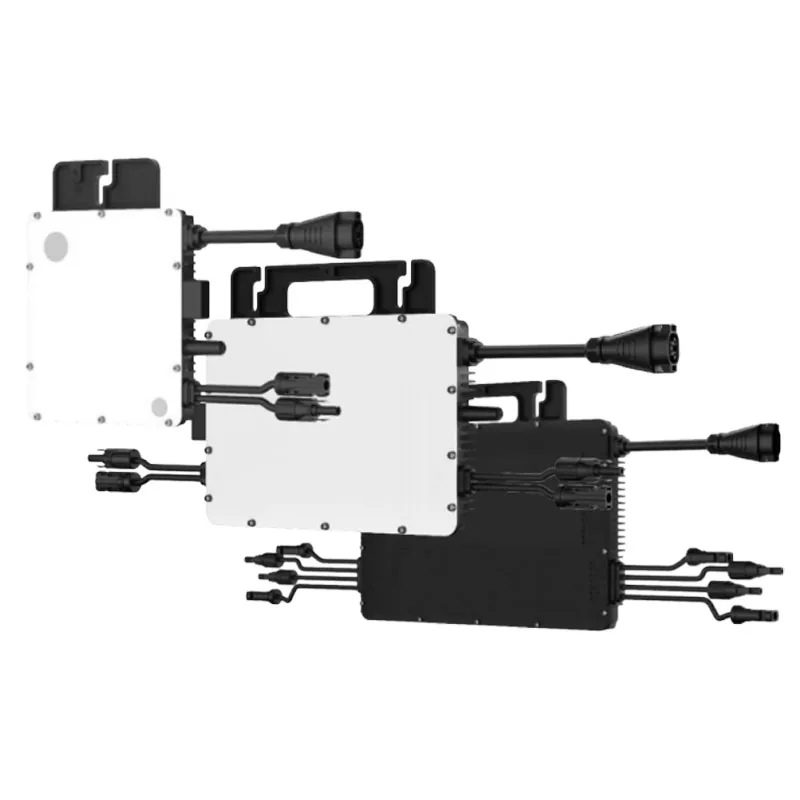
HMS Series
Module-level MPPT under 60 V DC, so one underperforming panel stops costing you the whole roof.
A string inverter wires modules in series, which means the array produces at the level of its weakest member. One chimney shadow, one soiled panel, one cell failure, and the entire string drops with it — and nothing on the roof tells you which module is responsible.
A microinverter breaks that dependency. Each module gets its own maximum power point tracking and its own AC conversion, the rest of the system keeps performing when one module fails, and the roof never carries high-voltage DC.
The manufacturer does not publish a numeric specification table for this product. The performance figures above are as published; a full datasheet with dimensions, electrical data and tolerances is sent by email against the model number and destination market.
Suzhou, Jiangsu, China — and PT. Hondol Material Indonesia, Batam, for customers served from Indonesia.
It is below the threshold at which DC arc and shock risk drive the safety case for a domestic roof, which is the main reason microinverters are specified on housing.
Only that module stops producing. The rest of the array is unaffected, and the monitoring identifies which unit to replace.
Requirements vary by market and are confirmed against your local code at quotation.
Same series first, then the rest of PV System Products.
5,000 W three-phase, 20 A input, IP67, with Sub-1G communication stable to 400 metres.
View specification →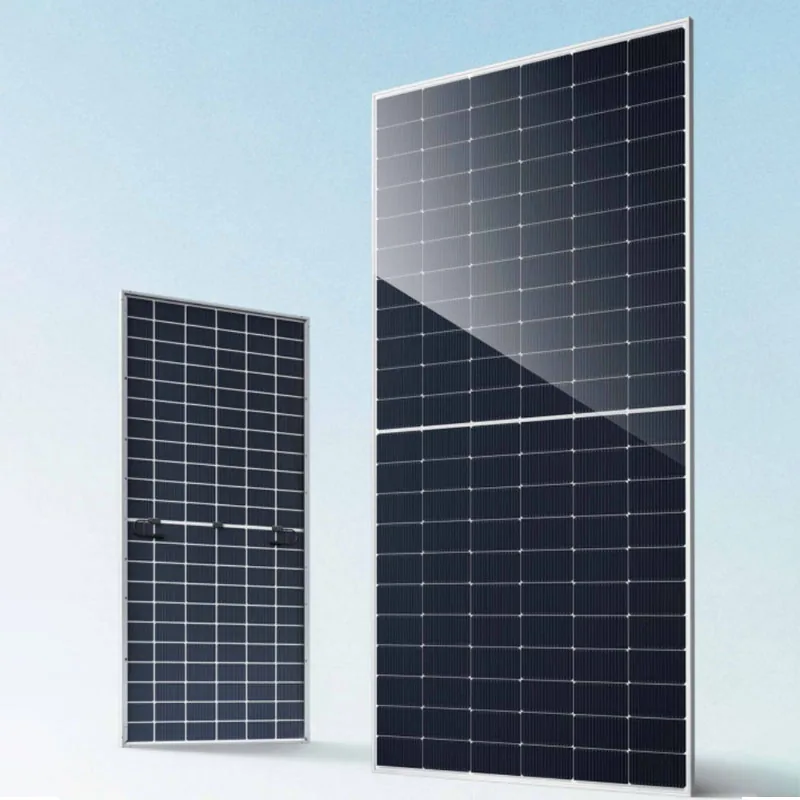
710 W of n-type TOPCon output per module, for projects where the balance-of-system bill is bigger than the module bill.
View specification →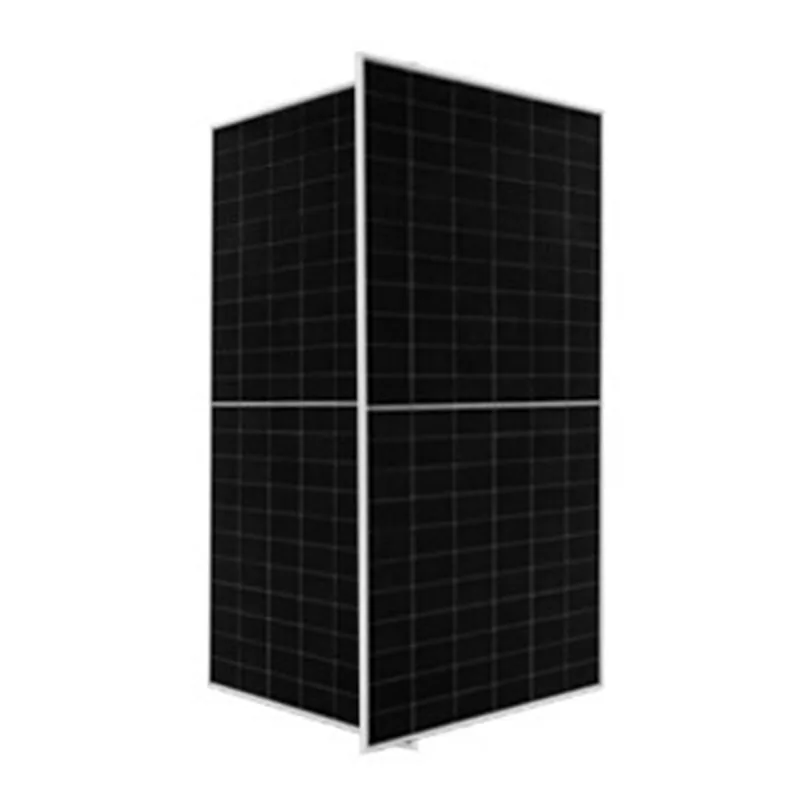
Up to 23% efficiency from n-type bifacial double-glass with MBB half-cell construction, and a low open-circuit voltage that lets you build longer strings.
View specification →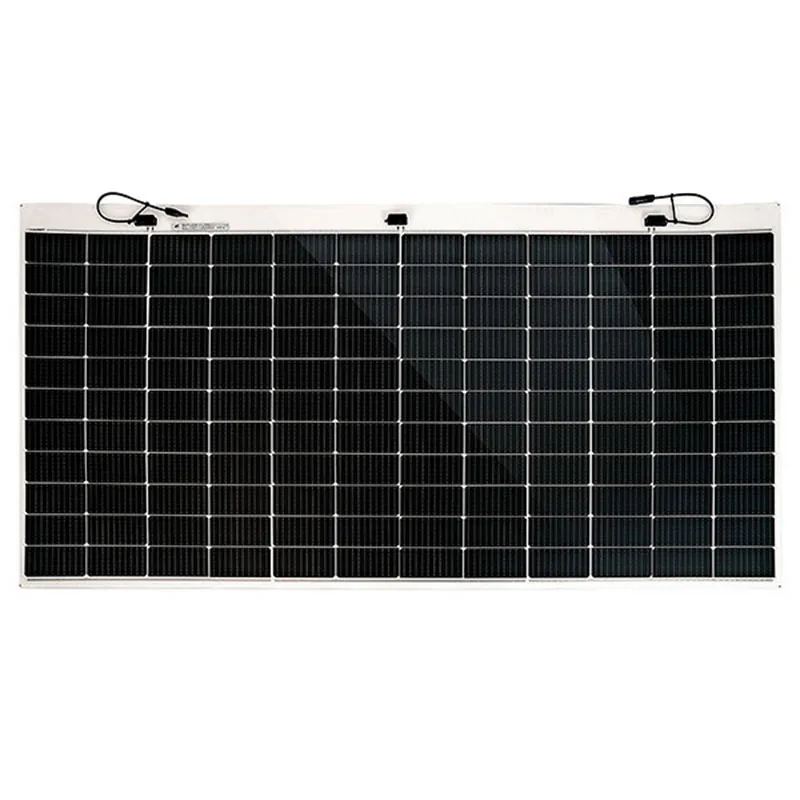
1.8 mm thick, 2.9 kg/m², bends to a 0.3 m radius — the world's first 520 W hail-resistant, micro-crack-free flexible crystalline silicon module.
View specification →Send the module format, the annual volume and the destination market. The reply carries the price, the lead time and the certificate.