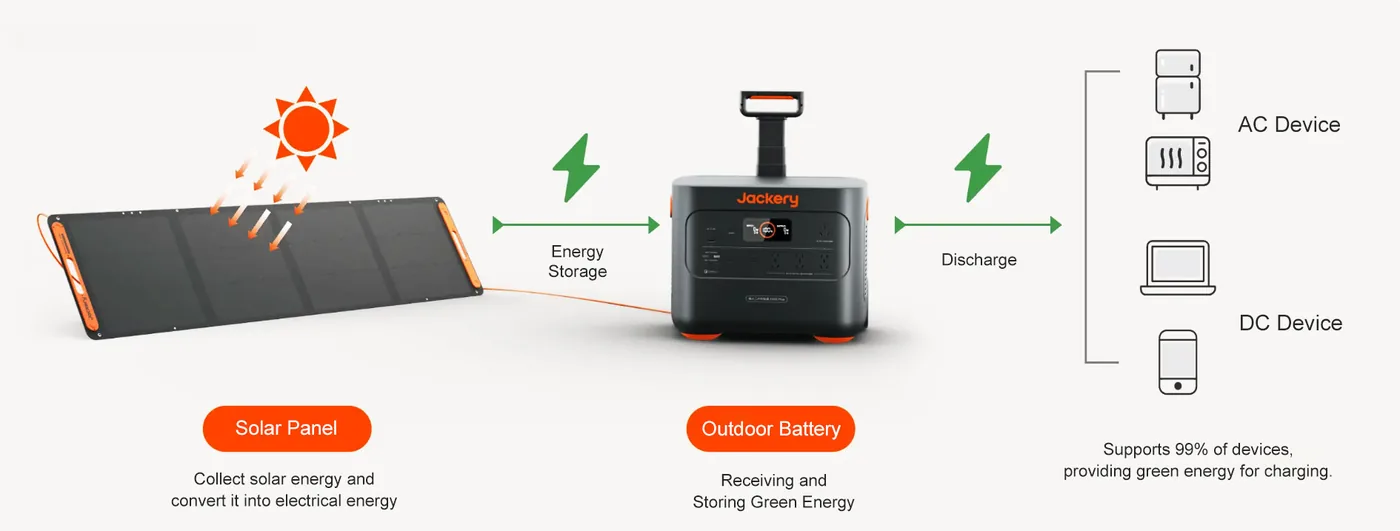
Lightweight PV Module
Finished modules built on Hondol's own encapsulation stack — rooftop, foldable, balcony and automotive.
4 products →
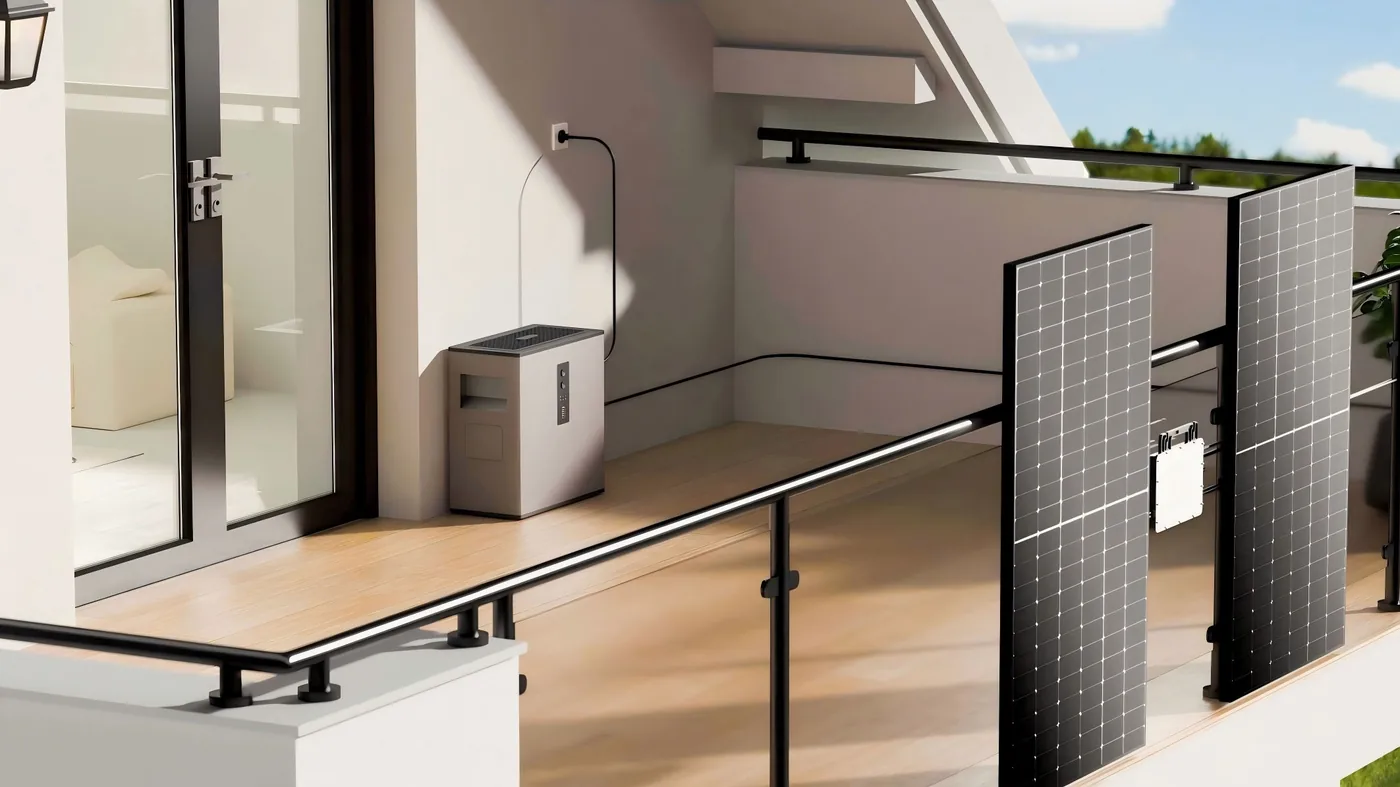
Over 70% lighter than glass modules, so roofs that were written off as non-load-bearing become generating assets.
Most distributed PV projects die on the same two sentences: the roof will not take the load, and the installation is too complicated to be worth it. Hondol's encapsulation technology answers both. Replacing front glass with fluoropolymer film, prepreg and a strengthened backsheet takes a module from roughly 11 kg/m² to under 3 kg/m² while keeping rigidity, impact resistance and a 25-year service life.
That is a disruptive change in project economics rather than a spec-sheet curiosity. Lighter modules cut freight, lift equipment and labour; adhesive fixing removes drilling and hot work from the roof; and the same construction bends to a 0.3 m radius, which opens carports, greenhouses, curved façades, vehicle roofs and portable products that a glass laminate simply cannot serve.
| Products in this line | 12 |
|---|---|
| Series | 4 |
| Made at | Suzhou, Jiangsu, China |
| Certification | TÜV Rheinland IEC 62788-2-1:2023 (front sheets and backsheets) |
Finished modules built on Hondol's own encapsulation stack — rooftop, foldable, balcony and automotive.
4 products →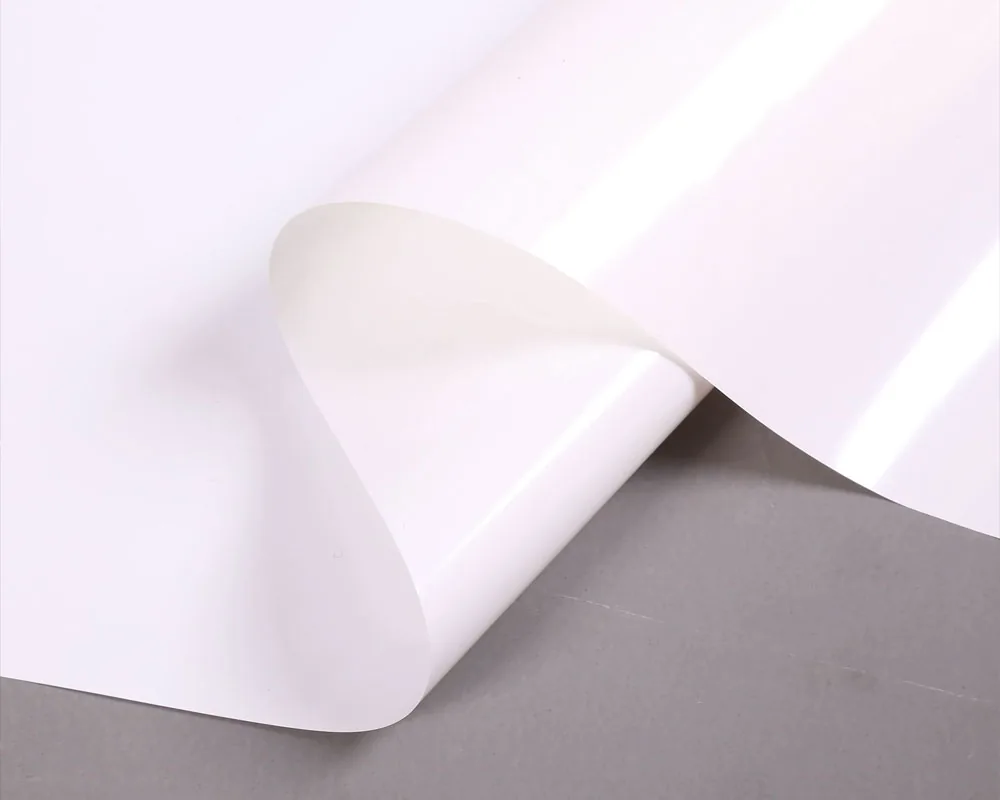
PVDF, ETFE and PF films — the outer skin that replaces front glass.
3 products →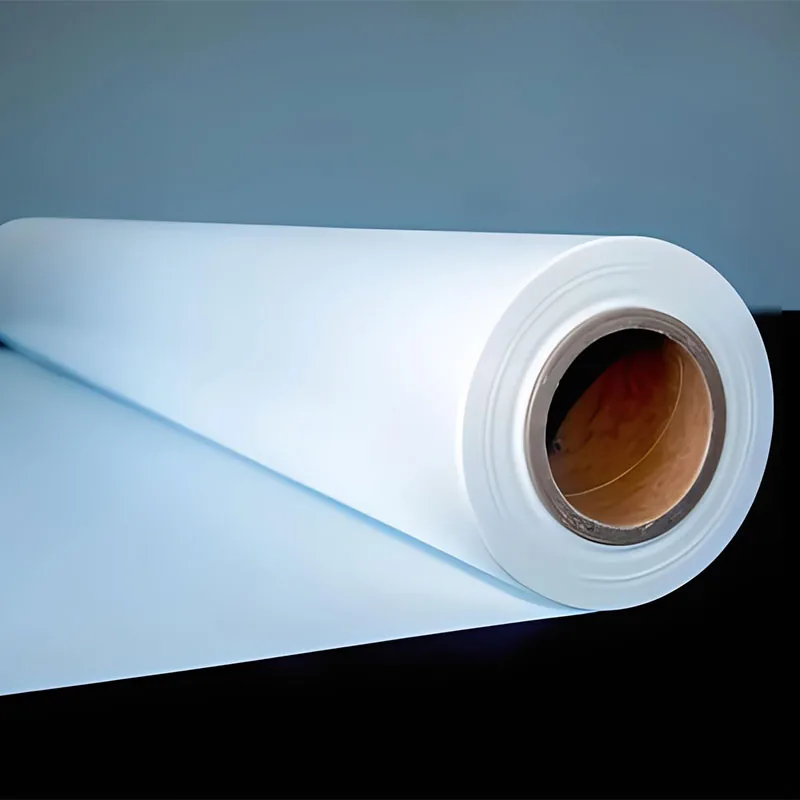
CPC/CDPC sheet, PRG/AGR prepreg and HD-SG strengthened backsheet — the rigidity that glass used to provide.
3 products →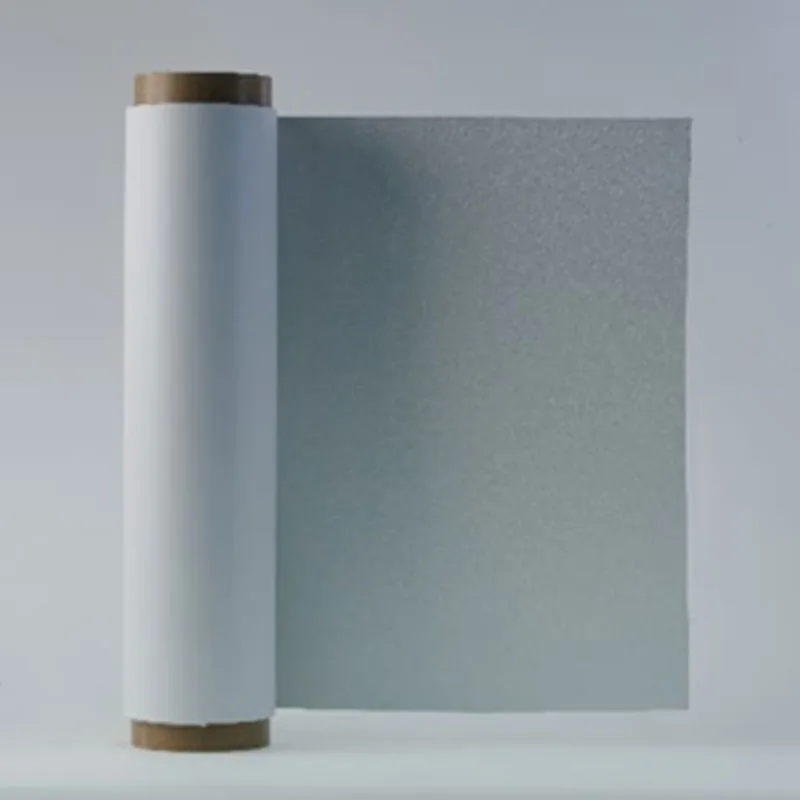
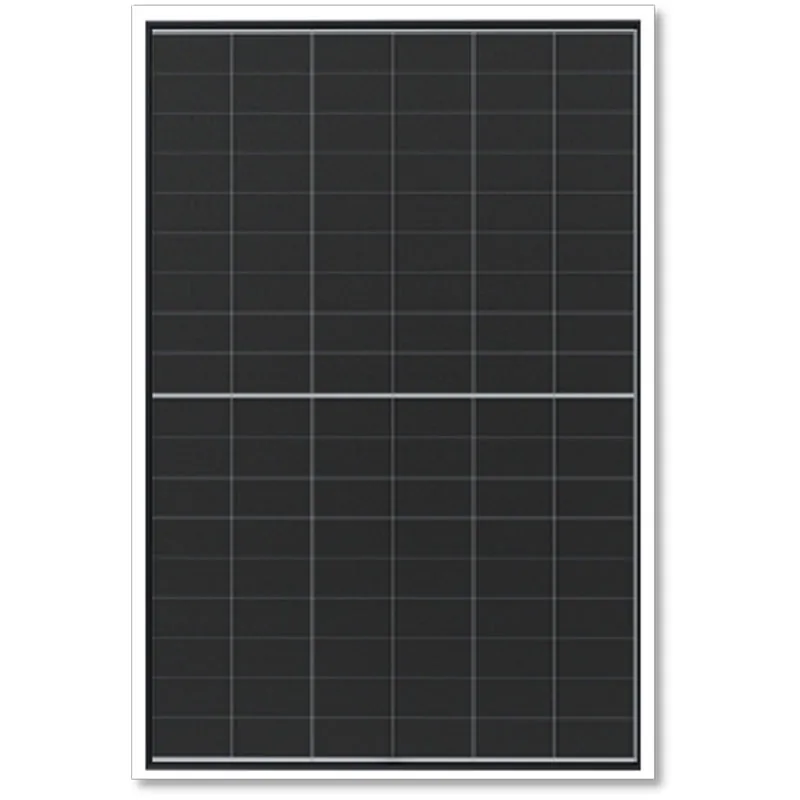
Up to 23.0% deliverable efficiency in a module light enough for a roof that was surveyed as non-load-bearing.
View specification →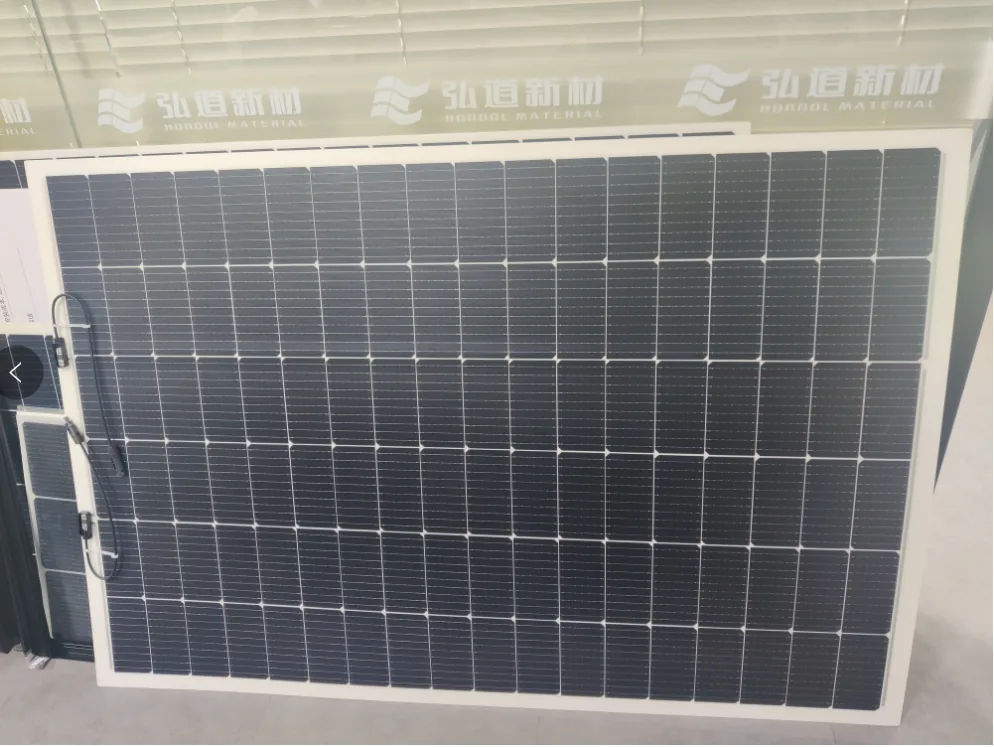
−40°C to 150°C, continuous high-frequency vibration, 15 years or 250,000 km.
View specification →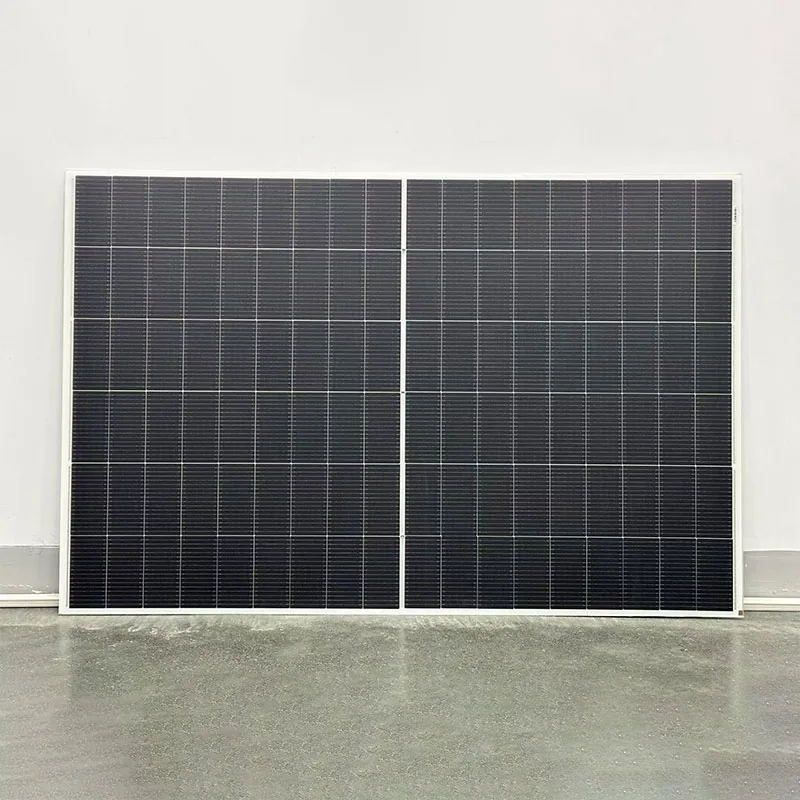
CTM over 95%, 5400 Pa mechanical load tested, hail tested — light enough for one person to hang on a railing.
View specification →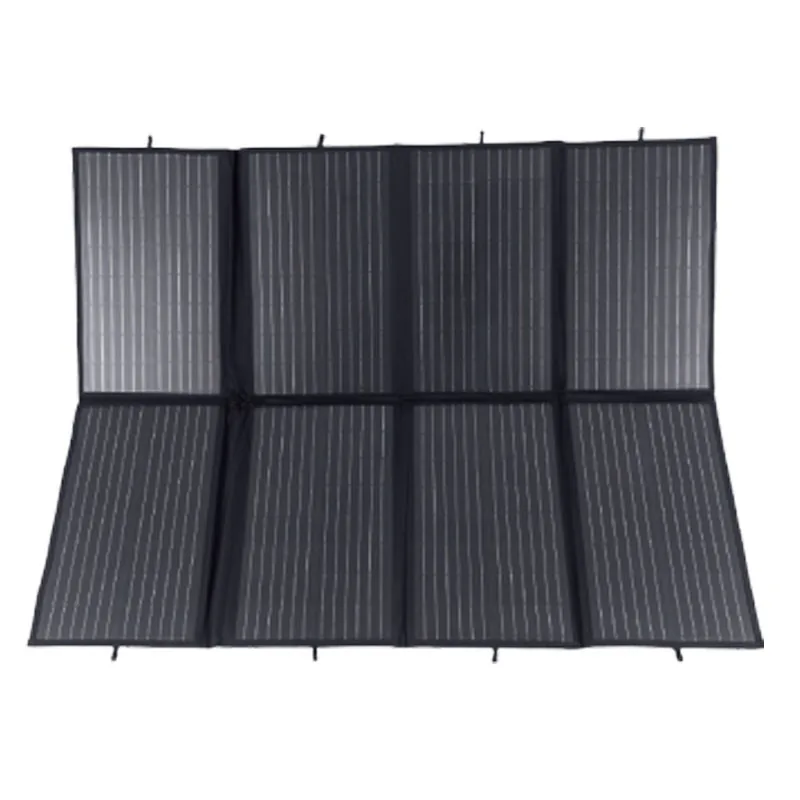
Up to 8 folds and 400 W, carried in one hand, working from −40°C to +85°C.
View specification →10⁻²–10⁻³ g/m²·day water transmission in a 325 µm transparent construction, with PID288 and DH2000 degradation under 2%.
View specification →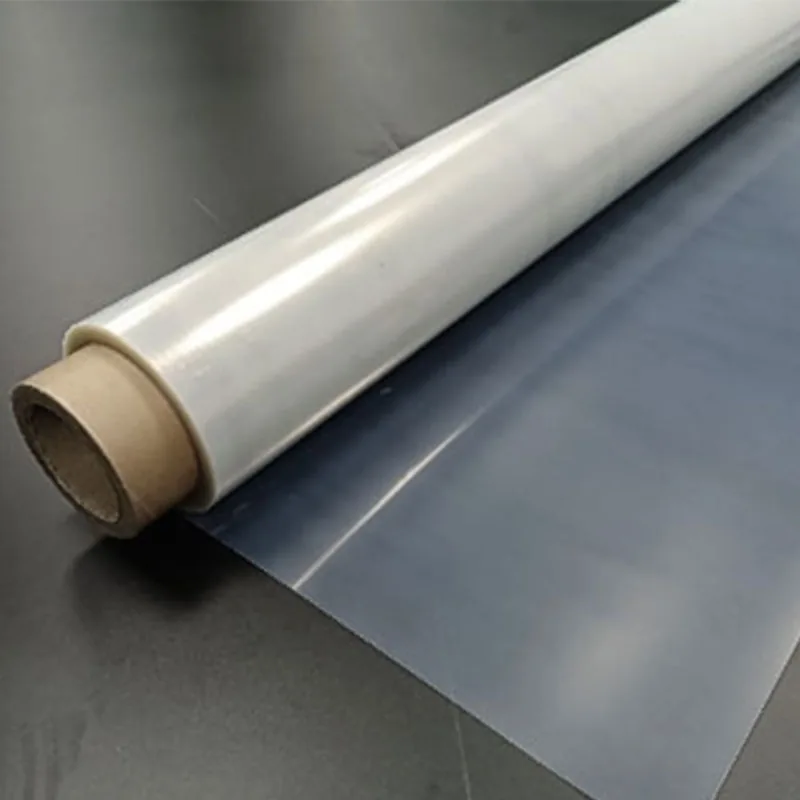
A dedicated water block layer inside the stack, high transmittance, and a 25-year service life.
View specification →Reflectivity above 80% and water transmission below 0.5 g/m²·day, in constructions from 540 µm to 1000 µm.
View specification →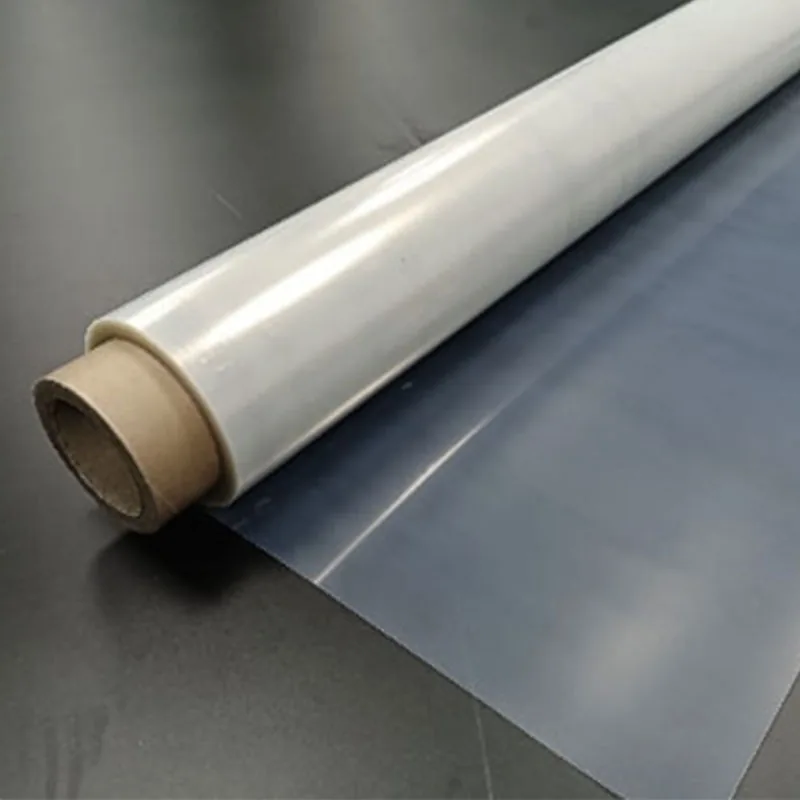
Organic material in place of glass, over 90% transmittance, UV resistance above 500 kWh/m².
View specification →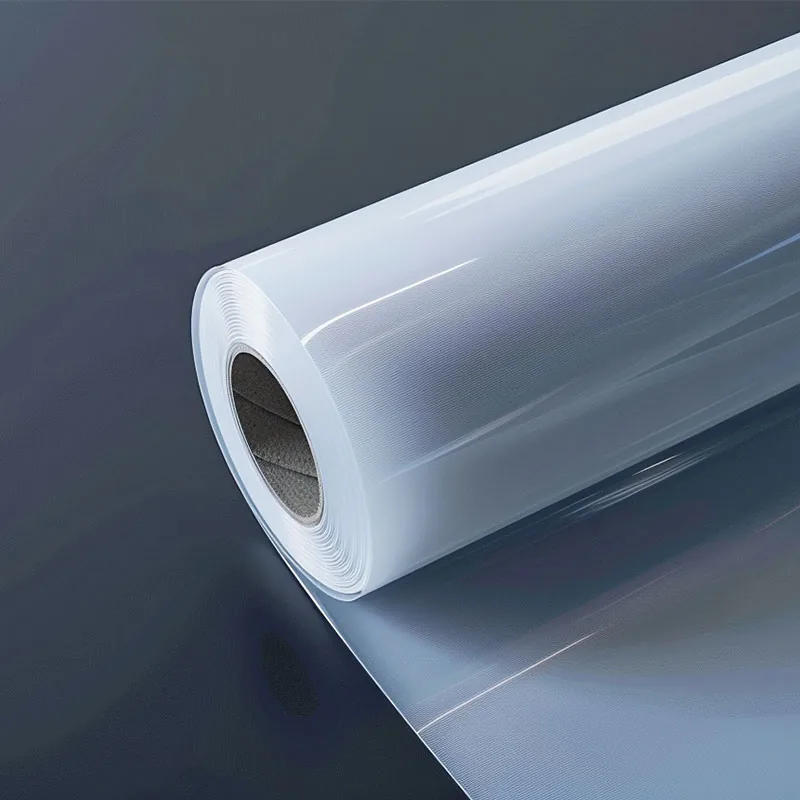
Withstands a 25 mm ball at 16 m/s with ≤5% power degradation, and over 1000 kWh/m² UV resistance.
View specification →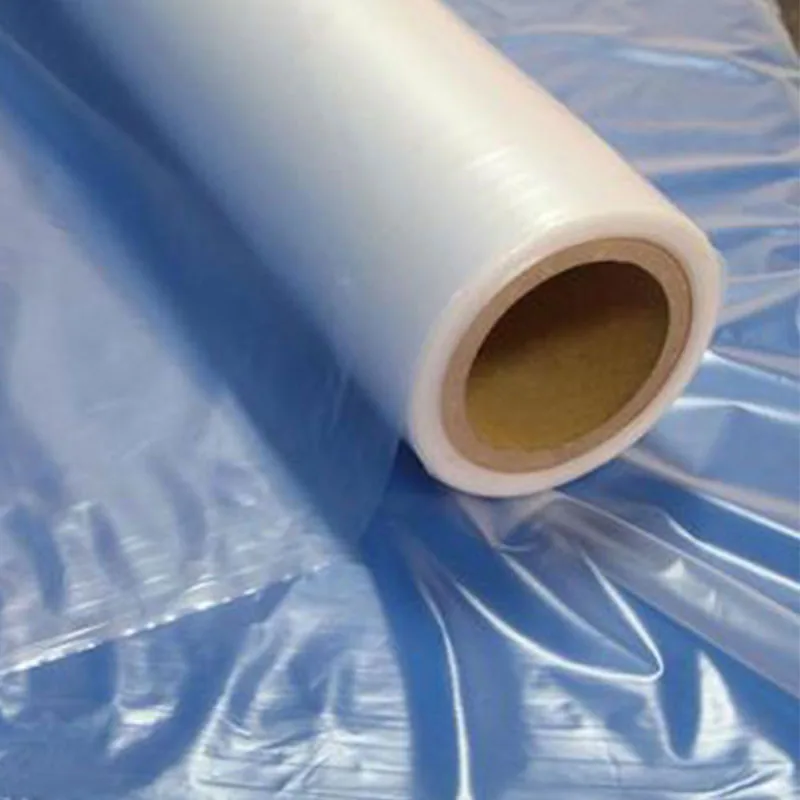
40.5 µm total, over 88% transmittance in the 400–1100 nm band, and over 1000 kWh/m² UV endurance.
View specification →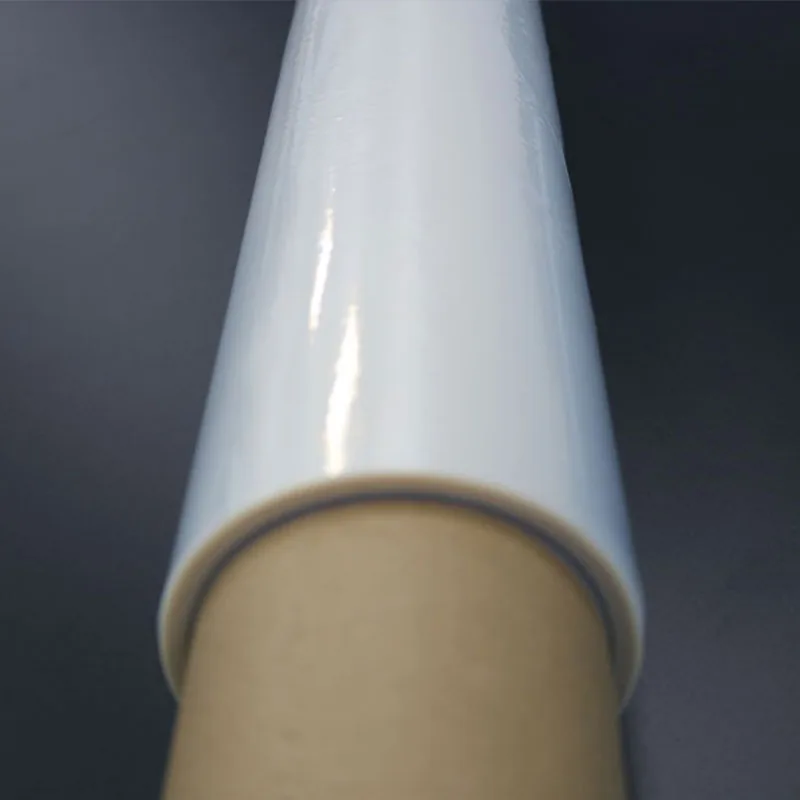
94% transmittance, self-cleaning, unchanged after 25+ years outdoors, UL94 V-0.
View specification →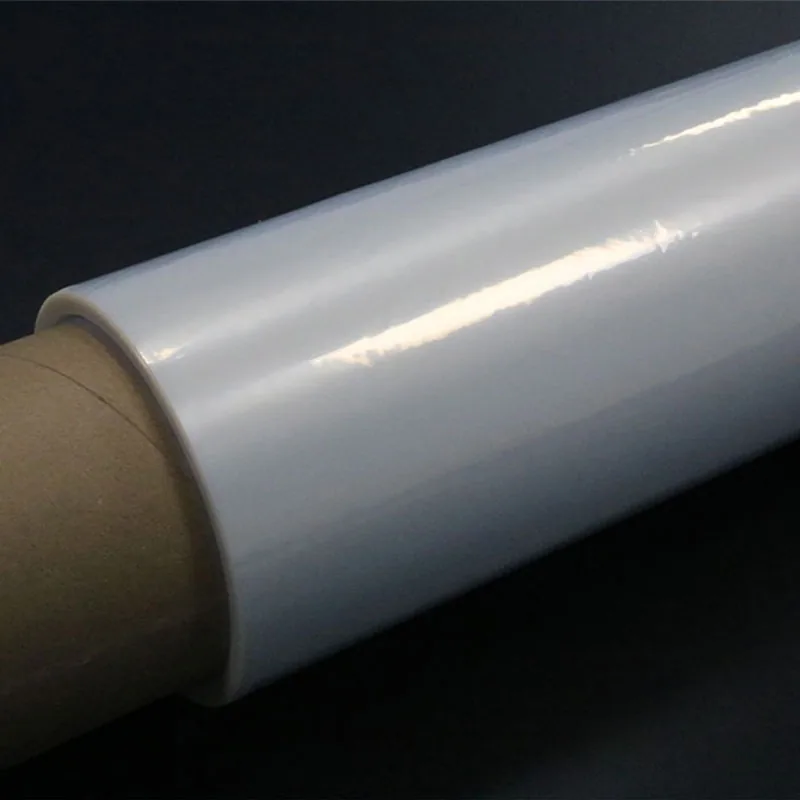
Over 40% fluorine content, no chalking or cracking after 800 kWh/m² UV, and a matte finish under 30 GU.
View specification →Describe the module and the market it ships to. You get a construction recommendation, the datasheet and the certificate — by email, in one reply.