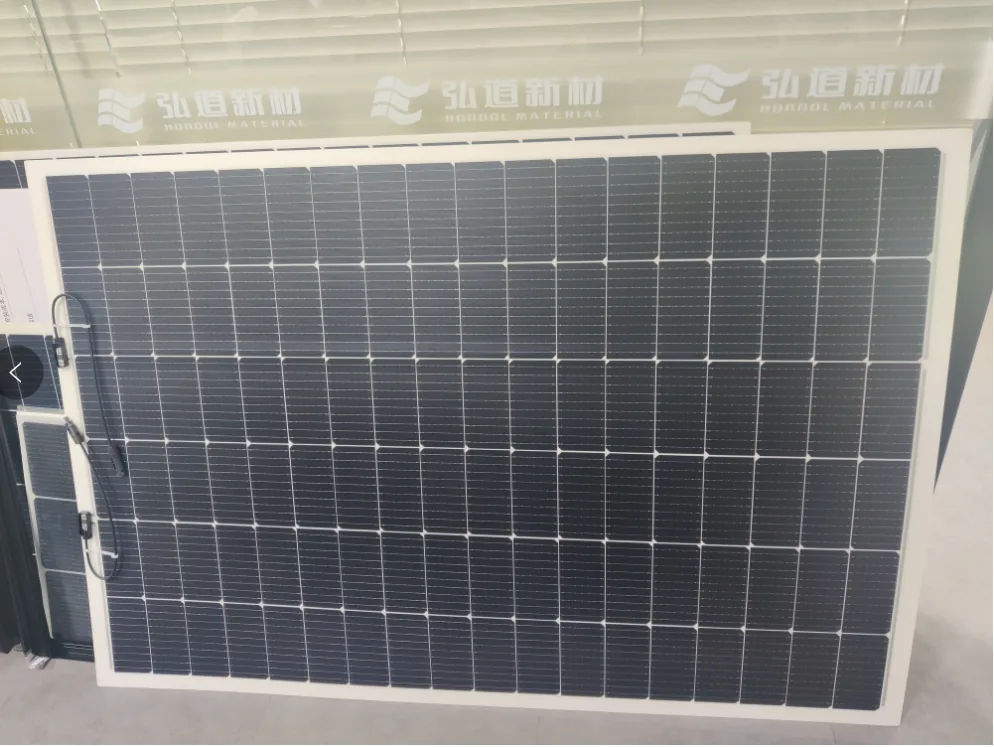
Automotive-Used PV Modules
−40°C to 150°C, continuous high-frequency vibration, 15 years or 250,000 km.
View specification →
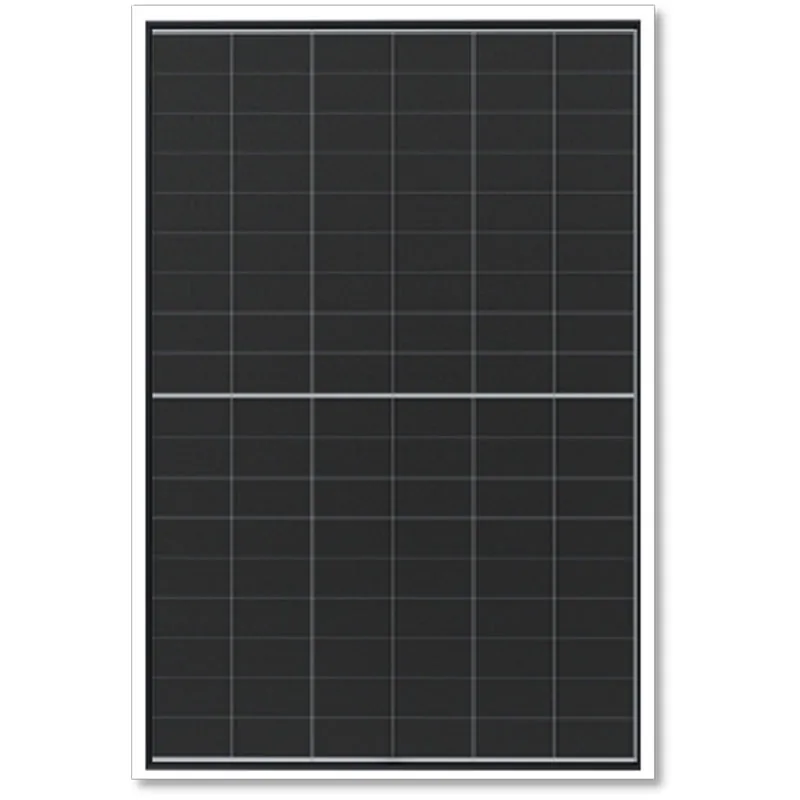
Up to 23.0% deliverable efficiency in a module light enough for a roof that was surveyed as non-load-bearing.
Industrial roofs are where distributed PV should be built and mostly is not. The survey comes back saying the deck will not take the load, the owner will not accept drilling, and the project is dead before the yield model is even opened.
These modules are built on Hondol's own encapsulation stack — ETFE or PF front film, HD-PGR anti-cracking prepreg, HD-SG-P backplate — so the weight comes out without the efficiency or the service life coming out with it.
The manufacturer does not publish a numeric specification table for this product. The performance figures above are as published; a full datasheet with dimensions, electrical data and tolerances is sent by email against the model number and destination market.
The layer stack this module is built from. Every layer is a Hondol product and can be supplied separately to module manufacturers.
Suzhou, Jiangsu, China — and PT. Hondol Material Indonesia, Batam, for customers served from Indonesia.
ETFE where transmittance and a self-cleaning surface matter most; PF where water blocking and a thinner front layer matter more. Both run over HD-PGR prepreg and an HD-SG-P backplate.
Both are offered. The n-type ABC construction reaches 23.0% with a −0.26%/°C temperature coefficient; the n-type lightweight rigid version reaches 22.6% using SMBB technology.
Yes. Every layer in the packaging scheme is a Hondol product and is sold separately to module manufacturers.
Same series first, then the rest of Lightweight PV Solutions.
−40°C to 150°C, continuous high-frequency vibration, 15 years or 250,000 km.
View specification →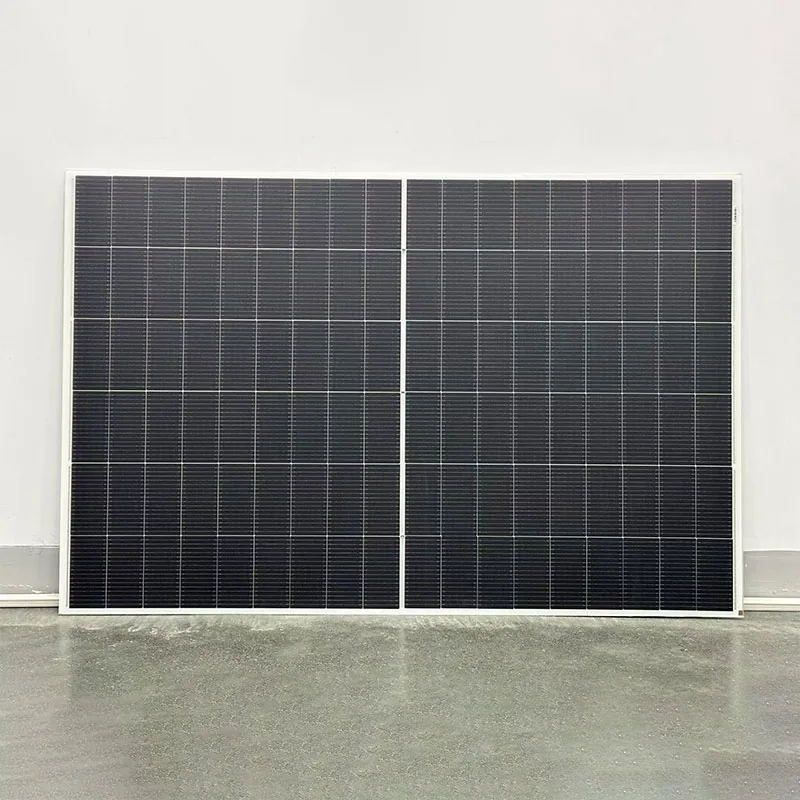
CTM over 95%, 5400 Pa mechanical load tested, hail tested — light enough for one person to hang on a railing.
View specification →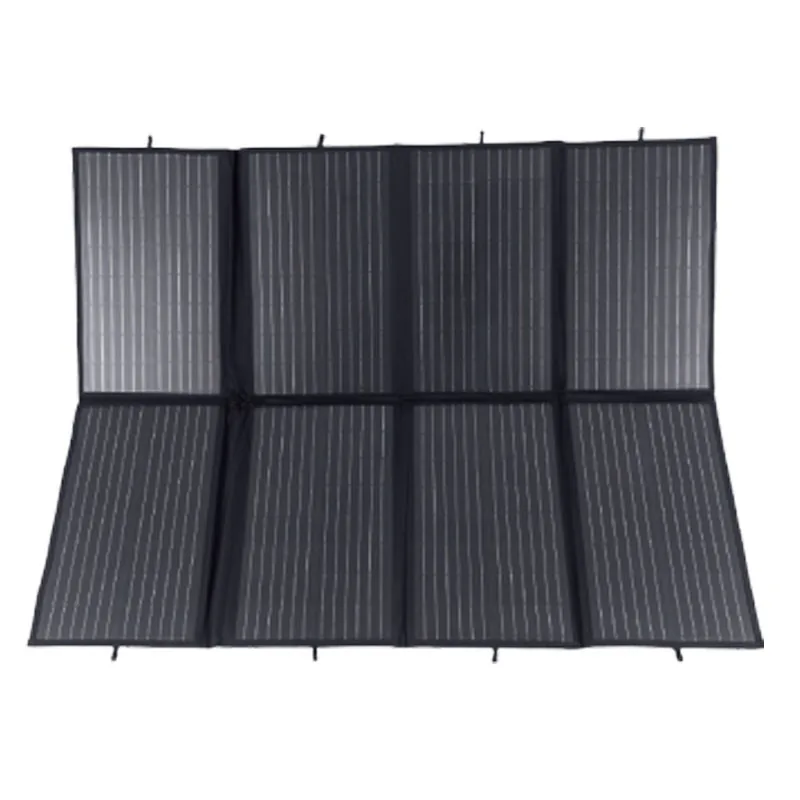
Up to 8 folds and 400 W, carried in one hand, working from −40°C to +85°C.
View specification →
10⁻²–10⁻³ g/m²·day water transmission in a 325 µm transparent construction, with PID288 and DH2000 degradation under 2%.
View specification →Send the module format, the annual volume and the destination market. The reply carries the price, the lead time and the certificate.