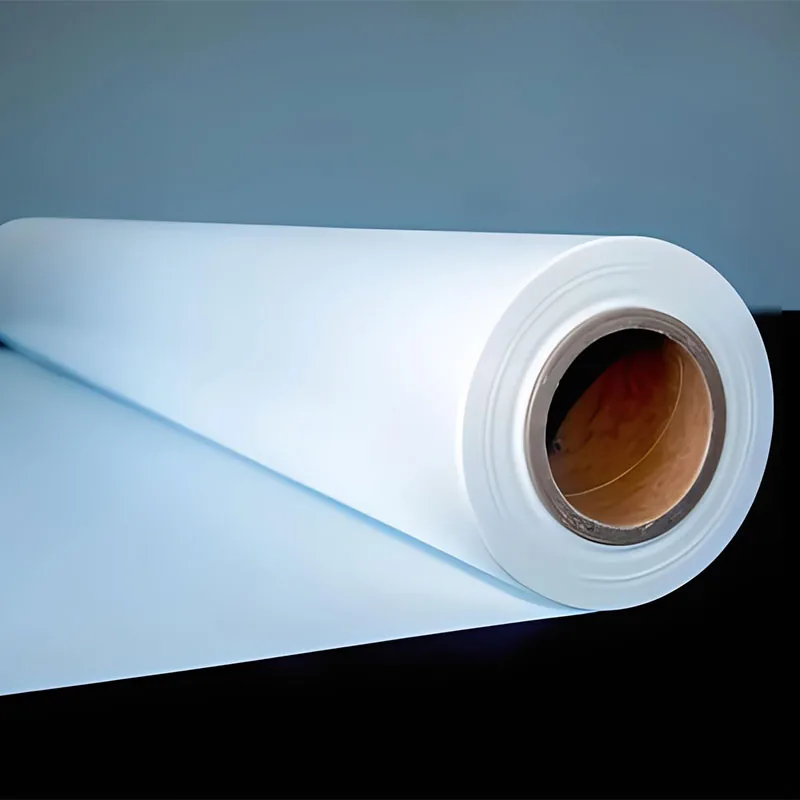
HD-SG-F / HD-SG-S / HD-SG-N / HD-SG-T
HD-SG
Reflectivity above 80% and water transmission below 0.5 g/m²·day, in constructions from 540 µm to 1000 µm.
View specification →
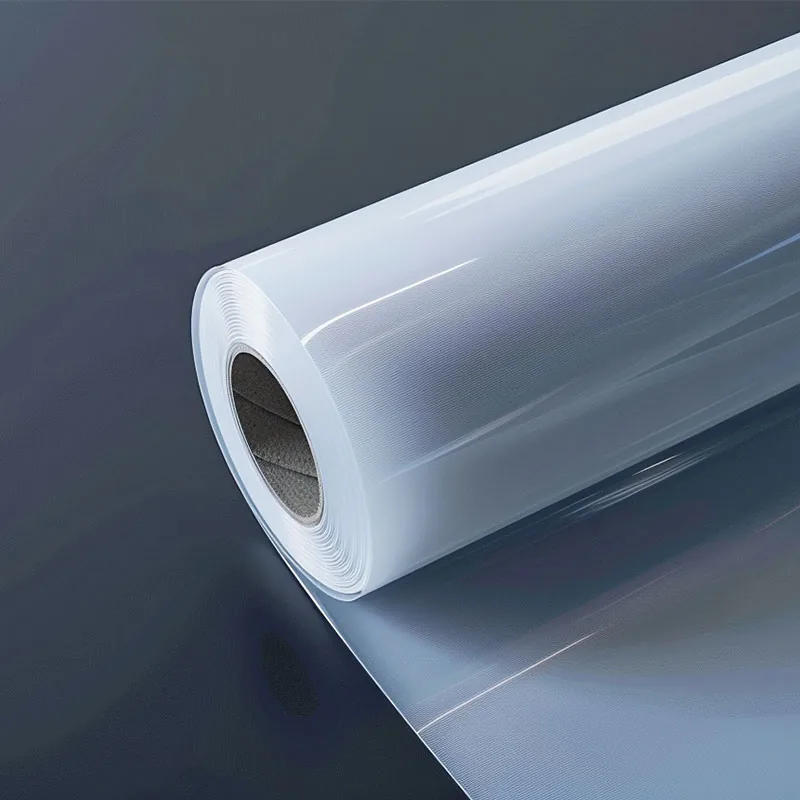
HD-PGR / HD-AGR
Withstands a 25 mm ball at 16 m/s with ≤5% power degradation, and over 1000 kWh/m² UV resistance.
Hail is what kills glassless modules, and it does not kill them by breaking the surface. The impact travels through to the cells and leaves micro-cracks that show up months later as a yield shortfall nobody can trace.
The prepreg layer is the impact absorber that stops that. At 100–160 µm it sits between the front sheet and the cells, taking a 25 mm ball at 16 m/s with no significant visual defect and power degradation held to 5% or less.
| Product Structure | Prepreg Layer: 110μm, Impact Resistance and Adhesion | |
|---|---|---|
| Product Type | Insulating back sheet for crystalline silicon terrestrial photovoltaic (PV) modules | HD-HGR |
| Product Code | HD-HGR | |
| Product Name | Transparent | |
| Thickness | Prepreg:100μm~ 160um | |
| Color | Transparent |
Values as published by the manufacturer. Tolerances and roll formats are confirmed in writing per order.
High storage stability; warranty period is three months under cool, dry storage. Storage below 40°C and under 35% humidity is recommended, and laminating process generality should be evaluated after that period.
Suzhou, Jiangsu, China — and PT. Hondol Material Indonesia, Batam, for customers served from Indonesia.
Prepreg is a partially cured material, so its shelf life is genuinely shorter than a finished film. Store below 40°C and under 35% humidity, and re-evaluate lamination behaviour after three months.
Between the front film and the cells, as the anti-cracking layer — for example ETFE front film, HD-PGR prepreg, HD-SG-P backplate.
The prepreg layer runs 100 µm to 160 µm, with a 110 µm nominal construction for impact resistance and adhesion.
Same series first, then the rest of Lightweight PV Solutions.
Reflectivity above 80% and water transmission below 0.5 g/m²·day, in constructions from 540 µm to 1000 µm.
View specification →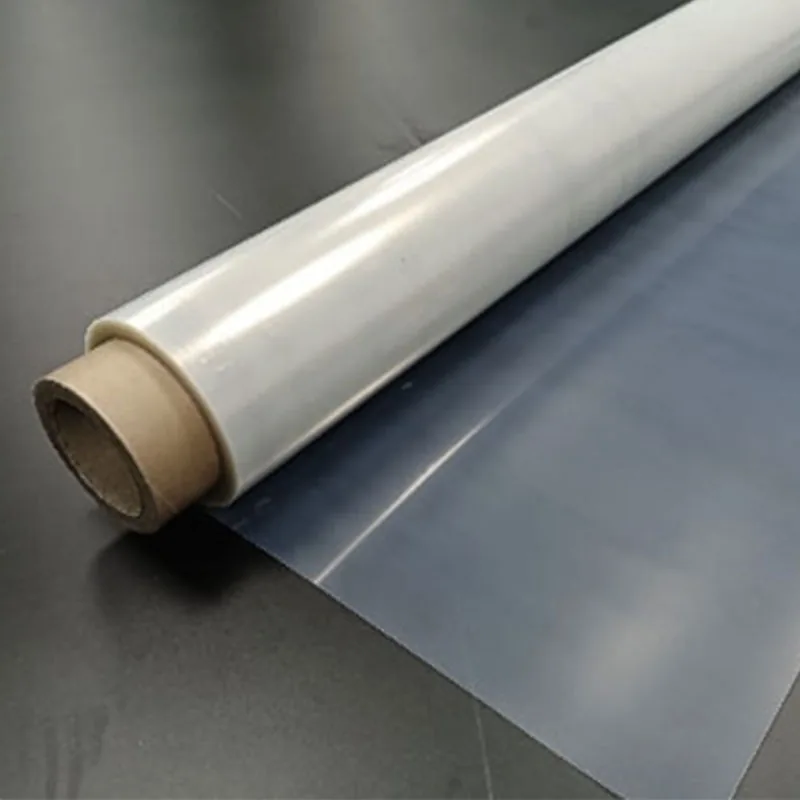
Organic material in place of glass, over 90% transmittance, UV resistance above 500 kWh/m².
View specification →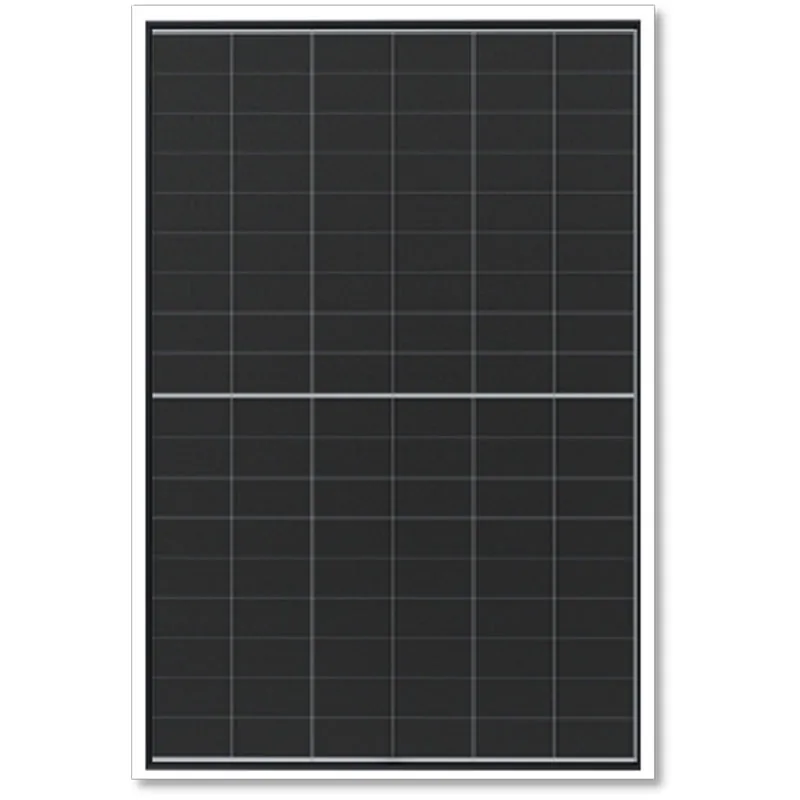
Up to 23.0% deliverable efficiency in a module light enough for a roof that was surveyed as non-load-bearing.
View specification →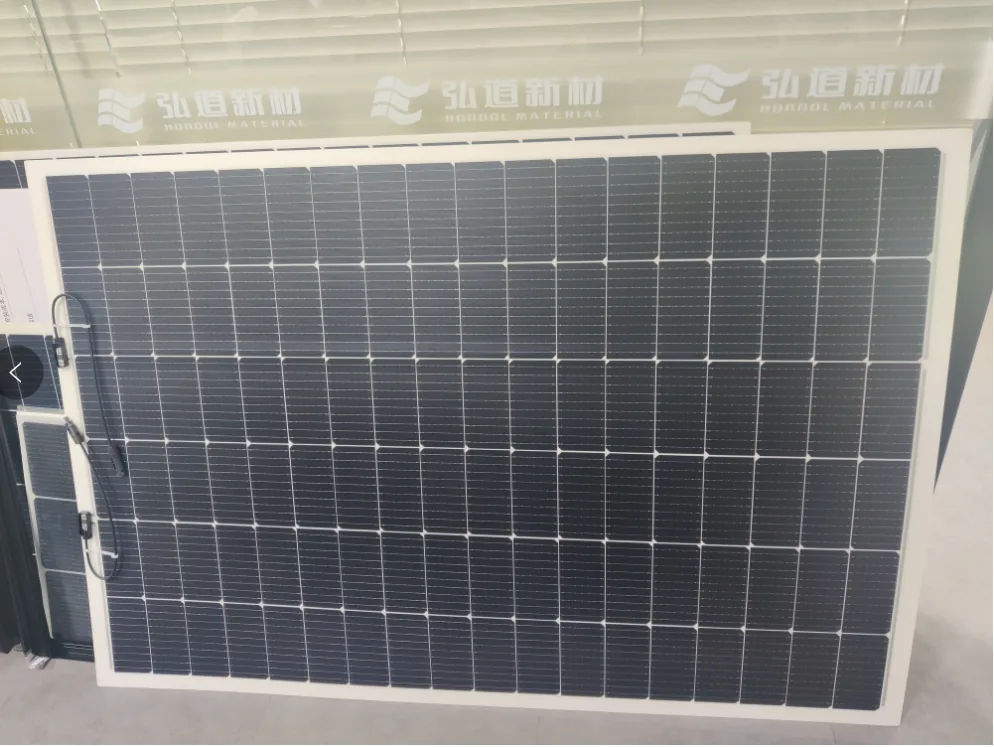
−40°C to 150°C, continuous high-frequency vibration, 15 years or 250,000 km.
View specification →Send the module format, the annual volume and the destination market. The reply carries the price, the lead time and the certificate.