
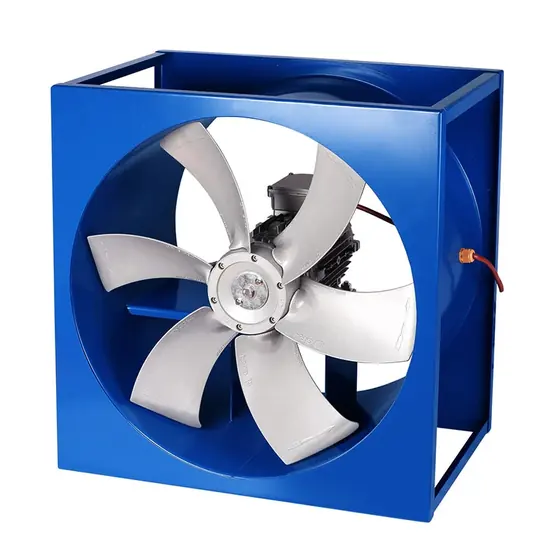
 High Temperature Axial Fan
GKF GKT Drying Fan
Rated for 130 C ambient and 98 percent humidity, in eleven diameters and four mounting types, for paint lines, tobacco, rubber, pharmaceutical and timber drying.
Products
HVLS Ceiling FanHVLS Floor FanWall FanHigh Temperature Axial FanDiesel GeneratorAll ProductsIndustries
Warehouse and LogisticsManufacturing WorkshopsCommercial and Public SpacesAgriculture and LivestockExdIIBT4 marked to GB3836.2 and IEC 60079 for Zone 1 and Zone 2 areas, in four mounting types and six diameters.
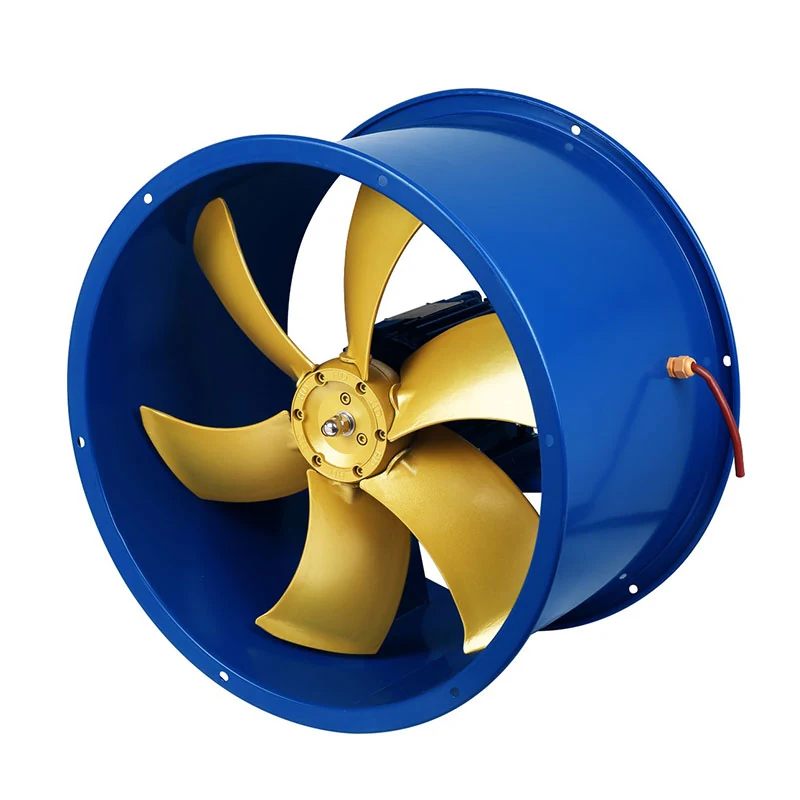
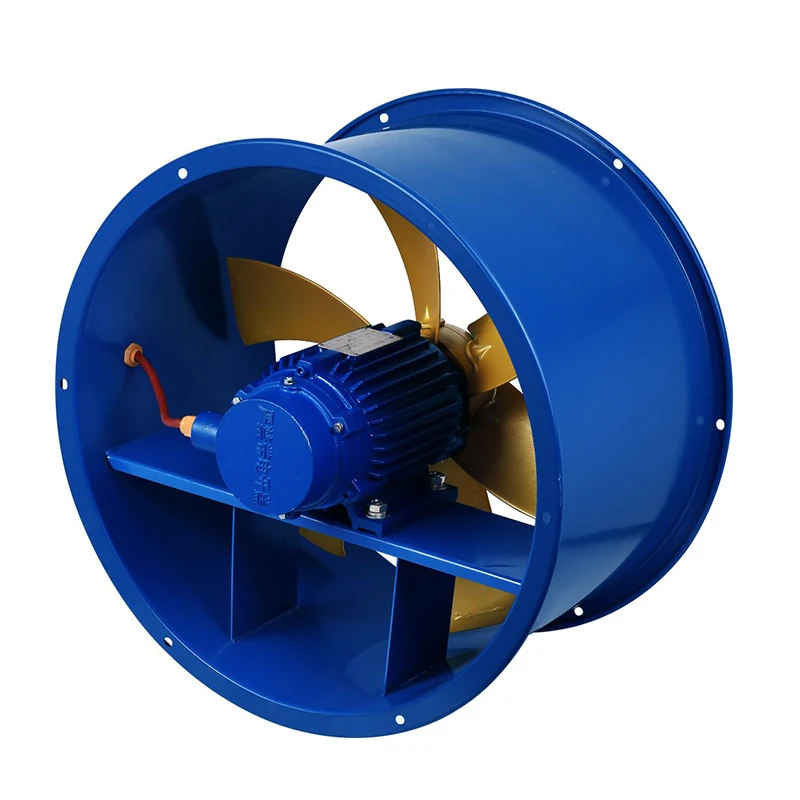
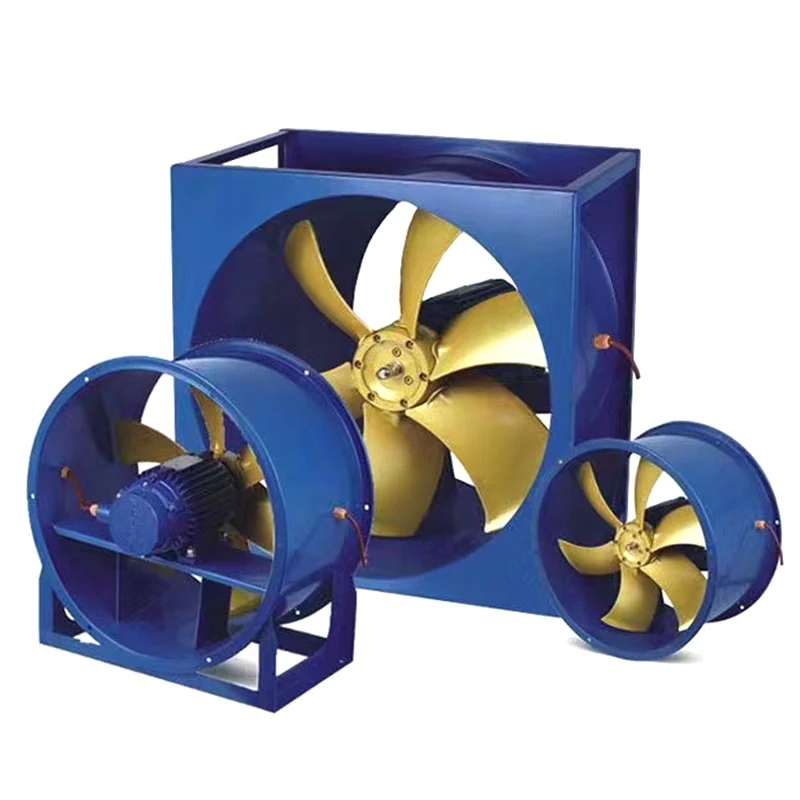
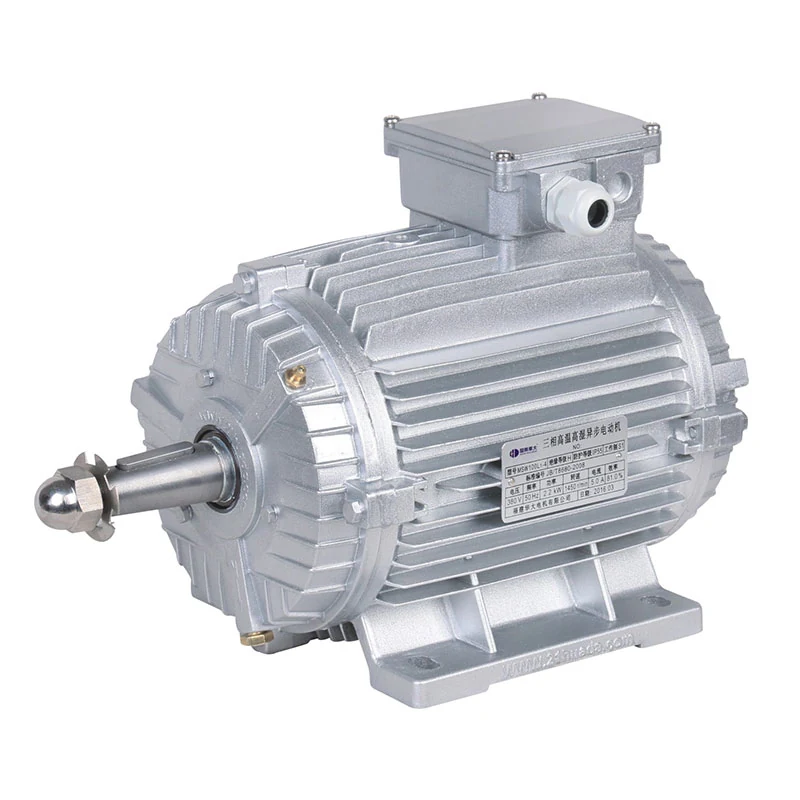
The CBF series is built from an explosion-proof motor, blades, hairdryers and panels. The fan duct and panel use a high-quality steel plate welded shell with a plastic sprayed surface, and the blade is aluminium alloy casting. Wiring is through steel pipe and cable.
The executive standard is GB3836.2 and IEC 60079, and the explosion-proof product marking is ExdIIBT4. The fan is applicable to sites with an explosive gas mixture in Zone 1 and Zone 2 areas, class IIA and class IIB explosive gas environments, with the temperature group following T4. The motor is H class insulation production.
It is used in barns, workshops, laboratories, petroleum production and refining, storage, chemical and medical environments and other explosive dangerous environments, mainly for ventilation and cooling. The fans are additionally rated as ATEX explosion proof, ATEX being the two EU directives describing working rules for environments with an explosive atmosphere.
ExdIIBT4 against GB3836.2 and IEC 60079, for IIA and IIB gas environments in temperature group T4. Ventilation in a hazardous area is either marked correctly or it is not installed.
Wall type, fixed type, pipeline type and square type, so a refinery or chemical plant can standardise on one certified product across different openings.
Aluminium alloy casting for the blade with a steel plate welded shell and plastic sprayed surface, which is the combination the marking is issued against.
H class 180 C insulation, all-copper windings and Japanese high-temperature grease, so a hot hazardous area does not need a second product.
In Zone 1 and Zone 2 a standard fan is simply not allowed. ExdIIBT4 marking is what makes the installation possible at all.
Continuous ventilation and cooling is the control measure in refining, chemical, medical and laboratory buildings, and it has to be certified equipment doing it.
The fans are rated as ATEX explosion proof against the two EU directives that describe working rules for explosive atmospheres.
A refinery or a chemical building is rarely cool. H class 180 C insulation and high-temperature grease mean the motor is rated for both conditions at once.
Executive standard GB3836.2 and IEC 60079, for IIA and class IIB explosive gas environments in temperature group T4, in Zone 1 and Zone 2 areas.
The wiring method is part of the certified construction, not an installation choice made on site.
High-quality steel plate welded shell with a plastic sprayed surface, and aluminium alloy casting for the blade.
100 percent copper motor with H class insulation using modified polyester imide enamelled wire, resistant to ageing and burnout, able to operate in high-temperature and high-humidity vapour environments.
The motor shell is aluminium alloy and the fastening pieces are stainless steel and copper, designed around the blower-pump load characteristic.
Rust resistant, with the fan angle adjusted to the client requirement.
Every figure below comes from our own specification. Where a value depends on the diameter or the duty it is written as TBC rather than invented, and it is confirmed on the specification sheet issued with your quotation.
| Diameter | 300 mm, 400 mm, 500 mm, 600 mm, 700 mm, 800 mm |
|---|---|
| Explosion proof marking | ExdIIBT4 |
| Executive standard | GB3836.2, IEC 60079 |
| Hazardous area | Zone 1 and Zone 2, gas groups IIA and IIB, temperature group T4 |
| European rating | Stated as ATEX explosion proof |
| Motor | Explosion proof, H class 180 C high-temperature resistant, 100 percent copper |
| Impeller | 4 to 8 aluminium alloy cast blades, rust resistant |
| Housing | High-quality steel plate welded shell with plastic sprayed surface |
| Wiring | Steel pipe and cable wiring |
| Mounting types | Wall type, fixed type, pipeline type, square type |
| Blade angle | Adjustable to the client requirement |
| Grease | High-temperature grease imported from Japan |
| Air volume per diameter | TBC, confirm at quotation |
| Motor power | TBC per diameter, confirm at quotation |
Explosion-proof ventilation is a compliance decision before it is a performance decision.
| Against the GKF GKT axial drying fan | The GKF GKT is rated for high temperature and humidity but explicitly for environments without combustible gas. In a hazardous area only the CBF range is appropriate. |
|---|---|
| Against a standard axial fan with a local enclosure | The marking applies to the constructed fan including the wiring method, not to a fan plus a box. Retrofitting does not produce a compliant installation. |
| Against dilution by natural ventilation | Natural ventilation is unreliable on a still day, which is exactly when vapour accumulates. Certified mechanical ventilation is the controlled answer. |
| Against an oversized general ventilation system | Placing certified fans where the release is means smaller equipment doing more. Moving huge volumes of air through the whole building rarely is. |
This fan is marked for Zone 1 and Zone 2, gas groups IIA and IIB, temperature group T4. If your area classification says IIC or a lower temperature class, this is not the correct product and we will say so.
Steel pipe and cable wiring is part of the construction the marking is issued against. Changing it on site changes the compliance position.
Ventilation is effective where the vapour is generated. Send the layout and the release points and the fan positions can be planned against them.
Keep the ExdIIBT4 documentation with the installation record. It is what an inspector asks for, and we issue it on request.
High Temperature Axial Fan
Rated for 130 C ambient and 98 percent humidity, in eleven diameters and four mounting types, for paint lines, tobacco, rubber, pharmaceutical and timber drying.
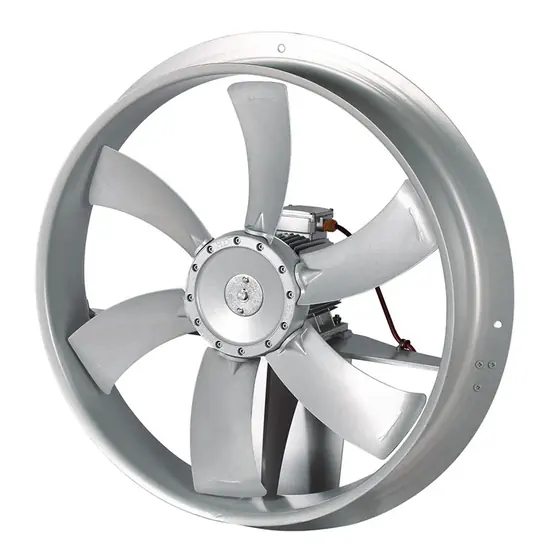 High Temperature Axial Fan
A wall type kiln fan in all aluminium, eight diameters from 400 mm to 1000 mm, built for reversible duty at 130 C and 98 percent humidity.
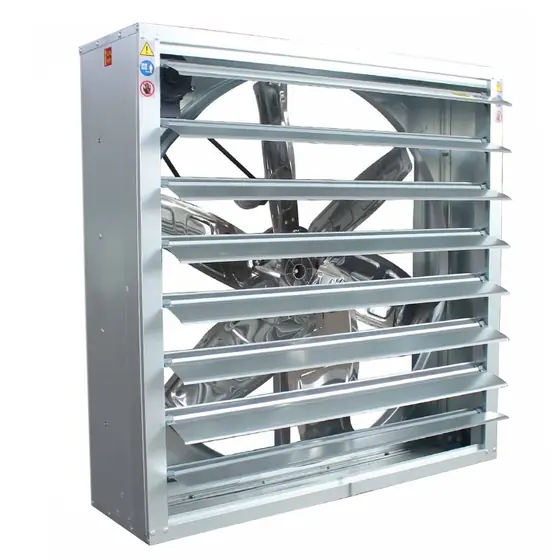 Wall Fan
One-piece formed housing with extra-thick zinc coating, automatic shutters and a bottom drain, for negative-pressure ventilation in hot, humid and smelly buildings.
Technical Note
A drying fan does not fail at the blade. It fails at the motor, and the specification items that decide the outcome are...
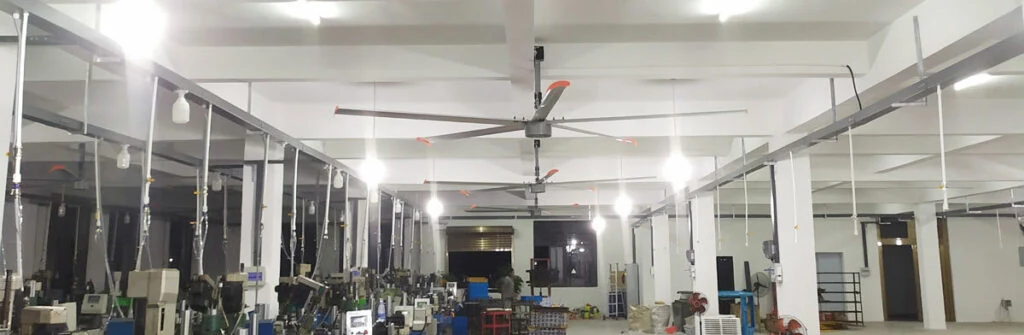 Product Guide
Three figures describe an industrial fan honestly: wind speed, air volume and rotating speed. Each one trades against the others,...
ExdIIBT4, against executive standard GB3836.2 and IEC 60079. That covers Zone 1 and Zone 2 sites with explosive gas mixtures, gas groups IIA and class IIB, in temperature group T4, with the motor built to H class insulation.
The fans are rated as ATEX explosion proof, ATEX being the two EU directives describing working rules for environments with an explosive atmosphere. Ask for the marking documentation with your enquiry so your compliance file is complete before the order is placed.
Barns, workshops, laboratories, petroleum production and refining, storage, chemical and medical environments, and other explosive dangerous environments, mainly for ventilation and cooling.
Four: wall type, fixed type, pipeline type and square type, in six diameters from 300 mm to 800 mm, so one certified product family covers most openings on a site.
Yes, the angle of the fan can be adjusted according to the client's requirement. It is set at the factory against the air volume and pressure you specify, because changing it afterwards changes the motor loading.
Yes. The motor is H class 180 C high-temperature resistant with 100 percent copper windings and Japanese high-temperature grease, and it is specified to operate in high-temperature and high-humidity vapour environments as well as hazardous ones.
Tell us the duty, the quantity and the destination port. The first reply contains a model, a price and a freight figure.