
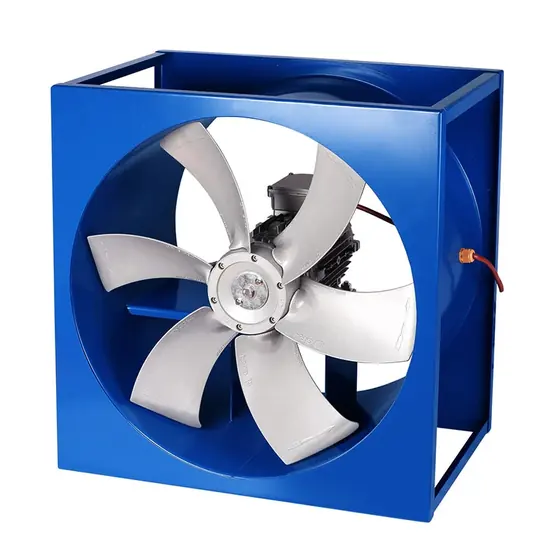
 High Temperature Axial Fan
GKF GKT Drying Fan
Rated for 130 C ambient and 98 percent humidity, in eleven diameters and four mounting types, for paint lines, tobacco, rubber, pharmaceutical and timber drying.
Products
HVLS Ceiling FanHVLS Floor FanWall FanHigh Temperature Axial FanDiesel GeneratorAll ProductsIndustries
Warehouse and LogisticsManufacturing WorkshopsCommercial and Public SpacesAgriculture and Livestock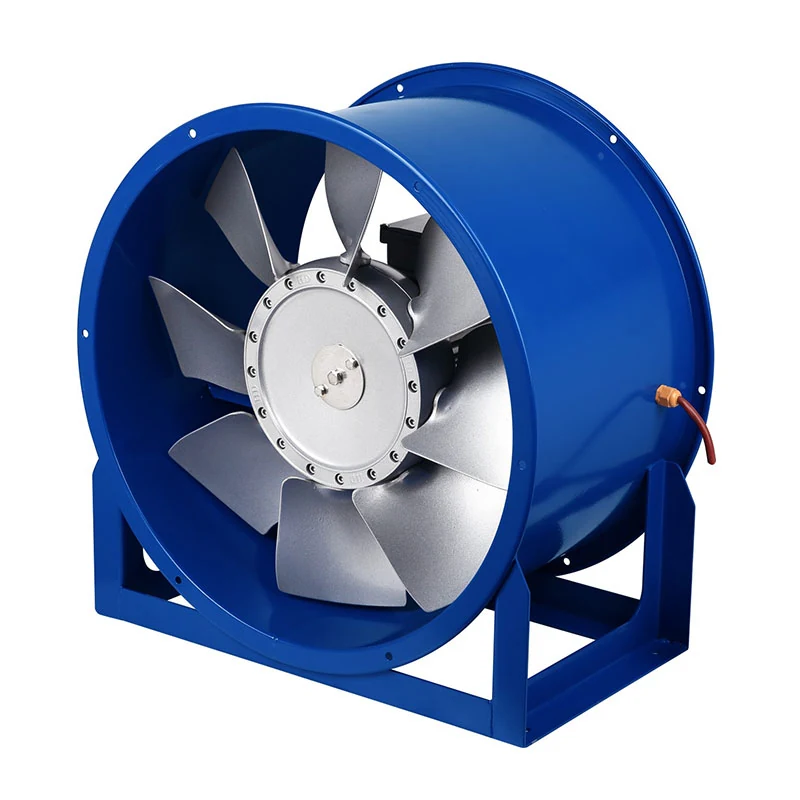
A drying fan is bought on its failure mode. Everyone can move air; the question is whether the motor is still alive at the end of the season at 130 C and 98 percent relative humidity. This solution route exists because getting that specification right at the quotation stage is worth more than any discount later.
Nothing here is a slogan. Each stage is a thing somebody has to do, and most delays on a fan project come from skipping one of them.
Maximum ambient temperature, maximum relative humidity, whether the carried gas is corrosive, the dust and hard particle load, and crucially whether combustible gas can be present. That last answer decides whether this route applies at all.
GKF GKT for general drying across eleven diameters and four mounting types. GKW GWF full aluminium wall type for timber kilns. CRF diagonal flow for grain dryers. CBF where the atmosphere is hazardous.
Air volume and static pressure rather than a fan size. Speed is selected from 2900, 1450 and 960 r/min and the blade angle is set to the requirement, which changes the duty as much as diameter does.
Wall, pipeline, fixed or square, so the fan fits the opening the kiln already has instead of the kiln being cut again.
Single phase 220 V or three phase 220 / 380 / 660 V, 230 / 400 / 690 V or 240 / 415 V at 50 or 60 Hz, with S1 continuous duty and periodic reversal where the process needs it.
All-copper H class 180 C windings, aluminium alloy shell, stainless steel and copper fasteners, Japanese high-temperature grease, aluminium alloy impeller in arc or right-angle profile.
Stator withstand-voltage testing, impeller dynamic balancing and a strict pre-shipment inspection, because a fan that fails mid-cycle costs the charge, not the fan.
Dryer and kiln manufacturers are supplied on a batch schedule with agreed flange patterns and housing colours. All axial items declare under HS 8414599099.
High Temperature Axial Fan
Rated for 130 C ambient and 98 percent humidity, in eleven diameters and four mounting types, for paint lines, tobacco, rubber, pharmaceutical and timber drying.
 High Temperature Axial Fan
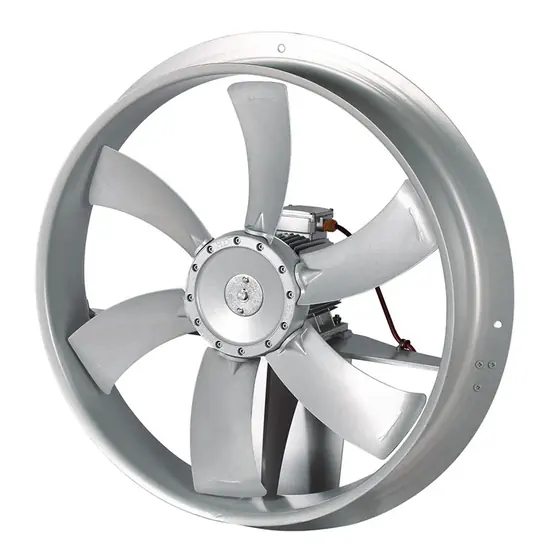
A wall type kiln fan in all aluminium, eight diameters from 400 mm to 1000 mm, built for reversible duty at 130 C and 98 percent humidity.
 High Temperature Axial Fan
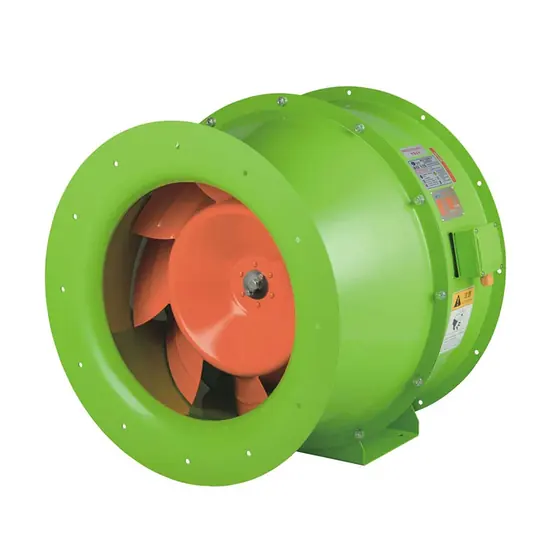
A patented diagonal flow design that cuts 40 to 50 minutes off a 15 T drying run and drops the noise from over 110 dB to within 85 dB.
Tell us the real condition. A customised high-temperature resistance build is available and is quoted separately, but we will not sell a standard fan into a duty it is not rated for.
Because a traditional centrifugal fan over-pressurises the dryer and loses efficiency to excess heat loss. The diagonal flow design hits the dryer's maximum drying efficiency node, saving 40 to 50 minutes on a 15 T run and 100 to 120 minutes on a 30 T installation with two dryers.
Yes, and it is the main channel for the CRF range. Flange pattern, housing colour and batch schedule are agreed together with the annual volume.
Combustible gas. The GKF GKT, GKW GWF and CRF are all specified for environments without it. In a flammable atmosphere the CBF explosion proof range with ExdIIBT4 marking is the only appropriate product.
Mounting type is selected as part of the fan specification, and the fixing detail is issued with the drawing. Tell us the existing opening dimensions so the fan fits what is already built.
Send what you already know about the building or the duty. We will tell you what is missing before you have to ask.